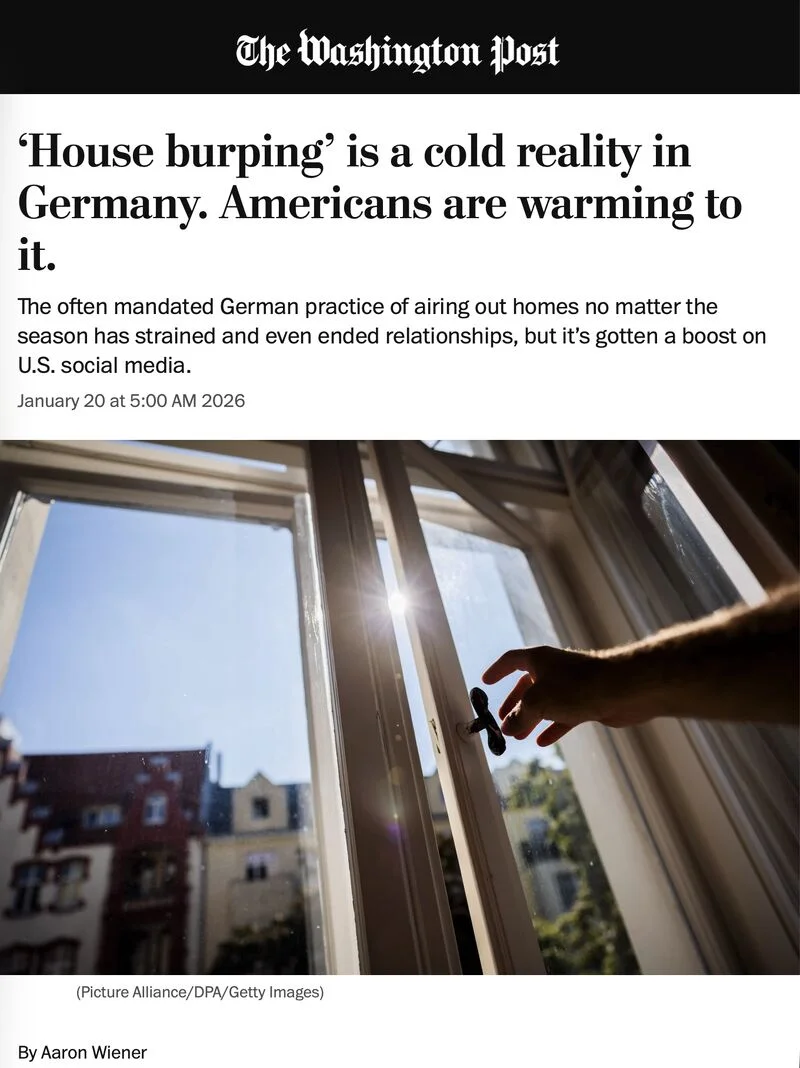
House Burping: The German Ventilation Practice Taking Social Media by Storm
Learn about "house burping," a German ventilation technique going viral on social media, its benefits for air quality, and potential drawbacks for U.S. homes.

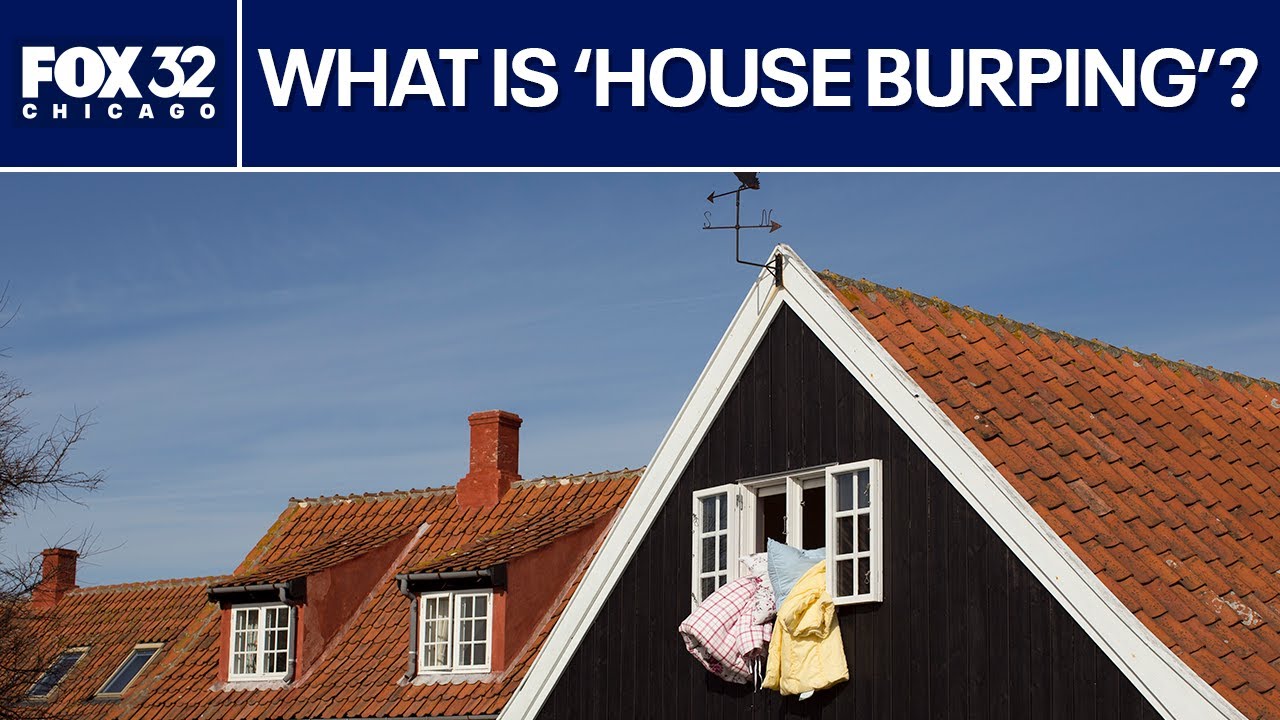
What is ‘house burping’ and is it good for your health? | ChicagoLIVE

Social Media Trend 'Burping Your House' Explained: Why open windows in winter?
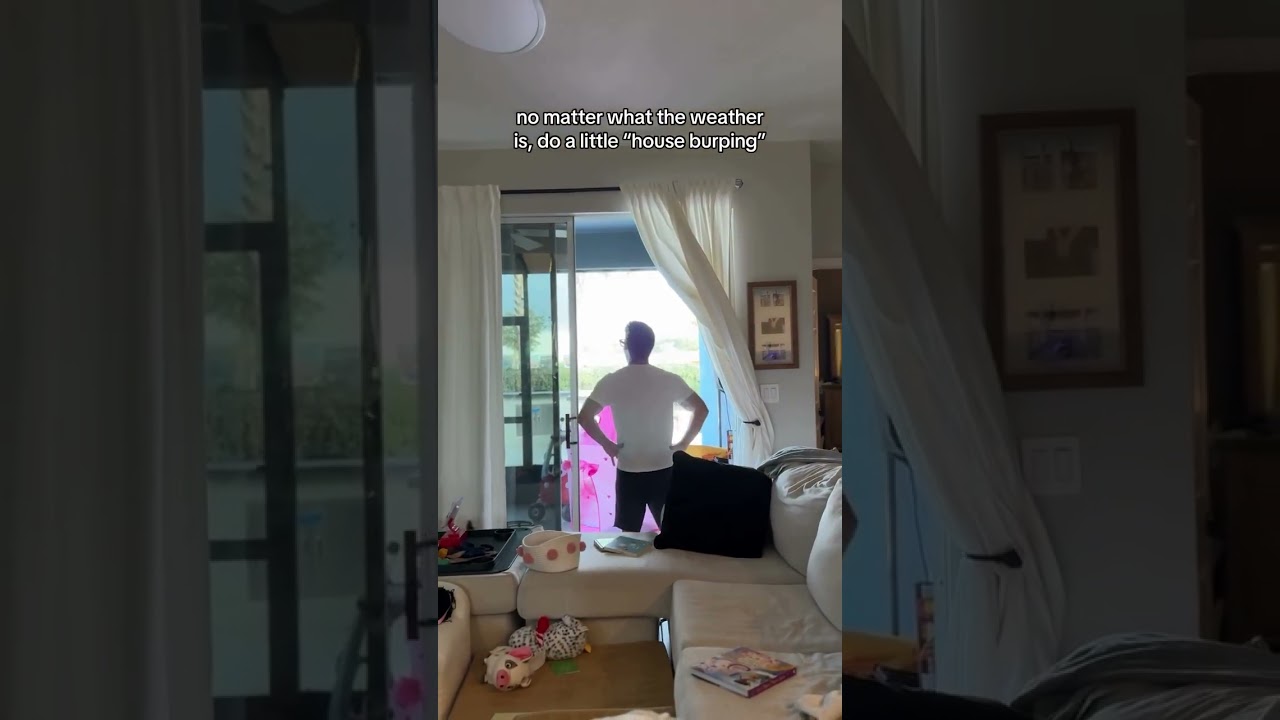
🤔 What is HOUSE BURPING?!
A seemingly simple German practice of airing out homes has captured the attention of American social media users, becoming the latest viral sensation under the catchy moniker "house burping." Despite frigid temperatures across much of the United States, TikTok and Instagram feeds are filled with homeowners deliberately opening windows and doors, embracing a method traditionally employed to combat moisture and stale air. This trend, known in its native Germany as "lüften," promises a breath of fresh air, but does it translate effectively to American homes?
What Exactly is "House Burping"?
"House burping" is the popularized term for a ventilation technique where residents open a window or door for a brief period, typically five to ten minutes daily, to allow fresh air to circulate through their homes. The primary aim of this practice is to prevent the buildup of mold and moisture indoors, as well as to refresh the air. This concept stems from the German tradition of "lüften," which directly translates to "airing out." Given the typically well-insulated nature of German homes, "lüften" is a recognized method for reducing humidity, pollutants, and odors. A more intense variation, known as "stoss lüften," or "shock ventilation," involves opening all windows in a house completely for a similar five to ten-minute duration, particularly common during colder months.
The Viral Appeal and Perceived Benefits
Social media platforms like TikTok have become fertile ground for "house burping" enthusiasts in the U.S., with creators showcasing themselves opening their windows and advocating for the practice as a way to refresh indoor air. Beyond mere freshness, some social media users have even claimed health benefits associated with the trend. Research, such as a 2025 study published in "Science and Technology for the Built Environment," has explored the impact of sleeping with windows open. This study suggests that it can help individuals fall asleep more quickly and achieve more sound sleep, though it also notes that some participants reported worse sleep due to external noises. Yale University sleep psychologist Lynelle Schneeberg supports the practice of "lüften" before bed, deeming it a "really great idea" for improving sleep quality. Schneeberg likens the feeling to the freshness of newly washed sheets, suggesting it offers a similar daily renewal. Indiana-based HVAC service provider BNG Heating & Cooling also acknowledges that "burping" can be beneficial in specific scenarios, such as dissipating strong chemical smells, clearing stuffy indoor air, or eliminating kitchen odors and smoke. You can read more about this trend and its origins in CT Insider.
Potential Drawbacks: Energy Costs and Indoor Air Quality
While the allure of fresh air is undeniable, "house burping" is not without its potential downsides, particularly for homes in climates not designed for frequent open-window ventilation. One of the most significant concerns is the potential increase in energy costs. Deliberately opening windows, especially during cold weather, can lead to substantial heat loss, forcing heating systems to work harder and consume more energy. Beyond energy consumption, BNG Heating & Cooling highlights other issues, noting that "house burping" could introduce allergens into the home, a significant concern for those with sensitivities or respiratory conditions. Furthermore, opening windows can allow external pollutants and smoke to enter living spaces, potentially degrading indoor air quality rather than improving it. The firm emphasizes that unlike German homes, which are often specifically designed with this type of ventilation in mind, American homes and their reliance on HVAC systems may not be ideally suited for daily open-window ventilation. According to BNG Heating & Cooling, "Burping your home every day can waste energy, invite allergens and disrupt humidity control."
The German Context vs. American Application
The success of "lüften" in Germany is rooted in the specific design and construction of German homes, which are typically very well-insulated. This insulation, combined with a cultural practice of regular ventilation, allows Germans to effectively manage indoor air quality without significant energy penalties. The practice of "stoss lüften," or "shock ventilation," where windows are opened wide for a short period, is designed for efficient air exchange without drastically cooling down the thermal mass of the home. This rapid exchange helps expel stale air and moisture quickly before the interior structure loses too much heat. The key difference when applying this practice in the U.S. lies in home construction and climate control systems. Many American homes rely heavily on central heating, ventilating, and air-conditioning (HVAC) systems to maintain a stable indoor environment. These systems are designed to seal the home from outside elements, making frequent open-window ventilation less efficient and potentially counterproductive. It's crucial for homeowners considering this trend to evaluate their own home's design and local climate conditions to determine if "house burping" is a practical and beneficial practice for them.
Weighing the Pros and Cons for Your Home
The "house burping" trend, while intriguing, presents a classic balance of pros and cons. On one hand, the appeal of reducing mold, humidity, and odors, and potentially improving sleep, is compelling. On the other hand, the risk of higher energy bills, allergen exposure, and introducing pollutants cannot be ignored. The practice, deeply ingrained in German housing culture, may not seamlessly translate to the diverse climates and varied home construction of the U.S. Consumers should consider their specific circumstances, including local air quality, prevalence of allergens, and their home’s insulation and HVAC system efficiency, before fully embracing this viral trend. While the concept of refreshing indoor air is universally beneficial, the method of achieving it may require a more tailored approach than a simple open window. For more insights on this trend, you can refer to the original reporting by CT Insider.
Related Articles

R Madhavan and Ajith Kumar: Racing Legends Converge at Dubai Autodrome, Sparking Online Frenzy
Viral photos show actors R Madhavan and Ajith Kumar meeting at the Dubai Autodrome, highlighting Ajith's racing journey and a new docu-film.