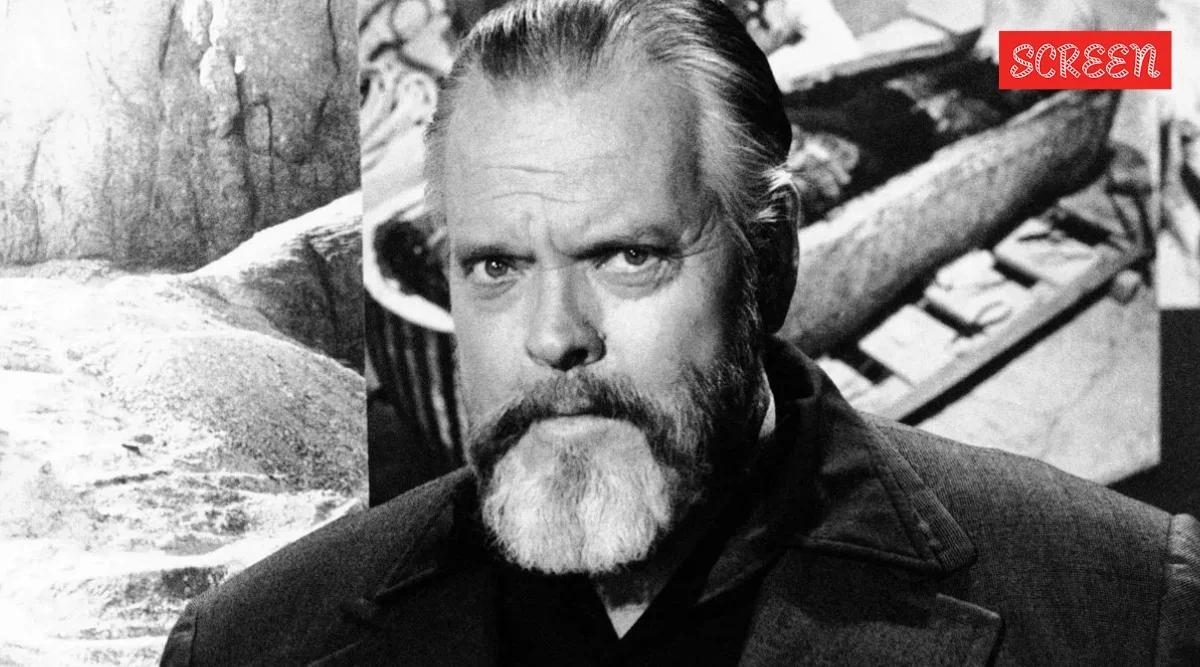
Orson Welles: The Genius Who Died Broke and Alone
Exploring the tragic later life of Orson Welles, director of 'Citizen Kane', who despite immense talent, died alone and financially struggling.

Orson Welles: The Untold Story of a Fascinating Genius
ORSON WELLES: 10 Shocking Secrets Behind a Hollywood Genius!
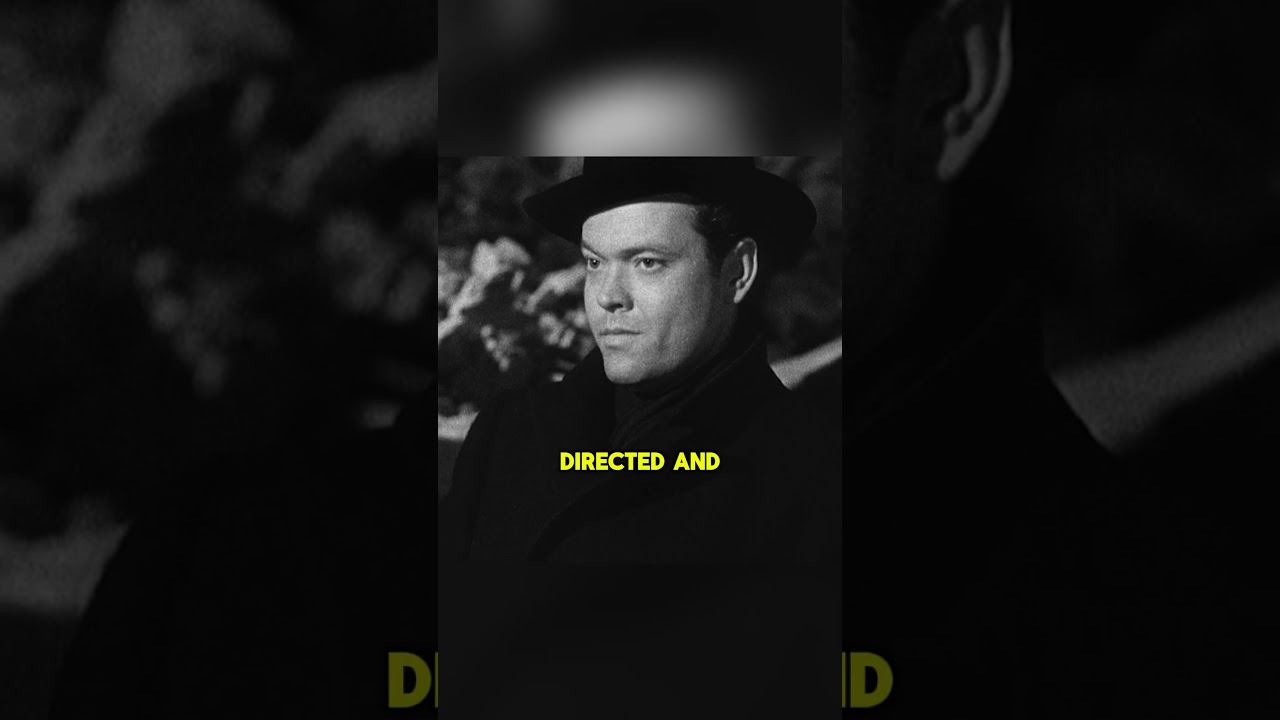
Orson Welles the genius who rose from tragedy
Orson Welles, a name synonymous with cinematic genius, left an indelible mark on the history of film. Hailed for pioneering works like "Citizen Kane," often cited as the greatest film ever made, Welles’s career was a paradoxical tapestry of extraordinary talent and profound personal struggles. He died in 1985 at the age of 70, not in a blaze of glory, but, as many accounts reveal, alone and financially destitute, a stark contrast to the towering artistic legacy he bequeathed to the world.
A Meteoric Rise and an Unforeseen Fall
Welles burst onto the Hollywood scene in his mid-20s, a wunderkind whose creative vision behind "Citizen Kane" revolutionized filmmaking. The film, released in 1941, earned nine Oscar nominations and secured a win for Best Original Screenplay. Welles's innovative use of deep focus, non-linear narrative, and evocative cinematography cemented his reputation as a visionary. However, the film's success was not without controversy. Its thinly veiled critique of newspaper magnate William Randolph Hearst led to a powerful backlash that impacted the film's commercial run and, arguably, Welles's subsequent career.
His second feature, "The Magnificent Ambersons," further illustrates the beginning of his professional woes. While now considered a classic, the studio, RKO, seized control of the film during Welles's absence for another project in Brazil. They drastically cut and re-edited the film, destroying Welles's original vision and forever tainting his reputation within the studio system as an "impulsive" and "erratic" director. This marked a turning point, as Welles began to struggle with financing and creative control for many of his future endeavors (slashfilm.com).
The "Abiding Condition" of Being Broke
Throughout his career, Welles's financial state was consistently precarious. As film historian David Thomson noted, the "profound absence of money was Welles's 'abiding condition'" (imdb.com). Despite his acclaimed body of work, Welles never directed a truly profitable movie during his lifetime. "Citizen Kane," his most admired creation, was a critical darling but not a box office hit at the time of its release. This financial instability forced Welles to often fund his own projects, taking acting roles in other films to subsidize his directorial ambitions.
His ambitious nature and penchant for unconventional filmmaking often clashed with the commercial demands of Hollywood studios. This created a cycle where his boundless creativity outstripped the financial support available, leading to incomplete projects and a perception of him as an unreliable collaborator. He was known for his "outsized appetites" and a relentless "hunger for filmmaking," which often led him to stretch budgets and timelines, further alienating potential backers (indianexpress.com).
A "Glorious Film Failure"
Thomson described Welles as the "most glorious film failure of them all" (indianexpress.com). This seemingly contradictory statement encapsulates the essence of Welles's career. While his films were often hailed as masterpieces, they rarely achieved the commercial success that would have secured his financial stability. He famously used an acceptance speech for a lifetime achievement award in 1975 as an opportunity to solicit funds for his unfinished projects, a poignant testament to his ongoing financial plight (indianexpress.com).
His later years were characterized by a ceaseless, and often fruitless, pursuit of funding for various film projects. These included adaptations of "King Lear" and "The Dreamers," as well as an original script titled "The Big Brass Ring." He worked tirelessly, often from his bed, making calls to friends and associates around the world to discuss budgets and potential investors. Even a seemingly promising project like a film version of his 1937 staging of Marc Blitzstein’s opera "The Cradle Will Rock" fell apart at the last minute due to lost backing (nytimes.com).
The Loneliness of a Legend
Welles died alone and broke in a cottage in the Hollywood Hills on October 10, 1985. His personal affairs and estate were left in a state of chaos, a reflection of the tumultuous life he led. Many biographers attribute his early demise, in part, to his "outsized appetites" and tendency to overeat. Despite his many accomplishments, he was a victim of his own temperament, often described as "erratic, self-destructive, egotistical" (indianexpress.com). The industry that once celebrated him as a legend eventually sidelined him, leaving him to struggle for the resources needed to bring his creative visions to fruition.
A Legacy Reevaluated
While his lifetime was marred by financial hardship and a reputation for being difficult, Welles's legacy has only grown in stature since his death. Many films that were not commercially successful during his lifetime are now rightly celebrated as classics. His unyielding determination to make films, even under the most challenging circumstances, speaks volumes about his profound dedication to his art. Welles's career, rather than being seen as a complete failure, is now often viewed as a "quixotic success" – a testament to an artist who relentlessly pursued his vision, even when it meant personal sacrifice and public misunderstanding. He remains a towering figure in cinema, a genius whose artistic triumphs far outshone the material poverty of his final years.
Related Articles

Kristen Stewart Considers Leaving America, Citing Creative Restrictions
Actress Kristen Stewart reportedly contemplates departing the United States due to perceived limitations on her ability to "work freely," sparking discussion about creative freedom in Hollywood.