Russia's Ukraine War Casualties Unconfirmed as Donetsk Control Looms; NATO Unity Questioned
Reports indicate looming Russian control of Donetsk by 2027 if current advances hold, while US officials raise concerns about NATO's future.


Ukraine War Nears 4 Years Thinktank Claims 1.2million Russian Casualties Moscow Pushes Back #trump
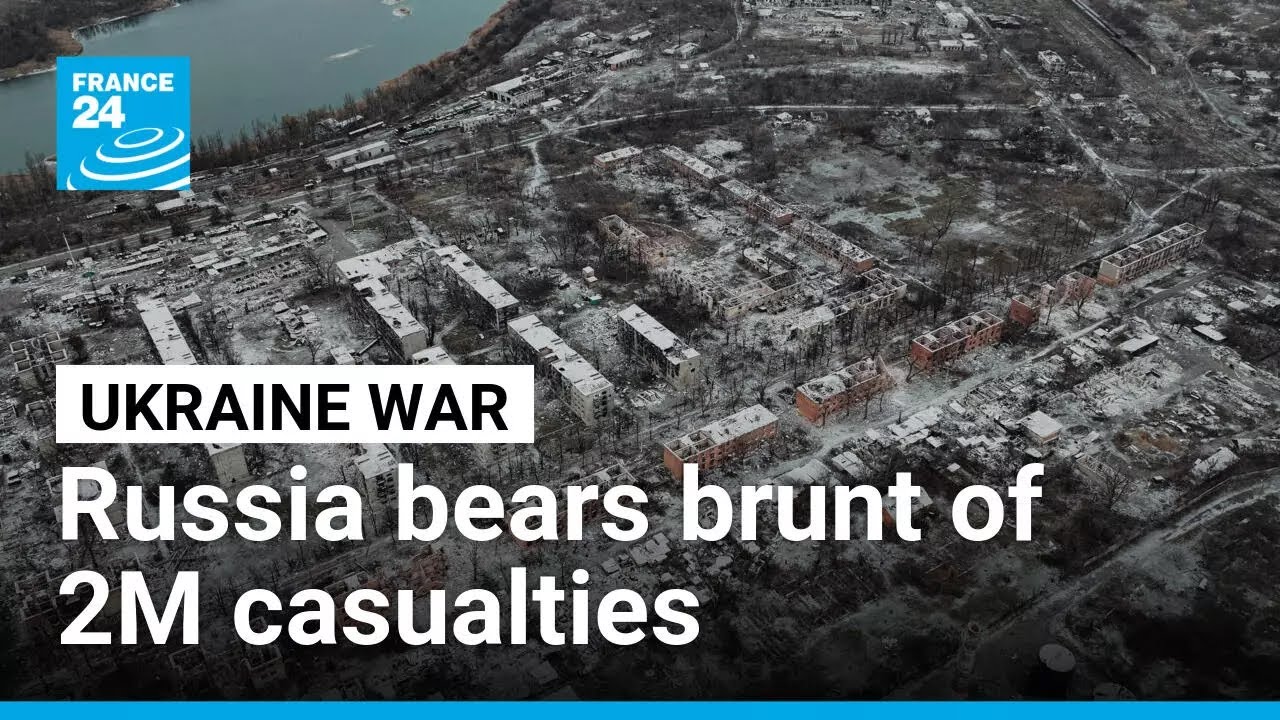
Russia bears brunt of nearly two million casualties in Ukraine war, say report • FRANCE 24 English
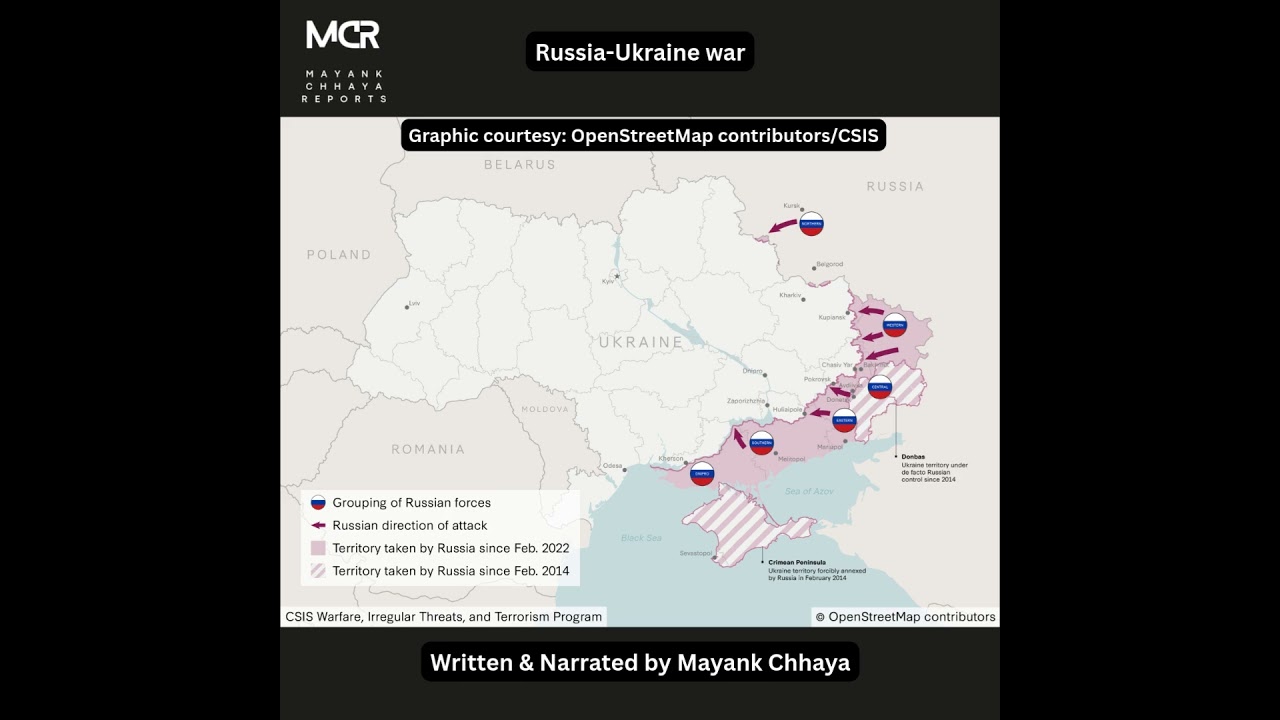
Troop casualties could cross 2 million by spring in Russia-Ukraine war #RussiaUkraineWar
The conflict in Ukraine continues to escalate with new reports detailing the potential future of the Donetsk region, ongoing international diplomatic efforts, and deepened concerns about the unity and effectiveness of NATO. Amidst intensified Russian attacks, which have devastated civilian infrastructure, global actors are scrambling to provide aid and redefine strategic alliances, with the US in particular scrutinizing its commitments.
Future of Donetsk and Potential Peace Talks
Concerns are growing over the long-term control of Ukraine's Donetsk region. The Institute for the Study of War projects that if Russian forces maintain their current rate of advance, the region could fall into Moscow’s hands by August 2027. This assessment acknowledges that Russia would need to "expend significant amounts of resources, time, and personnel to seize the rest of Donbas," a challenging prospect given the scale of the ongoing conflict and the extensive resources already committed by Russia. The Donbas region is a key strategic goal for Russia, comprising the Donetsk and Russian-held Luhansk regions.
Meanwhile, discussions regarding future trilateral talks involving Ukraine, Russia, and the US in Abu Dhabi are revealing internal US policy debates. US Secretary of State Marco Rubio indicated that while a US presence is expected, top envoys from a potential Donald Trump administration, Steve Witkoff and Jared Kushner, who participated in previous rounds, would not be involved. Rubio highlighted territorial issues over Donetsk as a "very difficult" sticking point, underlining the complexity of potential peace negotiations. A report by the Financial Times, though swiftly denied by the White House as "totally false," suggested that a Trump administration might tie US security guarantees to Ukraine agreeing to a peace deal that could involve ceding the Donbas to Russia. This signals potential shifts in US foreign policy depending on future administrations, creating uncertainty for Ukraine’s long-term security. Sky News reports on these developments.
Humanitarian Crisis and International Aid
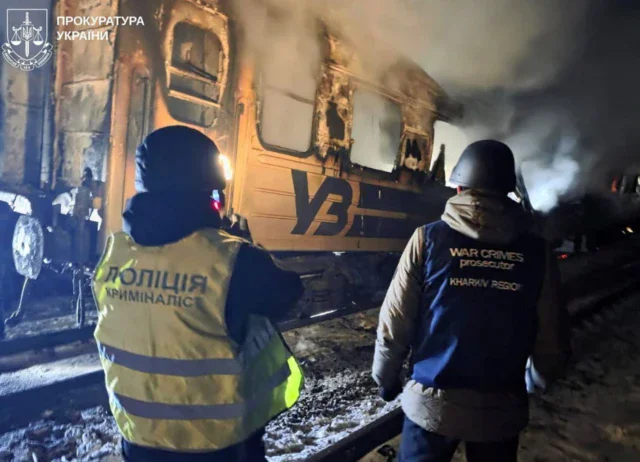
The human cost of the conflict remains devastating, with recent Russian attacks causing significant civilian casualties and exacerbating Ukraine's energy crisis ahead of winter. French President Emmanuel Macron condemned a Russian strike on a passenger train in Kharkiv as "unacceptable," announcing that France, following Italy’s lead, would send generators to Ukraine to help citizens cope with widespread power outages. Macron reiterated France's commitment to support Ukraine "for as long as necessary" to enable its self-defense and achieve "a just and lasting peace."
Italy has already begun delivering industrial boilers and electric generators, with an initial batch of 78 boilers already delivered and 300 more expected. This initiative aims to provide thermal capacity sufficient for approximately 90,000 homes or a city of a quarter-million people, targeting damaged urban networks, hospitals, and essential services. This vital assistance comes as Ukraine faces its harshest winter in four years of conflict. Tragic personal stories continue to emerge, such as the evacuation of a baby from a burning train hit by a Russian bombing and the death of a rescue worker, Oleksandr Zibrov, 18 days after a mass aerial attack in Kyiv on January 9th. Another heart-wrenching account describes a four-year-old girl "shaking violently" after a drone and missile strike near Kyiv killed her mother. Sky News highlighted these humanitarian efforts and tragedies.
NATO’s Future: US Commitment and European Obligations
The commitment of the United States to NATO is under increased scrutiny, with discussions about a potential "rebalancing" of obligations among member states. US Secretary of State Marco Rubio called for NATO to be "reimagined," emphasizing the "erosion in European defence capabilities" as a significant problem. While asserting that "Without the US, there is no NATO," Rubio also stressed that US allies need to "step up" and be "capable of stepping up," suggesting that many have not met their commitment to spend 5% of GDP on defence. This sentiment echoes growing concerns over Donald Trump's past threats to withdraw the US from the alliance, fueling discussions about a stronger, independent European defense pillar. NATO chief Mark Rutte previously cautioned European members not to "keep dreaming" of security separate from the US. These discussions highlight a period of uncertainty for the alliance's future cohesiveness and burden-sharing.
Russia's Shadow Fleet and Military Advancements
Russia continues to navigate international sanctions through covert operations, including the use of a "shadow fleet" to export oil. A recent incident saw the French navy intercept a Russian oil tanker operating under a false flag in Marseille, acting on intelligence from the UK. The vessel has since been grounded, though its Indian captain was released. This incident underscores the ongoing efforts to circumvent sanctions and maintain economic lifelines.
Furthermore, reports suggest China is aiding Russia in developing a powerful, nuclear-capable hypersonic missile, the Oreshnik, which can reach speeds exceeding 8,000mph. The Telegraph reports this involves specialized manufacturing machines and tools, part of over £7bn worth of technology China has sent to Russia. The Oreshnik missile has reportedly been used twice in Ukraine: in 2024 and earlier this month, striking Lviv, just 40 miles from the Polish border. Ukrainian European allies view the use of this missile as an intimidation tactic, given its reported range of up to 5,500 kilometers, theoretically placing much of Europe within reach. This highlights concerns about evolving military capabilities and the deepening alliance between Russia and China.
Diplomatic Engagements for Russia
In parallel to military actions, Russia continues its diplomatic engagements, notably with Syrian President Ahmad al Sharaa. The two leaders met in Moscow for the second time in less than four months, with Russian President Vladimir Putin praising al Sharaa’s efforts in developing Russian-Syrian relations and restoring Syria's territorial integrity. A primary objective for the Kremlin is to secure its naval and air bases on Syria's coast, which represent Russia's only such outposts outside the former Soviet Union and are crucial for maintaining its military presence in the Mediterranean. These meetings underscore Russia's efforts to solidify its strategic positions and alliances beyond the immediate conflict zone. Sky News reported on the meeting and its implications.
Related Articles
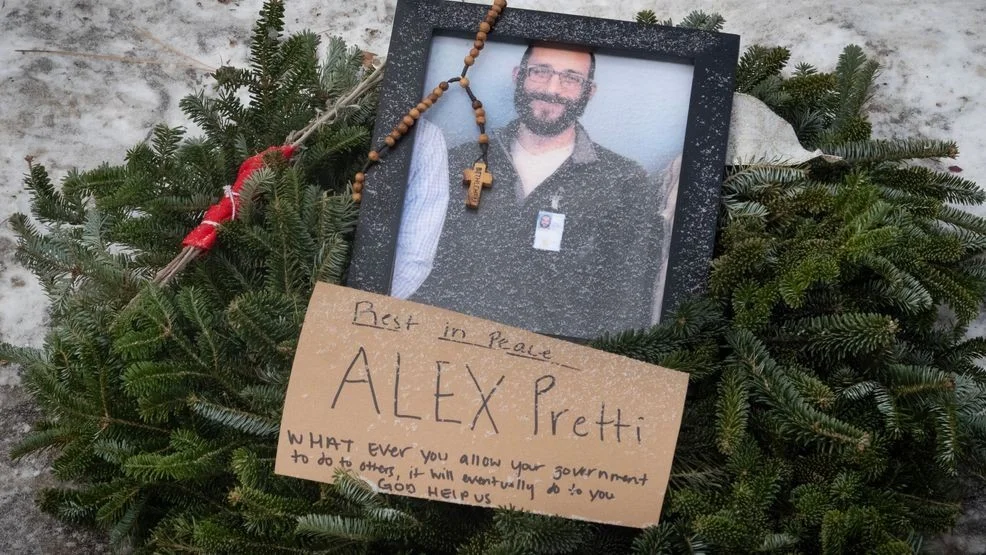
Hundreds Honor Alex Pretti in Minneapolis, Fueling National Debate on Federal Force
Hundreds gathered in Minneapolis to honor Alex Pretti, an intensive care nurse shot by federal agents, sparking widespread protests and debate on immigration enforcement practices across the U.S.