Badshah Hails Dhurandhar Duology as "Fearless, Original Statement" for Indian Cinema
Rapper Badshah praises Aditya Dhar's 'Dhurandhar 1 & 2' as bold, experimental, and a sign of a new era in Indian filmmaking, sparking discussions on cinematic evolution.

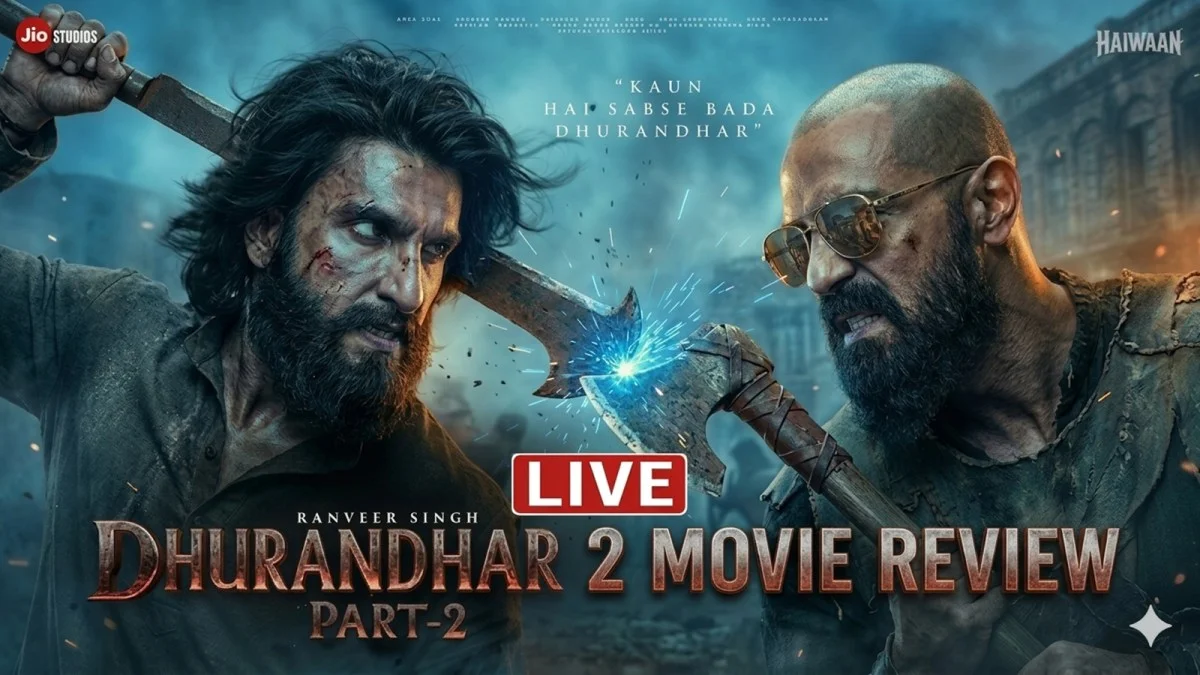
In a powerful endorsement that reverberates across the Indian film industry, acclaimed rapper-singer Badshah has declared Aditya Dhar's 'Dhurandhar 1' and 'Dhurandhar The Revenge' a "fearless and original" duology, hailing both films as a profound "statement" for the future of Indian cinema. Weeks after the release of the sequel, 'Dhurandhar The Revenge' on March 19th, which has demonstrably shattered box office records and solidified the franchise's standing as a formidable commercial and critical success, Badshah's high praise underscores a growing consensus regarding the films' innovative approach and ambitious scope. His remarks, shared via Instagram, highlight a perceived shift in the industry, suggesting that the duology represents a pivotal moment in contemporary Indian filmmaking, pushing boundaries and redefining audience expectations.
The Rise of a "Fearless" Cinematic Era
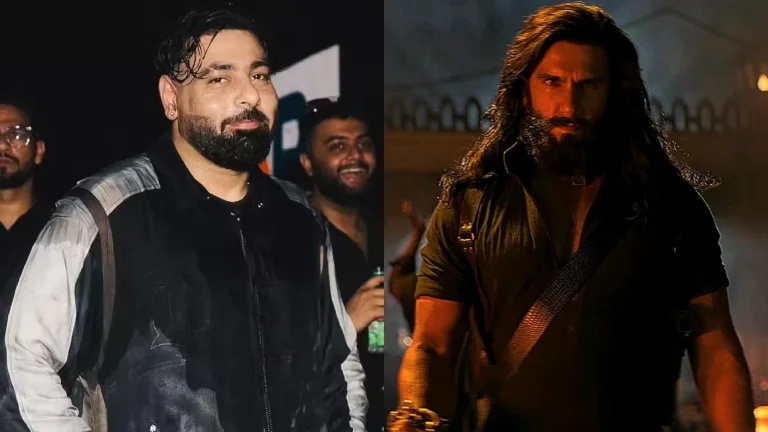
Badshah's endorsement, as reported by Bollywood Hungama, positions the 'Dhurandhar' films not merely as entertainment but as cultural touchstones signaling a new direction for Indian cinema. Taking to his Instagram Story, the music icon articulated his admiration for the sheer scale and audacity of the projects. "They said, 'You are not ready for this,' and boy were they right. Dhurandhar 1 & 2 aren't just films; they're a statement. A bold reminder that Indian cinema is stepping into a new era. Fearless, experimental, and unapologetically original," he wrote. This statement captures the essence of a perceived change, moving away from conventional narratives and production styles towards a more adventurous and artistically driven approach. The films' ability to provoke such a strong reaction from a prominent industry figure like Badshah suggests their impact extends beyond mere box office numbers, influencing perceptions of what Indian cinema can achieve creatively.
Dhurandhar: An Experience Beyond Entertainment
Beyond their bold narrative and experimental nature, Badshah emphasized that the 'Dhurandhar' films offer an immersive "experience" rather than just passive entertainment. He particularly highlighted the symbiotic relationship between the films' visual style and their musical scores. According to Bollywood Hungama, Badshah’s Instagram post continued, "You don't watch Dhurandhar; you experience it. And once you do, there's no going back to ordinary cinema. Music has elevated the film; film elevated the music. This is no nonsense. This is pure style. Lost count of the number of times I've seen the film or the scenes. Damn. This is what the future looks like." This observation points to a deliberate artistic synergy, where different creative components enhance each other, resulting in a cohesive and memorable viewing experience. The success of this synergy, as noted by Badshah, indicates a meticulous attention to detail in the filmmaking process, aiming for a holistic artistic impact rather than relying on isolated elements. The films' strong box office performance and sustained social media buzz further validate this approach, with audiences actively engaging in discussions about their unique cinematic style and music.
The Shifting Sands of Cinematic Authenticity
Badshah’s remarks, juxtaposed with other industry voices, highlight a broader discourse on authenticity and versatility in Indian cinema. While the 'Dhurandhar' films are praised for their urban, slick, and experimental nature, veteran director Priyadarshan recently offered a different perspective on actor versatility. In an interview with India Today, as reported by The Times of India, Priyadarshan contrasted Shah Rukh Khan's polished persona with Akshay Kumar's ability to embody the "common man." Priyadarshan stated, "The plus point of Akshay is that he can look like a common man. His body language, the way he walks, especially when I did Khatta Meetha, I really thought that he looked like a road contractor who is struggling." He further elaborated on Shah Rukh Khan's inherently urban appeal, recalling SRK's own admission during their collaboration on 'Billu Barber': “Shah Rukh can never act as a villager, because his body language is very polished, very urban.” This contrast reveals a fascinating tension within the industry: while some filmmakers strive for a grounded realism that connects with a wider demographic, others, like Aditya Dhar with 'Dhurandhar', might be deliberately pushing towards a more stylized, global aesthetic. Badshah's praise for 'Dhurandhar' suggests that audiences are increasingly receptive to this "pure style" and experimental approach, even as the industry continues to value the "common man" authenticity embodied by actors like Akshay Kumar. This duality showcases the diverse landscape of Indian cinema, where both grounded narratives and high-concept, stylized productions find their audience and critical acclaim.
Analysis: A New Chapter for Indian Blockbusters
Badshah's pronouncement on the 'Dhurandhar' duology signifies more than just an individual artist's appreciation; it reflects a potential paradigm shift in how success and artistic merit are measured in mainstream Indian cinema. For years, Bollywood blockbusters have often relied on established formulas, star power, and safe commercial decisions. However, Aditya Dhar's 'Dhurandhar' films, by Badshah's account, represent a departure from this norm, daring to be "fearless, experimental, and unapologetically original." This suggests a growing appetite among both filmmakers and audiences for content that challenges conventions and prioritizes unique storytelling and elevated aesthetics. The financial success of 'Dhurandhar The Revenge' after its March 19 release, despite its innovative approach, indicates that risk-taking in filmmaking can yield significant commercial dividends alongside critical praise. This trend, if it continues, could encourage more directors to explore unconventional narratives and visual styles, fostering a more diverse and globally competitive cinematic landscape. It also highlights the increasing influence of younger, culturally aware audiences who actively seek out and champion content that reflects a modern, progressive outlook, perhaps less tethered to traditional Bollywood tropes. The "Dhurandhar effect" might therefore lead to a richer tapestry of Indian films, where stylistic innovation is celebrated and rewarded.
Broader Contexts: Age-Old Brilliance and Modern Shifts
While the 'Dhurandhar' films are heralded as a sign of modern cinematic evolution, the Indian film industry continues to honor and draw inspiration from its deep roots. Coincidentally, the day after Badshah’s remarks on March 19, the legendary actress Jaya Bachchan celebrated her 78th birthday on April 9th, as highlighted by News18. Bachchan, a gold medalist from FTII, has always been celebrated for redefining realism and authenticity on screen, particularly in her early roles like 'Guddi' (1971) and 'Koshish' (1972). Her career, spanning decades, represents a foundational period in Indian cinema where subtlety and emotional depth were paramount. This rich history provides an essential counterpoint to the bold, stylish experimentation seen in films like 'Dhurandhar'. The industry is thus a vibrant ecosystem where both legacies of authentic realism and contemporary pushes for fearlessness coexist and influence each other. The continuous evolution is not about abandoning the past but building upon it, integrating new techniques and storytelling methods while retaining the core artistry that has defined Indian cinema for generations. This ongoing dialogue between different eras and styles ensures a dynamic and diverse future for the industry, catering to a wide spectrum of tastes and preferences. Even as new "statements" are made, the industry continues to celebrate the enduring impact of its veterans.
Looking Ahead: The Future of Indian Cinema
The reception of the 'Dhurandhar' duology and Badshah's enthusiastic endorsement strongly suggest a pivotal moment for Indian cinema. The future appears to be one where "fearless, experimental, and unapologetically original" storytelling will increasingly find both critical acclaim and commercial success. This could pave the way for more directors like Aditya Dhar to push creative boundaries, exploring diverse genres, complex narratives, and cutting-edge visual aesthetics. Audiences, emboldened by captivating "experiences" like 'Dhurandhar', are likely to demand more than just conventional entertainment, fostering an environment where innovation is not just accepted but actively sought out. The industry might witness a greater emphasis on integrated artistic elements, where music, cinematography, and storytelling merge seamlessly to create truly immersive cinematic journeys. This forward momentum, coupled with the enduring appreciation for the authenticity and legacy exemplified by figures like Jaya Bachchan, indicates a rich and multifaceted future for Indian cinema—one poised for global resonance while staying true to its unique cultural narratives.
Related Articles

‘Dhurandhar: The Revenge’ Hailed as Modern ‘Sholay’, Rewrites Box Office History
Aditya Dhar's 'Dhurandhar: The Revenge' has smashed records, crossing ₹1100 crore worldwide and drawing comparisons to Bollywood classics like 'Sholay' and 'Mughal-e-Azam'.