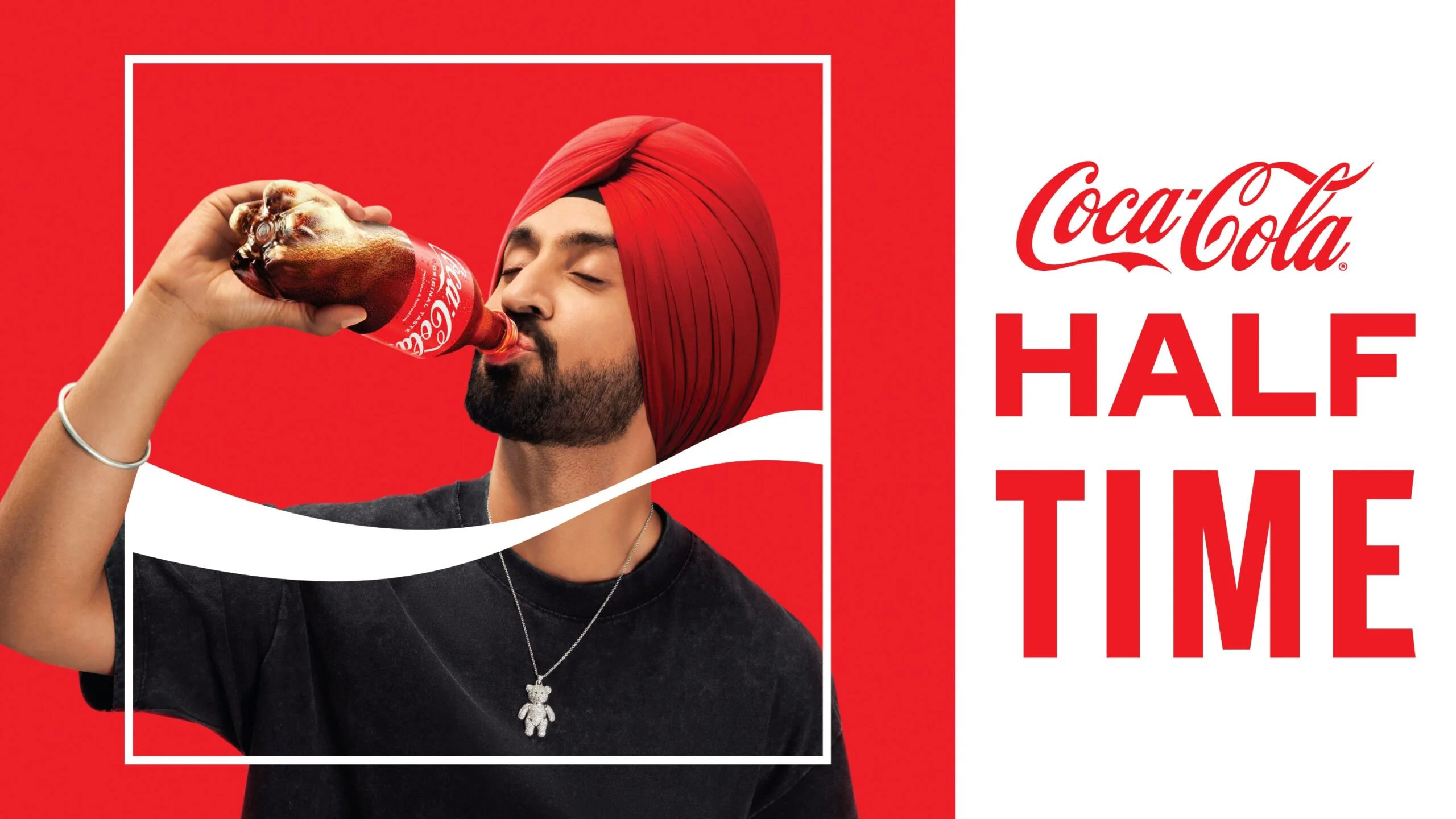
Bollywood stars Diljit Dosanjh and Janhvi Kapoor headline Coca-Cola India's latest campaign, each in separate films championing refreshing "Halftime" breaks, showcasing unique personalities and strategic market outreach.
In a compelling display of strategic celebrity endorsement, Coca-Cola India has launched its latest campaign featuring prominent Bollywood personalities Diljit Dosanjh and Janhvi Kapoor. The unique aspect of this initiative lies in its deliberate separation of the stars, with each headlining their own distinct film that promotes the concept of a refreshing "Halftime" break. This unconventional approach aims to leverage the individual appeal of Dosanjh and Kapoor, tapping into their diverse fan bases across the Indian subcontinent while propagating the idea of brief, revitalizing pauses in fast-paced daily routines. The campaign, which was unveiled across major markets including Delhi, Punjab, Uttar Pradesh, Maharashtra, Tamil Nadu, and Karnataka, signifies Coca-Cola’s continued commitment to integrating its beverage into moments of everyday refreshment and renewal, as reported by Bollywood Hungama.
The use of prominent figures from the entertainment industry to promote products is a deeply ingrained and highly effective marketing strategy in India, especially within the vast and diverse Bollywood landscape. Historically, Indian advertising has thrived on the star power of actors and musicians who command immense adoration and influence over millions. From the iconic film stars of yesteryear endorsing everything from soaps to soft drinks, to today's pan-India celebrities shaping consumer trends, this phenomenon reflects a cultural connection where fans often emulate the choices of their idols. Brands like Coca-Cola have consistently capitalized on this trend, understanding that a familiar and beloved face can instantly elevate a product’s visibility and resonate deeply with the target audience. The "Halftime" campaign featuring Diljit Dosanjh and Janhvi Kapoor is a contemporary iteration of this proven formula, tailoring its message and messengers to specific demographic and geographic segments to maximize impact, as detailed by Bollywood Hungama. This approach transcends simple celebrity association; it's about crafting narratives that intertwine the star's persona with the brand's core message, making the product an indispensable part of relatable, aspirational moments.
The new Coca-Cola campaign, conceptualized around the timely theme of "Halftime," has made a strategic entry into the Indian market, presenting Diljit Dosanjh and Janhvi Kapoor in parallel yet distinct narratives. In Diljit Dosanjh's film, the celebrated singer-actor is depicted amidst the rigorous intensity of a rehearsal. The scenario vividly portrays the demands of his profession until a Coca-Cola break intervenes, serving as a catalyst for a mood shift. Post-refreshment, Dosanjh returns to the stage reinvigorated, delivering an electrifying performance that sets the atmosphere ablaze with his characteristic energy and magnetism. This segment effectively ties the product to moments of professional exertion and subsequent revitalized performance, resonating with a demographic that admires his dedication and high-octane stage presence. The official Coca-Cola India Instagram page has shared snippets, showcasing his vibrant performance, as seen on Bollywood Hungama.
Janhvi Kapoor's narrative, conversely, unfolds with a completely different milieu and emotional tone. The actress is shown on what appears to be a mundane drive with her friends, expressing boredom and a reluctance to continue driving. Her segment highlights a moment of casual ennui during a leisure activity. Following a refreshing pause with a Coca-Cola, Janhvi reclaims the steering wheel with renewed enthusiasm, transforming the tedious outing into a lively and enjoyable road trip with her companions. This portrayal targets a different slice of the consumer base, associating Coca-Cola with spontaneity, camaraderie, and the ability to inject excitement into everyday leisure. These separate but thematically linked stories underscore the campaign's innovative approach: rather than a shared screen presence, the distinct plots allow each celebrity to embody the "Halftime" concept in a way that feels authentic to their public personas and diverse appeal. This strategic segmentation is critical for a brand like Coca-Cola, which aims for widespread resonance across India’s varied cultural and linguistic tapestry, ensuring that the message of refreshment finds a relevant hook with diverse audiences, as detailed in the Bollywood Hungama report. The campaign’s creative vision was developed by WPP Open X, led by VML, with original retro-inspired soundtracks composed by Donn Bhat, featuring vocals by Vivek Hariharan and Aarifah Rebello, further enhancing the campaign's appeal.
The decision by Coca-Cola India to feature Diljit Dosanjh and Janhvi Kapoor in separate campaign films, rather than together, represents a nuanced and highly effective marketing strategy, especially within a market as diverse as India. This approach isn't merely about logistical convenience; it's a deliberate and sophisticated attempt to maximize reach and resonance across various demographic and geographic segments. By creating distinct narratives tailored to each star's public persona, Coca-Cola can speak to different consumer groups more directly and authentically. Diljit Dosanjh, with his immense popularity in Northern India, particularly among Punjabi-speaking audiences, can effectively pull in consumers from markets like Punjab, Delhi, and Uttar Pradesh. His image as a dynamic performer and cultural icon lends itself perfectly to a narrative of high-energy renewal. Conversely, Janhvi Kapoor, with her significant fan following and South Indian lineage (given her mother Sridevi's roots), is strategically positioned to connect with audiences in Tamil and Kannada markets. Her portrayal of a youthful, relatable figure enjoying a casual break with friends broadens the brand's appeal to a different segment focusing on leisure and social moments.
This non-shared screen time strategy allows both celebrities to embody the "Halftime" concept in ways that align with their individual brand identities, preventing any dilution of their unique appeal that might occur in a joint advertisement. It also suggests a recognition that the "one-size-fits-all" approach to celebrity endorsements can be less potent in a country marked by vast cultural and linguistic differences. By segmenting the campaign, Coca-Cola is not just using celebrities; it's leveraging their specific spheres of influence, transforming brand endorsement into a more targeted and culturally attuned outreach effort. This allows the campaign to feel more personal to the viewer, fostering a stronger connection between the product, the celebrity, and the consumer's lifestyle, ultimately enhancing the effectiveness of the "Halftime" message. This highly tailored approach stands in contrast to situations seen within the industry, for instance, where film releases like ‘Gabru’ starring Sunny Deol, face postponements due to market dynamics or content-specific considerations. While film distribution juggles release dates and star power for singular mass appeal, Coca-Cola here is meticulously dissecting its market for fragmented impact.
Karthik Subramanian, Senior Director of Marketing at Coca-Cola India, elucidated the broader vision behind the "Halftime" campaign, highlighting its relevance to contemporary lifestyles. He pointed out that individuals today, living increasingly intense and fast-paced lives, highly value small yet meaningful breaks that allow them to truly be present and reset. The campaign's core objective, therefore, is to seamlessly integrate Coca-Cola into these everyday rituals, aligning with the brand's enduring motto of being a source of refreshment and connection. This insight underscores a consumer-centric approach, where the product is positioned not just as a beverage, but as an enabler of positive emotional states and a brief respite from daily pressures. The creative execution further accentuates this philosophy, with the films developed by WPP Open X and spearheaded by VML, under the executive creative direction of Nakul Sharma and Tirtha Ghosh, ensuring a visually compelling and emotionally resonant delivery.
The choice of original retro-inspired soundtracks, composed by Donn Bhat and featuring the distinct vocals of Vivek Hariharan and Aarifah Rebello, adds another layer of cultural relevance and appeal to the advertisements. This musical selection aims to evoke a sense of nostalgia while remaining fresh and engaging, further enhancing the campaign’s ability to capture audience attention and reinforce the message of a pleasant, rejuvenating pause. The extensive rollout across major Indian states, from the north to the south, is a testament to the campaign's ambitious reach and the strategic utilization of celebrity appeal to penetrate diverse regional markets effectively. By custom-tailoring specific endorsements and content, Coca-Cola aims to maximize its brand presence and connect with a broad spectrum of consumers across the country. This contrasts sharply with the challenges faced by film productions in an intensely competitive market. For instance, the announcement of Amit Joshi directing 'Malamaal Weekly 2' after the success of 'Teri Baaton Mein Aisa Uljha Jiya,' showcases the industry's continuous quest for proven talent behind the camera, much like brands seek proven star power in front of it. Both scenarios highlight the strategic allocation of resources and talent to achieve specific market objectives, whether it's film success or brand visibility.
The "Halftime" campaign by Coca-Cola, with its innovative separate-but-equal celebrity endorsement strategy, offers a glimpse into the future of brand advertising in a culturally heterogeneous market like India. This segmented approach, leveraging the distinct appeal of stars like Diljit Dosanjh and Janhvi Kapoor, is likely to become a more prevalent model, allowing brands to achieve deeper penetration and more tailored messaging across diverse demographics. Moving forward, observers will be keen to see if other major brands adopt similar strategies, moving away from conventional multi-star ads towards more individualized campaigns that respect and utilize specific market influences. The success of this campaign could set a new benchmark for how global brands localize their marketing efforts, making celebrity endorsements more nuanced and impactful. It will also be interesting to track the campaign's long-term effect on Coca-Cola's market share and brand perception in these targeted regions, potentially influencing how future collaborations between Bollywood and multinational corporations are structured within India's dynamic consumer landscape.
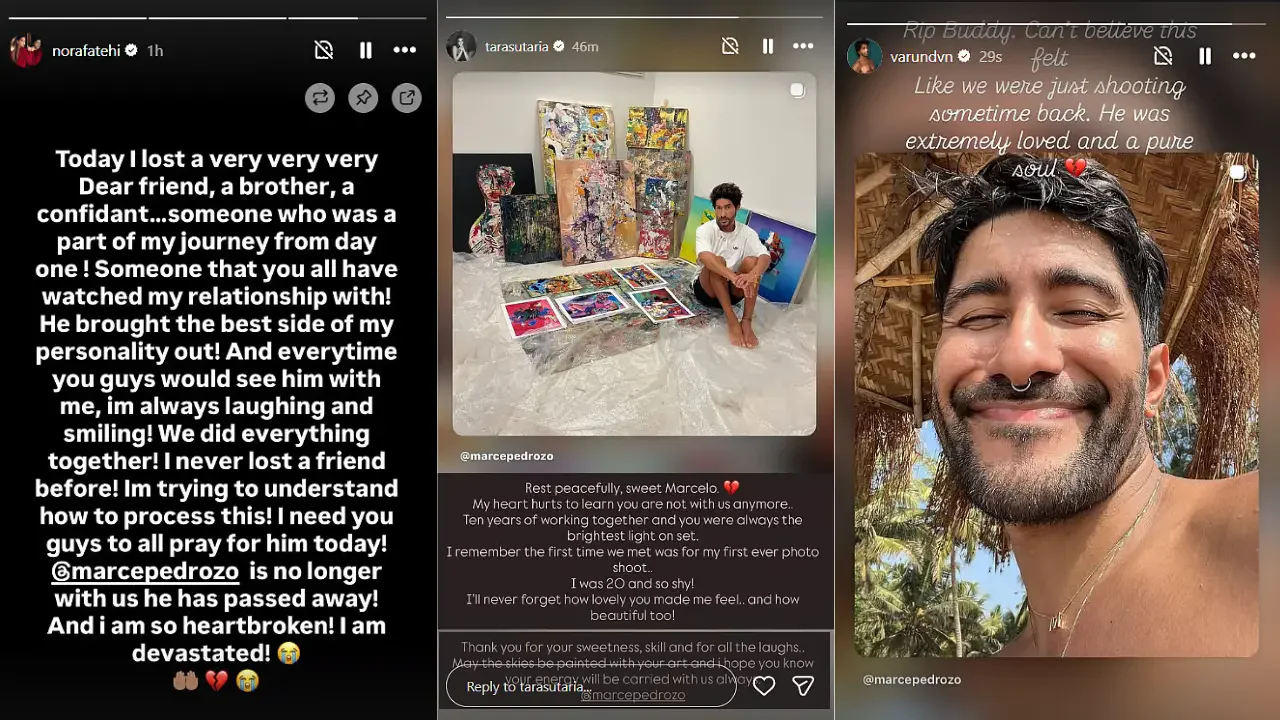
The Indian entertainment industry is reeling from the sudden loss of celebrated hairstylist Marce Pedrozo. Varun Dhawan, Janhvi Kapoor, Nora Fatehi, and Tara Sutaria lead heartfelt tributes, remembering his artistry and warmth.
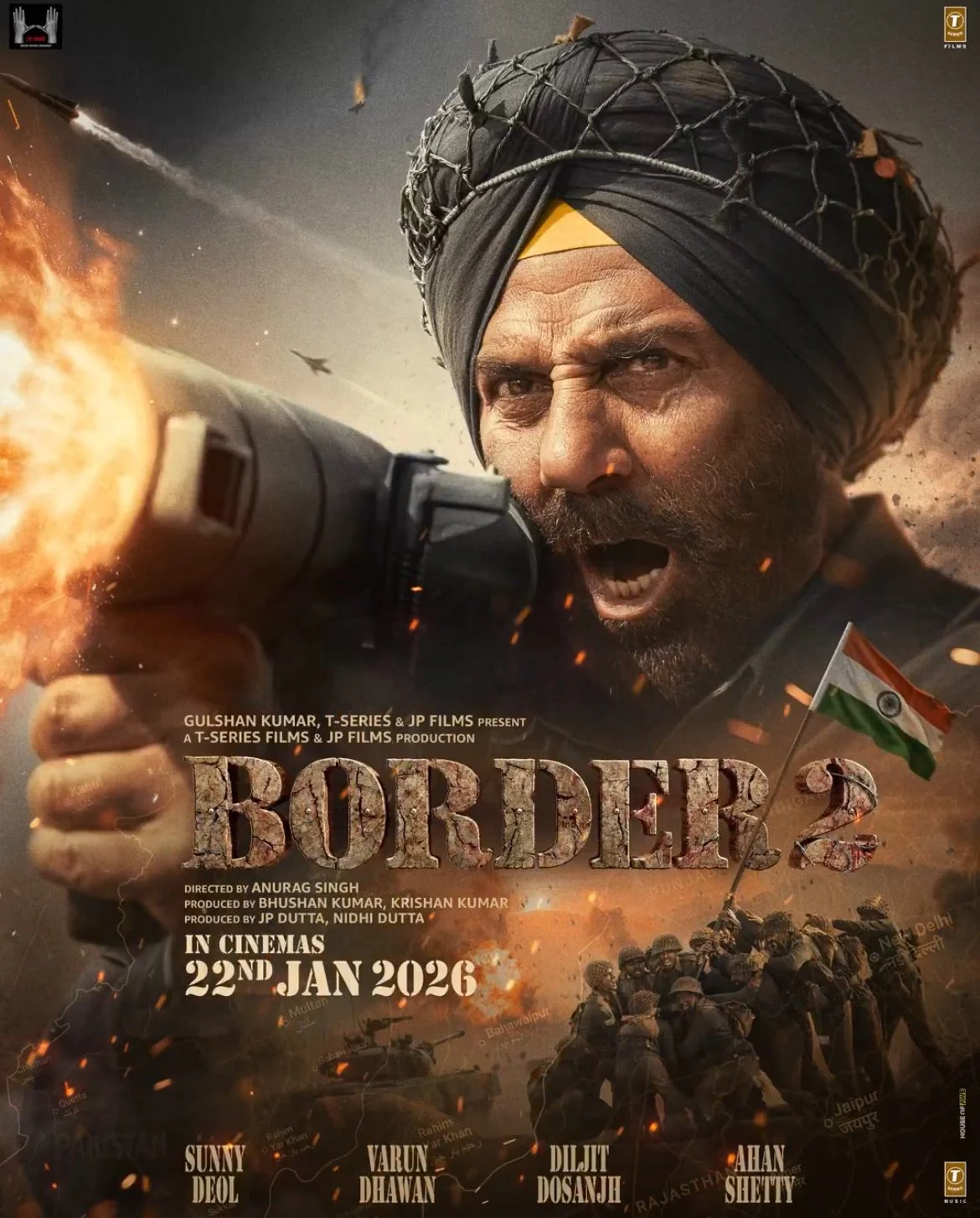
Border 2 starring Sunny Deol, Varun Dhawan, Diljit Dosanjh releases January 23, 2026 for Republic Day weekend. The trailer showcases improved VFX and powerful performances in this sequel to the 1997 classic.
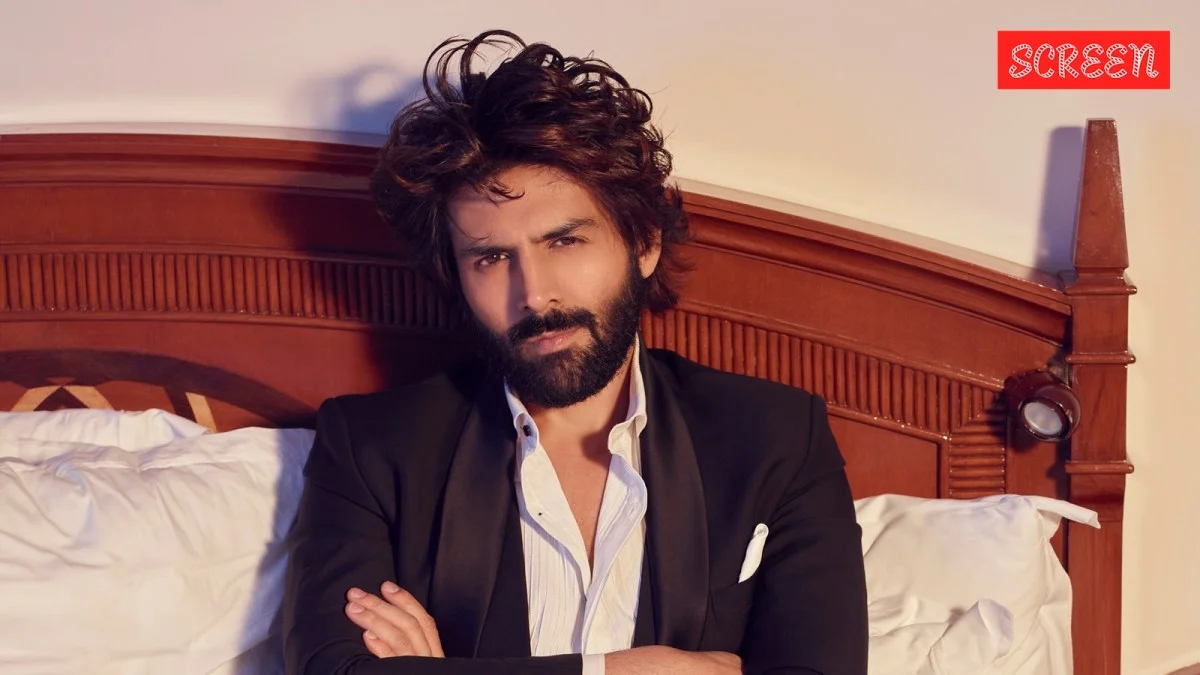
Explore Kartik Aaryan's incredible journey from an industry outsider to one of Bollywood's most bankable stars, detailing his estimated net worth in 2026 and the luxury lifestyle he now commands, as reported by IMDb and other entertainment outlets.