Karan Johar Puts an End to K3G 2 Speculation: Why a Sequel Will Never Happen
Filmmaker Karan Johar definitively states there will be no sequel to his iconic 2001 film Kabhi Khushi Kabhie Gham, citing the preservation of its nostalgic legacy over potential new narratives.

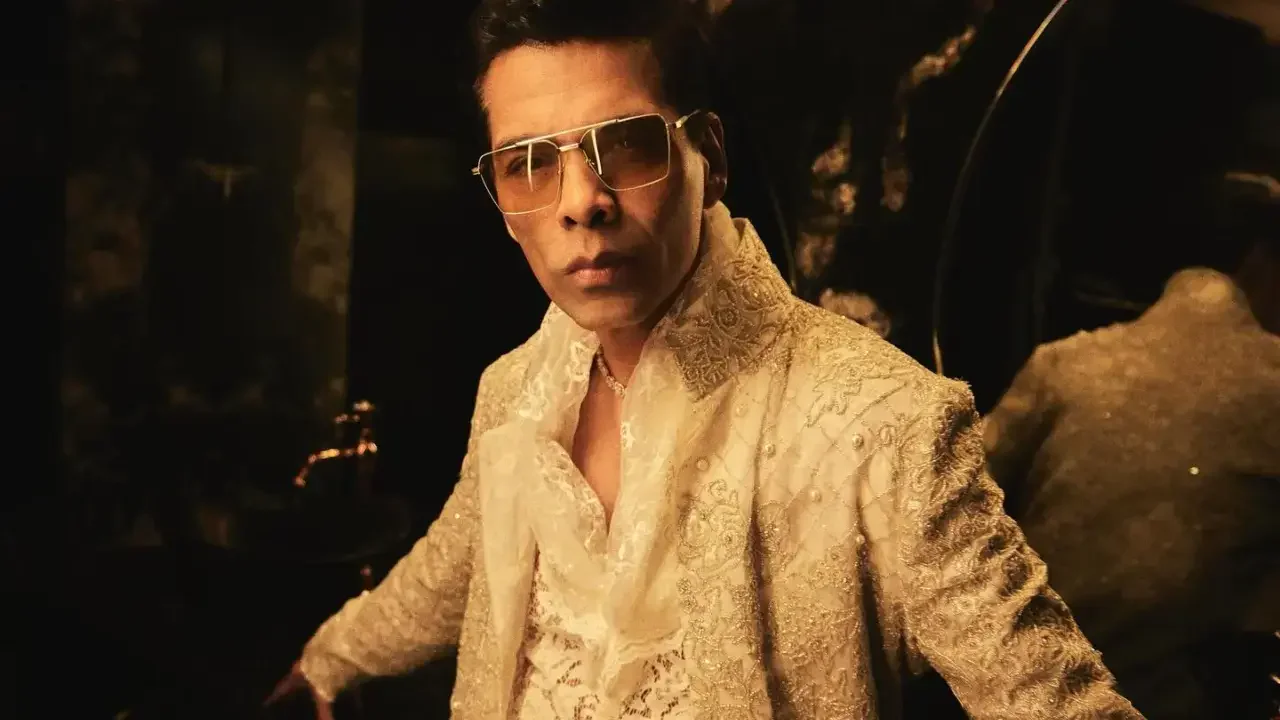
In a definitive statement that has sent ripples through the Bollywood landscape, acclaimed filmmaker Karan Johar has firmly shut down all speculation regarding a sequel to his 2001 magnum opus, Kabhi Khushi Kabhie Gham (K3G). The beloved family drama, which captivated audiences with its stellar ensemble cast and emotionally charged narrative, will not be revisited, according to Johar himself. This declaration, made during an interview on 'The Right Angle with Sonal Kalra, Season 3,' underscores his commitment to preserving the film's cult status and the deep emotional connection it holds for generations of viewers.
The Enduring Legacy of Kabhi Khushi Kabhie Gham
First released in 2001, Kabhi Khushi Kabhie Gham quickly ascended to iconic status within Indian cinema. The film boasted a breathtaking cast, featuring industry stalwarts like Amitabh Bachchan, Jaya Bachchan, and Shah Rukh Khan, alongside Kajol, Hrithik Roshan, and Kareena Kapoor Khan. Its narrative, revolving around a wealthy family fractured by differences and ultimately reunited through unwavering love, resonated deeply with audiences, exploring universal themes of relationships, values, and reconciliation across generations. Beyond its lead actors, the film also showcased established supporting artists such as Farida Jalal, Sushma Seth, Alok Nath, and Johnny Lever, with a special appearance by Rani Mukerji. Over two decades later, K3G continues to hold a significant place in pop culture, celebrated for its grand storytelling, memorable soundtrack, and poignant emotional moments. It is this enduring legacy and profound nostalgic value that Johar is adamantly protecting, as detailed by Bollywood Hungama.
Karan Johar’s Unequivocal Stance on K3G 2
Addressing the persistent rumors of a sequel, Karan Johar unequivocally stated, “I am glad that I have this platform and I am glad I am chatting with you to say that there is no Kabhi Khushi Kabhie Gham 2.” His decision stems not from a lack of creativity, but from a profound respect for the film's established place in cinematic history and the hearts of its fans. Johar elaborated on his reasoning, explaining, “I would never make a K3G 2… what K3G has in abundance is nostalgia. There are generations that have grown up watching the film, for what they loved, what they didn’t, what they cried about. I am very grateful to the universe that I got to make a film that still lives on.” This sentiment highlights the delicate balance between revisiting beloved stories and risking the tarnishing of their original magic. He emphasized that revisiting such a celebrated project could potentially detract from its enduring legacy, stating, “I would never mess with that nostalgia and the love, it has,” as reported by Bollywood Hungama. His words suggest a deep understanding of the audience's attachment to the film's original form and a desire to let that memory remain untainted by a potential, and likely impossible, replication of its initial success.
Analysis: The Unspoken Pressures of Building on a Cult Classic
Karan Johar's decision to not pursue a sequel to Kabhi Khushi Kabhie Gham is far more than a simple announcement; it reflects a growing maturity and a pragmatic understanding within the Indian film industry regarding the delicate balance between commerce and artistic integrity, especially concerning beloved classics. In an era where reboots, remakes, and sequels are increasingly common across global cinema, driven often by financial motivations and a desperate attempt to capitalize on established intellectual property, Johar's stance is a refreshing counter-narrative. The pressure to recreate the magic of a film like K3G, with its unparalleled star power, intricate family dynamics, and a soundtrack that became synonymous with an era, would be immense. Any follow-up would inevitably face overwhelming critical and audience scrutiny, constantly compared to the original, and likely fall short. This move by Johar also subtly acknowledges that certain films achieve a cultural resonance that transcends their initial box office success – they become benchmarks, almost sacrosanct. Attempting to force a new narrative onto such a foundation might not only dilute the original's charm but also disappoint a loyal fanbase whose memories of K3G are deeply personal and emotional. It's a strategic withdrawal, preserving the legacy rather than risking its erosion for short-term gain, a lesson other filmmakers might do well to heed.
Contrasting Industry Trends: From Copyright Battles to Revolutionary Storytelling
While Karan Johar opts to preserve a classic, the broader Bollywood landscape showcases a dynamic interplay of challenges and innovations. The industry frequently grapples with legal complexities, as evidenced by the recent Supreme Court ruling in favor of filmmaker Sujoy Ghosh. The court quashed a copyright infringement case against Ghosh regarding his 2016 film Kahaani 2: Durga Rani Singh, calling the allegations "baseless." This decision, reported by Bollywood Hungama, offers significant relief to Ghosh, highlighting the judiciary's role in protecting creative works from frivolous litigation. The Supreme Court found the complaint lacked substance, particularly noting that Ghosh's script was registered prior to the complainant’s and that no material evidence of similarity was presented, underscoring the need to safeguard artists from misuses of legal processes.
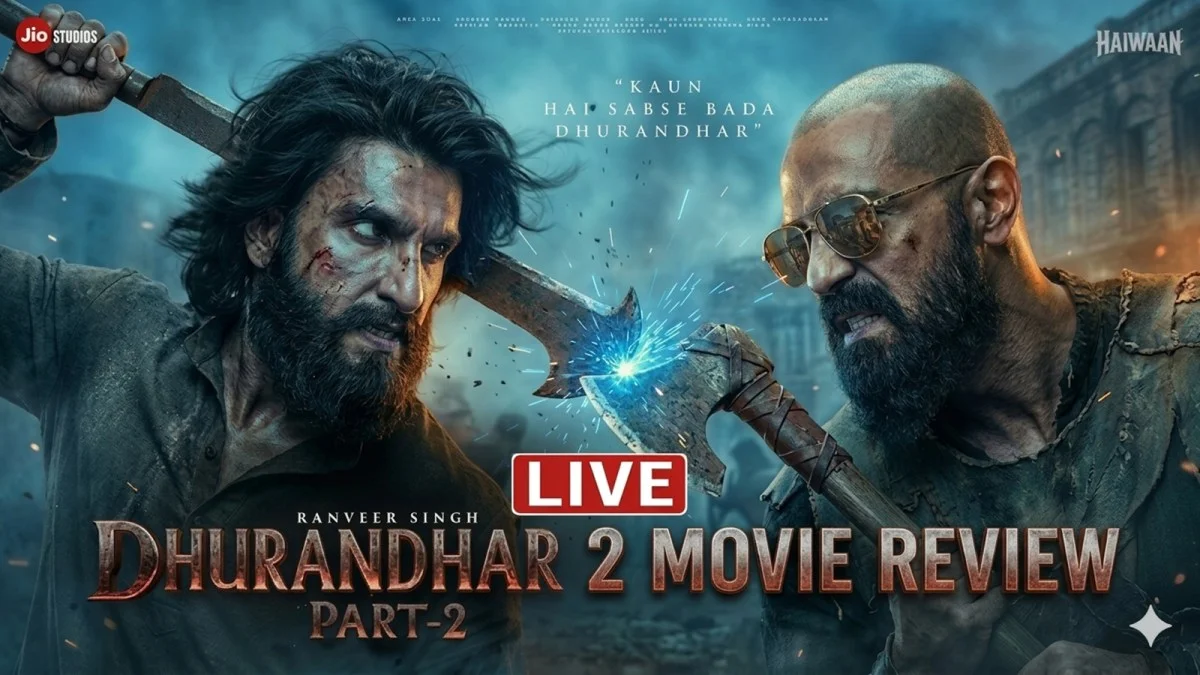
Conversely, the industry is also witnessing a "revolution in storytelling," as described by veteran filmmaker Rakesh Roshan. Roshan recently lauded Aditya Dhar's film Dhurandhar The Revenge, stating it has ushered in a "new era in filmmaking." His enthusiastic praise, shared on Instagram, acknowledged Dhar's vision, passion, and audacity, and urged fellow filmmakers to take motivation from its success. Roshan’s generous commendation, noted by Bollywood Hungama, stands out in an industry often marked by guarded compliments. Dhurandhar The Revenge, starring Ranveer Singh and Sanjay Dutt, has achieved sensational box office figures, including a staggering Rs. 40 crores in paid previews and Rs. 75 crores on its full-fledged release day, further cementing its status as a cinematic event. These contrasting events—a legal vindication, a preservation strategy, and a celebration of new-age filmmaking—illustrate the multifaceted and ever-evolving nature of contemporary Bollywood, where both heritage and innovation fiercely compete for attention.
Looking Ahead: Upholding Legacy in a Changing Industry
Karan Johar's firm stance on Kabhi Khushi Kabhie Gham 2 sets an important precedent within the Indian film industry. In an age dominated by remakes and franchise extensions, his decision emphasizes the value of preserving a film's original integrity and the power of its nostalgic appeal. While future projects from Dharma Productions will undoubtedly continue to push creative boundaries, as hinted by Johar's playful remarks on other upcoming films like Brahmastra Part 2, his commitment to K3G's legacy suggests a growing awareness of the cultural weight carried by certain cinematic achievements. This approach could influence other filmmakers to carefully consider the long-term impact of revisiting beloved classics, encouraging a more thoughtful balance between commercial viability and artistic preservation. Ultimately, Johar's announcement ensures that Kabhi Khushi Kabhie Gham will continue to live on in its original, cherished form, a testament to its timeless charm and emotional power.
Related Articles
California Sues Trump for Revoking EPA Climate Finding, Citing Public Health Betrayal
California is suing Donald Trump over the repeal of the EPA's Endangerment Finding, calling it an illegal act that prioritizes polluter profits over American lives and public health protections.