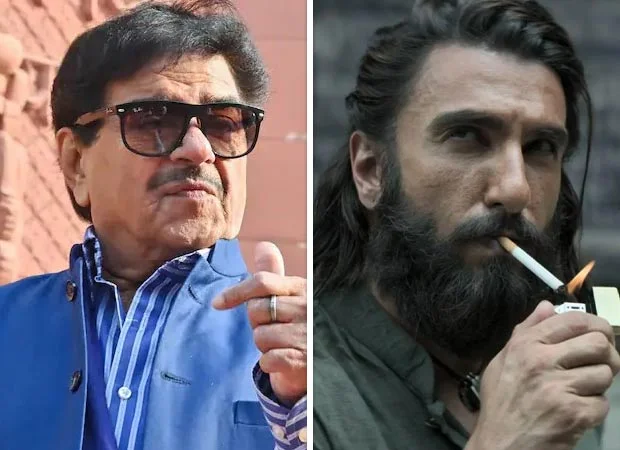
Veteran actor and politician Shatrughan Sinha has entered the heated debate surrounding Dhurandhar 2, dismissing claims of it being propaganda and hailing director Aditya Dhar as a 'role model'. This comes as Pakistani politician Nabil Gabol vows to make his own film to counter his alleged portrayal.
Veteran actor and prominent politician Shatrughan Sinha has publicly defended the blockbuster film "Dhurandhar 2: The Revenge," pushing back against growing criticisms that label the movie as propaganda. Despite admitting he hasn't yet seen the sequel, Sinha dismissed these allegations, asserting that "a film is a film — it has entertainment, it has grip," a stance that resonates across Bollywood’s creative landscape. His pronouncements come amidst the film’s phenomenal box office success, which has already surpassed the ₹1,000 crore mark globally, and a simmering political controversy, particularly regarding its depiction of Pakistani characters.
The "Dhurandhar" film series, starring Ranveer Singh as an Indian spy, has captivated audiences with its action-packed narrative infiltrating the gangs of Lyari in Pakistan. The first installment was a significant success, garnering critical appreciation from many, including Shatrughan Sinha himself, who told News18 that he "really liked" it and even tweeted about it. The sequel, "Dhurandhar 2: The Revenge," has not only continued this box office dominance but has amplified the political discourse surrounding its themes. This isn't a new phenomenon in Indian cinema; films with nationalistic undertones often spark debate, but "Dhurandhar 2" appears to have struck a particularly raw nerve, especially across the border. Historically, Bollywood has often been a canvas for storytelling that sometimes intertwines with geopolitical narratives, making it a powerful medium capable of influencing public perception and igniting conversations that transcend entertainment.
Shatrughan Sinha's recent comments have added significant weight to the ongoing debate. Speaking on the claims surrounding the film’s narrative, Sinha unequivocally stated, “I haven’t seen Dhurandhar 2, but I have seen Dhurandhar 1, and I really liked the film. I even tweeted about it.” He further elaborated, “I’ve read those claims, but I wouldn’t call it propaganda. A film is a film — it has entertainment, it has grip.” This firm dismissal of the propaganda label positions Sinha as a defender of artistic freedom in cinema, suggesting that films should primarily be judged on their entertainment value and cinematic quality rather than their perceived political messages. Intriguingly, Sinha also heaped praise on the director, Aditya Dhar, calling him a "role model" filmmaker. "Such a fine director, such a well-made film — we haven’t seen such engaging cinema in a long time," he remarked, underscoring his admiration for Dhar's craft. When pressed about critics of "Dhurandhar 2", Sinha maintained his signature style, stating he would reserve his full opinion until he had watched the film, famously adding, “If you want me to say ‘Khamosh,’ I won’t say it right now. I’ll say it after watching the film.” The Times of India reports his firm stance on the first film's praise, "No, no — I’ve already praised Dhurandhar 1. Once I’ve praised it, that’s the end of the matter.”
Meanwhile, the controversy has found a vocal opponent in Pakistani politician Nabil Gabol, who believes a character in "Dhurandhar 2" is directly based on him and alleges "lies" are being propagated. Gabol, miffed by online trolling, claimed the character of Jameel Jamali (played by Rakesh Bedi) is based on him, citing his past role as the MNA of Lyari. Expressing strong displeasure, Gabol retorted, "The truth is that they cannot fight Pakistan or the Pakistani Army, so they created a movie instead." He further accused the filmmakers of using a comedian to portray his character and twist the narrative, especially regarding a plot twist revealing Jameel as a R&AW officer. In an interview with a content creator, Gabol expressed his intention to counter this portrayal by making his own film, a "Dhurandhar 3" which he would title "Lyari Ka Gabbar." This isn't his first public criticism; last year, after the first "Dhurandhar" film, Gabol expressed displeasure at his alleged portrayal then as well, though he admitted he lacked the funds to take the matter to an international forum, as Hindustan Times reported.
Shatrughan Sinha's intervention in the "Dhurandhar 2" debate highlights a recurring tension in contemporary Indian cinema: the increasingly blurred line between artistic expression and political messaging. His insistence that "a film is a film, not propaganda" attempts to reclaim the artistic space from overtly political readings, a sentiment often echoed by filmmakers grappling with intense scrutiny. However, in an era of heightened nationalistic fervor and cross-border tensions, any film touching upon geopolitics, especially India-Pakistan relations, is almost inevitably drawn into political discourse. The enthusiastic reception of "Dhurandhar 2" at the box office suggests that its narrative, whether intentionally or not, resonates with a significant segment of the audience, often aligning with prevailing national sentiments.
Nabil Gabol's strong reaction, vowing to produce his own film, signifies not just personal affront but also the potential for art to beget counter-art as a form of political and cultural retaliation. This isn't merely about character depiction; it represents a larger battle over narrative control and historical interpretation between nations. When a successful film like "Dhurandhar 2" potentially influences global perceptions of a region or its political figures, the stakes become considerably higher than mere entertainment. The financial success of such films, as evidenced by "Dhurandhar 2" crossing the ₹1,000 crore mark, also empowers Bollywood to continue exploring these themes, further solidifying the industry's role as a significant cultural and, at times, political influencer. The intertwining of cinema with national identity, exemplified by stars like Shah Rukh Khan being labeled "national icons" by Sinha, suggests that films are more than just moving pictures; they are cultural artifacts imbued with national pride and often, political undertones.
The involvement of high-profile Bollywood personalities like Shatrughan Sinha, and the context of other major stars, underscores the industry's significant cultural and economic footprint. Sinha himself, a veteran actor turned politician, exemplifies the crossover appeal and influence of these figures. His defense of "Dhurandhar 2" further illustrates how celebrities often navigate a public landscape where their entertainment roles and political leanings can frequently intersect. It's a testament to the cultural fabric of India that film stars hold such sway, not just in cinema, but in public opinion and discourse.
Sinha's praise for Shah Rukh Khan, calling him a "national icon," while expressing his liking for Khan's films (despite not having watched "Pathaan"), reveals the immense public admiration for these figures. This iconic status extends beyond the silver screen into other domains, notably sports. Shah Rukh Khan, for instance, is not just a superstar but also a prominent owner of an Indian Premier League (IPL) team, the Kolkata Knight Riders (KKR), alongside Juhi Chawla, as detailed by Sporting News. Other Bollywood celebrities like Preity Zinta also co-own IPL teams, such as the Punjab Kings. While the number of celebrity owners in the IPL has reportedly reduced over time, the initial intertwining of cricket, entertainment, and business through Bollywood stars created a unique environment where their influence was, and to some extent, still is, palpable. This connection further solidifies the notion that for many, these personalities embody not just entertainment, but a broader sense of national identity and aspirational success, making their opinions on cultural products like "Dhurandhar 2" all the more significant. The commercial success of films like "Dhurandhar 2" indicates the immense power of popular culture and its leading figures to shape public narratives and generate national conversations, for better or worse.
The "Dhurandhar 2" controversy and Shatrughan Sinha's defense are indicative of a larger trend where cinematic narratives are increasingly becoming arenas for geopolitical and cultural battles. As films continue to push boundaries and explore complex, often sensitive, themes, the debate over artistic freedom versus responsible portrayal will only intensify. The box office success of such films signals a public appetite for these stories, which, in turn, could encourage more filmmakers to venture into similar territories, potentially perpetuating the cycle of artistic creation and political reaction. Nabil Gabol's vow to create his own counter-narrative further complicates this landscape, suggesting that the "Dhurandhar" saga might extend beyond the silver screen into a broader cultural dialogue between nations, highlighting the power of media in shaping and contesting perceptions.
The trajectory of future films dealing with sensitive geopolitical subjects will likely be influenced by the reception and controversy surrounding "Dhurandhar 2". Filmmakers might face increased pressure from various stakeholders, from government bodies to public opinion, to either sanitize their narratives or, conversely, to lean into controversial themes for promotional impact. The role of influential figures like Shatrughan Sinha in defending artistic expression will be crucial in carving out spaces for creative liberty. The ongoing interaction between Bollywood's immense cultural impact and its evolving involvement in political discourse will remain a fascinating aspect to observe, as it continues to shape public perception and national identity in innovative and sometimes contentious ways. The impact of such films on diplomatic relations and cross-border sentiments will also warrant close attention, as cinema moves beyond pure entertainment to become a significant player in the broader geopolitical arena.
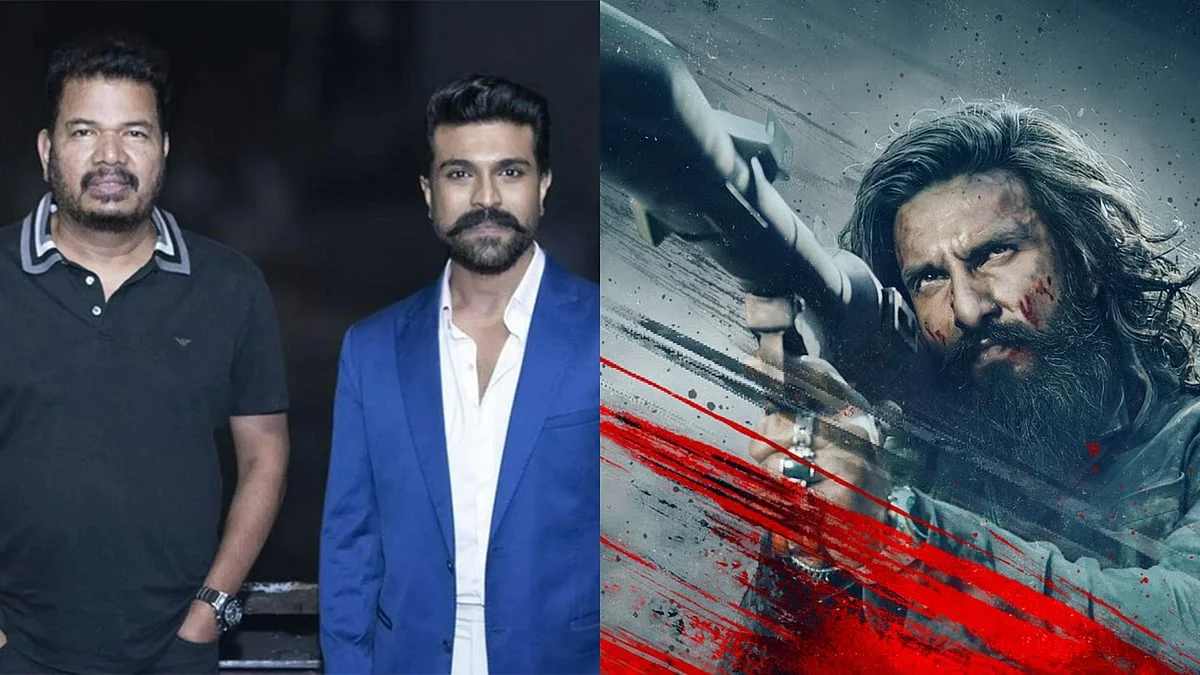
Tollywood stalwarts Ram Charan and Jr NTR have showered praise on Aditya Dhar's latest action-drama, 'Dhurandhar: The Revenge,' highlighting its storytelling, performances, and scale, sparking significant industry discussion. Director Dhar responded with heartfelt appreciation.
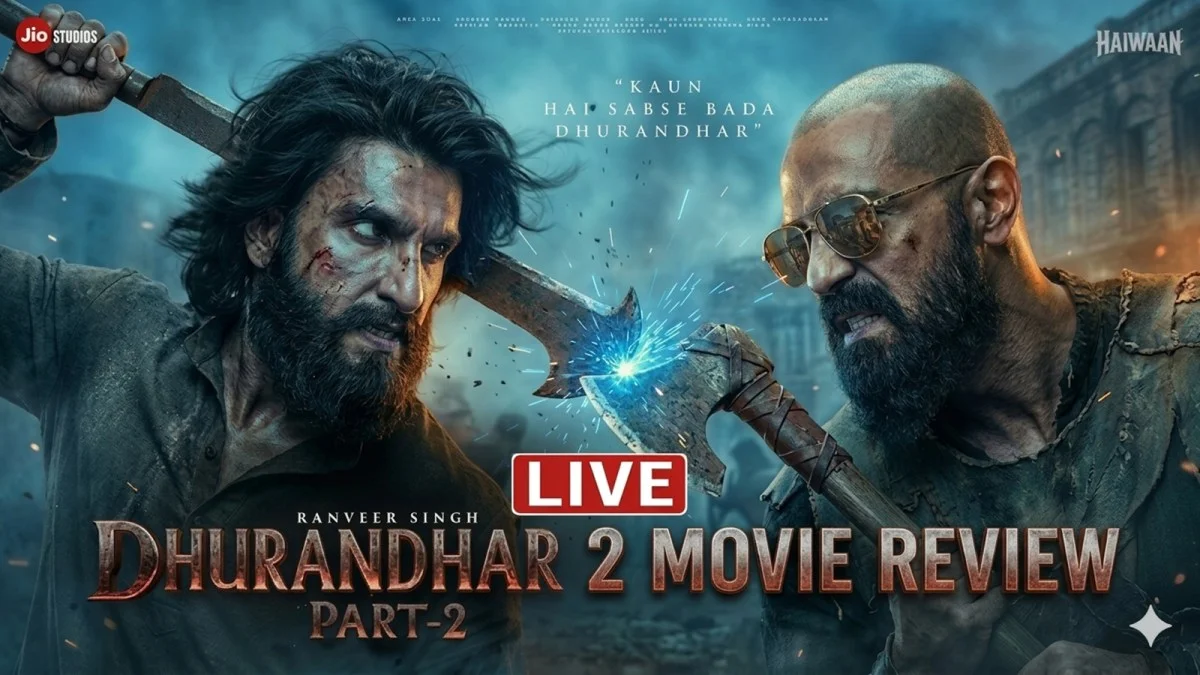
Allu Arjun and Vijay Deverakonda praise Aditya Dhar's 'Dhurandhar The Revenge' as it opens to positive reception, highlighting its patriotic themes, Ranveer Singh's performance, and potential for widespread influence.
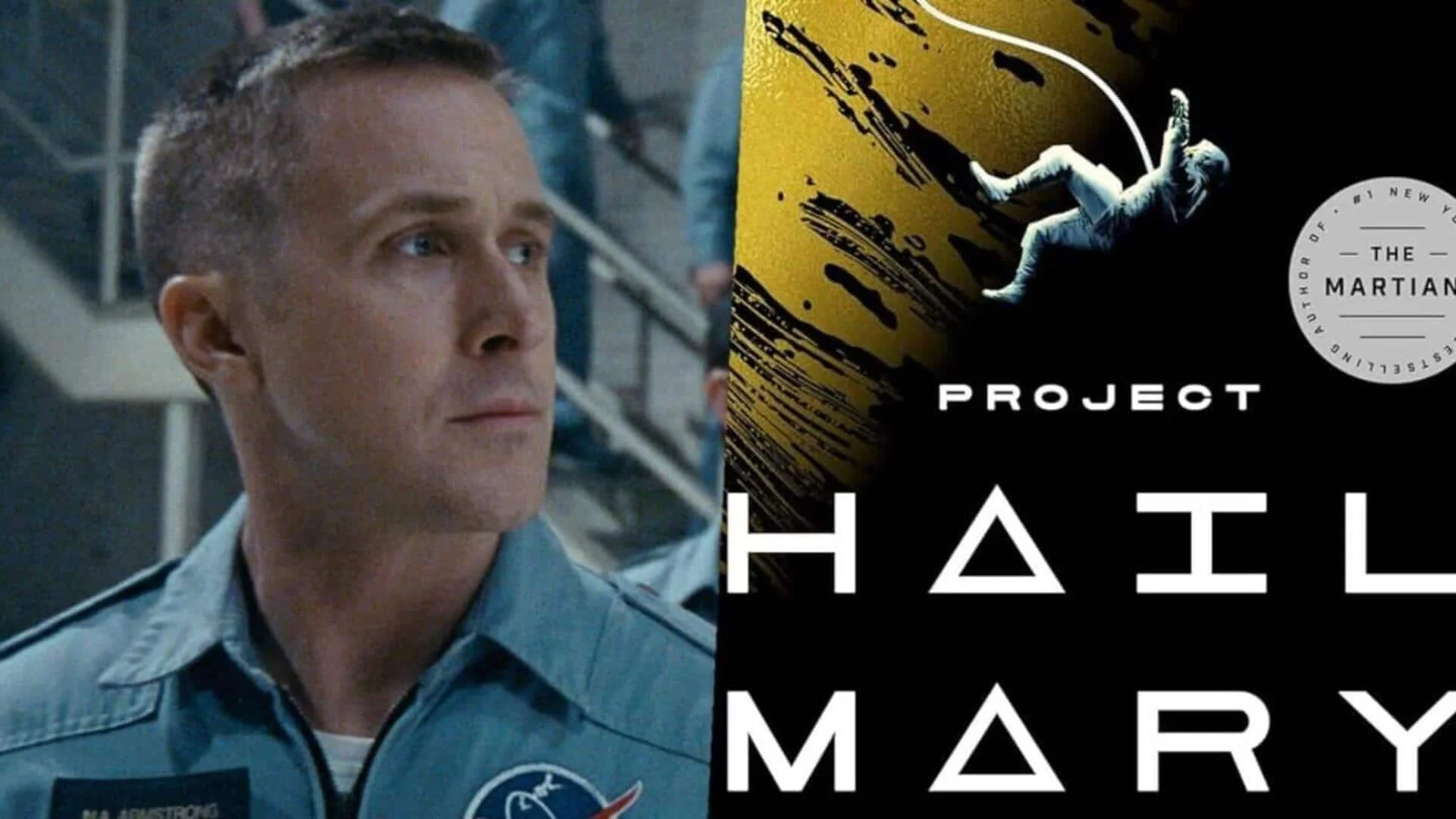
Hollywood sci-fi epic 'Project Hail Mary' starring Ryan Gosling pushes its India release to April 3, 2026, to avoid box office clash with major Indian films Dhurandhar 2 and Toxic, ensuring better screen availability.