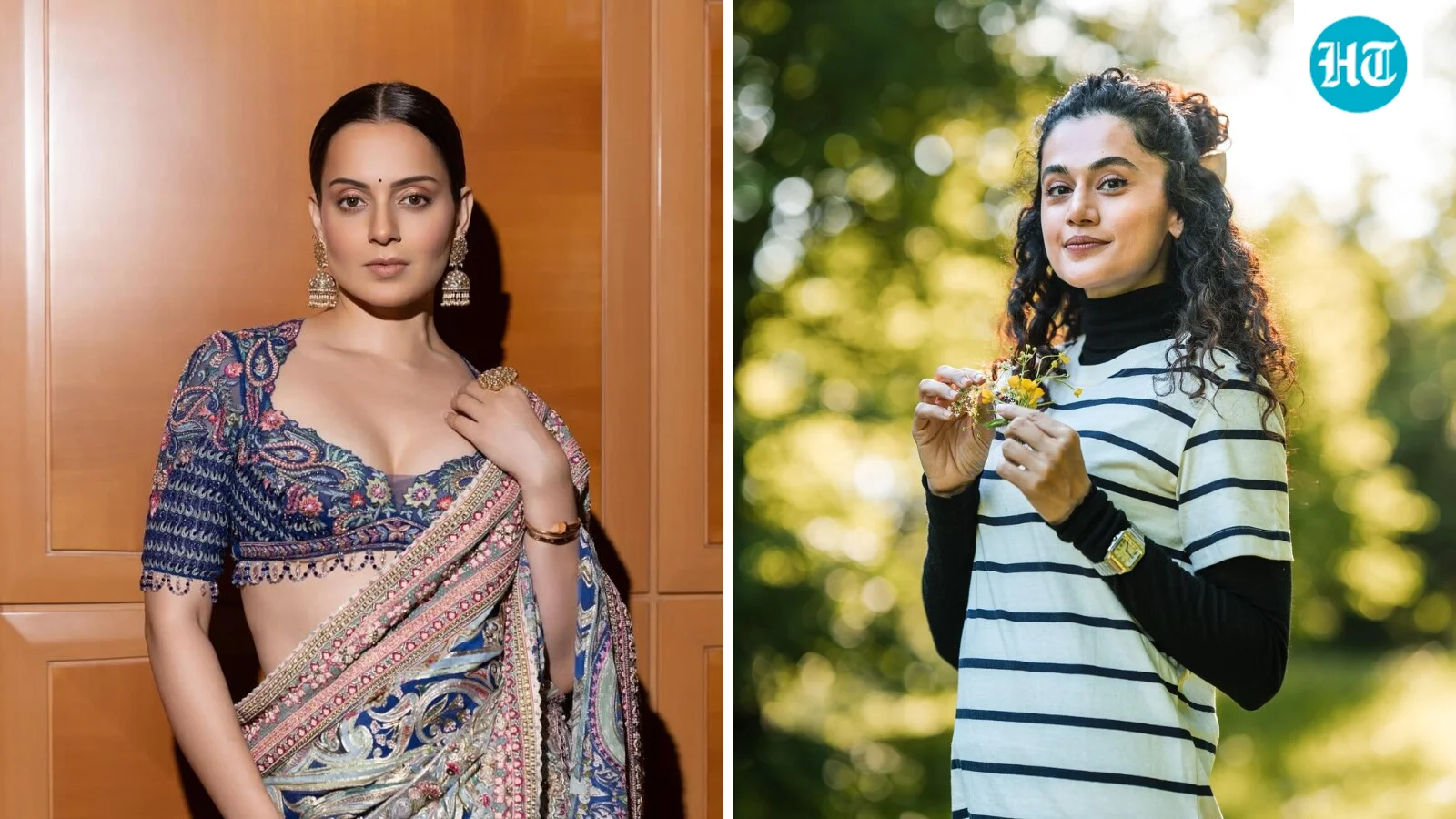
Taapsee Pannu asserts there was no "clash" with Kangana Ranaut, suggesting media amplification of their perceived rivalry benefited others within Bollywood. Her comments offer insight into industry dynamics.
Bollywood actor Taapsee Pannu has candidly addressed the persistent public perception of a long-standing feud with fellow actor and Member of Parliament, Kangana Ranaut. Pannu, currently promoting her upcoming courtroom drama Assi, dismissed the notion of an active conflict, stating unequivocally that she "never clashed" with Ranaut. Her comments, made during a recent podcast appearance, offer a rare glimpse into how celebrity rivalries are often constructed and sustained by media narratives, and her belief that "someone must have benefited in some way" from the amplified discourse around their supposed disagreements.
The alleged animosity between Taapsee Pannu and Kangana Ranaut largely gained traction and intensified during the fervent "nepotism" debate that periodically engulfs Bollywood. Both actors, having carved out successful careers without generational ties to the industry, were frequently seen by the public and media as 'outsiders.' However, instead of a united front, they were often positioned on opposing sides of the discourse, their individual comments and opinions frequently interpreted as digs or counter-arguments against each other. This public framing, according to Pannu, created a narrative of conflict where none truly existed on her part. "I don’t know when I ever fought," she remarked, highlighting the unilateral nature of the alleged 'clash' from her perspective, as reported by Bollywood Hungama. This positioning by external forces rather than internal friction sets the stage for a critical examination of how media engagement shapes public perception of celebrities.
Pannu’s recent statements are a direct challenge to years of media speculation and public discussion surrounding her relationship with Kangana Ranaut. Her assertion, "A fight happens when two people clash. I never clashed," clearly delineates her position. It suggests that while there might have been a one-sided narrative or even direct commentary from one party, it was never reciprocated by her in a confrontational manner sufficient to constitute an actual 'fight.' This distinction is crucial, as it shifts the responsibility for the perceived feud away from the actors themselves and onto the channels that amplified their interactions. When questioned about whether this public back-and-forth might have inadvertently benefited others within the industry, perhaps even "star kids or insiders," Pannu's response was telling: "I don’t know about them, but someone or the other must have benefited in some way." This observation from Bollywood Hungama hints at the strategic nature of media narratives, where controversies, even perceived ones, can divert attention, influence public opinion, and potentially serve various unseen agendas within the competitive landscape of the film industry.
Taapsee Pannu's recent reflection highlights a significant aspect of contemporary celebrity culture: the media's powerful role in constructing and perpetuating narratives, sometimes to the detriment of the individuals involved. The concept of a "media-fuelled feud" speaks volumes about how clicks, engagement, and dramatic headlines can supersede factual accuracy or the actual sentiments of the personalities. This is not unique to Bollywood; manufactured rivalries are a common trope across global entertainment industries, often simplifying complex industry dynamics into digestible, sensationalist packages for public consumption. While such narratives can boost immediate visibility for publications, they also risk fostering a cynical view of celebrity interactions and potentially damaging careers or personal relationships. Pannu's speculation that "someone must have benefited" from the narrative underscores a deeper, more cynical truth about how media operates – controversies can be profitable, not just for the reporting outlets, but also for unforeseen third parties who might gain from the distraction or redirection of public attention. This could range from diverting criticism from established figures to inadvertently promoting certain talent by positioning them against others, essentially leveraging an emotional narrative for strategic gains within a highly competitive industry.
Moreover, Pannu’s openness to being friends, stating "I am open to being friends," signals a desire to move beyond these old, perhaps artificially created, narratives. This demonstrates a maturity and a focus on professional growth over sustained animosity, echoing her consistent emphasis on choosing strong scripts and evolving her craft. In an industry where public perception is paramount, clarity on such matters allows an actor to control their narrative and focus on their work. This contrasts sharply with the calculated cultural diplomacy seen, for instance, in French President Emmanuel Macron's recent India visit, detailed by Gulf News, where specific cultural references like the Dhurandhar soundtrack were strategically deployed to connect with the Indian populace. While Macron's team meticulously crafted an image of cultural awareness and warmth, Pannu is actively dismantling a narrative that was, in her view, externally imposed, demonstrating a different form of engagement with public perception.
Beyond the personal implications of a perceived feud, Pannu's comments shine a light on the broader challenges faced by 'outsiders' in Bollywood. Both she and Ranaut, despite their significant successes, have often been at the epicenter of discussions concerning nepotism and favoritism. While Ranaut has been an outspoken critic of industry stalwarts, often naming figures, Pannu has typically maintained a more measured stance, focusing on her work. Her latest statements reinforce this approach, emphasizing her commitment to "choosing strong scripts and continuing to grow professionally" as her primary focus. This dedication to craft over controversy aligns with her career trajectory, marked by diverse roles and critically acclaimed performances. The mention of her upcoming courtroom drama Assi, for which she was doing promotional interviews when these comments surfaced, underscores her continued professional momentum, as highlighted by Bollywood Hungama.
In a related vein of industry collaboration and acknowledgments, recent news regarding filmmaker Anurag Kashyap's film Kennedy offers an interesting juxtaposition. Kashyap revealed that actors like Vijay Sethupathi and lyricist Javed Akhtar were given 'Special Thanks' credits not for starring roles, but for their indirect contributions – Sethupathi for editing suggestions and Akhtar for a dialogue that was ultimately edited out. This detail, brought to light by Bollywood Hungama, illustrates the subtle yet interconnected web of relationships and influences within the film industry, often hidden from public view. While Kashyap publicly acknowledges those who contributed, even in small ways, Pannu is highlighting how public narratives of conflict can be built on far more tenuous grounds, driven by external interpretations rather than genuine internal rifts.
Taapsee Pannu’s recent comments serve as a significant moment in her public narrative, signaling a conscious effort to redefine her relationship with a long-standing, media-driven controversy. By unequivocally stating there was no active clash, she attempts to disarm the narrative and reclaim control over her public image. This move may pave the way for a more focused public discourse around her professional achievements rather than personal rivalries. For the industry, her observations about "someone must have benefited" from such feuds could prompt a more critical examination of how celebrity interactions are reported and consumed. Moving forward, it will be interesting to observe if this statement leads to a cessation of the Kangana-Taapsee feud narrative or if the media machine continues to perpetuate it. Pannu's commitment to "strong scripts" and continued growth remains unwavering, suggesting her focus will remain on her craft, allowing her work to speak for itself beyond the noise of manufactured conflicts.
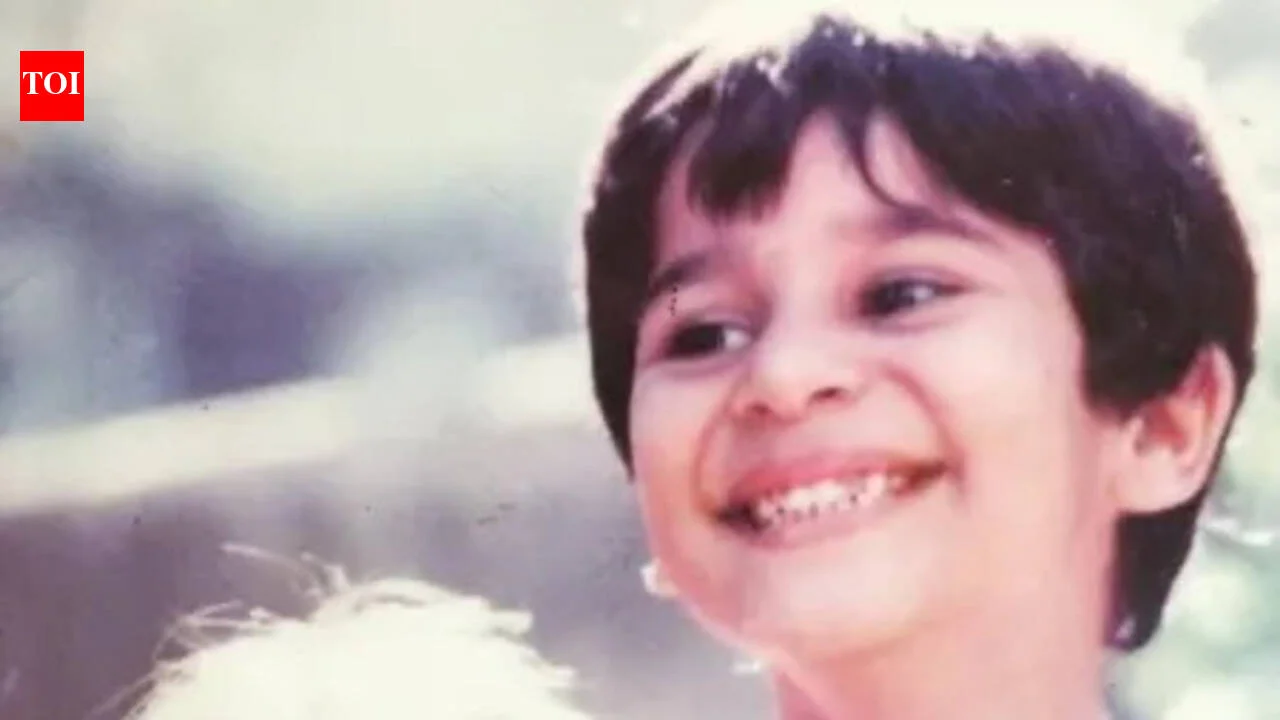
Star comedian Krushna Abhishek celebrated his sister Arti Singh's 41st birthday with a nostalgic social media post featuring childhood throwbacks and a humorous, loving message.
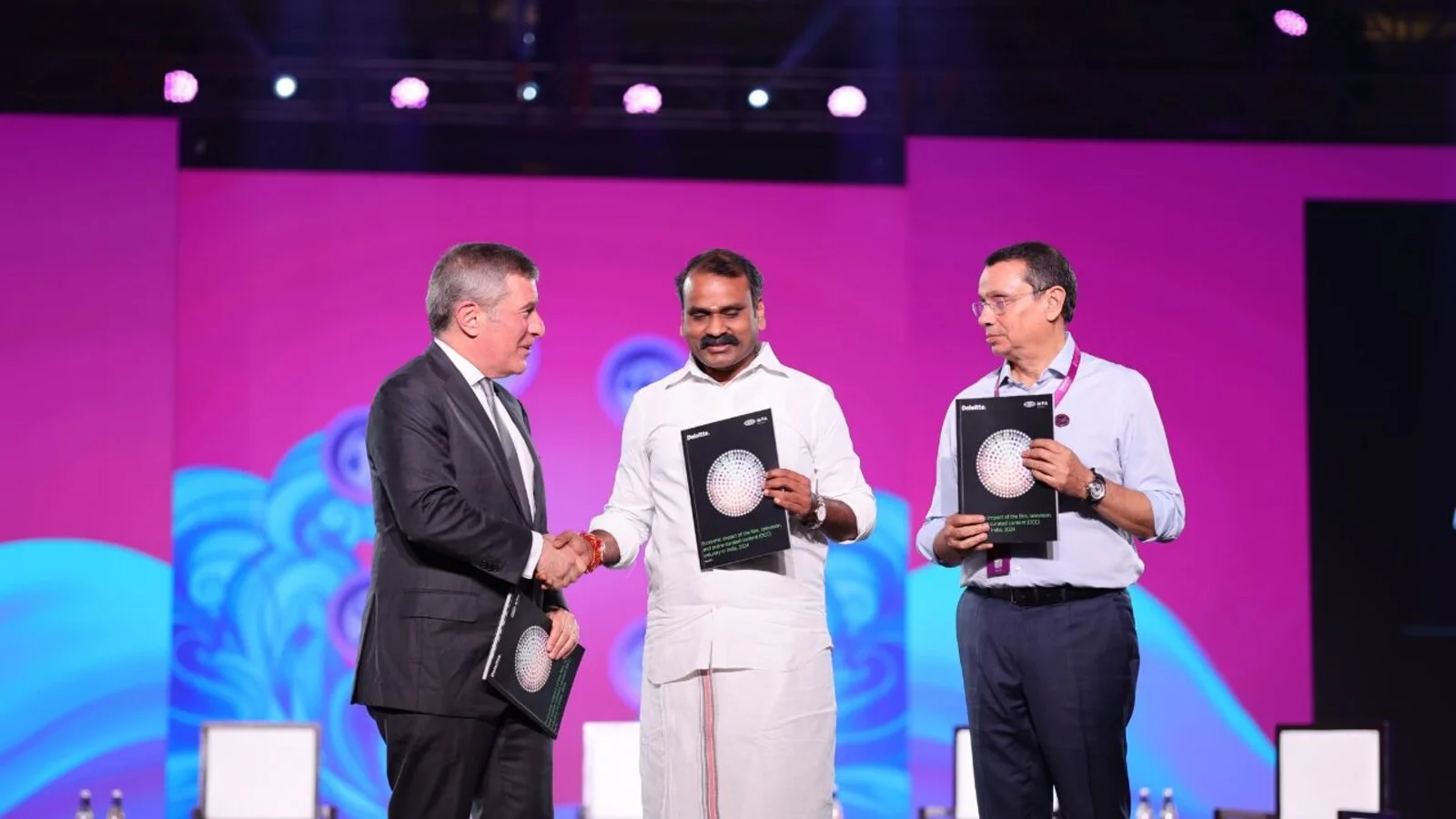
The Indian Media and Entertainment sector hit a monumental $29.6 billion in 2025, with filmed entertainment achieving a record $2.18 billion, led by the blockbuster success of 'Dhurandhar' and a flourishing regional film market.
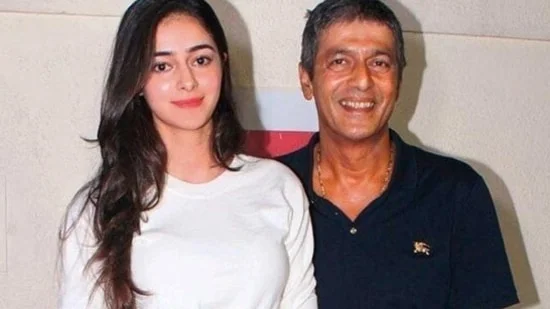
Ananya Panday expresses immense pride as father Chunky Panday flawlessly revives his 90s heartthrob image in a viral social media trend, sparking widespread nostalgia and celebrity reactions.