Vivek Oberoi Hails UAE Leadership, Emirates Amidst Regional Tensions, Moved to Tears
Bollywood actor Vivek Oberoi expresses profound gratitude for UAE leadership and Emirates crew following heightened Israel-Iran tensions, detailing emotional flight experience.

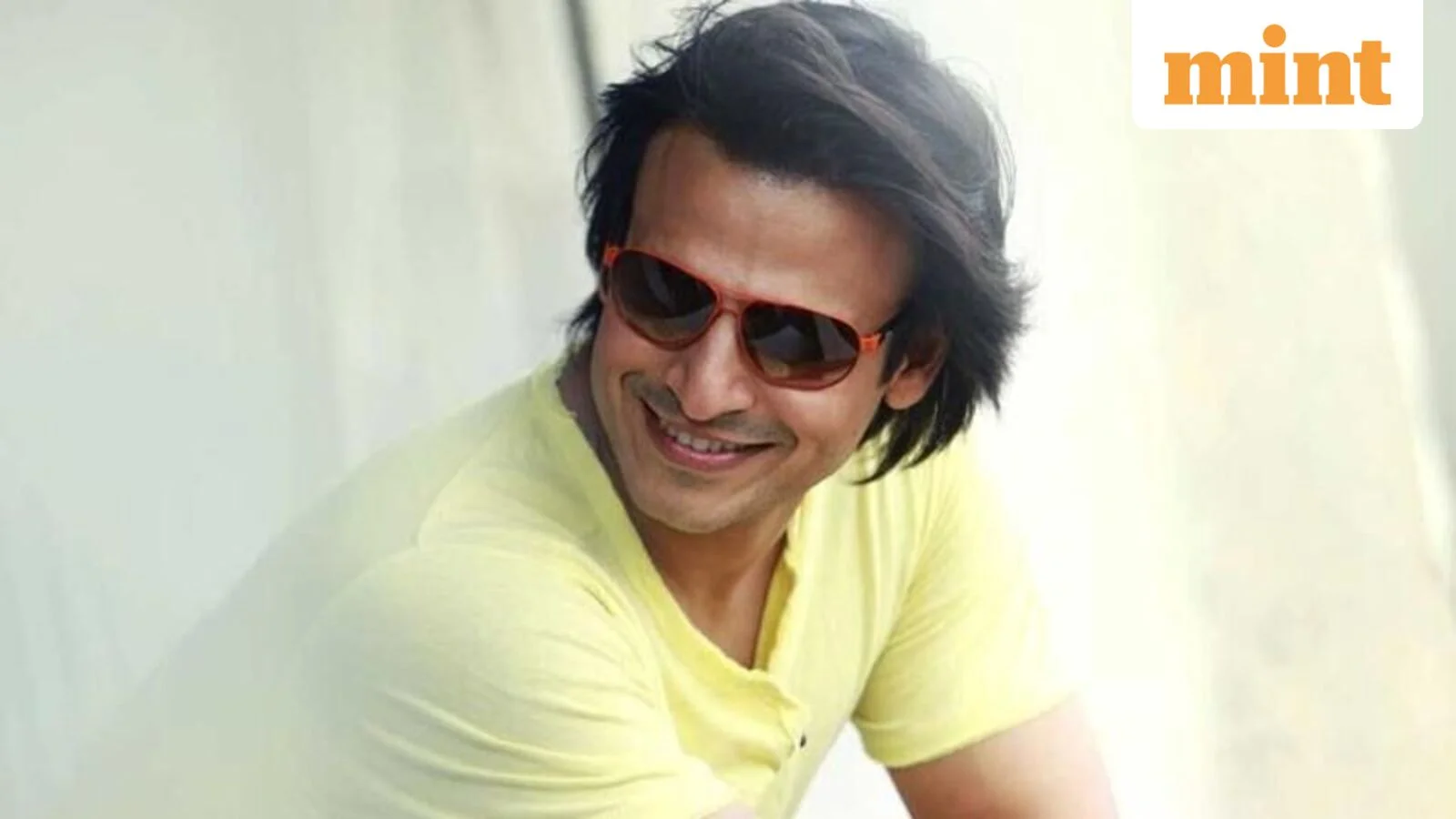
Bollywood actor Vivek Oberoi has publicly lauded the leadership of the United Arab Emirates and the crew of Emirates airlines for their perceived steadfastness and calming presence during the recent period of heightened geopolitical tensions in the Middle East, specifically referencing the Israel-Iran conflict. The actor, sharing his personal experience of returning to Dubai amidst the uncertainty, conveyed profound emotional gratitude, stating he was "moved to tears" by the collective sense of relief and the visible efforts to maintain normalcy. His sentiments echo those of fellow Bollywood personality Lara Dutta and highlight a growing trend among public figures to acknowledge the stability provided by the UAE government in a volatile regional climate, as reported by Bollywood Hungama.
Background and Context of Regional Tensions
The praise from figures like Oberoi comes at a time when the Middle East is navigating a particularly delicate geopolitical landscape. The recent flare-up between Israel and Iran, characterized by direct reciprocal military actions, has significantly heightened anxieties across the region and globally. While the full scope of the conflict’s immediate and long-term implications remains uncertain, it has invariably cast a shadow over daily life and international travel, especially in hubs like Dubai. Flights have been rerouted, travel advisories issued, and residents have felt a palpable shift in the atmosphere. For expatriates and international residents, a substantial demographic in the UAE, such developments are particularly concerning, as they often have family members both within the region and abroad. The notion of 'home' for individuals like Oberoi, who cited having over 200 nationalities living in the UAE, becomes complex during such times, creating a deeper sense of vulnerability and a greater appreciation for stability from governing bodies and essential services.
Key Developments and Oberoi's Experience
Vivek Oberoi took to Instagram to share a video and a detailed note, expressing his "deepest gratitude to the UAE leadership, the frontline heroes, and the wings of @emirates for their incredible guardianship." His message underscored the unique position of the UAE as home to a diverse international population. He recounted the personal anxiety he felt, stating that as geopolitical tensions grew, "the distance between where I was and where my family waited felt heavier than ever." Upon his return to Dubai, Oberoi observed a shared sense of unease among fellow passengers on his Emirates flight, noting that "every person on that Emirates plane had a silent story in their eyes." He specifically commended the Emirates crew for their professionalism, stating, "Hats off to the Emirates crew for maintaining the calm and taking care of everyone with a smile despite their own fears." The emotional impact of his journey culminated upon landing: "The moment we touched down, the atmosphere shifted from silent anxiety to a collective surge of relief." He described seeing families reunite in the terminal, which moved him to tears, stating, "I couldn't help but be moved to tears as I saw daughters throwing themselves into the parents' arms and fathers finally lifting their little ones into the air." This vivid description, as reported by Bollywood Hungama, paints a picture of collective relief and the psychological toll of regional instability. Oberoi further praised the UAE government’s resilience and steady leadership, asserting, "You have built a nation that doesn't just function, it protects." He concluded his message by appreciating the UAE’s support for Indian residents, expressing gratitude "for keeping us safe and for standing with us as one of us rather than just meeting from a distance."
Analysis: The Significance of Endorsements Amidst Geopolitical Volatility
Vivek Oberoi's highly visible endorsement of the UAE leadership and Emirates comes at a crucial juncture, symbolizing more than just celebrity appreciation; it reflects a broader sentiment of confidence and security that the UAE actively seeks to project amidst regional turbulence. For a significant international hub like Dubai, maintaining an image of stability and safety is paramount to its economic vitality, tourism, and expatriate appeal. When actors of Oberoi's stature, with a substantial following, share such personal and emotional testimonials, it lends considerable weight to this narrative. It serves as an unofficial public relations boost, reassuring not just potential tourists or investors, but critically, the vast expatriate communities who contribute significantly to the UAE's workforce and culture. In an era where social media amplifies individual experiences, such a heartfelt account can resonate widely, countering potential narratives of fear or instability that often accompany geopolitical crises. The explicit mention of the UAE government's protective stance for over 200 nationalities living there, particularly for "proud Indians," also reinforces the nation’s inclusive brand, a vital component of its soft power strategy in a diverse global landscape. This public declaration becomes a form of social capital, strengthening the UAE's reputation as a sanctuary in a often tumultuous region.
Additional Details: Echoes of Shared Experiences
Oberoi's experience and subsequent public statement are not isolated events. Fellow Bollywood actor Lara Dutta had previously shared her own anxieties and gratitude for the UAE government's protective measures amidst the same regional tensions. This confluence of celebrity testimonials suggests a common thread of apprehension followed by relief and appreciation felt by residents and visitors in the UAE during this period. The emphasis on the professionalism of airline crews, like Emirates, in maintaining calm, underscores the invisible labor that often goes into ensuring continued public services during crises. These frontline personnel, despite their own concerns, are pivotal in upholding a sense of normalcy and security. The "silent anxiety" Oberoi observed on the flight, shifting to "collective surge of relief" upon landing, speaks volumes about the psychological impact of geopolitical events on individual lives, even when direct threats are mitigated. The desire to reunite with family, particularly children, as highlighted by Oberoi spending his "entire journey with my own heart racing, my thoughts fixed entirely on my kids," is a universal human response to uncertainty, making his narrative highly relatable to a global audience. This emotional universality serves to humanize the broader geopolitical narrative, shifting focus from abstract political maneuvers to their tangible effects on people’s lives.
Looking Ahead: Maintaining Stability and Regional Reputation
The praise from figures like Vivek Oberoi will likely reinforce the UAE's image as a safe haven and a well-governed nation capable of weathering regional storms. As the geopolitical situation in the Middle East remains fluid and unpredictable, maintaining this perception will be crucial for the UAE's continued economic success and its role as an international hub. The effective management of crises, coupled with transparent communication and robust public services, will be key to sustaining confidence among its diverse population and international partners. Future developments will undoubtedly test this resilience, but the ability of the UAE government and critical infrastructure, such as Emirates, to elicit such emotional and public expressions of gratitude suggests a strong foundation. The continued influx of international talent and investment will, in part, depend on the perceived stability and security that the nation can consistently offer, even amidst the backdrop of wider regional complexities. While geopolitical tensions are external factors, the internal response to them directly influences public trust and national standing.
Related Articles

Esha Gupta Reveals Harrowing UAE Airport Ordeal Amid US-Iran Tensions, "It Was Very Tough"
Bollywood actor Esha Gupta recounts her terrifying experience at Abu Dhabi airport during recent US-Iran conflict escalation, highlighting regional resilience.