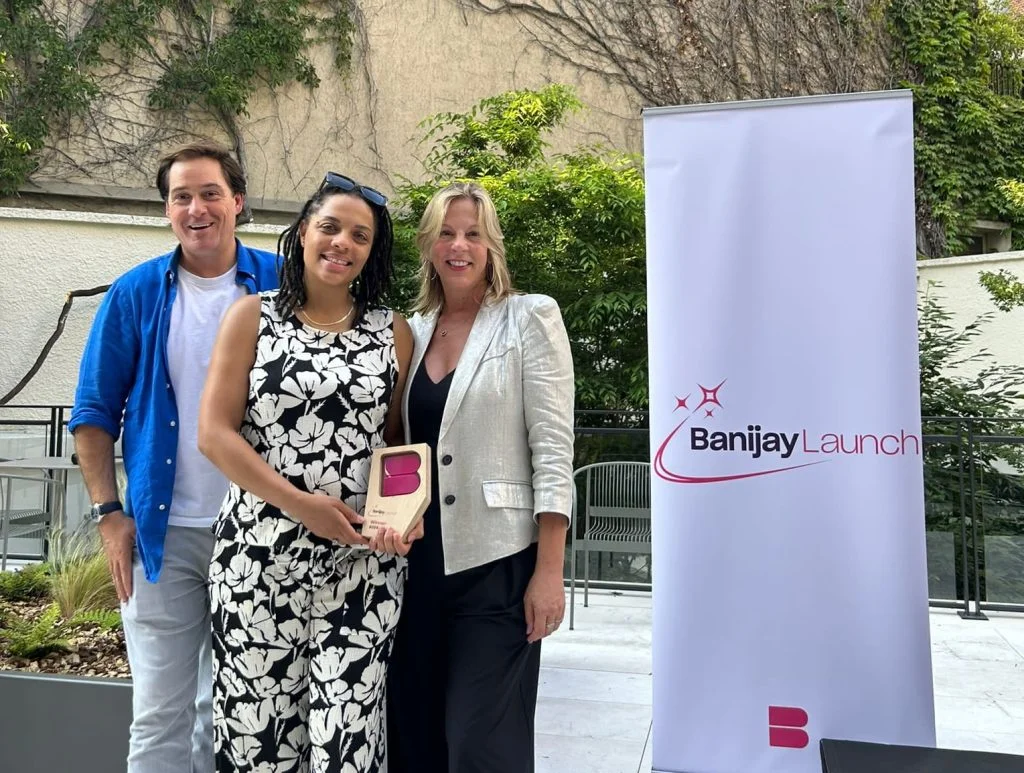
Banijay's Chief Content Officer, James Townley, discusses the unscripted landscape, the enduring power of reality TV, and strategic investments in sportainment and collaborative formats to discover the next global sensation.
Banijay, the global independent production powerhouse behind iconic non-scripted hits like Big Brother, Survivor, Deal or No Deal, and MasterChef, is not resting on its laurels. At the helm of its content development strategy is James Townley, the company’s Chief Content Officer, Development. With a critical week unfolding featuring a MIP London panel and Banijay’s London TV Screenings, Townley is articulating a clear vision for navigating a risk-averse market: prioritizing the creation of bold, globally appealing original intellectual property (IP), fostering strategic collaborations, and aggressively exploring nascent genres like "sportainment" to secure the next generation of blockbuster formats. His insights, shared in a recent interview with The Hollywood Reporter, underscore Banijay’s commitment to maintaining its unscripted dominance by swinging big on innovative concepts.
Banijay's position as a titan in the non-scripted television landscape is difficult to overstate. Its portfolio boasts some of the most enduring and commercially successful formats in broadcasting history. Shows like Big Brother, a social experiment pioneer, and Survivor, the definitive adventure competition, have captivated audiences for decades, spawning countless international adaptations and maintaining strong viewership across various platforms. The culinary competition MasterChef has become a global phenomenon, and Deal or No Deal continues to entertain with its high-stakes gameplay. This formidable catalog provides Banijay with a robust foundation, but as Townley emphasizes, the company's focus is firmly on the future. As IMDb also highlighted, Townley's role is to ensure continuous innovation, preventing complacency and actively seeking out the next wave of must-watch content. His extensive background, including leading Creative Networks at Endemol Shine Group, underscores his deep expertise in identifying and cultivating international formats, a skillset now crucial in guiding Banijay’s vast network of 130 production companies across 23 territories. This expansive and diverse creative community is both a strength and a challenge, requiring strategic leadership to channel its collective energy towards discovering universally appealing content.
In a broadcast market increasingly characterized by risk aversion, James Townley identifies collaboration and internal investment as critical opportunities for Banijay. He points to the success of co-development and partnerships as vital mechanisms for mitigating risk while still pursuing ambitious new IP. Banijay's internal Creative Fund is a powerful instrument in this strategy, allowing the company to "supercharge" embryonic ideas and facilitate their launch with global partners, as detailed in The Hollywood Reporter interview. The pursuit of "big new IP" that can stand alongside established super-brands is paramount, encompassing all subsections of reality, as well as quiz, game, and talent shows. Townley firmly believes that "Reality feels like it is still absolutely king" in terms of audience engagement and format potential.
A significant area of focus for Banijay is the burgeoning "sportainment" genre, a space Townley enthusiastically champions. He notes that while traditional sports rights are expensive, broadcasters require complementary programming, and sportainment fits this need perfectly. A prime example is Football Island, a collaboration between SimpelZodiak, Southfields, and Videoland. This format, which strands 13 Dutch ex-footballers on an island, merges survival reality with behind-the-scenes stories from the world of football. Townley highlights its broad appeal, aiming to attract not just dedicated football fans but also family audiences with its added narrative layers. This innovative blending of genres is a clear strategic move to tap into wider viewership demographics. Beyond sportainment, Banijay is also pushing the boundaries of competitive reality food shows, building on the success of MasterChef. Their new offering, 100 Knives, originating from Mastiff Sweden, Bunim/Murray Productions, and Smart Dog Media for TV4, introduces a compelling twist: competition through brigades rather than individuals. This emphasis on camaraderie and teamwork, where "people wanting other people to succeed," represents a refreshing take on competitive formats, aiming for a more positive tone that resonates with savvy modern audiences. The format's flexibility in scale – from huge to medium or smaller productions – further enhances its global applicability, catering to diverse territorial needs, as articulated by Townley to The Hollywood Reporter.
Townley's strategic outlook for Banijay offers a fascinating window into the future of unscripted television. His emphasis on co-development and leveraging internal funds speaks to a broader industry trend of de-risking content creation through shared investment and international partnerships. In an era where commissioning budgets are scrutinized more than ever, this collaborative model allows for bolder swings at high-concept formats that might be too speculative for a single entity to fully bankroll. The sportainment push, exemplified by Football Island, is particularly insightful. It's a direct response to the escalating cost of premium live sports rights, offering a complementary product that capitalizes on fan interest without the exorbitant price tag of live games. This hybridization of genres—merging the emotional stakes of reality with the tribal loyalty of sports—could unlock significant new audience segments, especially families, by providing a narrative-driven extension to traditional sports viewing. Furthermore, the development of formats like 100 Knives, which prioritizes positive themes of collaboration and mutual support, signals a potential shift in audience preference. While cutthroat competition will always have its place, there is a growing appetite for stories that emphasize collective achievement and positive social dynamics. This move aligns with a broader cultural yearning for uplifting and communal experiences, offering a counterpoint to the often-antagonistic nature of traditional reality TV. Banijay's agility in adapting formats to various production scales also demonstrates an astute understanding of the fragmented global market, where different territories have vastly different budgetary and infrastructural capacities.
The upcoming London TV Screenings and Townley's participation in the MIP London panel on "Disruption in Formats Acquisitions and Sales" highlight the intense focus on format innovation and distribution within the industry. Banijay's new lineup, including How Old Is Your Brain? and the psychological reality game The Dinner, alongside Football Island and 100 Knives, showcases a diverse portfolio designed to capture varied audience interests and cater to distinct sub-genres within unscripted content. These new formats aim to provide fresh twists on familiar ideas, keeping the unscripted genre vibrant and relevant. Townley's commentary also touches upon broader entertainment trends. While the core discussion remains unscripted, his mention of "comedy entertainment" and Banijay's success producing Amazon's LOL in 11 territories signals an interest in expanding beyond traditional reality. This indicates a strategic eye on other burgeoning non-scripted categories that offer high audience engagement and international appeal. The ability to adapt and produce such a successful format across multiple regions underscores Banijay's logistical prowess and understanding of local market nuances, which is crucial for any global content player. The enduring popularity of their flagship shows, as intermittently noted in IMDb's "Similar News" suggestions for Survivor, MasterChef, and Big Brother, serves as a testament to the timeless appeal of well-crafted reality concepts, reinforcing Townley's assertion that reality remains "absolutely king." This foundational strength allows Banijay the bandwidth to invest in more experimental and novel formats, pushing the boundaries of what unscripted content can be.
James Townley's strategic blueprint for Banijay is firmly focused on the future. With a robust pipeline of original IP, a dedicated creative fund, and a keen eye on emerging genres like sportainment, Banijay is poised to discover the next generation of global hits. The blend of familiar success and innovative risk-taking positions the company to continue its dominance in a competitive, risk-averse market. The success of new formats like Football Island and 100 Knives, particularly their ability to resonate culturally and adapt to varying production scales, will be key indicators of Banijay's continued strategic acumen. As audiences evolve and seek new forms of engagement, Banijay's commitment to collaboration, positive storytelling, and genre-blending will be crucial in defining the next era of unscripted entertainment on a global stage.