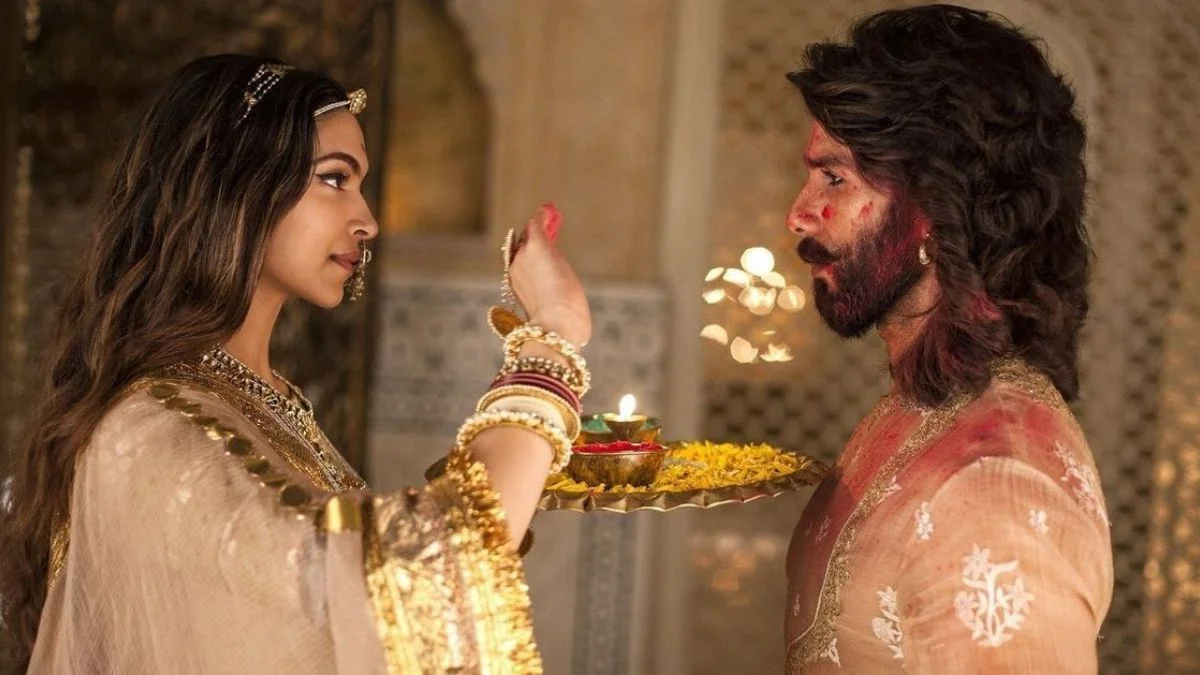
Hollywood films like 'Eat, Pray, Love,' 'Bride and Prejudice,' and 'Outsourced' increasingly feature the Hindu festival of Holi, using its vibrant colors to symbolize transformation, romance, and cultural immersion.
The vibrant Hindu festival of Holi, a dynamic explosion of colors signifying new beginnings, has traditionally been a cornerstone of Bollywood cinema, providing visually stunning backdrops for songs and pivotal narrative moments. However, in an evolving landscape of global storytelling, this joyous occasion has increasingly transcended its geographic and cultural origins, finding a unique and powerful voice within Hollywood narratives. Films such as 'Eat, Pray, Love,' 'Bride and Prejudice,' and 'Outsourced' have embraced Holi, not merely as a colorful spectacle, but as a profound symbolic device to propel plots, develop characters, and explore themes of cultural integration and emotional awakening, as detailed by The Times of India. This intentional integration signals a growing appreciation within international cinema for the festival's deep-seated significance and its universal appeal as a metaphor for transformation.
Holi, known as the "festival of colors" or the "festival of love," traditionally marks the arrival of spring, celebrating the triumph of good over evil, the end of winter, and the blossoming of love. Its roots are steeped in Hindu mythology, particularly the story of Hiranyakashipu and Prahlad, and Radha and Krishna. The communal throwing of colored powders (gulal) and water signifies the breaking down of social barriers, inviting everyone to partake in the joyous revelry regardless of caste, creed, or status. In a cinematic context, this inherent visual dynamism makes Holi an irresistible backdrop. For decades, Bollywood filmmakers have leveraged its inherent drama and beauty, crafting iconic songs and scenes that are synonymous with the festival. However, as international filmmaking increasingly seeks to include diverse cultural experiences, Holi offers not just a spectacular visual, but a rich allegorical canvas. The act of being covered in colors, for example, can symbolize a character shedding their past, embracing a new identity, or being fully immersed in a foreign culture, themes that resonate globally. This transition from being a strictly Indian cinematic trope to a powerful international narrative tool highlights a broader trend in Hollywood of seeking authentic cultural touchstones to enrich stories and connect with global audiences, moving beyond superficial portrayals to integrate these traditions meaningfully into character journeys and plot developments.
The infiltration of Holi into Hollywood films demonstrates a sophisticated understanding of its multifaceted symbolism, moving beyond mere exoticism to incorporate its essence within distinct narrative frameworks. In Gurinder Chadha's 2004 adaptation of Jane Austen, 'Bride and Prejudice,' the Holi sequence is ingeniously repurposed as a catalyst for romance. During Darcy’s visit to Amritsar, the playful exchange of colors between Lalita and Darcy serves as a non-verbal expression of their burgeoning affection, breaking down communication barriers and kindling a subtle intimacy. For Darcy, a reserved foreigner, the festival becomes an opportunity to shed his inhibitions and engage with a new culture. Similarly, the 2006 film 'Outsourced' uses Holi as a pivotal moment for protagonist Todd. Initially hesitant, his eventual immersion in the celebrations, finding himself "smothered in colours of all shades," signifies his acceptance into the Indian community – a significant turning point in his journey of cultural adaptation. This scene masterfully uses the physical act of being colored to represent his emotional and social integration, transforming him from an outsider to an insider.
Further showcasing its narrative versatility, Holi plays a crucial role in character transformation in Julia Roberts' 2010 movie 'Eat, Pray, Love.' For Liz, amidst personal struggles and a dark period following her divorce, the vibrant Holi celebration in India acts as a powerful metaphor for rejuvenation. The "colorful explosion" with its music, laughter, and carefree atmosphere, signals to her that life is not solely "black," and that there are new possibilities and a spectrum of experiences beyond her current despair. The festival becomes a cosmic push for her to look beyond her problems and embrace the full color of life. Even in more lighthearted narratives like 'The Cheetah Girls: One World' (2008), the random Holi celebration provides a moment of cultural immersion and respite for the protagonists during their filming in India. It symbolizes not only their blending with the local culture but also a temporary truce in their internal rivalries, facilitated by the unifying power of the festival. This varied application across genres and storylines underscores Holi's growing recognition in Hollywood as a potent and adaptable narrative element.
The increasing presence of Holi in Hollywood filmmaking is more than just a trend; it signifies a deeper, evolving approach to cross-cultural storytelling. Historically, Western cinema's portrayal of non-Western cultures has often been criticized for exoticism, stereotypes, or superficial incorporation. However, the examples cited by The Times of India demonstrate a more nuanced and integrated use of the festival. Instead of being a mere visual backdrop, Holi functions as a thematic cornerstone, directly impacting character arcs and narrative progression. This shift reflects a maturing audience demand for authentic and meaningful cultural representation, moving away from tokenism towards genuine engagement.
For filmmakers, incorporating Holi allows for a powerfully succinct visual metaphor. The physical act of throwing and being covered in colors bypasses language barriers, instantly conveying themes of transformation, acceptance, liberation, and new beginnings. This universality makes it a potent storytelling tool capable of resonating with diverse global audiences. Furthermore, the selection of these films – a romantic comedy, a cultural immersion dramedy, a transformative journey, and a sports drama – showcases Holi's versatility across genres. It indicates that the festival's themes are not confined to a single type of story but can enrich narratives exploring a broad spectrum of human experiences. This trend also opens doors for more diverse talent behind the camera, as filmmakers with intimate cultural knowledge are better positioned to integrate such elements authentically, further enriching the global cinematic tapestry.
Beyond the romantic and transformative narratives, Holi scenes often serve to highlight the breaking down of barriers, both internal and external. In 'Million Dollar Arm' (2014), starring Jon Hamm as sports agent J.B. Bernstein, the Holi celebrations, bursting with bright pink, yellow, green, and blue, compel the protagonist to transcend his self-imposed limitations. The festival's chaotic beauty provides him an opportunity to "look beyond the little world he has built for himself and provides room for him to escape monotony." This narrative function of Holi as an awakening catalyst is a recurring motif across these films, underscoring its spiritual and psychological significance.
The choice of specific colors within a Holi scene can also carry subtle symbolic weight. While the festival inherently celebrates all colors, a director might emphasize certain hues to mirror a character's emotional state or foreshadow narrative developments. For instance, an abundance of red might hint at burgeoning passion, while yellow could signify happiness or new energy. This conscious artistic decision elevates the Holi sequence from a mere visual spectacle to a deeply integrated thematic element. The sheer joy and spontaneity associated with Holi also allow for scenes that inject much-needed levity or catharsis into a storyline, offering characters and audiences alike a moment of unrestrained celebration and release. This emotional breadth makes Holi an invaluable tool for filmmakers seeking to add layers of meaning and visual richness to their narratives, proving its enduring appeal extends far beyond its traditional origins.
The successful and meaningful integration of Holi into Hollywood films sets a precedent for how other rich, culturally specific festivals and traditions might be incorporated into global cinema. As audiences worldwide continue to embrace diverse stories, filmmakers will likely seek out more authentic and profound ways to embed cultural touchstones into their narratives. This could lead to a broader exploration of celebrations from various corners of the globe, each offering unique visual aesthetics and symbolic depths. The trend seen with Holi suggests a future where cultural elements are not just window dressing but integral plot drivers and character development tools, fostering greater understanding and appreciation of global traditions.
This movement towards deeper cultural integration can also be contrasted with other developments in Hollywood, such as the continued expansion of established franchises. For example, while films like 'The Eagle Has Landed,' as discussed by Express.co.uk, continue to appeal to fans of classic war dramas, and the burgeoning 'Game of Thrones' universe (as reported by Mid-day) focuses on expanding its fantastical lore, the incorporation of real-world cultural events like Holi represents a different, equally vital avenue for cinematic innovation. It allows for a reflection of our increasingly interconnected world, where stories and traditions flow across borders, enriching the global tapestry of film. This approach promises a more inclusive and resonant cinematic experience for audiences everywhere, bridging gaps and celebrating our shared human experience through the universal language of film and the vibrant spectrum of cultural celebration.
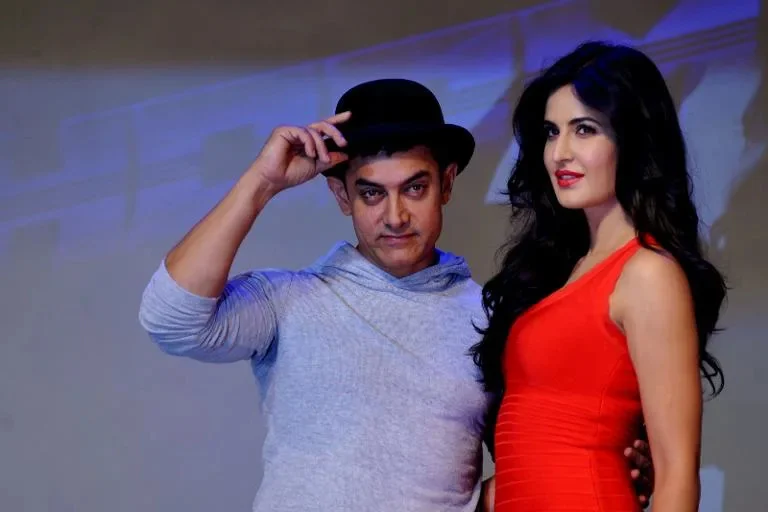
A-list celebrities from film and television, both Hollywood and Bollywood, are gracing the Broadway stage this season, drawing new audiences and revitalizing classic and contemporary works.

Filmmaker Zack Snyder's recent praise for Huma Qureshi reignites interest in their collaboration on 'Army of the Dead' and the broader implications for Indian talent in Hollywood.
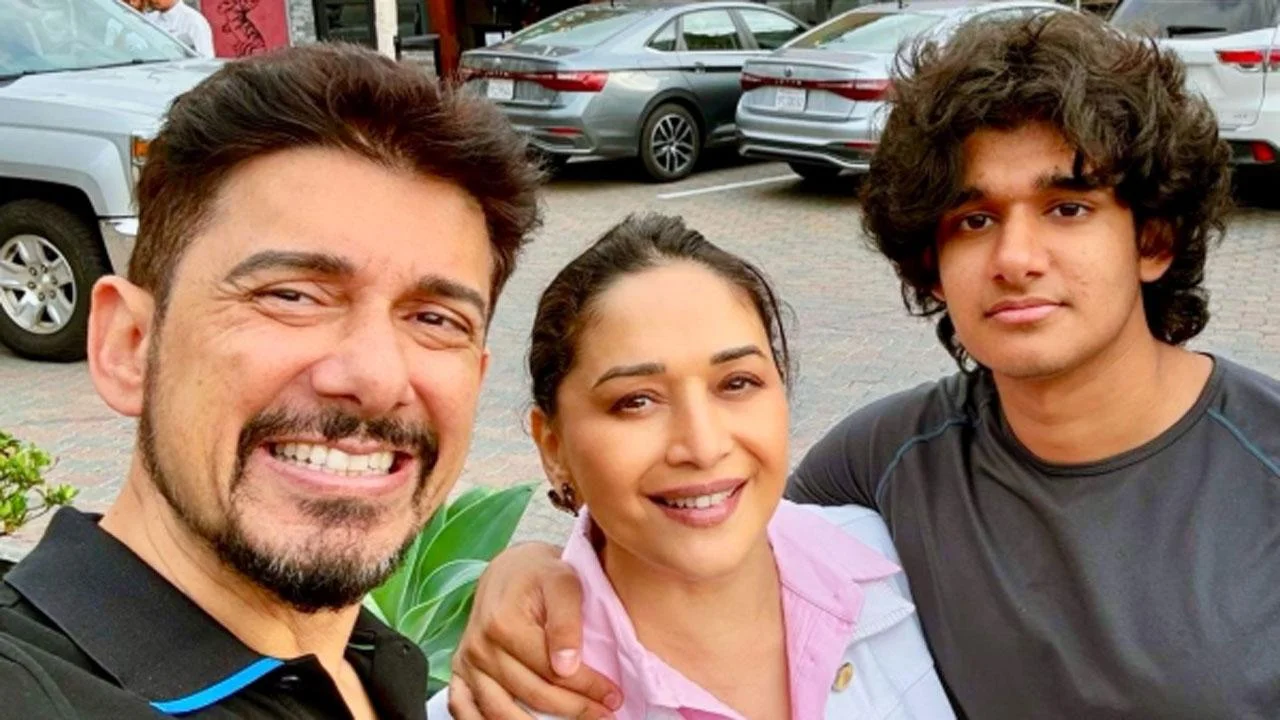
Darsheel Safary, Mohit Raina, and Priya Mani unite for a global co-production based on a true immigrant story, exploring themes of identity and resilience.