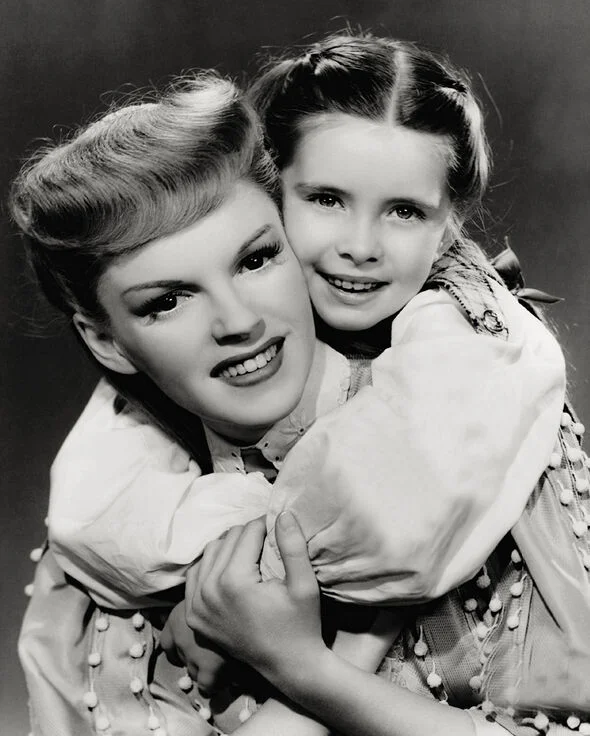
Decades after the fact, iconic child actress Margaret O'Brien reveals a terrifying murder plot orchestrated by a disgruntled father on the set of "Meet Me in St. Louis."
In a chilling revelation that unearths a dark undercurrent of Golden Age Hollywood, veteran actress Margaret O'Brien has disclosed a nearly fatal incident on the set of the beloved 1944 musical "Meet Me in St. Louis." O'Brien, who was just six years old at the time and blissfully unaware, was the target of a murder plot orchestrated by a disgruntled lighting technician. The man, enraged after his daughter was passed over for a role, allegedly attempted to loosen a heavy studio light to fall on the young star. This extraordinary account sheds new light on the intense pressures and often ruthless tactics employed in the studio system, particularly concerning its most valuable commodities: child stars.
Margaret O'Brien's ascent to stardom was meteoric, beginning at the tender age of four when she joined MGM. By the early 1940s, she had already charmed audiences in films like "Journey for Margaret" and "Jane Eyre." Her captivating performances quickly established her as one of Hollywood's most bankable child actors. However, this early success came with its own set of challenges and, as recently revealed, grave dangers. The incident in question occurred during the production of "Meet Me in St. Louis," a film that would cement her legacy and earn her an Academy Juvenile Award. According to The Mirror US, crew members discovered a lighting technician deliberately tampering with a heavy studio light, positioning it to fall directly onto O'Brien. The potential for a catastrophic and fatal accident was very real, yet the young actress remained completely oblivious to the peril she faced until many years later. "They didn't want to tell me about it as a little girl," O'Brien recounted to Yahoo Entertainment, highlighting the deliberate efforts by the studio and her family to shield her from the disturbing truth as she navigate the demands of child stardom.
The motive behind this sinister plot uncovers a darker side of MGM's studio machinations. O'Brien's mother, astute and protective, had approached MGM chief Louis B. Mayer to demand higher compensation for her extraordinarily profitable daughter. Despite O'Brien earning "very little money" for her significant contributions, Mayer initially resisted, employing his notoriously theatrical crying fits to deflect such demands. However, O'Brien's mother stood firm, threatening to take her daughter to New York and effectively remove her from the production of "Meet Me in St. Louis." This bold stance pressured Mayer, who had already decided O'Brien was director Vincente Minnelli's top choice for the pivotal role of Tootie. In a desperate attempt to retain leverage and keep his stars "in line," Mayer resorted to a common, albeit cruel, studio tactic: threatening to replace O'Brien with a lookalike. The Mirror US reports that Mayer informed the family of a young girl, who served as O'Brien's lookalike, that she would be cast in the film, even going so far as to arrange wardrobe fittings. This elaborate deception tragically backfired when the family was later informed that the role was not theirs. The father of this heartbroken young girl was none other than the lighting technician responsible for the murder plot. Consumed by rage and a feeling of betrayal over his daughter's lost opportunity, he decided to target O'Brien, whom he believed had stolen his child's chance at fame. This incident illustrates the cutthroat nature of the studio system, where the dreams of aspiring actors and their families could be manipulated and shattered, sometimes with devastating consequences.
Margaret O'Brien's chilling account offers a rare and disturbing glimpse into the often-glamorized Golden Age of Hollywood. While we often romanticize the era for its legendary films and stars, stories like this unveil a grittier reality beneath the façade of glitz and glamour. The power dynamics between studios, particularly giants like MGM, and their contract players were heavily skewed. Child actors, despite bringing in immense revenue, were often treated as commodities, their well-being and emotional development sometimes secondary to the studio's financial interests. The anecdote about Mayer's theatrical tears over salary negotiations, and his subsequent manipulation of the lookalike’s family, perfectly encapsulates the ruthless business practices that could lead to psychological distress for many involved. This narrative also highlights the intense, almost cult-like devotion some parents had to their children's careers, sometimes pushing them into precarious situations. The lighting technician's actions, while extreme and criminal, were born from a desperate belief that his daughter's future had been unjustly stolen, exacerbated by the studio's exploitative tactics. This incident serves as a stark reminder that beneath the cinematic magic, Hollywood was a high-stakes industry where personal ambition, corporate greed, and human vulnerability could collide with tragic potential outcomes. It underscores the profound psychological impact of the studio system on talent and their families, extending beyond the bright lights to touch the lives of peripheral crew members and their aspirations.
The immediate removal of the lighting technician from the MGM lot prevented what could have been a catastrophic tragedy. O'Brien, shielded from the truth, continued her work on "Meet Me in St. Louis," delivering a performance that would become one of her most acclaimed. The musical, a critical and commercial success, subsequently premiered in November 1944. Its enduring popularity solidified O'Brien's status as a top child star. Her portrayal of Tootie earned her the Academy Juvenile Award in March 1945, an honor specifically created to recognize outstanding child performers but has since been discontinued. O'Brien's recollection underscores the calculated measures studios took to protect their assets—in this case, their most valuable young star—while simultaneously managing the fallout from their own aggressive talent management strategies. The story of the lookalike and her father's "nervous breakdown" serves as a poignant reminder of the collateral damage caused by these industry practices. While productions like "Meet Me in St. Louis" continued without further incident, the shadow of this disturbing event lingered, unknown to the public for decades. The belated reveal by O'Brien herself speaks to the lasting impact of such experiences, even when the victim was initially unaware. It's a testament to her resilience that she could finally share this harrowing tale, adding another complex layer to the rich tapestry of Hollywood history.
Margaret O'Brien's revelation, surfacing nearly eight decades after the event, prompts a critical re-evaluation of the historical treatment of child stars and the ethical responsibilities of major studios. While specific incidents like this murder plot are rare, the underlying pressures and manipulative tactics described by O'Brien were, unfortunately, more common. Modern Hollywood has made strides in protecting child actors, with stricter labor laws, regulations on working hours, and often, mandatory educational provisions on set. However, challenges persist, as evidenced by ongoing discussions around mental health support for young performers and fair compensation models in a rapidly evolving industry. This historical account serves as a powerful reminder of the vulnerabilities inherent in child stardom and the need for continued vigilance and advocacy. For readers, it encourages a deeper, more nuanced appreciation of classic films, understanding that behind the flawless performances often lay complex and sometimes disturbing realities. It underscores the importance of transparency and accountability within the entertainment industry, even concerning events from a bygone era. While this particular story is uniquely grim, it resonates with broader themes of safeguarding children in high-pressure environments, a conversation that remains as relevant today as it was on the bustling soundstages of 1940s MGM. Other news headlines on IMDb and The Hollywood Reporter highlight contemporary celebrity challenges, from legal disputes and financial ventures to ongoing discussions about celebrity influence, yet O'Brien's story from the Golden Age provides a stark contrast, revealing perils far more fundamental and life-threatening than the average celebrity entanglement of today.
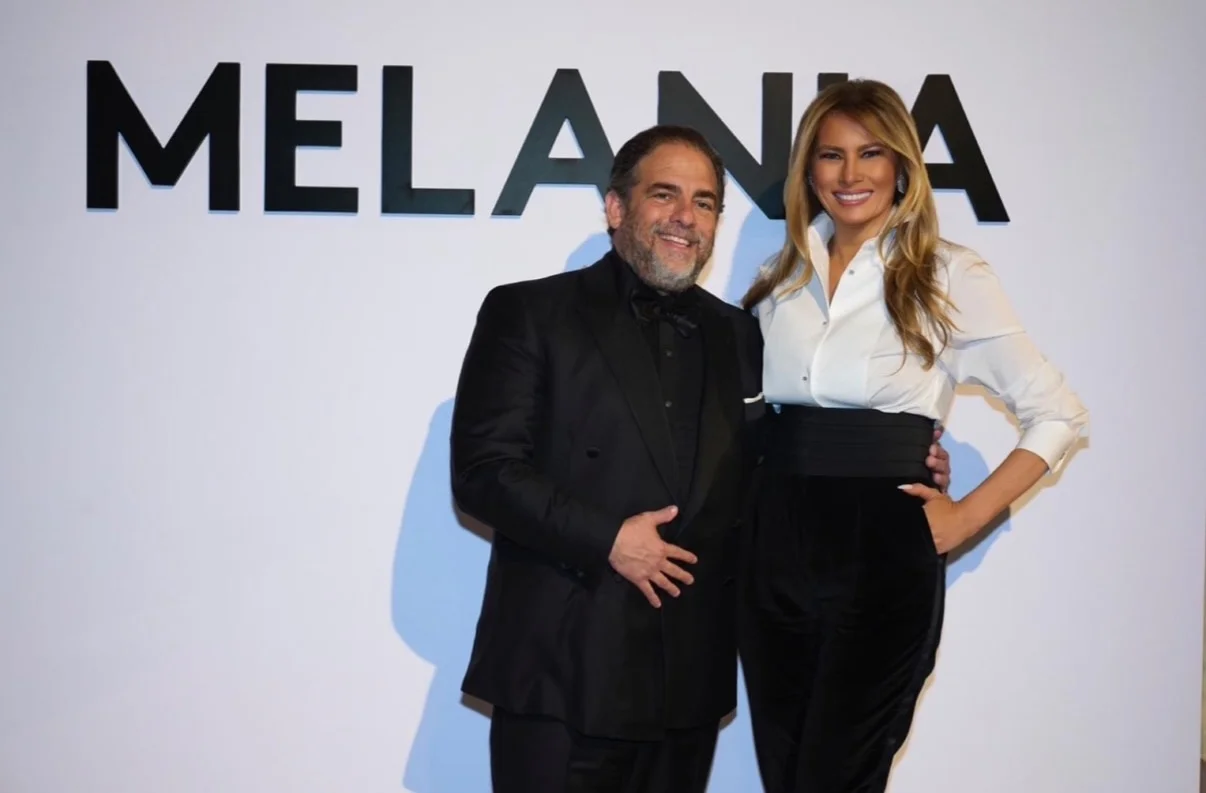
Director Brett Ratner, ousted from Hollywood post-sexual harassment allegations, eyes a return with the "Melania" Trump documentary, sparking industry debate.