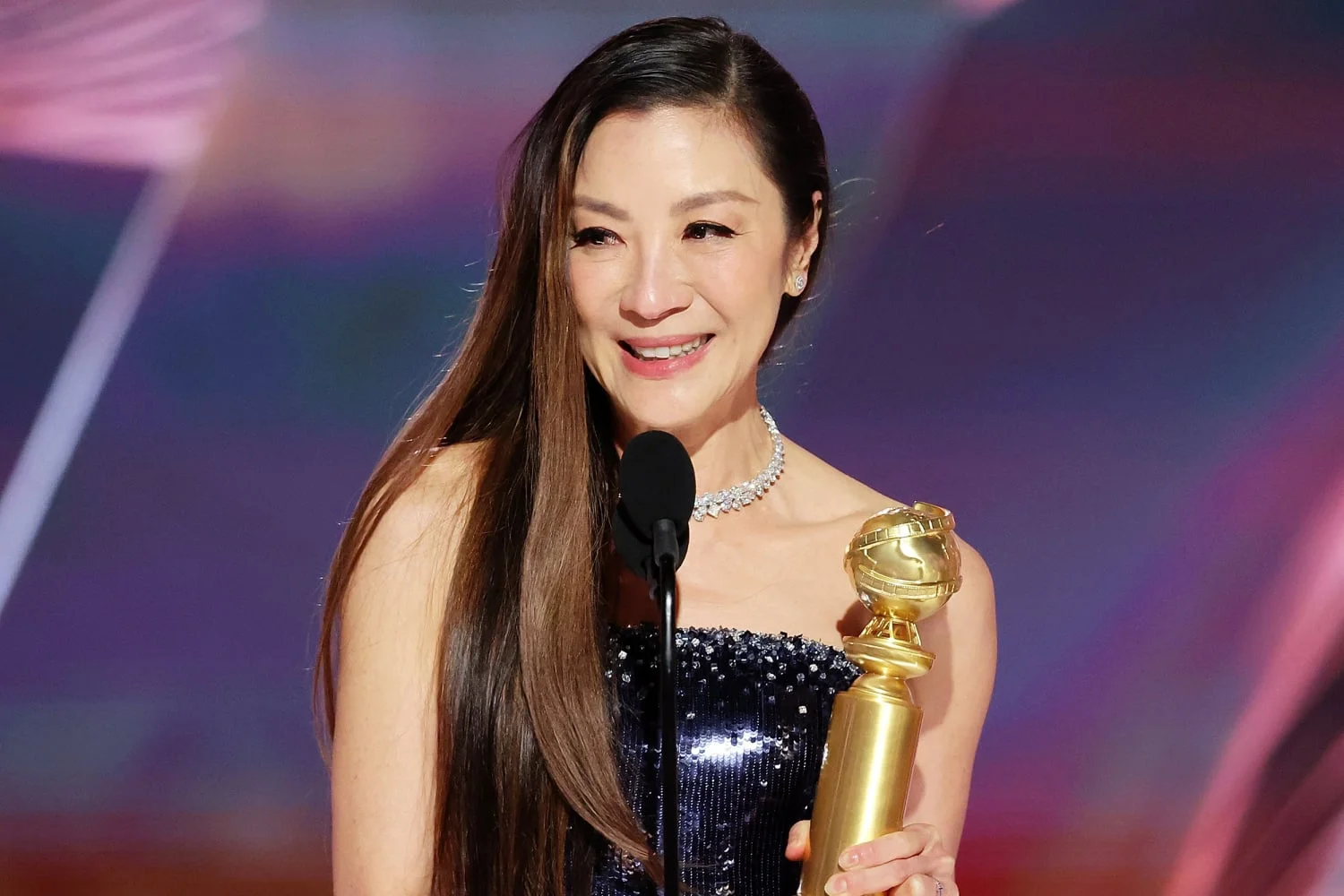
Oscar-winner Michelle Yeoh advocates for more films with Asian protagonists, leveraging her recent success and upcoming Walk of Fame honor to push for diverse storytelling in Hollywood.
In the wake of her groundbreaking Academy Award win and burgeoning Hollywood legacy, Malaysian-born actress Michelle Yeoh is passionately advocating for a significant increase in the number of Hollywood films featuring Asian protagonists. Fresh from her success in Everything Everywhere All at Once and ahead of receiving a star on the Hollywood Walk of Fame, Yeoh believes the industry is at a pivotal moment, urging creators and studios to continue the momentum generated by recent diverse blockbusters. Her call to action underscores a broader industry conversation about authentic representation and the lasting impact of storytelling that reflects a global audience. The veteran actress, whose career spans decades across international cinema and Hollywood, acknowledges the recent strides made but firmly asserts that much more work is needed to ensure Asian faces and narratives are consistently at the forefront of cinematic experiences.
For decades, Asian actors and storylines have often been relegated to supporting roles, stereotypes, or completely omitted from mainstream Hollywood productions. The industry's historical reluctance to invest heavily in Asian-led projects created a pervasive lack of visibility for a vast demographic, both on and off-screen. While there have been sporadic successes throughout history, a concerted, mainstream shift towards diverse representation has been a relatively recent phenomenon. The landscape began to noticeably change with the critical and commercial triumph of films like 2018's Crazy Rich Asians, which shattered box office expectations and proved the viability of an all-Asian ensemble cast in a contemporary romantic comedy. This success was a crucial stepping stone, demonstrating a clear audience appetite for such narratives and challenging long-held industry assumptions about marketability.
However, the real seismic shift, particularly for Yeoh, arrived with the 2022 phenomenon Everything Everywhere All at Once. This genre-bending film not only captivated audiences and critics alike but also secured Michelle Yeoh her first leading role in a Hollywood movie in her extensive career. As AsiaOne reports, this role proved to be a career-defining moment, culminating in her historic Academy Award for Best Actress. This win was not just a personal triumph but a landmark achievement for Asian representation in Hollywood, signaling a potential new era where diverse narratives are not just accepted, but celebrated and awarded at the highest levels of the industry. The journey to this point has been long and arduous, marked by persistent advocacy from artists and activists striving to break down systemic barriers and forge a more inclusive future for cinema.
Michelle Yeoh’s recent comments reflect a profound commitment to leveraging her platform for greater industry change. Speaking to Variety, as reported by AsiaOne, Yeoh acknowledged the encouraging increase in projects featuring Asian leads in recent years, directly attributing this trend to the success of films like Crazy Rich Asians and Everything Everywhere All at Once. However, she emphasized that this is merely a start, stating, "But if you look at the other — I hate to say — Caucasian films, they keep telling many different stories. So this is what we have to do, which is to tell many stories so that we will continue to have a seat at the table and be able to be part of that whole scene." This statement profoundly highlights the disparity that still exists, where a single successful Asian-led film often carries the burden of representing an entire demographic, while mainstream cinema enjoys a vast array of narrative options without such pressure. Her point is stark: true equality means a proliferation of diverse stories, not just isolated successes.
Yeoh also pointedly placed responsibility for this continued progress on those within the Asian creative community. She affirmed, "That responsibility falls on us. And we have a very strong group of people, like Daniel Dae Kim, Destin Daniel Cretton and Jon Chu, who will stick their necks out and say, 'Yes, we have to find movies that tell our stories as well.'" This network of influential figures actively championing Asian narratives is crucial for nurturing new talent and greenlighting projects that authentically reflect diverse experiences. Her own journey is a testament to perseverance; despite a decades-long, internationally acclaimed career, Everything Everywhere All at Once marked the first time she had topped the call sheet for a Hollywood movie. She revealed to The Independent, "I waited a long time for this, and luckily it came. Some people wait their whole life and the opportunity might never come. I was patient. I was resilient. I never stopped learning. And so I was ready when the opportunity did present itself." This powerful sentiment underscores both the challenges and the eventual rewards of unwavering dedication.
Adding to her historic year, Yeoh is set to receive a star on the Hollywood Walk of Fame later this month, an honor she described as a "dream come true." Her recollection of visiting the Walk of Fame as a fan and now joining her heroes ("Oh, here's so and so! So now just to think that I'm getting it, it's a dream come true.") further cements her status as an icon, and her ongoing advocacy serves as a powerful reminder of her commitment beyond personal accolades. While she celebrates these personal achievements, her focus remains firmly on opening doors for future generations.
In parallel, other events within the industry underscore the growing visibility and celebration of Asian culture within Hollywood. For instance, the recent Gold House Lunar New Year celebration in New York City, as reported by News18, showcased prominent Asian and Asian American talent, including Lola Tung and Yerin Ha, amidst performances and festive cheer. These events, while distinct from Yeoh's direct advocacy, collectively contribute to a narrative of increasing cultural integration and recognition within the entertainment sphere, providing networking opportunities and visibility for rising stars who are part of the broader ethnic diaspora.
Michelle Yeoh’s impassioned plea for more Asian protagonists in Hollywood is not merely an expression of hope; it is a strategic call to action informed by decades of navigating an often-unwelcoming industry. Her statement that the responsibility falls "on us" to tell diverse stories highlights a crucial dynamic. While Hollywood studios bear the ultimate power to greenlight projects, the impetus often comes from within marginalized communities to push for their narratives to be heard. This involves not only actors but also writers, directors, producers, and even cultural organizations like Gold House, which actively promotes Asian cultural impact and influence. The success of Everything Everywhere All at Once, for example, was not just about a single film; it was about demonstrating the universal appeal and commercial viability of a story steeped in Asian cultural context, led by an Asian family, and resonating powerfully with audiences of all backgrounds.
However, the challenge lies in moving beyond "breakthrough moments" and fostering sustained, organic representation. Typically, after a groundbreaking success featuring a minority group, there's a temporary surge in similar projects, often followed by a decline as industry trends shift or the "novelty" wears off. What Yeoh and her peers are advocating for is not a temporary trend, but a fundamental shift in how Hollywood perceives and invests in diverse storytelling. This means diversifying creative teams behind the camera, supporting emerging Asian filmmakers, and ensuring that the stories told encompass the vast spectrum of Asian experiences, avoiding the pitfalls of tokenism or reducing complex cultures to a single narrative thread. The goal is to reach a point where an Asian-led film is not an anomaly requiring exceptional explanation but a natural part of a varied cinematic landscape, much like the myriad "Caucasian films" Yeoh referenced. This requires sustained pressure, strategic alliances, and a commitment from audiences to support these films, proving their continued commercial and cultural value. The conversation further needs to expand to acknowledge the vast differences within the broader Asian diaspora, ensuring representation spans across East, Southeast, South, and Central Asian experiences, rather than just a narrow focus.
Beyond her advocacy for Asian representation, Michelle Yeoh's recent activities highlight her sustained engagement with the global film industry and her influential voice on various topics. Her upcoming Hollywood Walk of Fame star, as reported earlier, is more than just a personal accolade; it solidifies her status as an enduring icon whose career has transcended geographical and linguistic boundaries. This recognition by Hollywood's definitive landmark further amplifies her message, lending additional weight to her calls for greater diversity. When such a revered figure speaks, the industry listens.
During her attendance at the Berlin International Film Festival, where she received the honorary Golden Bear for lifetime achievement, Yeoh demonstrated her thoughtful approach to her public platform. As News18 reported, when pressed on United States politics, Yeoh politely declined to offer an opinion, stating, "I don’t think I am in the position to really talk about the political situation in the U.S., and also I cannot presume to say I understand how it is. So, best not to talk about something I don’t know about." This stance, while seemingly a sidestep, is also a powerful statement about authenticity and integrity. Rather than feigning expertise on sensitive political matters, she redirected the conversation back to her passion: the importance of cinematic experience.
At the festival, Yeoh also addressed concerns about declining attention spans and the growing competition from digital platforms, underscoring the enduring value of the communal cinema experience. "I believe when we go to the cinema, that is time for you. You know, you switch off your phones, and you’ve chosen to watch something that you want. And that is the time when you can open your heart and free your mind and have time to yourself. Cinema is a place where we all come together and laugh and cry, we celebrate, but it’s always important to keep that tradition alive," she articulated. Her short film, Sandiwara, directed by Sean Baker, also premiered at the festival, further showcasing her artistic versatility by portraying five different characters. These various engagements paint a picture of an artist who is deeply committed to the craft of filmmaking and its power to connect and reflect humanity, themes that undoubtedly underscore her push for broader representation.
The path forward for Hollywood, as envisioned by Michelle Yeoh and her peers, involves more than just a fleeting trend. It requires a sustained, systemic commitment to diverse storytelling. The recent successes of Asian-led films and the increasing visibility of Asian talent at high-profile events, such as the Gold House Lunar New Year celebration, indicate a positive trajectory. However, the true measure of progress will be seen in the coming years: whether the industry continues to invest in a wide range of Asian narratives, move beyond established tropes, and empower new voices behind the camera. Watch for the continued efforts of advocates like Daniel Dae Kim, Destin Daniel Cretton, and Jon Chu, who Yeoh specifically named as crucial to this movement. Their active pursuit of projects that authentically portray Asian stories will be instrumental. Furthermore, the commercial performance of these films remains a critical factor; continued audience support sends an unambiguous message to studios that diversity is not just a moral imperative, but also a profitable venture. Michelle Yeoh's ongoing influence, especially as she receives her Hollywood Walk of Fame star, will undoubtedly keep this vital conversation at the forefront, pushing Hollywood towards a truly inclusive future where every story can find its screen.
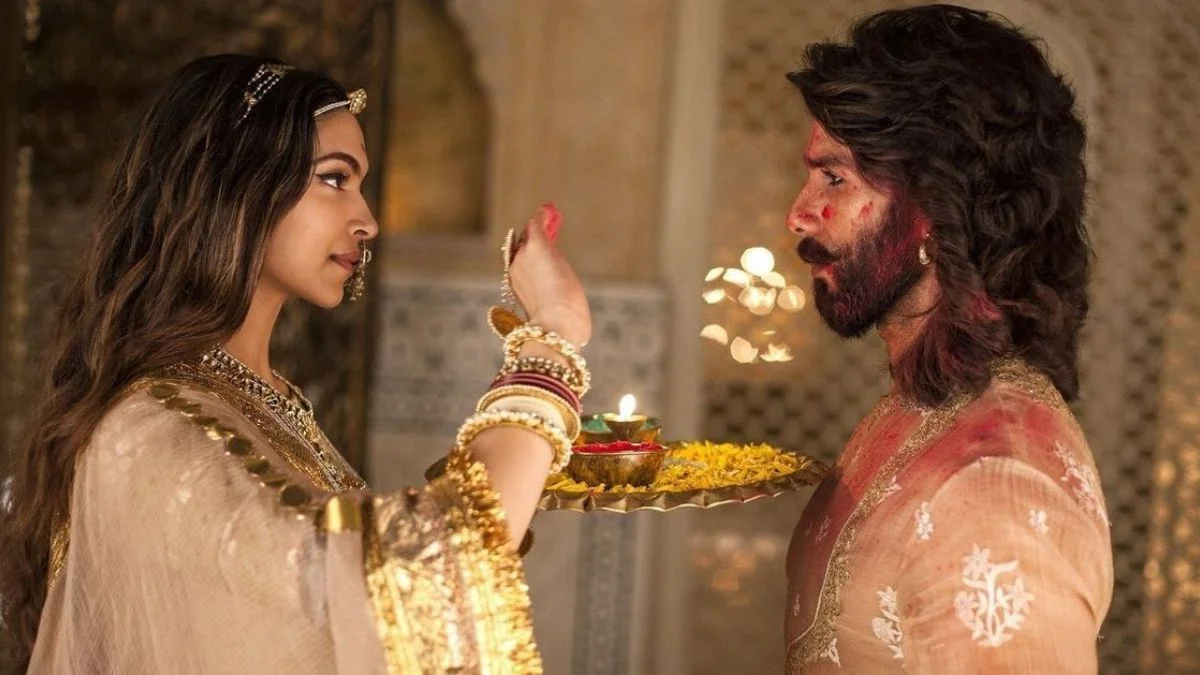
Hollywood films like 'Eat, Pray, Love,' 'Bride and Prejudice,' and 'Outsourced' increasingly feature the Hindu festival of Holi, using its vibrant colors to symbolize transformation, romance, and cultural immersion.
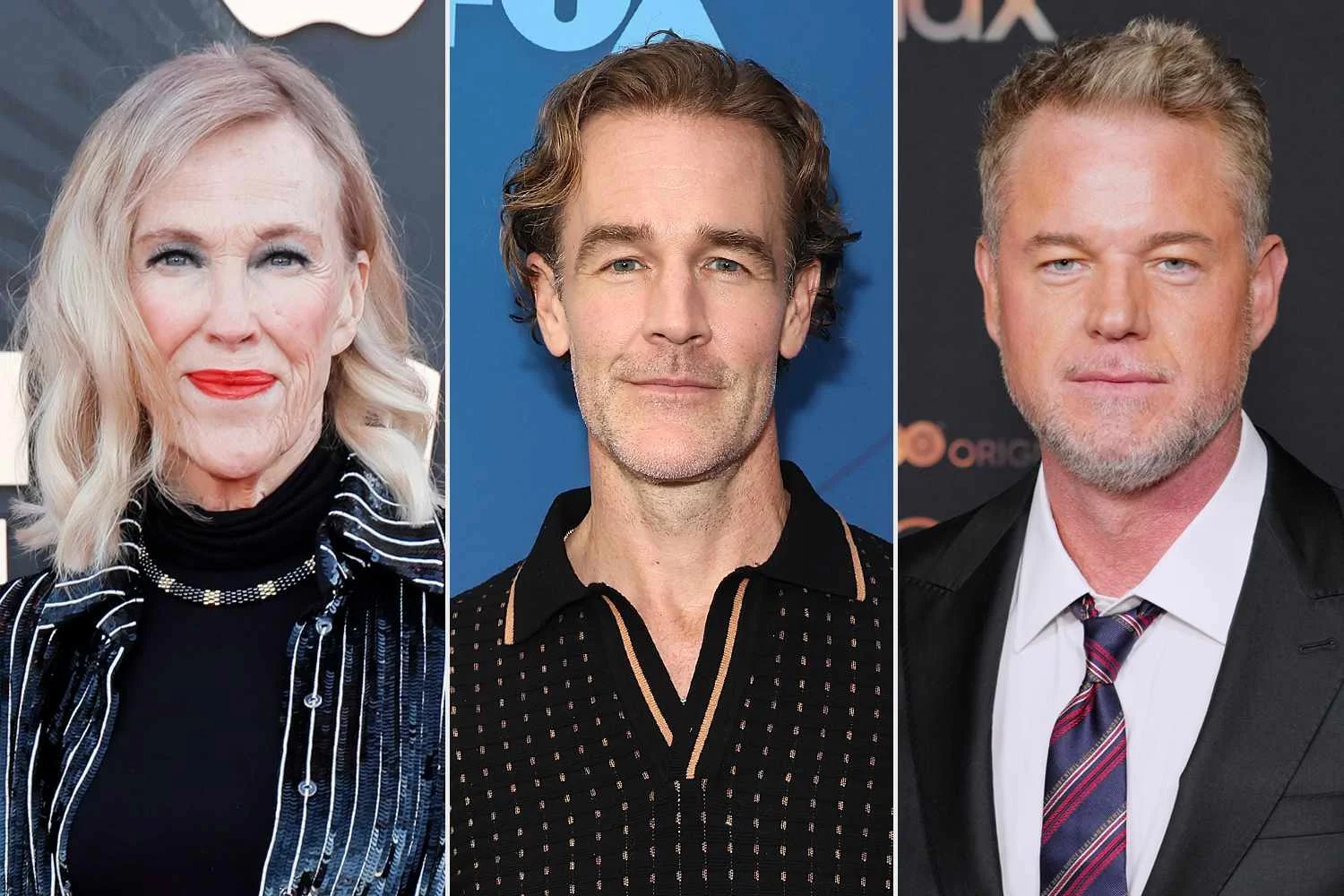
2026 marks a period of profound loss in entertainment, with figures like James Van Der Beek, Catherine O'Hara, and T.K. Carter among those mourned by fans and colleagues.
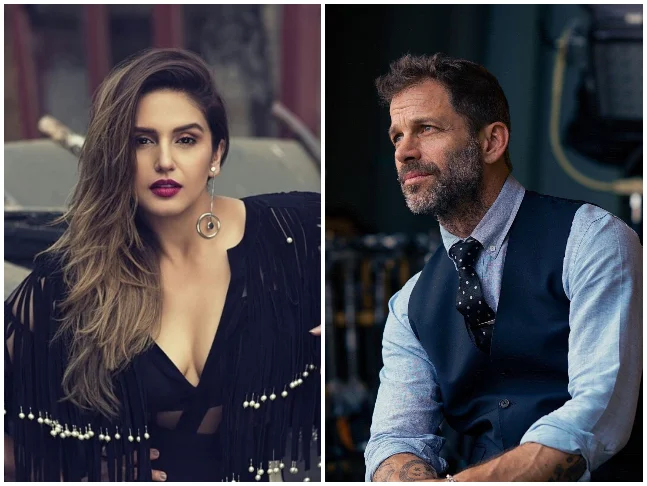
Filmmaker Zack Snyder's recent praise for Huma Qureshi reignites interest in their collaboration on 'Army of the Dead' and the broader implications for Indian talent in Hollywood.