Paramount's Historic Studio Lot Faces Potential Reshaping After Warner Bros. Acquisition
Following the Paramount Skydance acquisition of Warner Bros. Discovery, major changes are anticipated for Paramount's valuable studio properties in Burbank and Hollywood.

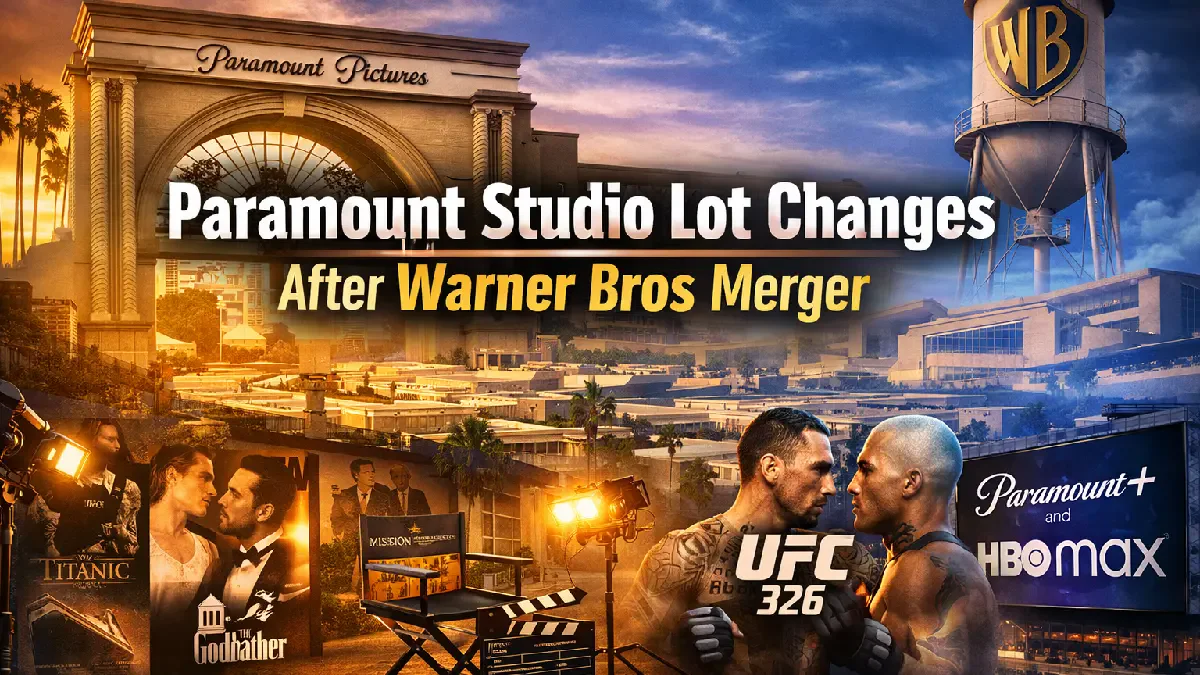
Hollywood is abuzz with speculation regarding the future of Paramount’s iconic studio properties in Burbank and Hollywood. The recent acquisition of Warner Bros. Discovery by Paramount Skydance has sent ripples throughout the industry, signaling potential broad-sweeping changes, with real estate assets emerging as a prime focus of strategic review. These legendary lots, which have served as the backdrop for countless cinematic masterpieces from "Titanic" to "The Godfather," represent not only a rich history but also incredibly valuable land within the coveted 30-mile zone of Los Angeles, an area highly sought after by entertainment professionals. While previous bids for Paramount included plans to divest these holdings, the current trajectory suggests a more nuanced approach by the newly expanded entity.
A Legacy Forged in Celluloid and Real Estate
The history of Paramount Pictures is inextricably linked to its physical studios. For nearly a century, the Burbank and Hollywood lots have been central to the creation of some of the most enduring films in cinema history. From the golden age of Hollywood to contemporary blockbusters, these properties have housed soundstages, production offices, and backlots that became synonymous with the magic of moviemaking. The sheer volume of classic films referenced — "Sunset Boulevard," "Breakfast at Tiffany’s," "Titanic," and "The Godfather" — speaks to the profound artistic and cultural significance of these locations, as highlighted in a recent IMDb report. This deep-rooted legacy, however, now confronts the stark realities of corporate mergers and the strategic optimization of assets. The conversation surrounding the future of these lots is not merely about real estate; it's about the very identity of a studio that has shaped global entertainment for generations.
Post-Merger Real Estate Review: A New Era for Paramount?
The recent acquisition of Warner Bros. Discovery by Paramount Skydance has immediate ramifications for the combined entity's extensive real estate portfolio. According to reports, including a piece in the Los Angeles Times, as noted by IMDb, one of the primary areas slated for change involves "redundant assets," a term that frequently encompasses physical properties. Both of Paramount’s major studios – in Burbank and Hollywood – are situated within what entertainment property broker Nicole Mihalka describes as the "core [30-mile zone], the inner circle of where Hollywood talent wants to be." This makes them "very prime real estate," a significant factor in any post-merger integration strategy. While previous acquisition attempts, such as the 2024 bid by Sony and Apollo for Paramount, included explicit plans to sell off the Paramount property, the current outlook, per the L.A. Times, indicates that "there is no indication that Paramount would part with its namesake lot." This suggests a potential strategy of consolidation, repurposing, or perhaps a more subtle form of monetization rather than outright sale, differentiating this merger's approach from prior proposals. The intricate dance between preserving historical identity and maximizing financial efficiency will undoubtedly define the decisions made in the coming months.
Strategic Analysis: Balancing Legacy with Economic Imperatives
The potential changes to Paramount's historic studio lots underscore a broader trend in the entertainment industry, where legacy assets are increasingly evaluated through a dual lens of cultural significance and financial utility. In a competitive media landscape, mergers are often driven by the pursuit of synergy and efficiency, which frequently translates to divesting non-core or redundant assets. However, studio lots, particularly those with the pedigree of Paramount's, are not merely parcels of land; they are symbols of Hollywood's enduring power and a draw for top talent. The challenge for Paramount Skydance will be to navigate this delicate balance. While the outright sale might generate immediate capital, it could also impact the company's brand identity and production capabilities. Conversely, retaining and optimizing these properties – perhaps by leasing out underutilized spaces, modernizing facilities, or even developing portions for related entertainment purposes like experiential attractions – could unlock long-term value while preserving the studio's heritage. This strategic conundrum is further complicated by the fluctuating demands of content creation, which increasingly blend traditional filmmaking with digital and streaming services, requiring different types of infrastructure and studio space.
The Evolving Landscape of Entertainment Real Estate
The entertainment industry's approach to real estate has been dynamic, reflecting shifts in production methods and corporate structures. While the news surrounding Paramount's studio lots captures immediate attention, it exists within a larger context of how media companies manage their physical footprints. For instance, high-profile individuals within the industry, like Rachel Weisz, demonstrate significant engagement in real estate, albeit on a personal investment level. Weisz, renowned for her roles in films like 'The Mummy,' has accumulated a substantial net worth, reportedly around USD 40 million, with a significant portion attributed to "savvy real estate ventures," including properties in Brooklyn and a former East Village apartment in New York, as detailed by The Times of India. This personal investment trend among high-earning individuals in Hollywood indirectly highlights the perceived value and stability of real estate, even as corporations grapple with optimizing their larger, more specialized portfolios. Meanwhile, the daily operations of the industry continue, providing a backdrop for these significant corporate shifts. For example, programming schedules continue apace, with shows like "Bar Rescue" airing on Paramount, and "Who Wants to Be a Millionaire?" on ITV, as noted by IMDb's "Similar News" section. These ongoing productions rely on the very studio infrastructure currently under strategic review, underscoring the functional importance of these properties beyond their financial valuation.
Looking Ahead: A New Chapter for Paramount's Physical Manifestation
The future of Paramount's iconic studio lots will be a closely watched development within Hollywood. While the IMDb report, citing the L.A. Times, suggests there's "no indication that Paramount would part with its namesake lot," the very mention of "redundant assets" post-merger indicates that a comprehensive evaluation is underway. This could lead to a variety of outcomes: from significant renovations and modernization to strategic re-purposing of certain areas, or even the sale of non-core parcels while retaining the most historically significant parts. The decisions made regarding these prime real estate assets will not only impact Paramount's balance sheet but also potentially redefine the physical landscape of Hollywood production. As the industry continues to evolve with technological advancements and shifting consumption habits, the way legacy studios leverage their invaluable real estate will be a key indicator of their adaptability and future vision. Observers will be keen to see how Paramount Skydance balances the economic imperatives of a major merger with the preservation of a cinematic legacy embodied by these historic grounds.
Related Articles

Berlinale Stays True to Roots, Fostering Dialogue in a Fractured World
Festival Director Tricia Tuttle reflects on a tumultuous yet significant Berlinale, emphasizing its role as a vital platform for diverse voices and empathy amid global tensions and criticism.