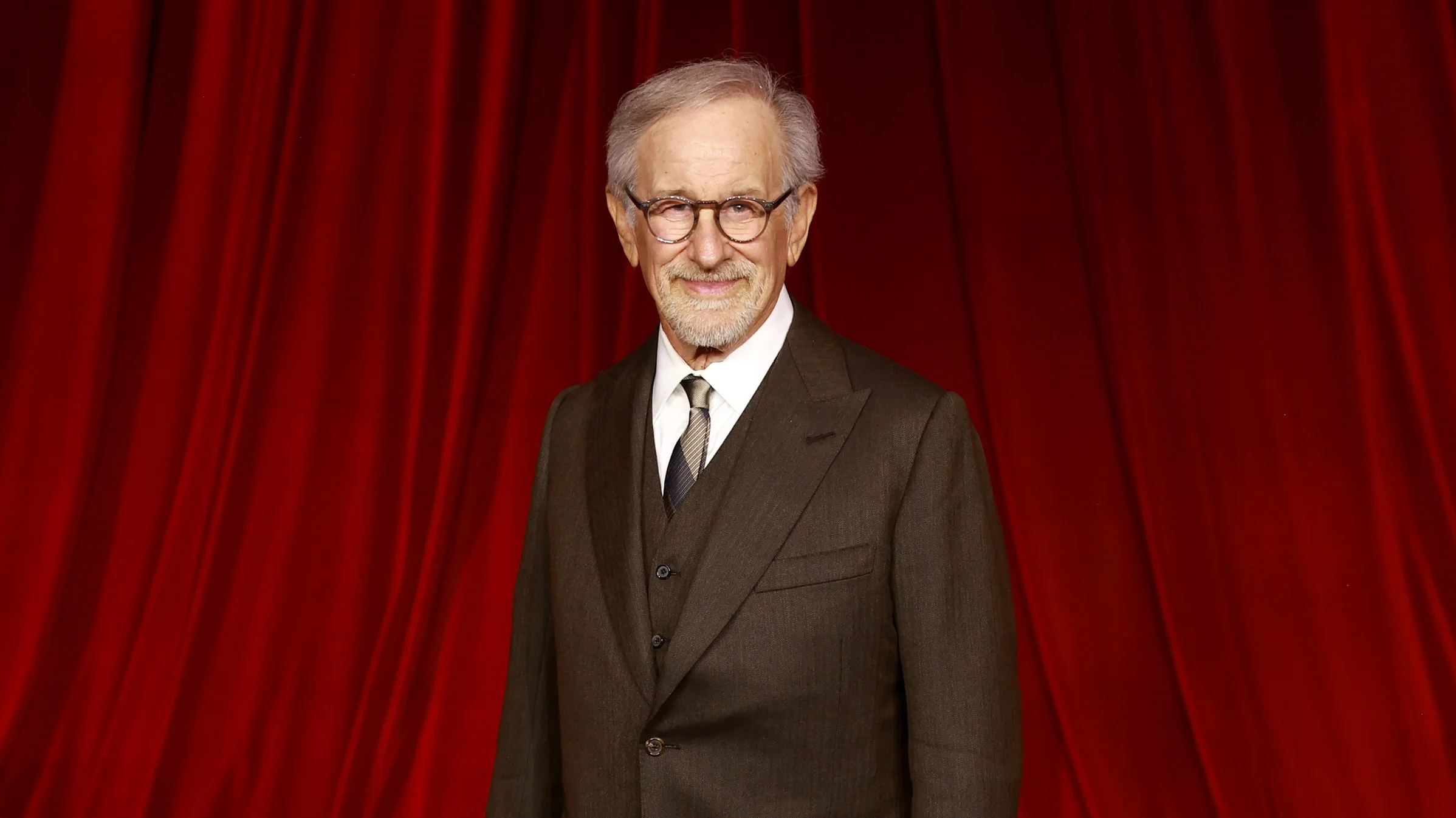
Steven Spielberg issues a stark warning to Hollywood: invest in original stories or risk running out of creative fuel. His call for longer theatrical windows comes as actors like Shannon Elizabeth explore new platforms like OnlyFans, highlighting a changing entertainment landscape.
In a powerful and candid address at CinemaCon, legendary filmmaker Steven Spielberg delivered a sobering message to Hollywood, cautioning that the industry risks “running out of gas” if it continues its overreliance on branded intellectual property (IP), reboots, sequels, and spin-offs. The 79-year-old director implored his peers and major studios to prioritize the development and promotion of original stories, advocating for a return to the foundational essence of filmmaking: compelling, fresh narratives that captivate audiences. His remarks underscore a growing concern within creative circles about the perceived lack of innovation in mainstream cinema, a sentiment echoed by other industry trends reflecting a changing power dynamic between creators and traditional studios.
Steven Spielberg's impassioned plea for originality comes at a critical juncture for Hollywood. During his first-ever appearance at CinemaCon, the veteran director articulated a clear vision for the industry's future, one built on narrative daring rather than formulaic repetition. “If all we make is known, branded IP, we’re going to run out of gas,” Spielberg asserted, as reported by AsiaOne. He stressed that the core mission of filmmakers and studios should be to deliver “visual stories,” emphasizing that the form these stories take is less important than their inherent originality. This warning touches upon a long-standing debate within the industry: the perceived tension between financially safe, pre-established franchises and the riskier, but potentially more rewarding, pursuit of new creative ventures. Spielberg's immense stature lends significant weight to this argument, elevating it beyond mere criticism to a stern warning from one of cinema's most commercially successful and critically acclaimed figures. His words serve as a direct challenge to the prevailing studio model, which increasingly prioritizes guaranteed box office returns from familiar properties over the uncertain path of groundbreaking new narratives.
Beyond the call for original content, Spielberg also weighed in on the crucial matter of content distribution, specifically advocating for longer exclusive theatrical windows. He lauded Universal Entertainment chief Donna Langley for her decision to move to a 45-day exclusive theatrical window for its 2027 releases, a significant extension from the compressed windows that became common during and after the pandemic. Appearing to push for even greater commitment, Spielberg quipped, "Audiences will find what they want to watch, whether the films are big or small, but studios need to help us by greatly expanding the exclusive windows like Donna Langley just did. Today I've got to be greedy. Do I hear 60 days? Do I hear 120 days?" This stance highlights a fundamental belief that the theatrical experience remains paramount for certain films and that ample time in cinemas allows films to build momentum, cultural presence, and maximize revenue before moving to other platforms. This perspective contrasts sharply with the recent industry trend of rapidly moving films from theatrical release to streaming, a model that many, including Spielberg, argue diminishes the perceived value of cinema itself.
The broader implications of this debate extend to how creators are seeking greater control over their work and distribution pathways. A compelling example of this paradigm shift is seen in the decision of actor Shannon Elizabeth, known for her role in "American Pie," to join OnlyFans. As reported by India Today, Elizabeth articulated her move as a definitive step to "take control of her career's narrative and challenge the Hollywood power structure." She expressed a desire to connect directly with her audience on her own terms, creating content without the traditional intermediaries. “I had spent my entire career working in Hollywood, where other people controlled the narrative and the outcome of my career,” Elizabeth told People.com. This sentiment—of reclaiming agency and directly engaging with fans—underscores a growing movement among artists to bypass traditional industry gatekeepers. While significantly different in scope and platform, both Spielberg’s advocacy for creative control through original storytelling and Elizabeth’s embrace of direct-to-consumer platforms speak to a changing landscape where artists are increasingly asserting their prerogative over their work and its presentation, challenging long-established industry norms and power structures.
Hollywood's current reliance on known intellectual property is not a new phenomenon, but rather an acceleration of a trend that has deep historical roots. From the golden age of studio system adaptations of popular novels and plays to the enduring appeal of comic book heroes in the late 20th century, established brands have always offered studios a perceived safer bet. However, in the last two decades, this strategy has reached an unprecedented scale, fueled by global markets and the desire for easily marketable, recognizable content. Franchises like the Marvel Cinematic Universe, Star Wars, and various reboots have dominated box office returns, creating a financial incentive for studios to invest billions in expanding these universes. Unfortunately, this often comes at the expense of original screenplays and mid-budget dramas that once served as the industry's creative lifeblood. The proliferation of streaming services, while offering new avenues for diverse storytelling, has ironically contributed to the problem by creating an insatiable demand for "content" at a scale that often favors quantity and brand recognition over artistic novelty. This environment makes Spielberg's call for originality all the more poignant, serving as a reminder that artistic innovation, rather than mere brand management, is essential for long-term health.
Spielberg's remarks, coupled with the actions of figures like Shannon Elizabeth, reflect a fundamental tension and transformation within the entertainment industry. On one hand, there's a powerful and persuasive argument, championed by cinema's titans, for the preservation of traditional filmmaking values: original narratives, the communal theatrical experience, and adequate time for films to mature in the public consciousness. This perspective posits that such elements are not just nostalgic relics but essential components for developing culturally significant art and maintaining the prestige of cinema itself. The long-term health of the industry, from this viewpoint, depends on fostering new voices and stories, rather than endlessly recycling existing ones. A creative ecosystem that discourages originality eventually stifles innovation and artistic growth, potentially leading to audience fatigue and a diminished cultural impact for film. If Hollywood becomes solely a factory for branded content, it risks losing its allure as a destination for visionary artists and captivating stories, ultimately alienating audiences who crave fresh perspectives and genuinely surprising narratives.
On the other hand, the rise of creator-driven platforms like OnlyFans, as embraced by Shannon Elizabeth, signifies a democratizing force at play. This trend suggests a future where actors, filmmakers, and content creators can bypass traditional studio gatekeepers entirely, connecting directly with their audiences and monetizing their work on their own terms. This shift is particularly significant for actors who feel their careers have been constrained or pigeonholed by Hollywood’s conventional structures. Platforms that enable direct audience engagement empower creators to develop their personal brands and cultivate niches that might not align with mainstream studio interests. While OnlyFans is specifically associated with adult content, the underlying principle of creator autonomy and direct monetization is rapidly expanding across various platforms and content niches. This parallel development highlights a fractured industry where traditional powerhouses are being challenged not just by creative malaise within their walls, but also by external forces that offer alternative paths to success and narrative control for artists. The industry is being pulled in different directions: towards consolidations of power around existing IP, and towards a fragmentation where individual creators can find their own audiences. The interplay between these forces will ultimately shape the future of Hollywood and content creation globally.
Amidst his industry observations, Steven Spielberg also provided a glimpse into his own continuing commitment to original storytelling, premiering a new trailer for his forthcoming sci-fi film, "Disclosure Day," at CinemaCon. The movie, featuring an impressive ensemble cast including Emily Blunt, Josh O’Connor, Colin Firth, Eve Hewson, and Colman Domingo, delved into a government cover-up concerning the arrival of extraterrestrial visitors. Spielberg expressed his lifelong fascination with the unknown, stating, "I've been curious ever since I was a little kid with what was happening in the night sky. The world became more accepting of the fact that we probably are not alone." He believes "Disclosure Day" will prompt significant reflection and questions about humanity's place in the universe, promising audiences a thrilling ride: "All you need to get from beginning to end is a seat belt." This project exemplifies his dedication to exploring complex themes through innovative narratives, directly embodying the originality he advocates for.
Notably, Spielberg also recently praised Denis Villeneuve’s "Dune" films, calling them "among my favourite science-fiction movies of all time," according to AsiaOne. His admiration for "Dune: Part Two," which he considers "the best movie Denis has ever made," highlights that even within the realm of adaptations, exceptional storytelling and visionary direction can elevate known IP to new artistic heights. However, "Dune" also represents a unique case: a saga with a deeply complex narrative, brought to the screen by a director with a distinctive artistic vision, rather than a franchise primarily driven by pure brand recognition. This appreciation for Villeneuve's work subtly reinforces Spielberg's core message: even when working with existing material, the emphasis must remain on cinematic artistry and compelling narrative execution, rather than merely capitalizing on a familiar name.
The entertainment industry stands at a significant crossroads. Steven Spielberg’s compelling arguments for original content and extended theatrical windows represent a fervent appeal to preserve the art and experience of cinema in its purest form. His warnings suggest that straying too far into the realm of derivative branding risks not just financial stagnation but also a depletion of Hollywood's creative soul. Concurrently, the increasing willingness of public figures, from established actors like Shannon Elizabeth to a growing number of digital creators, to explore and embrace alternative platforms like OnlyFans, signal a decentralized future for content creation and distribution. These parallel developments underscore a broader struggle for control, autonomy, and the very definition of success within entertainment. The coming years will reveal whether traditional studios heed the call for radical originality, whether the theatrical model can fully rebound and evolve, and how significantly direct-to-consumer platforms will reshape the careers and creative output of artists across the spectrum.
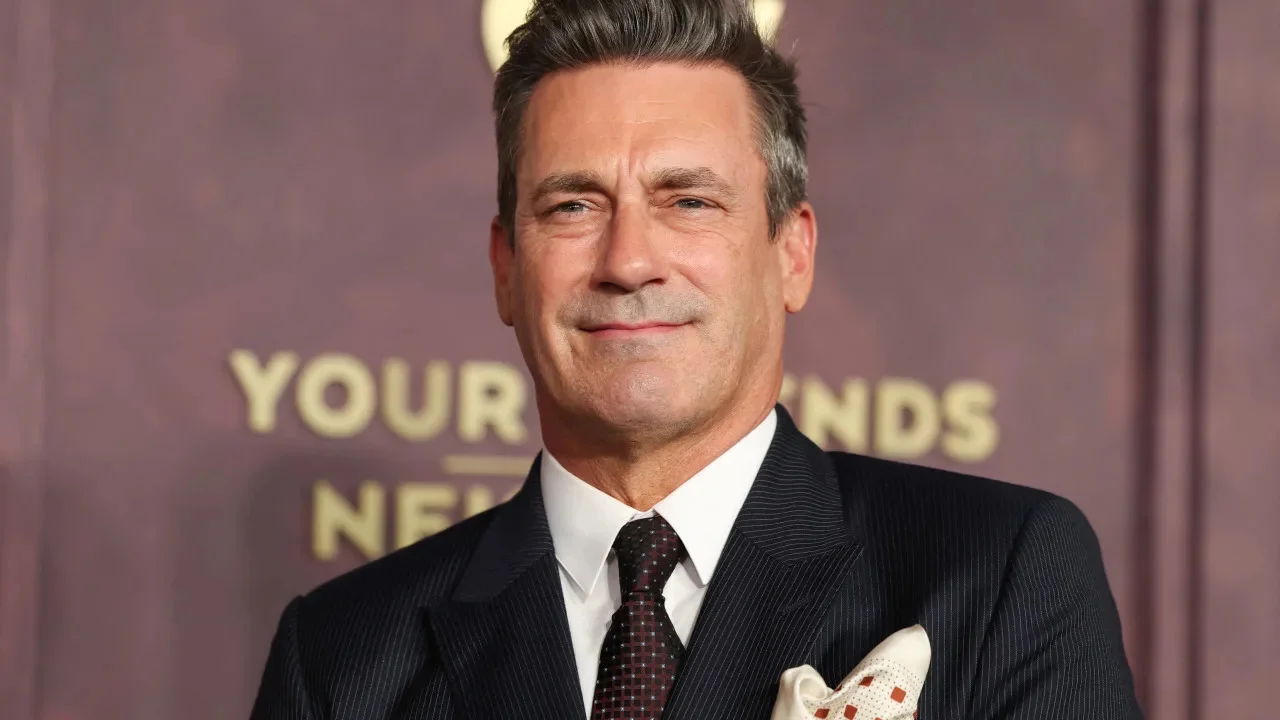
Jon Hamm, 55, discusses his unlikely cinematic obsession: a movie he despises but faithfully rewatches. This revelation coincides with Hollywood's efforts to revive the film industry and a major Game of Thrones movie announcement.
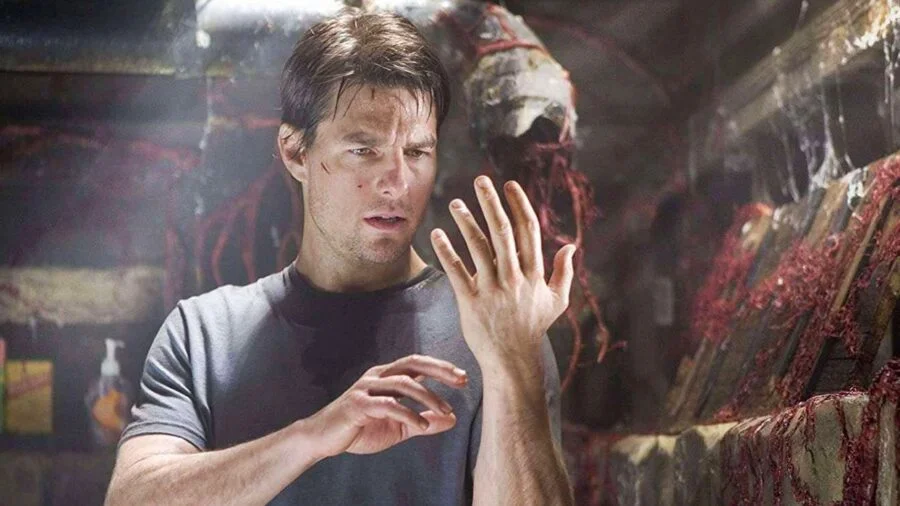
Explore the sci-fi film Tom Cruise passionately pursued, only for it to become a monumental box office flop, and the broader implications for Hollywood.
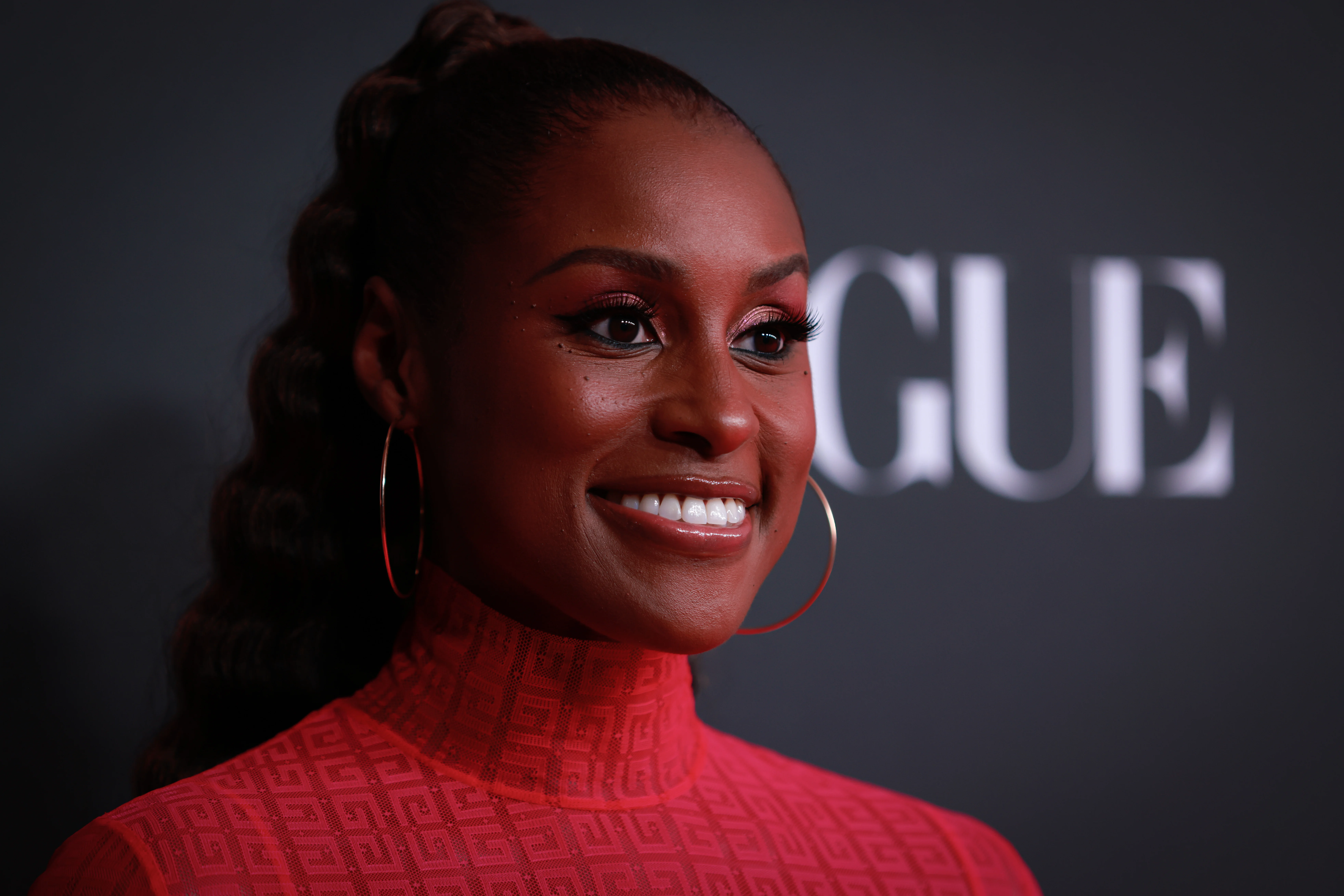
Issa Rae declares Hollywood is in an "identity crisis" as Diversity, Equity, and Inclusion (DEI) becomes a "bad word," forcing creators to rethink how they pitch diverse content. Scarlett Johansson's past experiences and the trend of darker cinematography cast a long shadow on an industry grappling with its future.