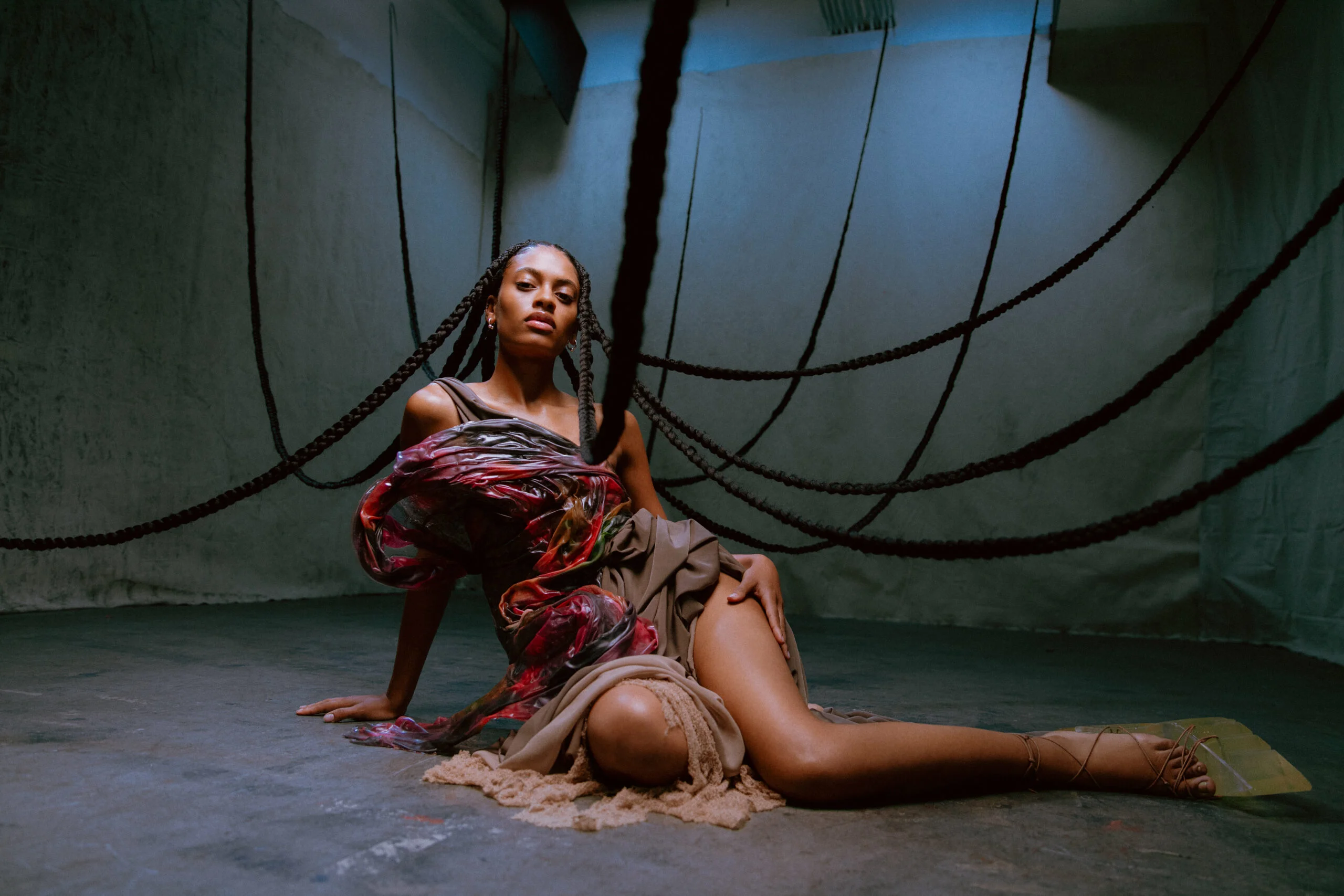
Singer-songwriter Annahstasia discusses the immense pressure artists face to go viral on TikTok, contrasting her deliberate artistic process with industry demands for quick hits and constant social media engagement, as revealed in a recent interview.
In an era increasingly dominated by algorithms and fleeting digital trends, the music industry is grappling with a profound shift in how artists connect with their audience and achieve success. At the heart of this transformation lies the omnipresent influence of platforms like TikTok, which can elevate obscure tunes to global phenomena overnight. However, for many artists, this viral pathway presents a double-edged sword, trading genuine artistic expression for the relentless pursuit of quick clicks and fleeting fame. Singer-songwriter Annahstasia, fresh off critical acclaim for her debut album 'Tether,' has become a vocal proponent of a more deliberate, intuition-driven approach, openly challenging the industry's pervasive pressure to "feed the machine" and achieve viral status, as detailed in a recent interview with ELLE.
The music landscape has dramatically inverted, moving from a gatekeeper model – where labels, radio, and MTV held sway – to one where individual tracks can explode through user-generated content on social media. For emerging artists, platforms like TikTok offer an unprecedented, democratic avenue to reach a massive audience without traditional industry backing. A catchy hook, a dance challenge, or a poignant snippet can propel a song to millions of listens and streams, often bypassing months (or even years) of conventional marketing efforts. However, this accessibility comes at a cost, creating immense pressure for artists to tailor their creative output, release schedules, and even their personal brand to fit the demands of the algorithm.
Annahstasia, whose debut album 'Tether' included songs over nine years old and was recorded three times, exemplifies a more traditional, painstaking approach to artistry. As she shared with ELLE, her process is about artistic intuition, not chasing trends. "In an era when artists are pressured to chase viral hits, post on social media, and constantly drop new singles, the L.A.-based singer-songwriter follows her artistic intuitions." This stands in stark contrast to the rapid-fire content creation often mandated by record labels and management in pursuit of TikTok virality. The expectation for constant new releases and engagement creates a hamster wheel effect, potentially diminishing the quality and longevity of an artist's work in favor of transient online relevance.
Annahstasia’s recent interview dives deep into the profound challenges artists face in maintaining their integrity amidst the clamor of the contemporary music industry. Her journey, marked by being signed and then "shelved" as a teenager, instilled in her a fierce dedication to protecting her artistic vision. She recounted to ELLE, "I was signed to a label—and then shelved—as a teen, and says the experience left her fiercely devoted to her art today. If she can’t protect it, no one else will." This early encounter with the industry's more exploitative facets shaped her resolve to dictate her own creative timeline and process, even if it means being labeled a "contrarian" or "rebel."
The success of 'Tether,' which landed on numerous best new album lists despite its unhurried creation, serves as validation for her approach. She emphasized the gratification of being "validated in your patience and also in your process, especially in a music landscape where everyone’s telling you to rush and go faster and take shortcuts—literally everyone." Annahstasia critically observes that many artists "feed the machine, feed the algorithm" without realizing they are taking shortcuts, creating a homogenized sound more designed for virality than lasting impact. Her insistence on a "clear vision" for her record, requiring it to "breathe" outside of a clinical studio environment, speaks volumes about her commitment to authenticity.
Her past experience with a major label further illuminates the insidious nature of industry control. Told they could make her a star, Annahstasia quickly discovered the "fine print": "We will make you a star if you do everything that we tell you and you have absolutely no opinions of your own, but somehow are also original and yourself and unlike anybody else." This paradoxical demand for both conformity and originality led to her being "shelved" when she refused to compromise her identity. This period of being under contract but denied funding or release – a particularly frustrating and damaging limbo for artists – fortified her understanding of the industry's pitfalls. This harsh lesson, learned at a young age, positioned her to assert greater control over her career, ensuring "Nobody’s puppeteering me, and nobody can," as she confidently affirms in her interview with ELLE.
The tension between artistic authenticity and commercial viability, particularly in the age of rapid-fire digital consumption, is not new, but TikTok has amplified its intensity. Annahstasia's experience sheds light on a systemic issue facing artists across the spectrum, from emerging talents to established stars. The pressure to conform to algorithmic demands can lead to creative burn-out, a loss of individual voice, and a homogenization of the music landscape. If every artist feels compelled to produce content specifically designed for short-form video, the rich diversity of musical expression could be stifled.
This dynamic also impacts how audiences consume music. The bite-sized, instantly gratifying nature of viral trends can inadvertently encourage superficial listening, where a 15-second soundbite replaces a deeper engagement with an entire album or an artist's broader narrative. Annahstasia’s deliberate pace and creation of 'Live at Glasshaus,' an anthology of live recordings of existing songs, instead of a quick follow-up album, directly counters this expectation of constant, novel output. This move emphasizes longevity and the intrinsic value of live performance and reinterpretation over the fleeting newness demanded by the algorithm, aligning with her philosophy that "making music... isn’t about ego. 'To be an artist is to be in service of the present and to be in service of the world,'" as quoted by ELLE.
The narratives of other successful artists also implicitly speak to this tension. Olivia Rodrigo, for example, is navigating the challenge of evolving her sound beyond the "angst and heartbreak" that defined her breakout hits. Her upcoming album, "You Seem Pretty Sad for a Girl So in Love," marks a deliberate departure from her previous four-letter title trend and color scheme. As reported by UConn Daily Campus, this shift raises questions among fans and industry observers about whether she can maintain her broad appeal while exploring new thematic and musical territory. Rodrigo's "strikingly versatile" songwriting ability, blending pop-punk with folk and stripped-down ballads, suggests an artist committed to growth beyond any single viral formula, much like Annahstasia's pursuit of a unique sonic identity.
The push for viral hits and algorithmic relevance isn’t just a challenge for new or mid-career artists; it also impacts how established acts approach their returns. While newer artists like Annahstasia and Olivia Rodrigo directly grapple with the immediate pressures of social media, their struggles reflect a wider industry expectation that favors visibility and continuous engagement over sustained creative legacy. Annahstasia's painful discovery of being "shelved" by a label in her youth highlights a long-standing power imbalance within the music business. This issue, where artists can be contractually bound but creatively stifled, predates the TikTok era but has been exacerbated by the industry's increasing emphasis on rapidly monetizable digital trends over long-term artist development.
Even a legendary artist like Jill Scott, who recently ended an 11-year hiatus, approaches her comeback with a deliberate vision that, while different in context, aligns with Annahstasia's emphasis on authenticity. Scott's return with "To Whom This May Concern," as detailed by Art Threat, was not rushed but carefully orchestrated after a decade of personal growth and reflection. Her album, spanning 19 tracks and moving fluidly between regional Black music sounds, represents a cohesive artistic statement about "womanhood and pressure," rather than a collection of potential viral snippets. This methodical approach from both a veteran and a relatively newer artist signals a quiet rebellion against the superficiality that modern industry pressures can impose, reaffirming that genuine artistic pursuit often thrives outside the immediate demands of the trending feed.
The contrast between Annahstasia's patient artistic development and the industry's demand for speed is stark. Her release of 'Live at Glasshaus' as a follow-up to 'Tether' further cements her commitment to revisiting and reinterpreting her existing work, rather than churning out new material solely to maintain algorithmic relevance. This move implicitly challenges the notion that artistic progression must always equate to new, never-before-heard songs. Instead, it positions music as a living, evolving entity, capable of new expression through reinterpretation, a philosophy that fundamentally clashes with the "feed the machine" mentality.
As the music industry continues to evolve at breakneck speed, the narratives of artists like Annahstasia will become increasingly vital. Her refusal to compromise, her patience, and her insistence on trusting her own process offer a powerful counter-narrative to the prevailing TikTok-driven model. The future will likely see a continued tension between the economic incentives of viral marketing and the intrinsic value of artistic integrity. While platforms like TikTok offer unprecedented exposure, artists and their teams will need to strategically navigate these spaces without sacrificing long-term creative health for short-term gains.
The success of Annahstasia's 'Tether,' and the anticipation surrounding Olivia Rodrigo's genre-bending new album, suggest that audiences are still hungry for depth and authenticity. The returns of artists like Jill Scott, with a clear and personal purpose after an extended hiatus, further reinforce that a meaningful artistic journey can transcend the immediate demands of the digital age. Ultimately, the question for artists and the industry alike will be how to harness the reach of new technologies without becoming enslaved by their ephemeral demands, ensuring that the art itself remains the paramount focus.
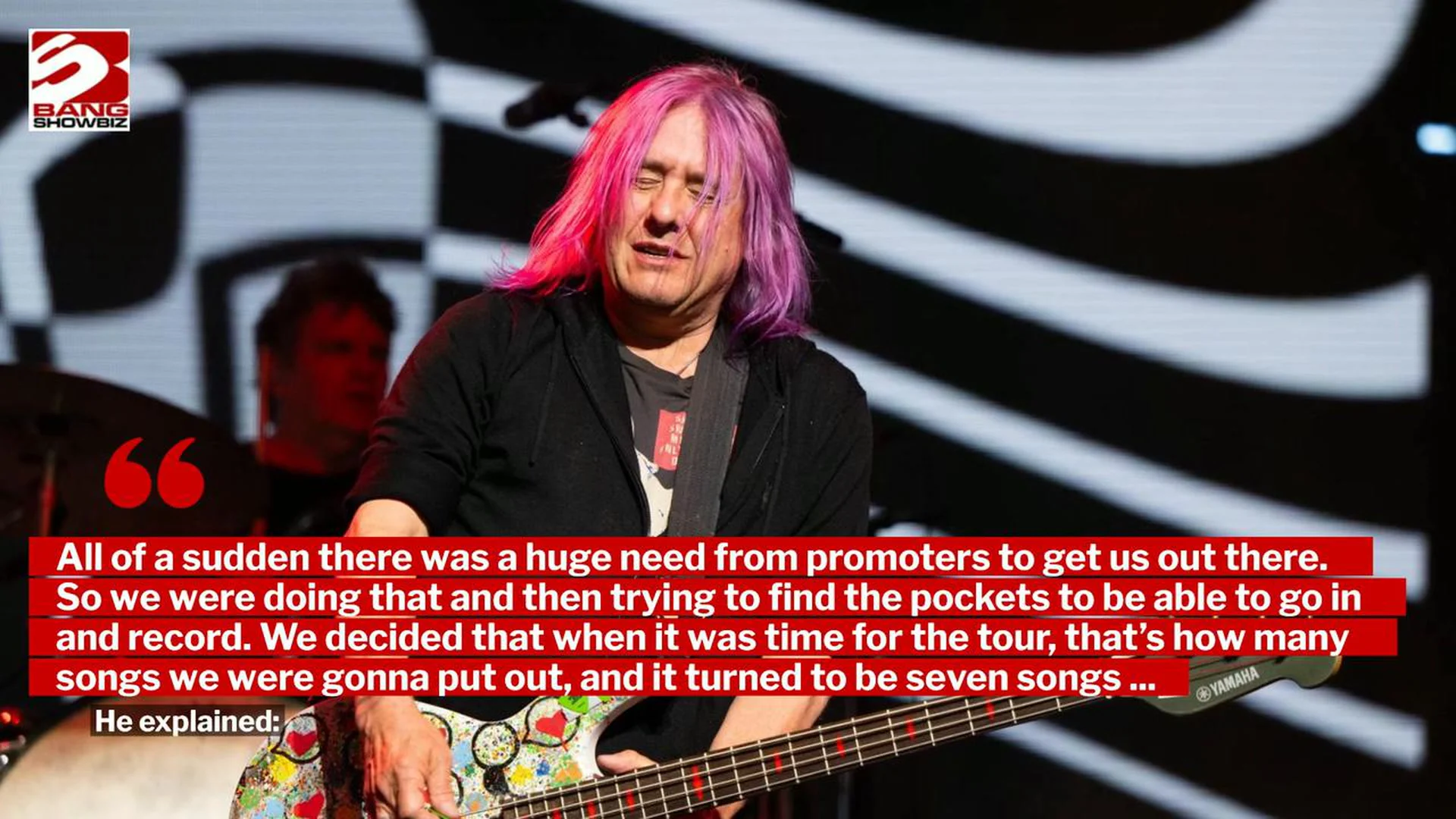
The Goo Goo Dolls have canceled the remainder of their Canadian tour due to frontman John Rzeznik's pneumonia, coming days after the band experienced a significant resurgence in popularity thanks to a viral TikTok trend featuring their 1998 hit "Iris."
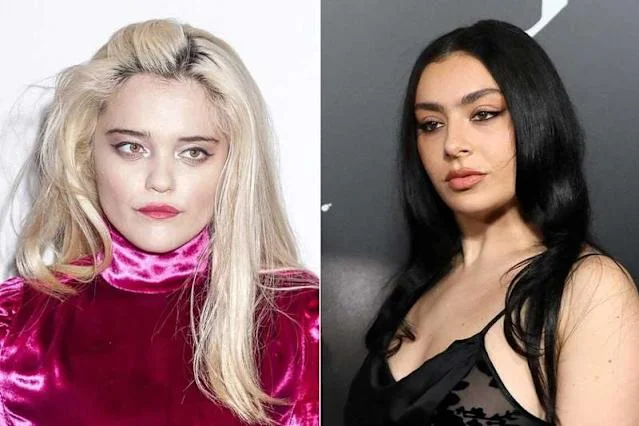
Charli XCX's management issues a comprehensive statement refuting Sky Ferreira's allegations of uncredited demo usage on the 'Wuthering Heights' album, detailing a rigorous credit review process.

Explore the surprising early careers of 55 music legends, from Billie Eilish in a children's choir to Billy Joel in a heavy metal band, revealing paths far removed from their eventual global fame and fortune.