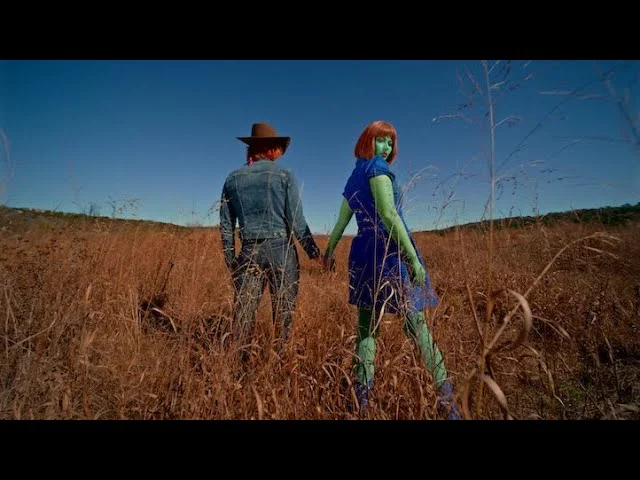
Nonbinary artist August Ponthier's debut album "Everywhere Isn't Texas" explores complex feelings about their home state, offering a powerful, nuanced narrative for queer individuals who choose to remain in challenging environments.
Nonbinary singer/songwriter August Ponthier’s debut album, "Everywhere Isn't Texas," isn't just a collection of songs; it’s a deeply personal and politically resonant exploration of home, identity, and the complicated love one can hold for a place that doesn't always love you back. Released recently, the album sees Ponthier, who grew up in Allen, Texas, returning to their roots both physically and emotionally, grappling with the evolution of their feelings about the Lone Star State since leaving nearly a decade ago. Their journey, marked by coming out as nonbinary and a name change, culminates in an album that serves as both a coming-of-age story and a powerful tribute to queer Texans who, despite adversity, choose to stay. The decision to host the album's release party back in Texas underscores the profound connection Ponthier maintains with their home, even as they acknowledge the profound grief and frustration experienced by queer individuals in the state.
August Ponthier’s artistic journey to "Everywhere Isn't Texas" has been one of significant personal and creative evolution. Having relocated from their hometown near Dallas almost a decade ago, Ponthier released three EPs and underwent a profound personal transformation, coming out as nonbinary and changing their name to August. This period of self-discovery away from Texas proved crucial in shaping the artist they are today and the nuanced perspective they bring to their debut full-length album, according to Out Magazine. Their college years were spent at the University of North Texas, a place they revisit with the album's release, noting the striking presence of "trans flags everywhere, Pride flags everywhere" — a stark contrast to the Texas they left behind. This visible shift highlights the growing, albeit often embattled, queer communities within the state, and Ponthier's role within them as a returning artist. The album itself, named after their home state, is a direct reflection of this complicated relationship, where love and longing coexist with frustration and grief over the state's political climate and its impact on LGBTQ+ individuals. The narrative isn't merely about leaving, but about the continuous conversation with a home that deeply shapes one's identity.
The core narrative of "Everywhere Isn't Texas" and its accompanying release in the Lone Star State is Ponthier's intricate relationship with Texas. As highlighted by Out Magazine, Ponthier initially held a "one-dimensional view" of their hometown, seeing it as a place they needed to escape. However, the subsequent years and their return have brought a flood of “really big complicated feelings.” Their workshops at the University of North Texas and witnessing the open expression of queer identity on campus proved "surreal" and emotionally charged. This experience underscores a central tension: the visible progress and growing acceptance for queer people in some pockets of Texas, juxtaposed with the harsh political realities and legislative challenges that make the state unsafe for many. Ponthier vocalizes this grief, stating, "I've been in tears all week being back here because I feel grief over the fact that the state that I love, my friends and loved ones, and even myself, cannot get the healthcare or the support or the love that really is owed to us."
The album’s themes resonate with the broader landscape of contemporary folk and indie music, which often serves as a platform for social commentary and personal narrative. While Ponthier's debut stands out for its specific focus on queer identity in Texas, it aligns with a general trend among rising artists to infuse their work with unique beats and deeply personal stories, as noted in the Daily Bruin’s recent overview of emerging talent. The folk genre, in particular, has historically been a vessel for protest and political consciousness, a tradition celebrated at events like the Folk Alliance International Conference. This year's FAI, themed "Rise Up," explicitly honored this tradition, showcasing artists whose work reflects societal concerns and lived experiences, as detailed by Live For Live Music. Ponthier's album, with its powerful closing reprise, "Until the day I'm breathless / I'll want the best for Texas… All those outcasts are the Texans," brilliantly encapsulates this spirit of hopeful defiance and solidarity, making it a significant contribution to both the personal narrative of queer identity and the lineage of folk music as a tool for change and representation.
August Ponthier’s "Everywhere Isn't Texas" is more than just a musical release; it's a powerful cultural touchstone that speaks to the complex realities of queer identity in what can often be a hostile societal landscape. The album's central tension—the love for one's home state despite its political stance against LGBTQ+ rights—reflects a prevalent experience for many marginalized individuals globally. This isn't merely about personal grievance; it's a microcosm of the political battles being waged over bodily autonomy and civil rights, particularly in states like Texas. By choosing to return for the album launch and explicitly addressing the "grief" over lack of healthcare and support for queer individuals, Ponthier transforms their art into a form of activism, giving voice to those who feel unseen and unsupported in their own communities.
Historically, folk music has been the genre of choice for expressing defiance, documenting social struggles, and building community, a legacy highlighted by events like the Folk Alliance International Conference, which recently focused on the theme of "Rise Up" to honor this very tradition. Ponthier's work fits squarely into this lineage, using personal narrative to illuminate broader societal issues. The decision to write a reprise, acknowledging "those outcasts are the Texans," is critically important. It shifts the narrative from one solely about escape to one celebrating resilience and the power of those who choose to stay and fight for change from within. This message of solidarity and sustained hope provides a vital counter-narrative, challenging the idea that leaving is the only solution and instead empowering those who remain as "heroes" for their continued presence and resistance. It emphasizes that identity, especially queer identity, is not monolithic, and the connection to one's roots can be a powerful wellspring of strength, even amid systemic challenges. This nuanced perspective offers a deeper level of engagement with the politics of place and identity than a simple condemnation or celebration could achieve.
Beyond the overarching themes of home and identity, Ponthier's album delves into the intricacies of personal growth and self-acceptance. The five-year gap between the writing of the title track and its reprise illustrates the profound evolution of their feelings, transforming an initial need to leave into a deeper understanding of those who remain. As they told Out Magazine, "leaving is a choice that only some of us have," highlighting the privilege inherent in their own departure and underscoring the strength of those who cannot or choose not to leave Texas. This recognition of varied experiences within the queer community strengthens the album's message of solidarity. The album’s exploration of gender identity is also deeply personal, with Ponthier connecting the album's creation to their own journey of understanding and ultimately embracing their nonbinary identity. They described feeling "deeply sad about my future" and experiencing gender dysphoria during the album's making, a feeling that dissipated "once I finally just said what I was and who I am out loud." This transformational process, moving from isolation to a sense of "more possibility," is woven into the fabric of the record.
Ponthier also redefines traditional notions of heroism and inspiration within the queer community. While acknowledging the importance of visible queer figures, they emphasize that their most significant representation comes from their everyday community. In discussing the song "Handsome," which playfully reclaims "It Boy" qualities, Ponthier highlights how their friends—"the people that live in my neighborhood and have taught me how to tie a tie or have helped me go to events"—are their true heroes, providing tangible support and affirmation. This underscores the vital role of grassroots community building and mutual aid in fostering queer joy and resilience, a sentiment that resonates deeply within the folk music tradition. The album therefore not only explores the difficulties but also celebrates the profound strength found in chosen family and local queer networks, providing a holistic and deeply human portrayal of their experience. This collaborative spirit, where artists find strength and innovation in connection, is a recurring theme across the music industry, evident in collaborations like "American Road In New Jersey" by Roy Blair and James Ivy, as described in the Daily Bruin, demonstrating how shared experiences and artistic partnerships can lead to compelling new sounds and narratives.
The release of "Everywhere Isn't Texas" marks a significant moment for August Ponthier as an artist, signaling both an end to an old chapter and the vibrant beginning of a new one, as they noted to Out Magazine. Their journey back to Texas, both physically and thematically, sets a compelling precedent for future work that will likely continue to explore the complexities of identity, home, and social justice. As the album resonates with listeners, especially within queer communities and among those grappling with similar feelings about their own conflicted homelands, Ponthier's voice is poised to grow in influence within the indie and folk music scenes. The album's powerful message for queer Texans who stay will undoubtedly foster further conversations and advocacy, potentially inspiring other artists to use their platforms for similar nuanced explorations. Moving forward, it will be interesting to observe how Ponthier continues to balance personal narrative with broader political commentary, further cementing their role as a significant voice for queer resilience and community within contemporary music. The ongoing dialogue around LGBTQ+ rights in states like Texas ensures that Ponthier's anthem will remain relevant for the foreseeable future, offering solace and strength to those who hear themselves reflected in its powerful lyrics.
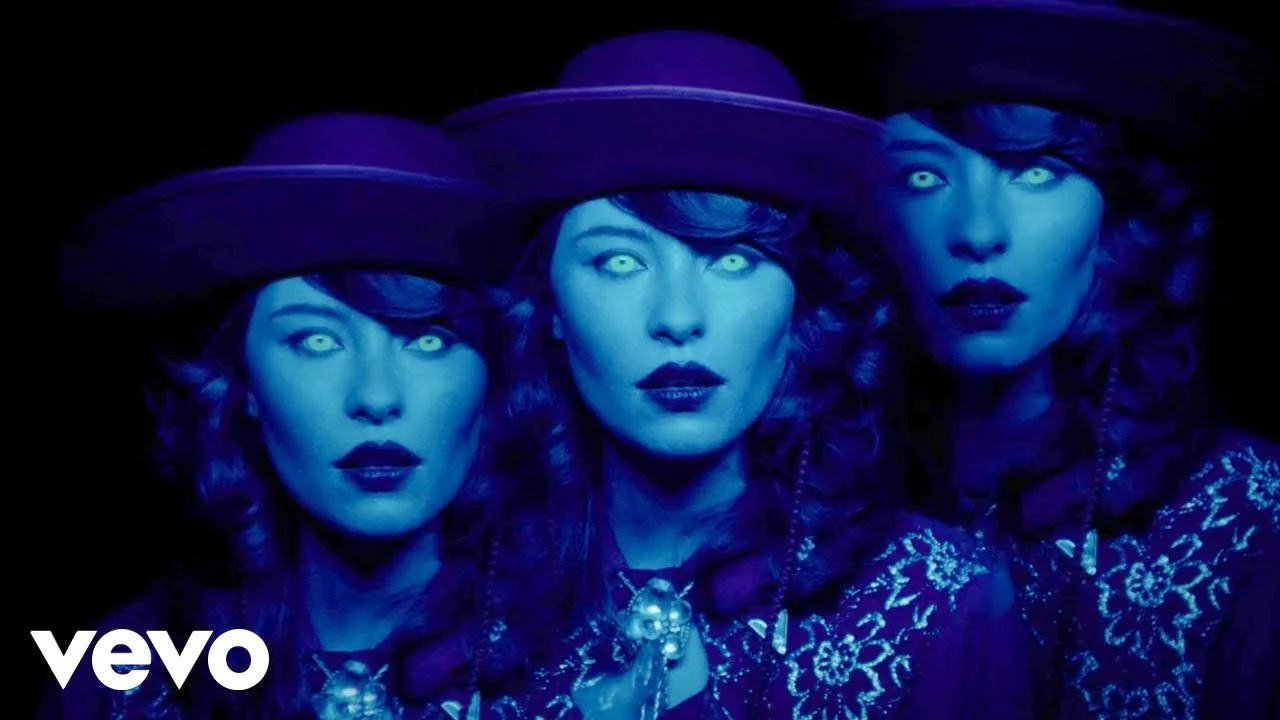
August Ponthier's debut album, "Everywhere Isn't Texas," is heralded as the reinvention album of 2026, offering a deeply personal exploration of self-discovery and navigating the complexities of the modern music industry.

Selection Sunday ignites March Madness fervor as the 2026 Women's NCAA Tournament bracket is revealed, with top seeds confirmed and intriguing matchups predicted, setting the stage for a thrilling championship run.

The 'O Brother, Where Art Thou?' soundtrack celebrates 26 years, proving its enduring impact on folk and Americana music, highlighted by a star-studded Opry tribute.