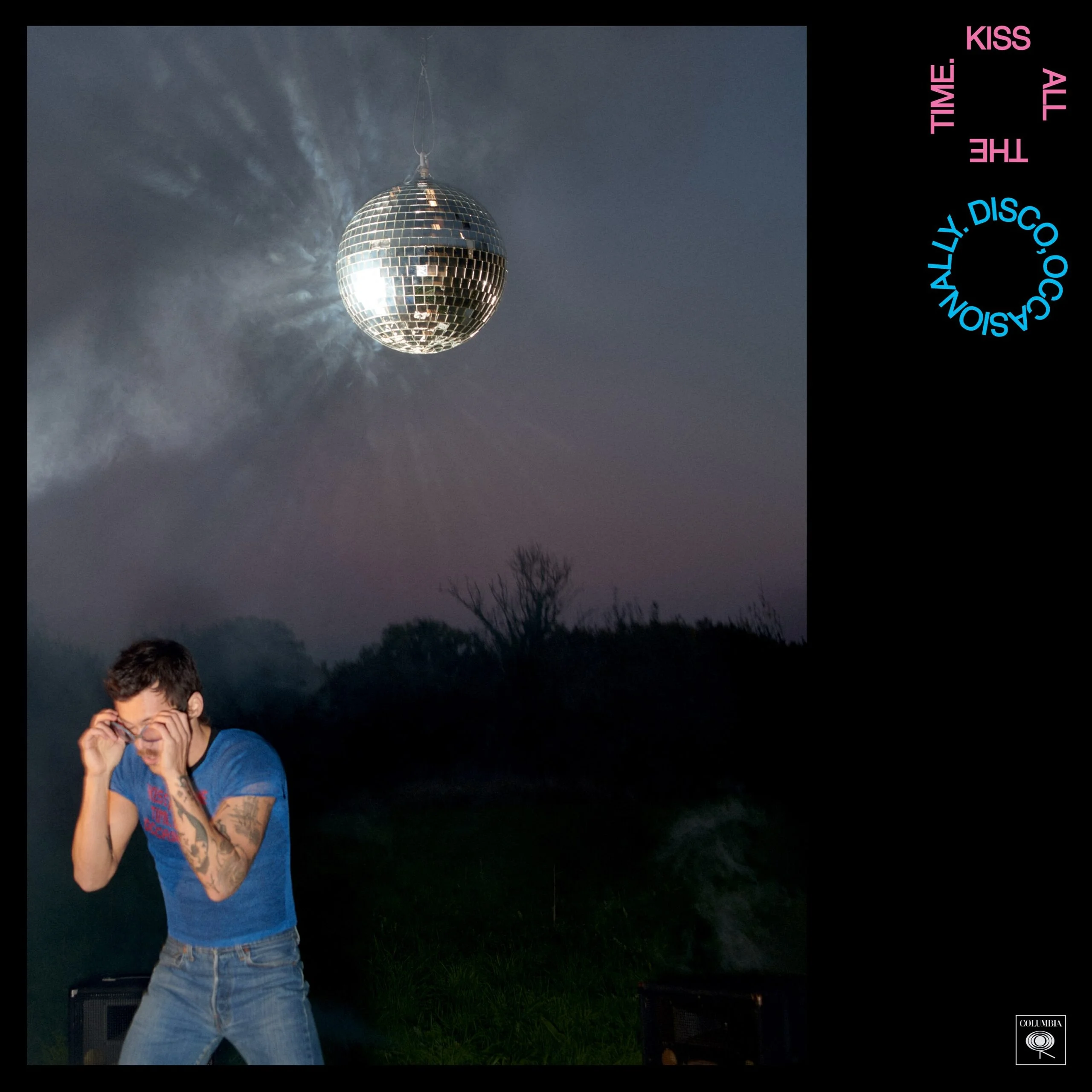
After a four-year hiatus from solo releases, global pop sensation Harry Styles has made a significant and somewhat surprising return with his fourth studio album, "Kiss All The Time. Disco, Occasionally." The album, released to eager anticipation from fans, showcases a marked departure from his familiar "bedroom pop" sound, venturing boldly into dance and electronic genres. While critics and fans alike are buzzing about this new sonic direction, early reviews suggest a complex tapestry of infectious grooves, introspective themes, and occasional lyrical missteps that nonetheless solidify Styles' place as an evolving artist in a pop landscape frequently dominated by female powerhouses.
A Bold New Direction and the Pop Landscape
The music industry has, in recent years, seen undeniable dominance from female artists. With figures like Taylor Swift, Ariana Grande, and Sabrina Carpenter all releasing acclaimed work over the past year, the pop scene has been vibrant and competitive. Yet, even amidst strong contenders such as Conan Gray and Benson Boone, a distinct anticipation for Harry Styles' return lingered. This longing has been met with "Kiss All The Time. Disco, Occasionally.," an album that CardinalMediaBSU.com describes as a "drastic—but successful—leap into a new sound." Styles, known for his upbeat pop music, has embraced a heavy dance/electronic influence, infusing the record with a fresh, funky vibe. Tracks like "Pop" and "Dance No More" are highlighted as particularly "addicting," indicating a natural fit for Styles within this new genre. While the album largely leans into this new territory, songs such as “American Girls” and “Taste Back” offer a bridge between his older, familiar sound and this new direction, providing a comforting blend for listeners.
Navigating Genre Shifts and Lyrical Nuances
Styles’ pivot to disco and electronic elements marks a significant evolution in his artistic journey. This kind of genre experimentation is not uncommon in the music industry, where artists constantly seek to reinvent themselves and engage new audiences, a sentiment echoed in the discussion around artist development and audience engagement by industry leaders like Lyor Cohen of YouTube. Cohen emphasizes the "tidal wave of choice" facing music fans, suggesting that artists need to build a "comprehensive visual storytelling ecosystem" to stand out and connect deeply with their audience, as discussed in the Music Business Worldwide report. While Styles' genre shift is a musical one, the implication for his long-term career parallels Cohen's vision for creating sustainable artistry. The CardinalMediaBSU.com review notes that while the new sound is largely celebrated, the album is not without its imperfections. Ballads like "Coming Up Roses" and "Paint By Numbers" are described as somewhat out of place, breaking the album's otherwise cohesive dance flow. Despite their thematic relevance, their musical placement or execution makes them less likely to be revisited by this particular critic. This delicate balance between maintaining artistic integrity through introspection and delivering a commercially appealing, genre-consistent product is a challenge many artists face. Styles’ thematic focus on his perception as a musician versus his self-identity is potent, yet, some of the lyrical choices are found to be occasionally "mediocre." Lines such as "and you apologize, a dirty clown" from "The Waiting Game" are cited as peculiar and distracting, suggesting that while the overarching themes are strong, the execution of some individual phrases falls short.
Analysis: The Evolving Landscape of Pop Stardom and Artist Value
Harry Styles' bold move into dance and electronic music on "Kiss All The Time. Disco, Occasionally." is more than just a musical experiment; it's a strategic maneuver in an increasingly fragmented music industry. In an era where "the democratization of music hasn't been a straight line," as YouTube's Global Head of Music Lyor Cohen observes (Music Business Worldwide), artists are under pressure to continually reinvent themselves while forging deeper connections with their fanbase. Styles, already a proven stadium-filler, is now leveraging his massive platform to explore new sonic territories. This diversification not only keeps his sound fresh but also allows him to tap into different audience segments, potentially extending his career longevity beyond the traditional pop star trajectory. The mixed critical reception, particularly regarding lyrical quality and ballad placement, highlights the inherent risks of such experimentation. For an artist of Styles' caliber, known for his charismatic persona and heartfelt lyricism, any perceived weakness in songwriting can be amplified. However, the overarching success of the genre shift indicates a willingness to prioritize artistic growth over absolute critical consensus, pushing boundaries in a way that resonates with a significant portion of his audience. This brave exploration is a testament to the modern artist's need to adapt, innovate, and maintain authenticity amidst a "tidal wave of choice" for listeners.
Album's Core Themes and Industry Dynamics
Despite some lyrical stumbles, the core themes of "Kiss All The Time. Disco, Occasionally." resonate deeply, offering a special glimpse into Styles' personal life and his experiences in the limelight. The album explores the dichotomy between public perception and self-identity, a poignant narrative for an artist who rose to global fame at just 16 with One Direction. "Carla’s Song," despite its repetitiveness, delivers powerful and introspective lyrics such as “It’s all waiting there for you,” and “I know what you like, you can hear it anytime.” These lines, as noted by CardinalMediaBSU.com, effectively encapsulate the album's message: the potential for a better life exists if one can look beyond external perceptions. This introspection, while occasionally imperfect in its delivery, ultimately strengthens the album's emotional core and provides a compelling narrative for listeners. Meanwhile, the music industry continues to grapple with evolving monetization strategies and the challenge of valuing artistic output, a stark contrast to Styles' traditional album release. Former KISS guitarist Vinnie Vincent, for example, is attempting to sell his upcoming album, "Judgment Day Guitarmaggedon," for an unprecedented $2 million, effectively selling the rights to release it, according to Syracuse.com. Vincent's struggles with traditional sales and streaming models underscore the shifting economic realities for many artists, particularly those outside the mainstream pop machine, highlighting the chasm between established, successful artists like Styles and those seeking alternative avenues for compensation in a challenging digital landscape.
Looking Ahead: The Tour and Future Artistic Directions
Harry Styles embarking on a new sonic adventure with "Kiss All The Time. Disco, Occasionally." is a powerful statement about his artistic resilience and desire for evolution. Even with the identified mixed-bag nature of some tracks and lyrical imperfections, his willingness to step outside his comfort zone into a new genre is commended by critics. The album's strong foundation in dance and electronic music, despite its occasional missteps, has set the stage for what promises to be a vibrant and energetic tour. With the "Together, Together" tour scheduled to commence this summer, the album is poised for a long and healthy run, solidifying its presence in the music landscape as noted by CardinalMediaBSU.com. This upcoming tour will be a crucial test of how the album's new sound translates to live performances and how fans will embrace this evolution in a concert setting. For Styles, this chapter not only ushers in a fresh sound but also cements his reputation as an artist consistently pushing his creative boundaries, ensuring that his career remains dynamic and engaging for years to come.