Las Vegas Triumphs Again, Awarded Super Bowl 63 as NFL Embraces Entertainment Hub
Las Vegas has been selected to host Super Bowl 63 in 2029 at Allegiant Stadium, marking its second Super Bowl in five years. This decision solidifies the city's role as a premier NFL event destination.

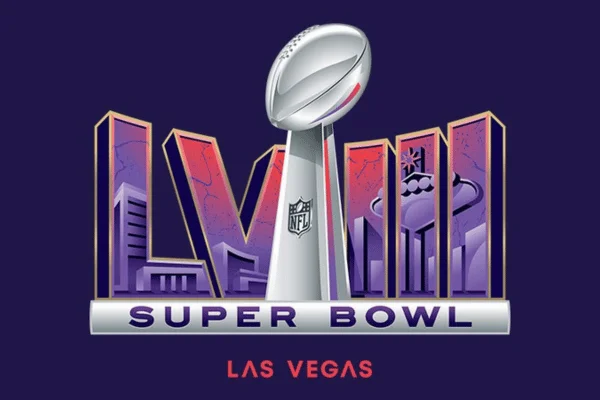
In a move that further cements its status as a premier hub for major sporting events, Las Vegas has officially been awarded Super Bowl 63, marking the city's second time hosting the NFL's championship game within a five-year span. The announcement, made at the league’s owners meeting on March 30, confirmed that Allegiant Stadium will once again be the venue for the highly anticipated event in 2029. This swift return to the entertainment capital underscores the NFL's satisfaction with Super Bowl LVIII, held earlier in 2024, and its growing embrace of the West Coast for its marquee events.
Background and Context: The Rise of Las Vegas as an NFL Power Player
The journey of Las Vegas from a city without a major professional sports team to a coveted Super Bowl host is a remarkable one, reflecting a dramatic shift in both the city's image and the NFL's strategic outlook. For decades, the NFL maintained a strict anti-gambling stance, effectively barring Las Vegas from serious consideration for team relocation or major event hosting. However, as sports betting became increasingly legalized and integrated into the fabric of American sports, the league's position softened considerably. This paved the way for the Raiders' relocation from Oakland in 2020 and the construction of the state-of-the-art Allegiant Stadium, a move that immediately signaled Las Vegas's potential as a prime destination for the Super Bowl. The city's first turn as host for Super Bowl LVIII in 2024, which saw the Kansas City Chiefs defeat the San Francisco 49ers in an overtime thriller, was widely lauded for its execution, energy, and fan experience. As Yahoo Sports reported, NFL Commissioner Roger Goodell praised the city’s ability to deliver an "incredible experience" and highlighted the "scale, energy and hospitality" it brings to global events. This foundational success laid the groundwork for its swift re-selection, indicating a strong vote of confidence from the league’s ownership.
Key Developments: Las Vegas's Rapid Ascent in NFL Hosting
The decision to award Super Bowl 63 to Las Vegas solidifies a trend that has seen the NFL increasingly favor West Coast venues for its championship game. As Yahoo Sports detailed, Super Bowl 56 was held at Inglewood, California's SoFi Stadium, followed by Super Bowl 57 at State Farm Stadium in Glendale, Arizona. Las Vegas then hosted Super Bowl 58, and the league is set to return to California for Super Bowl 60 at Levi's Stadium in Santa Clara, and again to SoFi Stadium for Super Bowl 61. While there are Northeast and Southeast hosts interspersed — Super Bowl 59 at the Caesars Superdome in New Orleans and Super Bowl 62 at Mercedes-Benz Stadium in Atlanta — the concentration of recent and upcoming Super Bowls in the western U.S. is undeniable. NFL Commissioner Roger Goodell expressed the league's enthusiasm for the returning to Las Vegas, stating, "We’re excited to bring the Super Bowl back to Las Vegas and provide our fans another incredible experience in one of America’s greatest sport and entertainment destinations." He further emphasized the goal to "deliver an even greater experience this time around." Las Vegas Raiders owner Mark Davis echoed this sentiment, calling the re-selection "a testament to the Raiders, the LVCVA, civic leaders, the community, and the NFL working together as one." Davis committed to "raising it even further" for Super Bowl LXIII, building on the "high bar" set by Super Bowl LVIII. This commitment from both the league and local stakeholders highlights the collaborative effort behind securing such a coveted event, reflecting Las Vegas's growing momentum as a sports and entertainment powerhouse.
Analysis: What This Means for the NFL and Host Cities
The NFL's decision to bring the Super Bowl back to Las Vegas so quickly is more than just a logistical choice; it's a strategic endorsement of the city's unique appeal and a significant indicator of the league's evolving priorities. Historically, the Super Bowl was often rotated among a broader array of cities, with a longer gap between repeat hosts. This rapid return to Vegas suggests that the NFL prioritizes a combination of state-of-the-art facilities, a robust hospitality infrastructure, and a compelling destination experience for its largest event. Las Vegas offers all of these in spades, with its massive hotel capacity, world-class entertainment options, and the proven ability to handle large crowds, as showcased during Super Bowl LVIII. This move also highlights the increasing commercialization of the Super Bowl. While fan experience and legacy projects remain important, the undeniable draw of Las Vegas for tourism, high-end hospitality, and sponsorship activation likely played a crucial role. For other potential host cities, this could signify a need to seriously evaluate their existing infrastructure and the "experience" they can offer beyond just a stadium. The bar for hosting the Super Bowl, particularly in terms of fan and sponsor engagement, has clearly been raised by the success of recent western hosts. Furthermore, the NFL's simultaneous embrace of innovative ventures, such as its partnership with TMRW Sports to launch a professional flag football league, demonstrates a league keenly attuned to market trends and diversification. While seemingly disparate, both developments reflect an organization focused on expanding its global footprint and tapping into new revenue streams and fan bases.
Additional Details: NFL's Broader Strategic Moves and Upcoming Hosts
While the focus is on Super Bowl 63 returning to Las Vegas, it's crucial to contextualize this decision within the broader landscape of the NFL's strategic planning and its other significant initiatives. The calendar for upcoming Super Bowls showcases a mix of established and newer venues. Following Super Bowl 58 in Las Vegas, the next few years will see the championship game travel across different regions: Super Bowl 59 is slated for the Caesars Superdome in New Orleans, Louisiana, a city synonymous with iconic Super Bowls. Super Bowl 60 will be held at Levi's Stadium in Santa Clara, California, marking another return to the Golden State. Atlanta, Georgia, will host Super Bowl 62 at Mercedes-Benz Stadium, a modern venue known for its technological advancements. Before Las Vegas hosts again, Super Bowl 61 is set to bring the event back to SoFi Stadium in Inglewood, California, further emphasizing the West Coast's prominent role. This strategic rotation, interspersed with repeat visits to high-performing cities like Las Vegas and Inglewood, suggests a league that is balancing tradition with a keen eye on maximizing economic impact and fan engagement. Meanwhile, the NFL is also innovating off the field, as evidenced by its recent partnership with TMRW Sports to launch a professional flag football league. As reported by NFL.com, this initiative, backed by a staggering $32 million investment from NFL clubs and a star-studded group of investors including Peyton Manning, Tom Brady, and Serena Williams, highlights the league's commitment to expanding the sport's reach. This flag football venture targets rapid global growth, aiming to transform flag football into a premier global sport. This parallel development showcases the NFL’s multifaceted approach to growth, combining the spectacle of the Super Bowl with new grassroots and professional league developments.
Looking Ahead: The Future of Super Bowl Hosting and NFL Expansion
The swift re-selection of Las Vegas to host Super Bowl 63 sets a compelling precedent for future host city considerations. It suggests that cities with purpose-built, cutting-edge stadiums and a proven track record of handling massive events with flair and efficiency will have a distinct advantage. This could prompt other cities hoping to land a Super Bowl to re-evaluate their infrastructure and overall destination appeal, potentially spurring further investment in sports tourism and urban development. For Las Vegas, this repeat hosting gig solidifies its long-term relationship with the NFL, positioning it as a go-to destination for major league events beyond just the Super Bowl. The continued success of these events will not only provide significant economic boosts but also elevate the city's global profile as a sports and entertainment mecca. Moreover, the NFL's concurrent efforts to launch a professional flag football league, as detailed by NFL.com, signals a broader strategy of expansion and diversification. This move into flag football, with its lower barrier to entry and rapid global growth, is likely to attract new demographics and strengthen the NFL's international presence, ensuring sustained interest in American football for generations to come. The league appears poised to capitalize on both the established spectacle of the Super Bowl and the burgeoning potential of new sports ventures, charting an ambitious course for its future.
Related Articles
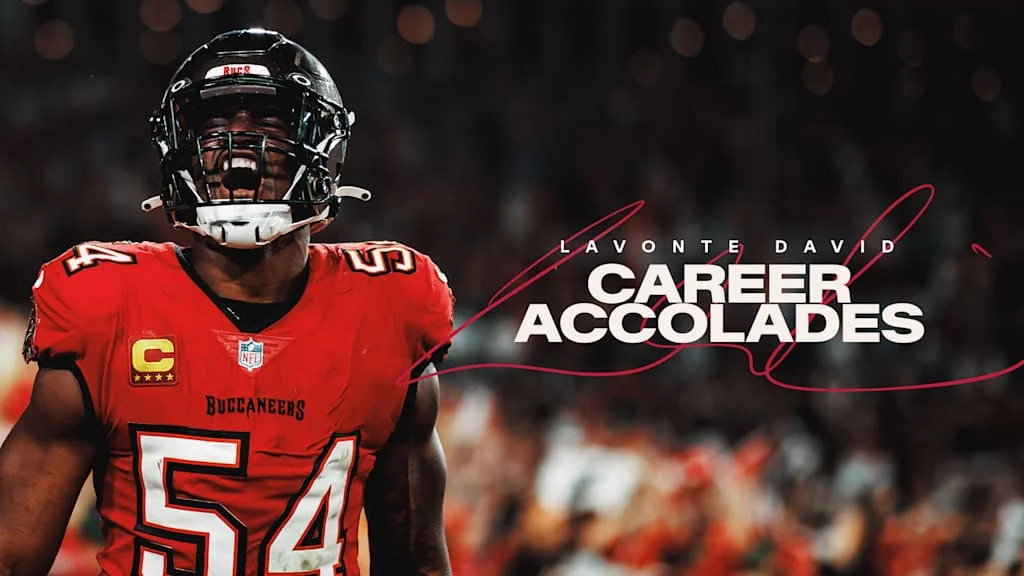
Lavonte David Retires After Illustrious 14-Season Tenure with Tampa Bay Buccaneers
Tampa Bay Buccaneers legend Lavonte David announces his retirement after 14 seasons, leaving behind a Super Bowl ring and a legacy of leadership.