NBA Targets Las Vegas, Seattle for 2028 Expansion Amidst Billions in Projected Fees
The NBA is reportedly planning a 2028 expansion to Las Vegas and Seattle, involving potential $7-10 billion fees per team and a crucial board of governors meeting.

The National Basketball Association (NBA) is reportedly charting a course for significant expansion, with Las Vegas and Seattle emerging as the primary targets for two new franchises by the 2028-29 season. This strategic move, which could swell the league to 32 teams, marks the NBA's first expansion effort since 2004 and comes with a hefty price tag, as expansion fees are projected to reach an unprecedented $7-10 billion per team. The league's board of governors is slated to convene next week to delve deeper into these plans, setting the stage for what could be a transformative period for professional basketball, according to information first reported by ESPN and synthesized by Yahoo Sports.
Background and Context
The NBA's consideration of expansion is not a spur-of-the-moment decision but rather the culmination of years of speculation and strategic positioning. The league last welcomed new teams in 2004 when the Charlotte Bobcats (now Hornets) joined the fold. Since then, the NBA has focused on international growth, digital engagement, and solidifying its existing market footprint. However, the economic landscape of professional sports has shifted dramatically, with major leagues increasingly eyeing new revenue streams and untapped markets. Las Vegas, a city that has rapidly transformed into a major professional sports hub, and Seattle, a market with a fervent basketball legacy, represent prime opportunities. The loss of the Seattle SuperSonics in 2008, when owner Clay Bennett controversially relocated the franchise to Oklahoma City following an arena dispute, left a void that many in the NBA community and Seattle fans have long hoped to fill. This historical context provides a powerful narrative backdrop to the current expansion discussions, highlighting both financial potential and a chance for reconciliation with a once-thriving NBA city.
Key Developments and Discussions
Recent developments underscore the seriousness with which the NBA is approaching this expansion. According to Yahoo Sports, ESPN's report details that the league’s board of governors is scheduled to meet next week to officially explore the addition of franchises in Las Vegas and Seattle. This meeting is expected to be a crucial step in the process, as it will determine the league's direction regarding accepting bids exclusively from potential ownership groups in these two cities. The financial figures being circulated are staggering: industry executives are forecasting expansion fees in the range of $7 billion to $10 billion per team. Such figures would dwarf previous expansion fees across all major sports leagues, signaling the immense value and profitability the NBA now commands. Both new franchises are anticipated to quickly rank among the NBA’s top eight revenue generators, an indicator of the significant market appeal and projected financial success in both locations. Nevada Governor Joe Lombardo recently met with NBA Commissioner Adam Silver to discuss the burgeoning sports market in Las Vegas and the potential for an NBA franchise, as reported by the Las Vegas Review-Journal. This meeting further solidifies the city’s proactive efforts to court the league. Furthermore, NBA legend Magic Johnson has reportedly engaged with Governor Lombardo about potentially joining an ownership group for a Las Vegas team, adding star power and significant credibility to the city's bid. While a definitive timeline remains fluid, a vote to finalize the expansion could occur later this year, requiring approval from 23 of the 30 current governors. Commissioner Adam Silver had previously stated in December that the league intended to make a decision on further expansion by 2026, suggesting that these current developments are accelerating that timeline, potentially aiming for the 2028-29 season.
Analysis: What This Means
The potentially colossal $7-10 billion expansion fees signal a new era of sports franchise valuation, profoundly impacting the economic landscape of professional sports. This staggering figure is not merely a reflection of the NBA's current profitability but also a forward-looking assessment of its future growth potential, particularly in global markets and digital media. For existing owners, this provides a significant boost to the value of their current franchises, as the cost of entry for new teams acts as an upward pressure on all team valuations. It also represents a substantial cash infusion for the league, which could be distributed among current owners, offering financial stability or opportunities for further investment in league infrastructure and initiatives. Beyond the financial implications, the selection of Las Vegas and Seattle is strategically sound. Las Vegas, having successfully integrated NFL and NHL franchises, along with the impending arrival of MLB's A's by 2028, has proven its capacity to support professional sports at the highest level. Its growth as an entertainment capital, coupled with its increasing population, makes it an attractive, largely untapped NBA market. For Seattle, the return of the NBA would be a triumphant narrative of redemption. The city’s passionate fan base, still feeling the sting of the SuperSonics’ departure, would embrace a new franchise with fervor. This re-entry would not only mend historical wounds but also tap into a robust tech-driven economy and a strong local basketball culture, promising immediate fan engagement and financial success. The urgency in these discussions, moving faster than Commissioner Silver's initial 2026 projection, also suggests a confluence of factors – strong market interest, willing investors, and a favorable economic climate – that are propelling the league towards this expansion.
Additional Details and Market Dynamics
The selection of Las Vegas and Seattle isn't just about money; it's about strategic market positioning. Las Vegas, a city once considered unsuitable for professional sports due to concerns about gambling, has decisively shed that image. The success of the NFL's Raiders and the NHL's Golden Knights has proven the city's viability and, more importantly, its tremendous capacity for attracting entertainment dollars and building dedicated fan bases. The additional news of the Oakland A's planning to relocate to Las Vegas by the 2028 MLB season further solidifies its status as a multi-sport professional league city. This burgeoning sports ecosystem provides a ready-made competitive landscape and infrastructure for a new NBA team. For Seattle, the story is one of a homecoming. The SuperSonics were a foundational NBA franchise, contributing significantly to the league's history and boasting a passionate fan base. Their controversial departure in 2008 left a void that has been deeply felt. The city has demonstrated its enduring support for basketball through various initiatives and the consistent success of its WNBA team, the Seattle Storm. A new NBA arena, Climate Pledge Arena, already exists, removing a significant hurdle that often delays expansion efforts. Both markets present compelling cases for immediate financial success and strong community integration. The projected status of these new franchises as top-eight revenue generators within the league speaks volumes about the perceived strength of their respective fan bases, corporate sponsorship opportunities, and regional media markets. This rapid integration into the league's top financial tier further justifies the extraordinary expansion fees being floated by industry executives, indicating a high level of confidence in the long-term profitability and stability of these potential ventures.
Looking Ahead
The impending board of governors meeting next week will be pivotal, potentially setting in motion a formal bidding process for Las Vegas and Seattle. Should the proposal gain the necessary 23 out of 30 votes from current team governors, the NBA could move swiftly, with a final decision potentially coming later this year. The ultimate goal, as reported by Yahoo Sports, is for these two new franchises to begin play for the 2028-29 season, signaling a relatively aggressive timeline for such a significant undertaking. The league will be closely watching how these discussions progress, as they have far-reaching implications for scheduling, divisions, and player allocation via potential expansion drafts. The economic impact of these multi-billion dollar fees will also be a key area of focus, both for the league and for potential ownership groups. This is not just about adding two teams; it’s about reshaping the NBA’s future, confirming its status as a premier global sports product and solidifying its financial strength for decades to come.
Related Articles
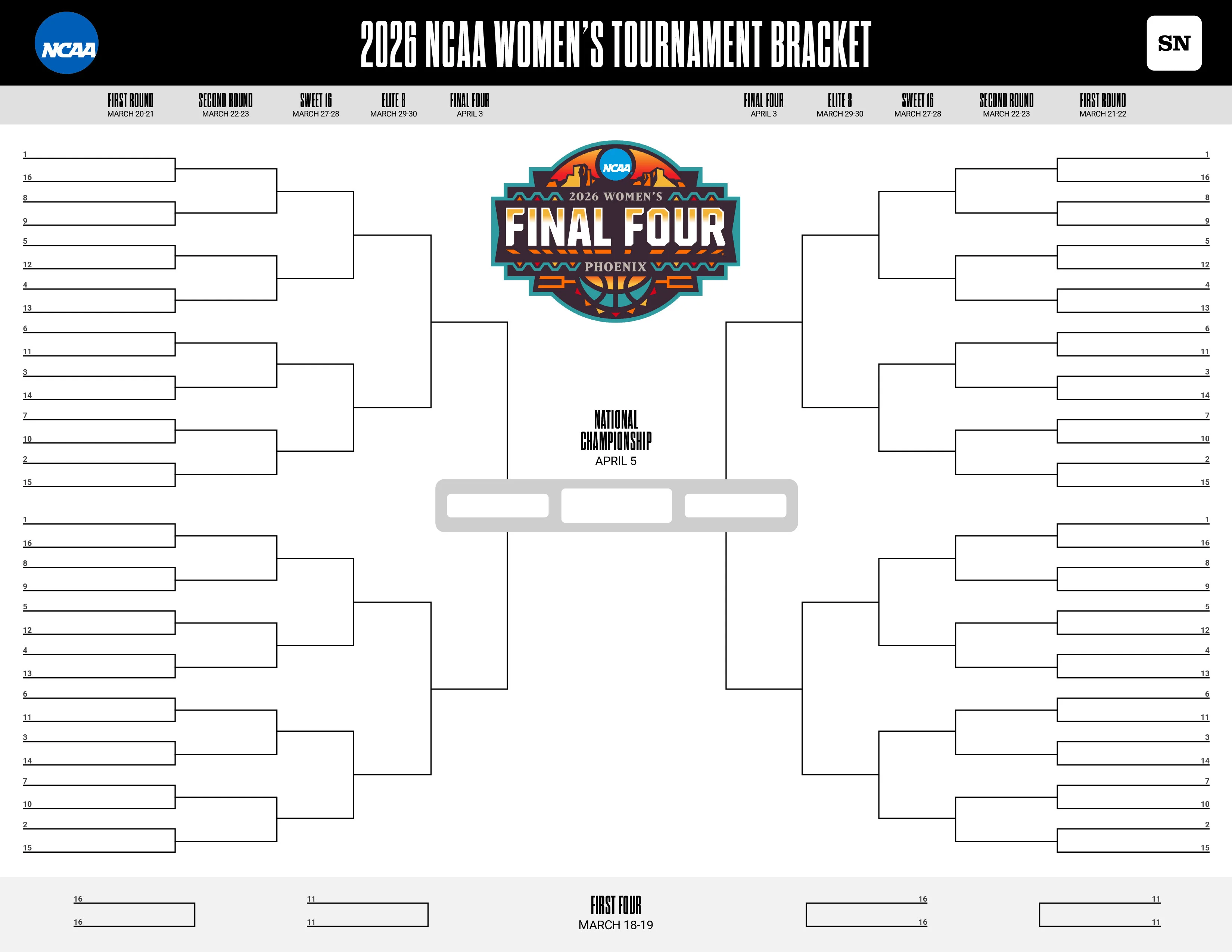
Anticipation Builds as 2026 Women's NCAA Tournament Bracket is Unveiled on Selection Sunday
Selection Sunday ignites March Madness fervor as the 2026 Women's NCAA Tournament bracket is revealed, with top seeds confirmed and intriguing matchups predicted, setting the stage for a thrilling championship run.