Quad God's Crown Slips: Malinin's Shocking Fall at Milan Cortina Olympics
American figure skating sensation Ilia Malinin, dubbed the "Quad God," unexpectedly crumbled under Olympic pressure, missing the podium entirely at the Milan Cortina Games.

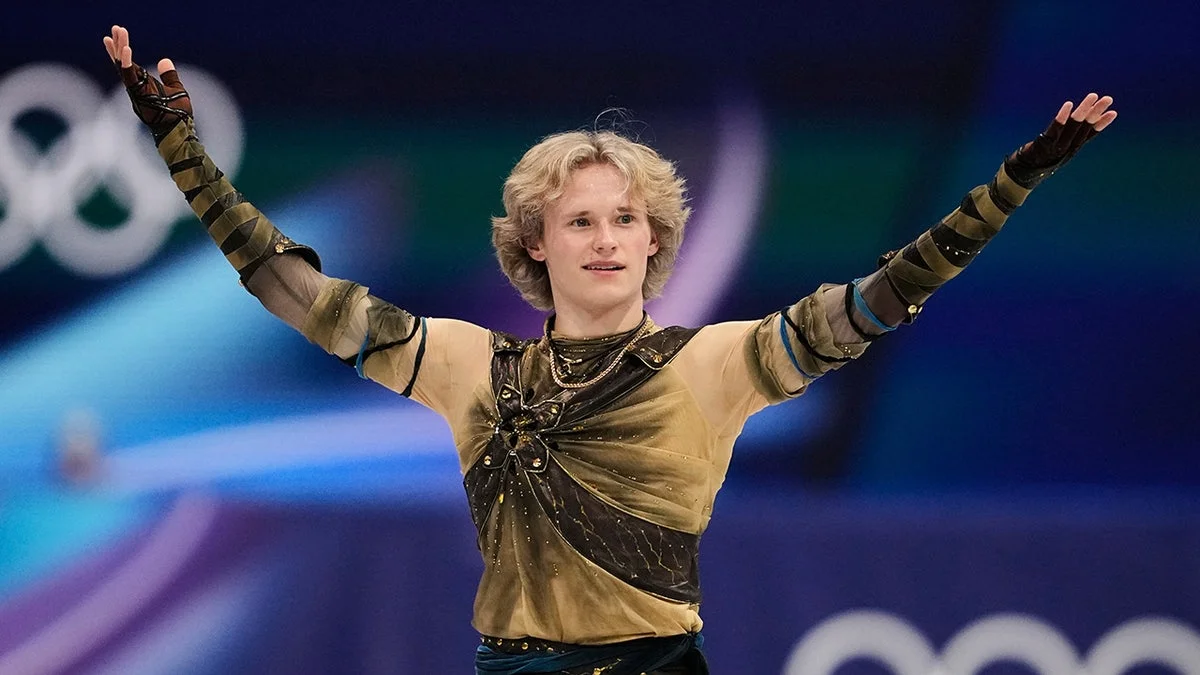
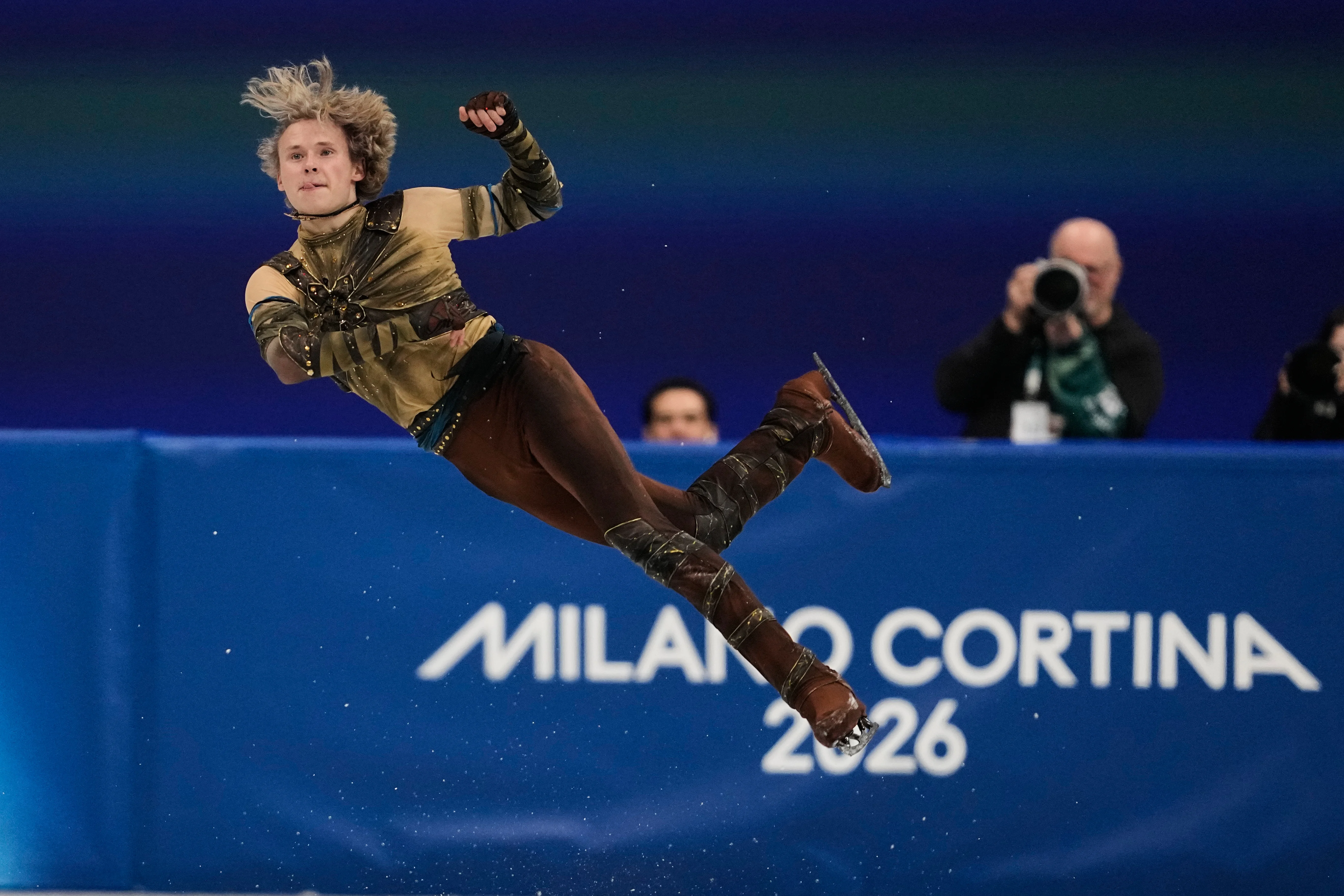
Milan, Italy – The ice inside the Milano Ice Skating Arena, usually a canvas for precision and grace, became the stage for an unexpected drama today, as American figure skating prodigy Ilia Malinin, universally known as the “Quad God,” faltered in a stunning performance that saw him tumble from gold medal favorite to entirely off the podium. The 21-year-old, whose mastery of quadruple jumps and daring backflips had captivated the skating world and secured him a team gold earlier in the Games, succumbed to Olympic pressure in a manner that left both spectators and himself in disbelief. His highly anticipated individual free skate, expected to be a coronation, instead brought an abrupt and soul-searching end to his Olympic medal hopes.
Background and The Weight of Expectation
Ilia Malinin arrived at the Milan Cortina Games with a formidable reputation and the heavy mantle of expectation. Hailing from Virginia, Malinin had distinguished himself in the sport through an unparalleled ability to execute complex quadruple jumps, earning him the moniker "Quad God." This season, he had consistently demonstrated his prowess, most notably by landing the elusive quadruple axel, a jump few in history have even attempted, let alone perfected. Just days prior to his individual free skate, Malinin had delivered a stellar performance that significantly contributed to the U.S. figure skating team’s gold medal victory, further solidifying his status as a frontrunner. His short program score of 108.16, placing him more than five points ahead of his nearest competitor, seemed to set the stage for an almost inevitable individual gold. The narrative was written; Malinin was poised to cement his legacy. However, as NBC News reported, the unthinkable happened, showcasing that even the most dominant athletes are susceptible to the immense pressure of the Olympic stage.
Key Developments: A Performance Unravels
Malinin's free skate routine, meant to be a showcase of his unmatched aerial artistry, quickly devolved into a series of uncharacteristic errors. The program began to unravel with the very jumps that defined his nickname. His famed quadruple axel, a jump that has become his signature, was reduced to a single rotation. The quadruple loop, another cornerstone of his technical arsenal, surprisingly downgraded to a mere double. The nadir arrived when he fell on his quadruple lutz, and subsequently, a planned quadruple salchow became an uninspired double. "I blew it," Malinin confessed on the NBC telecast, his face reflecting a mixture of shock and profound disappointment. "Honestly the first thing that came to my mind was: There’s no way that just happened." He attributed his struggles "definitely" to mental factors, acknowledging the unique and overwhelming atmosphere of the Olympics. This sentiment was echoed by his top rival, Japan’s Yuma Kagiyama, who also stumbled during his routine but managed to recover sufficiently to clinch the silver medal. Ultimately, it was Kazakhstan's Mikhail Shaidorov who delivered a clean, solid performance, securing the gold. This unexpected outcome highlights the razor-thin margins and immense psychological toll inherent in elite figure skating, where one mental lapse can separate triumph from profound disappointment.
Analysis: The Mental Game at the Zenith of Sport
Malinin's unexpected performance offers a stark reminder that even athletes at the peak of their physical capabilities are fundamentally human, susceptible to the crushing weight of expectation and the unique psychological environment of the Olympic Games. His candid admission that his issues were "definitely mental" underscores a critical aspect of elite sports often overshadowed by physical prowess: the mind's pivotal role. For an athlete like Malinin, who had prepared meticulously and felt "so confident" with his program, the sudden unraveling points to the profound difference between training and performing under the unparalleled intensity of the Olympics. This isn't just about technical execution; it's about managing nerves, maintaining focus amidst global scrutiny, and translating years of practice into a flawless, singular moment. The incident will undoubtedly prompt discussions within the figure skating community and sports psychology circles about how best to prepare athletes for such high-stakes environments. It also provides a valuable lesson for aspiring athletes: talent and preparation, while essential, must be coupled with an equally robust mental fortitude to withstand the pressures of the world's grandest sporting stage. The "Quad God" may have proven mortal, but his experience offers a powerful testament to the psychological battle waged within every elite competition.
Additional Details: Beyond the Quad God's Stumble
While the focus remained heavily on Malinin's unexpected outcome, the men’s figure skating final unfolded with other compelling narratives and intricate behind-the-scenes dynamics. Fellow American Maxim Naumov, for instance, skated under incredibly personal circumstances, honoring his parents who tragically died in a plane crash last year. Despite stumbling in his own routine and finishing 20th, Naumov embodied resilience, stating his Olympic experience, though having "ups and downs," was "minimal in the grand scheme of things." Holding up a photo of his parents, he shared with NBC News a profound sense of pride and hope that his journey could inspire others, showcasing the human spirit's capacity to transform grief into purpose. Additionally, the event highlighted the significant influence of coaches and choreographers like Benoît Richaud. Richaud, a French choreographer, played a vital role for five competitors in the final and choreographs for at least 16 figure skaters from 13 different countries at the Games. His unique tradition of changing jackets to represent each athlete's nationality underscores the unifying spirit of the Olympics, promoting cultural diversity even amidst fierce competition, as detailed in the NBC News report. These interwoven stories remind us that the Olympics are a tapestry of individual journeys, triumphs, and tribulations, extending far beyond the medal count.
Looking Ahead: The Olympic Ecosystem and Beyond
The Milan Cortina Games continue, with other American athletes poised for their moments in the spotlight. The U.S. men’s hockey team aims to replicate its dominant 5-1 opening victory, while speedskater Jordan Stolz seeks another gold medal in the 500-meters. The diverse schedule, as outlined by NBC News, includes a range of events from curling to Alpine skiing, maintaining the Olympic momentum even as Malinin processes his performance. Beyond the Milan Cortina Games, the broader sporting landscape continues to evolve. In Kansas City, for example, new developments like the Revel at Current Landing, an upscale sports bar, are being established to cater to a growing appetite for immersive sports experiences. This new venue, set to open in spring along the riverfront, aims to redefine sports hospitality, featuring live music, DJ-driven energy, and watch parties for events like the World Cup and Formula 1, according to KCTV. Such ventures reflect a global trend of integrating sports viewing with high-end social experiences, suggesting that the way fans consume and celebrate sports is constantly being innovated. Meanwhile, on a quieter Friday for major leagues, college basketball and NBA Rising Stars grabbed attention, with key matchups like No. 10 Michigan State at Wisconsin, as highlighted by CBS Sports. These parallel narratives underscore that while the Olympic stage provides unparalleled moments of drama and human achievement, the world of sports is a perpetual, multifaceted tableau of competition, community, and constant evolution.
Related Articles
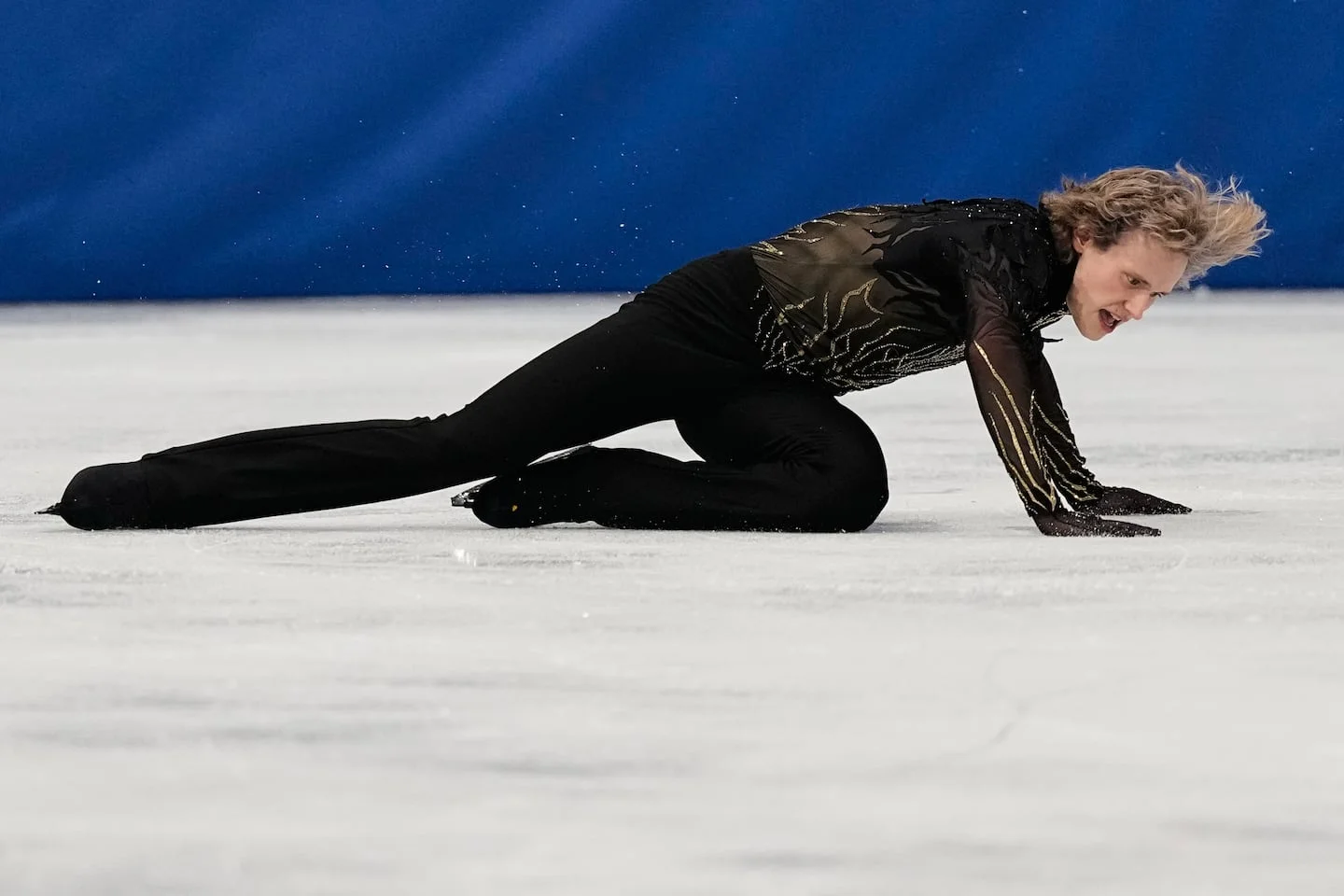
Quad God's Crown Slips: Ilia Malinin's Shocking Milan Cortina Collapse
American figure skating sensation Ilia Malinin, dubbed the "Quad God," experienced an unexpected and dramatic fall from the podium at the Milan Cortina Games men's singles final, surprising fans and analysts alike.