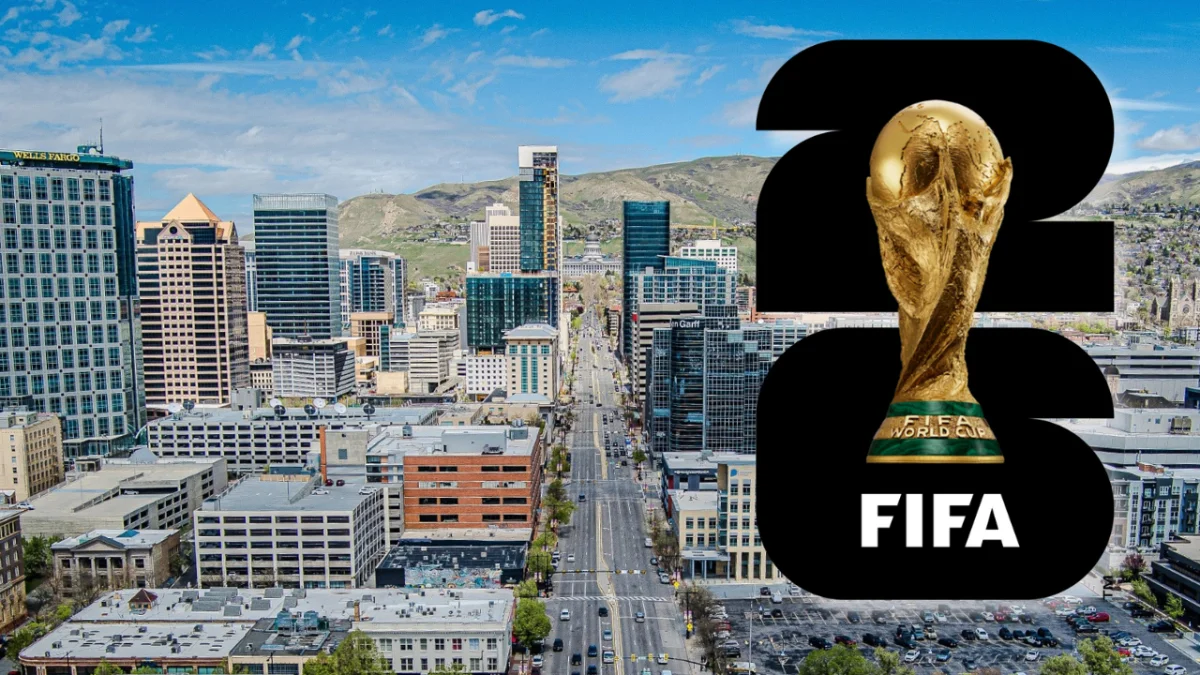
Salt Lake City is rapidly transforming into a dominant force in U.S. sports with aggressive expansion plans, while 2026 World Cup host cities face a critical funding shortfall.
Salt Lake City, Utah, long known for its stunning natural landscapes and unique cultural identity, is dramatically repositioning itself on the national stage, not as a picturesque backdrop, but as a formidable contender for the title of America’s next dominant sports metropolis. With an aggressive strategy encompassing professional franchises, major events, and ambitious expansion plans, the city is rapidly drawing comparisons to established sports hubs, according to a recent report from The New York Times. This burgeoning sports empire is developing at a time when other major sporting events face significant hurdles, particularly the 2026 FIFA World Cup, where host cities are sounding alarms over a critical, unreleased security funding.
Salt Lake City’s current sports ascendancy isn't a sudden phenomenon but the culmination of strategic investments and a proactive approach, led in part by innovative ownership. The city is already home to a diverse athletic portfolio, including the NBA’s Jazz, the NHL’s Mammoth, MLS and NWSL franchises, a successful Triple-A baseball team, and professional softball and volleyball franchises. Not to be overlooked, the city also boasts major college programs in BYU and Utah, both now flush with resources from the Big 12 conference, ensuring a pipeline of fervent local support and talent. The city has also attracted global attention with events like UFC and X Games, and even hosted the NBA All-Star Game, as detailed by The New York Times. This robust foundation is further bolstered by the presence of massive youth sports complexes, laying the groundwork for sustained sporting interest and participation.
A significant driver behind this transformation is Ryan Smith, the ambitious young owner of both the Jazz and the Mammoth, who is spearheading much of this expansion. Unlike other cities that merely signal interest, Salt Lake City has approached expansion with tangible assets and comprehensive plans. For potential MLB expansion, the city presented a 100-acre site, a coalition of prominent local figures, broad bipartisan political support, a clear public funding plan, and a reputable anchor investor. This "readiness has put Utah at an advantage," offering a stark contrast to other contenders who largely rely on renderings and early-stage concepts. City and state officials are explicit about their ambitions: they aim for Salt Lake City to be a more prominent dot on the global map, with a robust sports scene serving as a primary catalyst.
While some East Coast cities, the Bay Area, Las Vegas, and Chicago have commanded recent sports headlines, Salt Lake City has quietly but effectively become "the modern-day model of U.S. sports-city development," according to The New York Times. Their proactive approach positions them as frontrunners for an MLB expansion team, potentially well before MLB Commissioner Rob Manfred’s anticipated 2029 announcement, aiming for the city to enter the 2030s as a next-generation sports metropolis. This strategy of preparedness and decisive action has become a hallmark of their ascent.
However, as Salt Lake City gears up for a future adorned with new professional teams and global events, a different kind of sports news is unsettling other major U.S. cities. Host cities for the 2026 FIFA World Cup are facing a dire financial predicament, with a crucial $625 million in security funds remaining undistributed. This funding, designated by the Trump administration’s “Big Beautiful Bill” in July 2025, is intended to "carry out the extensive security activities required to protect players, staff, attendees, venues and critical infrastructure across the host cities, strengthening them against potential terrorist attacks." However, with just over 100 days until the tournament begins, representatives from Miami, Kansas City, and New Jersey testified in a House Committee on Homeland Security hearing that they have not received these funds, as reported by Yahoo Sports.
The implications of this funding shortfall are described as potentially "catastrophic." Ray Martinez, COO of the Miami World Cup Host Committee, warned that while stadium matches might proceed, the extensive "impromptu events and watch parties" crucial for a vibrant World Cup experience would be jeopardized. The current government shutdown, affecting the Department of Homeland Security (DHS) which oversees FEMA (the agency administering these grants), is cited as the cause. Rep. Nellie Pou, whose district includes MetLife Stadium, the World Cup final venue, stressed the urgency, stating, "Congress has appropriated $625 million for the 11 cities hosting World Cup matches, including my district… This is completely unacceptable this close to kickoff." Kansas City Deputy Police Chief Joseph Mabin echoed these concerns, emphasizing that the "‘drop dead’ date for this funding is immediate." This stark contrast between Salt Lake City's well-funded ambitions and the World Cup cities' financial precarity highlights differing approaches to securing major sporting events.
The contrasting narratives of Salt Lake City's expansionist success and the 2026 World Cup host cities' funding crisis reveal a critical juncture in the U.S. sports landscape. Salt Lake City's model of proactive investment, bipartisan political alignment, and demonstrable financial backing offers a blueprint for future sports city development, particularly for smaller markets seeking to elevate their status. This strategy minimizes risk for leagues and investors, making it an attractive proposition for expansion, rather than relying on aspirational renderings or uncertain public referendums. The focus on “readiness” is a key differentiator, indicating a mature and strategic approach to building a powerhouse sports ecosystem from the ground up, not just acquiring one marquee franchise.
Conversely, the World Cup funding debacle underscores the inherent vulnerabilities of major international events relying heavily on federal and intergovernmental cooperation. While the World Cup promises global prestige, the financial and logistical complexities, especially for security, require unwavering and timely commitment from all levels of government. The delay in releasing vital funds points to potential structural weaknesses in planning and execution for events of this magnitude, particularly when federal agencies are subject to political gridlock or shutdowns. This situation not only threatens the fan experience and security but also potentially damages the U.S.'s reputation as a reliable host for future large-scale international competitions. The current predicament offers a sobering reminder that even the most anticipated global spectacles are susceptible to domestic political and administrative hurdles.
The sports world's current conversations extend beyond new franchises and funding crises. The omnipresent and rapidly growing phenomenon of sports gambling is a defining change of the past decade. It has, in the words of The New York Times, "financially backstopped leagues, teams and media companies; come to dominate fan discourse; and grown into an epidemic among teens." Danny Funt's book, "Everybody Loses," is highly recommended for those seeking to understand this seismic shift. Funt suggests a simple, yet profound regulatory change: requiring sportsbooks to disclose their expected edge on each bet. This transparency, he argues, would reduce confusion among bettors, many of whom are unaware of the true odds stacked against them.
Beyond modern business trends, the history of sports broadcasting continues to be celebrated. Irv Cross, a former Eagles Pro Bowl cornerback, made history in 1975 as the first Black co-host of a network sports show, The NFL Today. As chronicled by the Philadelphia Eagles' official news outlet, Cross's journey from humble beginnings to the NFL and then to pioneering a trend in sports media illustrates the enduring impact of individuals breaking barriers. His disciplined approach and relentless preparation allowed him to succeed in both football and broadcasting, inspiring future generations. The NFL Today became a trailblazing show, featuring the first woman (Phyllis George) and later the first Black woman (Jayne Kennedy) in network sports television, creating a diverse and "cutting edge" presentation that reshaped sports journalism.
As Salt Lake City continues its aggressive trajectory, sports fans can anticipate more announcements regarding expansion, potentially welcoming an MLB team and solidifying its status as a major sports destination. The 2034 Winter Olympics, already slated for the city, will serve as a global showcase for its burgeoning sports infrastructure and organizational prowess. This growth will likely bring increased economic activity, tourism, and national prominence to Utah, setting a new benchmark for how smaller markets can achieve sporting dominance.
Meanwhile, the immediate future of the 2026 FIFA World Cup host cities remains precarious. The coming weeks will be critical as cities and organizers push for the release of the promised $625 million in security funding. Without it, the "catastrophic" impact on fan festivals and event ancillary activities could diminish the overall World Cup experience, potentially impacting future bids for major international events on U.S. soil. The intersection of these narratives underscores the dynamic and occasionally turbulent nature of the modern sports industry, where ambition and unforeseen challenges constantly vie for attention.
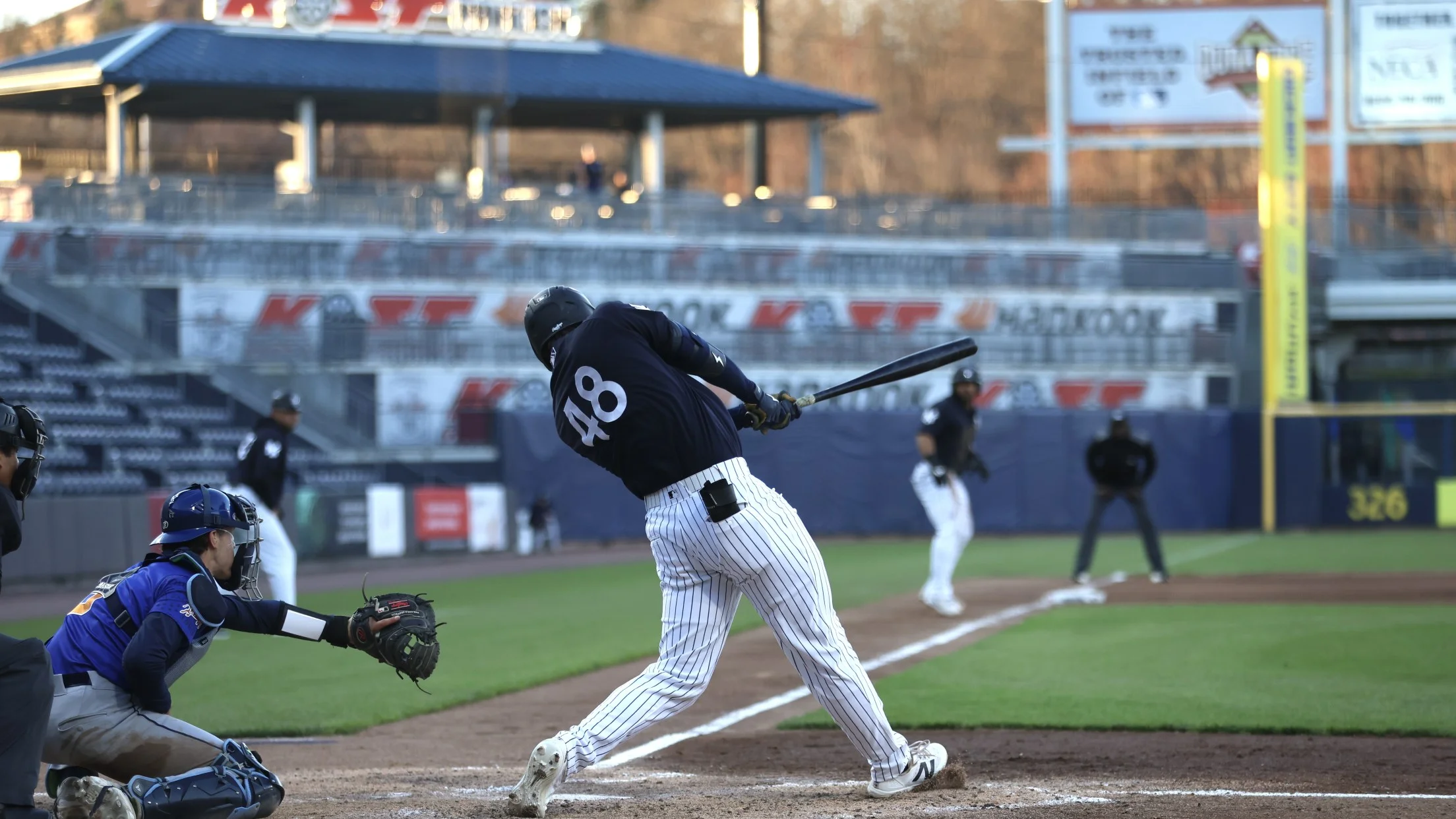
Rochester's high school baseball scene saw intense action on Saturday, April 11, 2026, with Mayo, Century, Lourdes, John Marshall, and Austin in non-conference and Big Nine play.
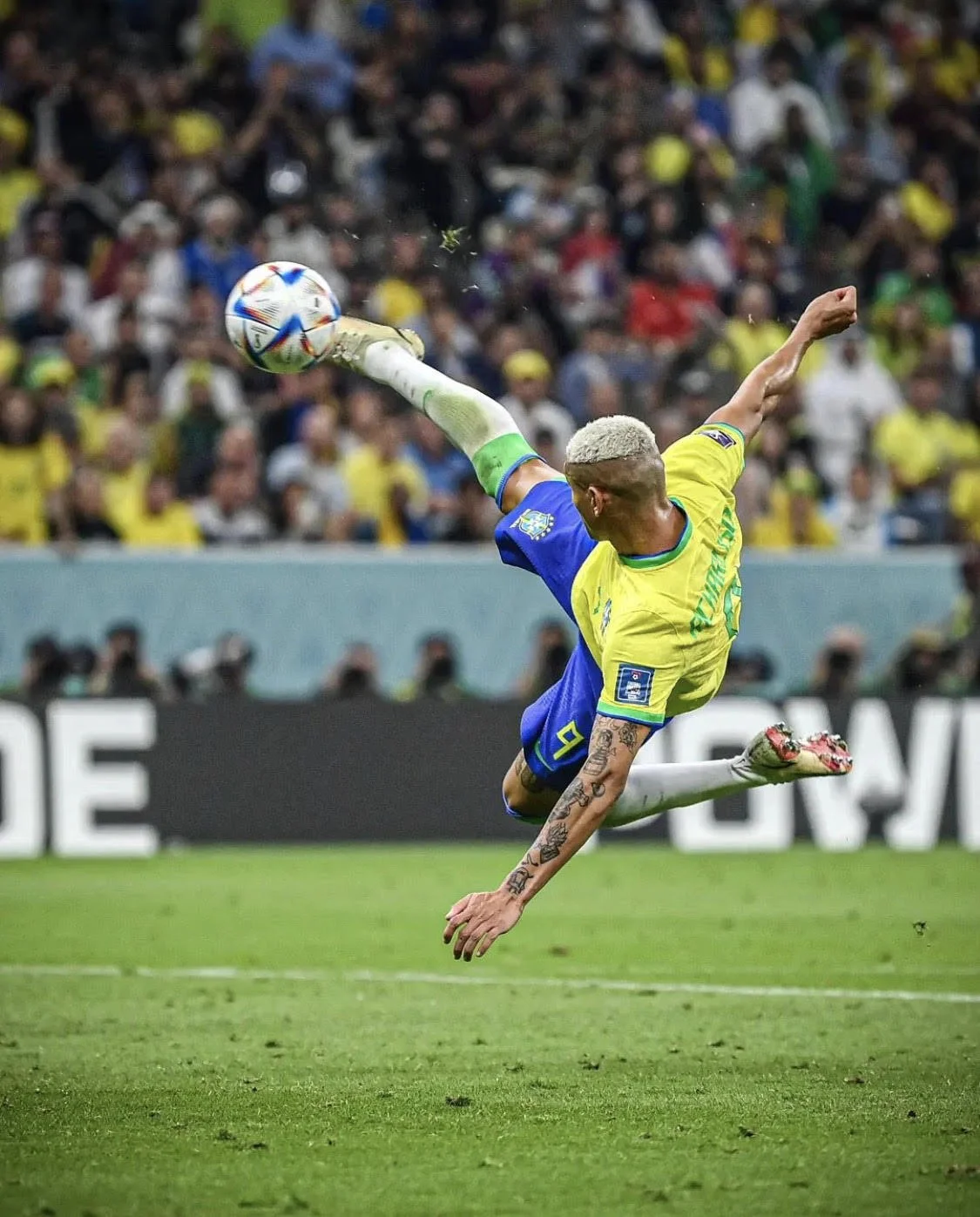
As the 2026 World Cup approaches, this article explores how major sporting events foster global unity, dialogue, and social change, building bridges and breaking barriers.
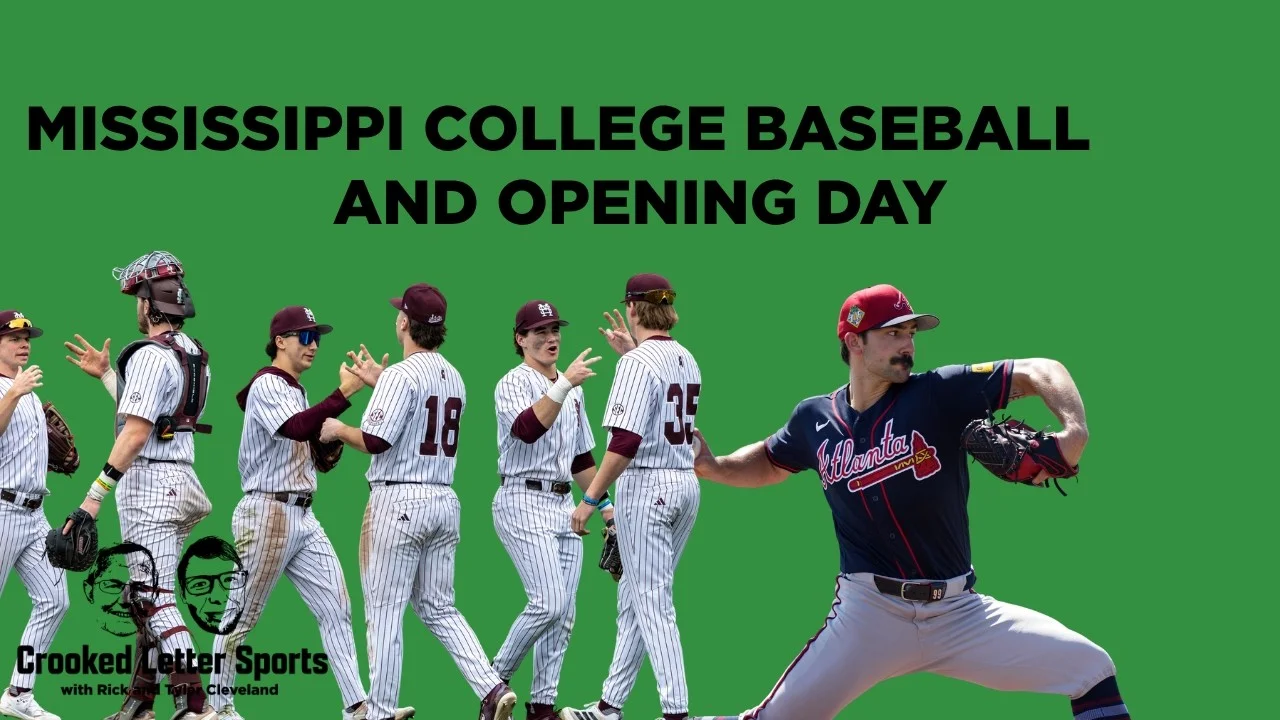
Mississippi Today's "Crooked Letter Sports" podcast offers a wide-ranging discussion on southern sports, blending local legends, national headlines, and broader sporting trends, featuring veteran columnist Rick Cleveland.