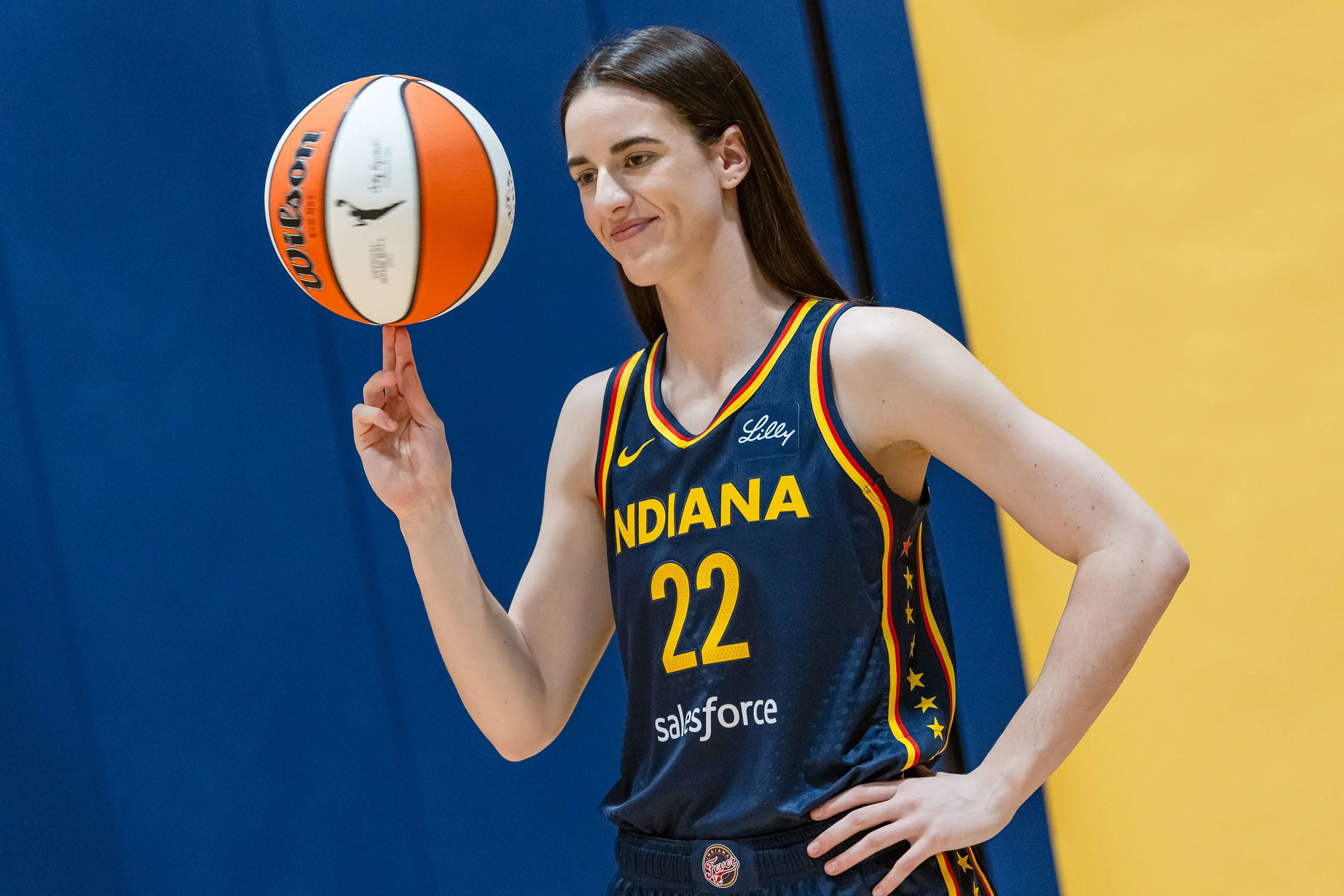
Women's sports are experiencing an unprecedented economic boom, marked by record WNBA rookie salaries, surging expansion fees, and projected multi-billion dollar revenues as investment rapidly increases.
The landscape of professional sports is undergoing a monumental shift, with women’s sports reaching an undeniable economic tipping point this week. Driven by record-breaking rookie salaries in the WNBA, unprecedented expansion fees, and a colossal surge in projected revenues, the long-predicted boom in women's sports is no longer a forecast, but a vibrant reality. This transformational period signifies a dramatic acceleration in investment and attention, fundamentally reshaping the financial viability and mainstream appeal of athletic competition for women worldwide. The developments, highlighted by The New York Times, paint a picture of a sector rapidly shedding its underdog status to emerge as a significant, profitable, and increasingly powerful force in the global sports economy.
For decades, women’s sports, despite consistent athletic excellence and dedicated fan bases, struggled for equitable financial recognition and investment compared to their male counterparts. Pay disparities, limited media coverage, and underdeveloped commercial opportunities were persistent hurdles. However, the last half-decade has seen a concentrated effort to change this narrative. Growing advocacy for equal pay, increased grassroots participation, and a burgeoning recognition of the untapped market potential have slowly but surely built momentum. This week's news isn't an overnight phenomenon; it's the culmination of years of tireless work by athletes, executives, and organizations fighting for their rightful place in the sports ecosystem. The recent surge in interest and capital is inextricably linked to the growing realization that investing in women's sports is not just socially responsible, but a shrewd business decision, promising significant returns for early adopters and forward-thinking investors and sponsors.
Multiple key indicators this week underscore the unprecedented surge in the economic outlook for women's sports. The 2026 WNBA Draft served as a powerful testament to this shift, with No. 1 overall pick Azzi Fudd set to earn an astounding $500,000 with the Dallas Wings. This figure represents a staggering 340% increase over previous top rookie deals in the league, effectively quadrupling the income for nascent stars. To put this into perspective, as noted by The New York Times, the top two picks this year alone will combine to earn more than the entire first 12 picks of the previous year's draft. Fudd’s financial success is further amplified by significant endorsement deals, such as her prominent partnership with Geico, a relationship that has already produced widely recognized national ad campaigns. This "virtuous cycle" of rising on-court value attracting lucrative off-court sponsorships is a hallmark of mature, high-value sports leagues.
Beyond individual player contracts, the WNBA is expanding its footprint and valuation at an astonishing rate. The league formally approved three new expansion franchises this week: Cleveland (2028), Detroit (2029), and Philadelphia (2030). Each ownership group committed to a hefty $250 million expansion fee, a remarkable jump from the $125 million paid by Portland two years prior and the $50 million paid by the Golden State Valkyries ownership group in 2023. These escalating fees demonstrate a fervent belief in the long-term profitability and growth potential of the WNBA. The Detroit franchise, for instance, is already reportedly valued at $325 million based on additional investments, showcasing the rapid appreciation of these assets. This rapid financial growth in women's professional leagues is not isolated to basketball. A new report from Deloitte projects that women’s sports revenue across major global sports will reach $3.04 billion by 2026, marking an incredible 340% increase since 2022. This exponential growth is driven not just by traditional revenue streams like ticket sales and media rights, but also by what the report terms "an expansion of assets, including the launch of new leagues and competitions that are quickly generating significant income." This data corroborates the underlying financial strength attracting significant investment, a trend far removed from the more localized sports happenings reported by outlets like Blue Gold Sports covering regional college athletics or Local 3 News highlighting community events like park openings.
This week's developments represent more than just financial figures; they signify a fundamental repositioning of women's sports within the broader entertainment and business landscape. Historically, women's sports often faced a chicken-and-egg dilemma: lack of investment led to lower visibility, which in turn justified continued underinvestment. We are now witnessing the breaking of this cycle, as strategic capital infusion and increased media attention are creating a virtuous feedback loop. The dramatic rise in WNBA rookie salaries will not only attract top talent but also incentivize young female athletes to pursue professional careers, knowing that a financially viable path exists. This sets the stage for a new generation of superstars, further enhancing the product on the court and drawing more fans.
Furthermore, the soaring expansion fees and valuations demonstrate that institutional investors and ownership groups are no longer viewing women's sports as a charitable endeavor or a niche market. They are bona fide growth opportunities. This signals a maturation of the business model, where profitability and audience engagement are now clearly defined and measurable. The commitment from major sponsors like Ally, which hit its "50/50" goal for sports-marketing spend into women's sports a year early, underscores corporate America’s recognition of the immense, passionate, and often underserved female audience. This is not merely about "equality" anymore; it's about smart capital allocation and tapping into a demonstrable return on investment.
The economic transformation is evident across various facets of the sports industry, extending beyond just player salaries and franchise valuations. Corporate commitment, for example, is reaching unprecedented levels. Ally, a financial services company, announced this week that it had achieved its goal of allocating 50 percent of its sports-marketing budget to women’s sports a full year ahead of its five-year target set in 2021. This rapid achievement, as reported by The New York Times, highlights a growing trend among major brands to proactively engage with and invest in women's leagues and athletes. Their ubiquitous branding across league sponsorships, team partnerships, and women’s sports broadcasts is a clear indicator of sustained, strategic investment.
While the focus is largely on the WNBA, the overall health of the sports economy is varied. Other discussions in the broader sports business world touch on issues like the technical glitches impacting Amazon's NBA playoff broadcasts, indicating the ongoing challenges of delivering premium sports content in a rapidly evolving media landscape. Senator Tammy Baldwin's "For the Fans Act," while facing an uphill battle for passage, also reflects growing populist sentiment around accessibility and cost of watching sports, an issue that impacts all leagues, including the WNBA and NWSL. The continued push of private equity into college sports, as seen with TPG's acquisition of Learfield, further illustrates the pervasive influence of large capital flowing into various segments of the sporting world, reinforcing the notion that every corner of the sports economy is being scrutinized for growth and profit potential.
The trajectory for women's sports appears set for continued, aggressive growth. The current momentum, fueled by increased investment, rising viewership, and greater media coverage, suggests that the $3.04 billion revenue projection for 2026 may even be conservative. As more capital flows into the sector, we can anticipate further professionalization of leagues, improved infrastructure, and even better remuneration for athletes, which will in turn attract even more talent and solidify the competitive product. The expansion of the WNBA is just one example of how successful leagues will seek to expand their geographic reach and fan base, creating new revenue streams and opportunities for local economies.
However, this rapid growth also brings challenges. Leagues will need to carefully manage expansion to ensure sustainability and maintain competitive balance. Media rights deals will become increasingly critical and complex, as seen with Amazon’s recent NBA broadcast issues, and the content delivery experience will be paramount for retaining and growing audiences. Furthermore, issues such as player welfare, equitable travel, and continued investment in grassroots development will be essential to ensure that the economic boom translates into long-term health and widespread participation. The current tipping point demands strategic foresight and continued innovation to evolve from a burgeoning market into a fully mature, self-sustaining global sports powerhouse.

Citi Field leads for fourth consecutive year as Aramark's culinary innovations secure five spots on USA TODAY's 10Best MLB Stadium Food list, reflecting a rising standard for gameday dining.

Travis Kelce solidifies his NFL legacy with a new contract, reaching over $111 million in career earnings, unprecedented tight end stats, and numerous records.

Jaxon Smith-Njigba signs a colossal 4-year, $168.6 million contract with the Seattle Seahawks, making him the NFL's highest-paid receiver with an average of $42.15 million per season.