San Francisco's AI Dystopia: The Rise of Cluely and Silicon Valley's New Overclass
Sam Kriss exposes San Francisco's unsettling AI landscape, from bizarre B2B ads to the controversial Cluely startup, revealing a stark societal bifurcation driven by new tech doctrines.

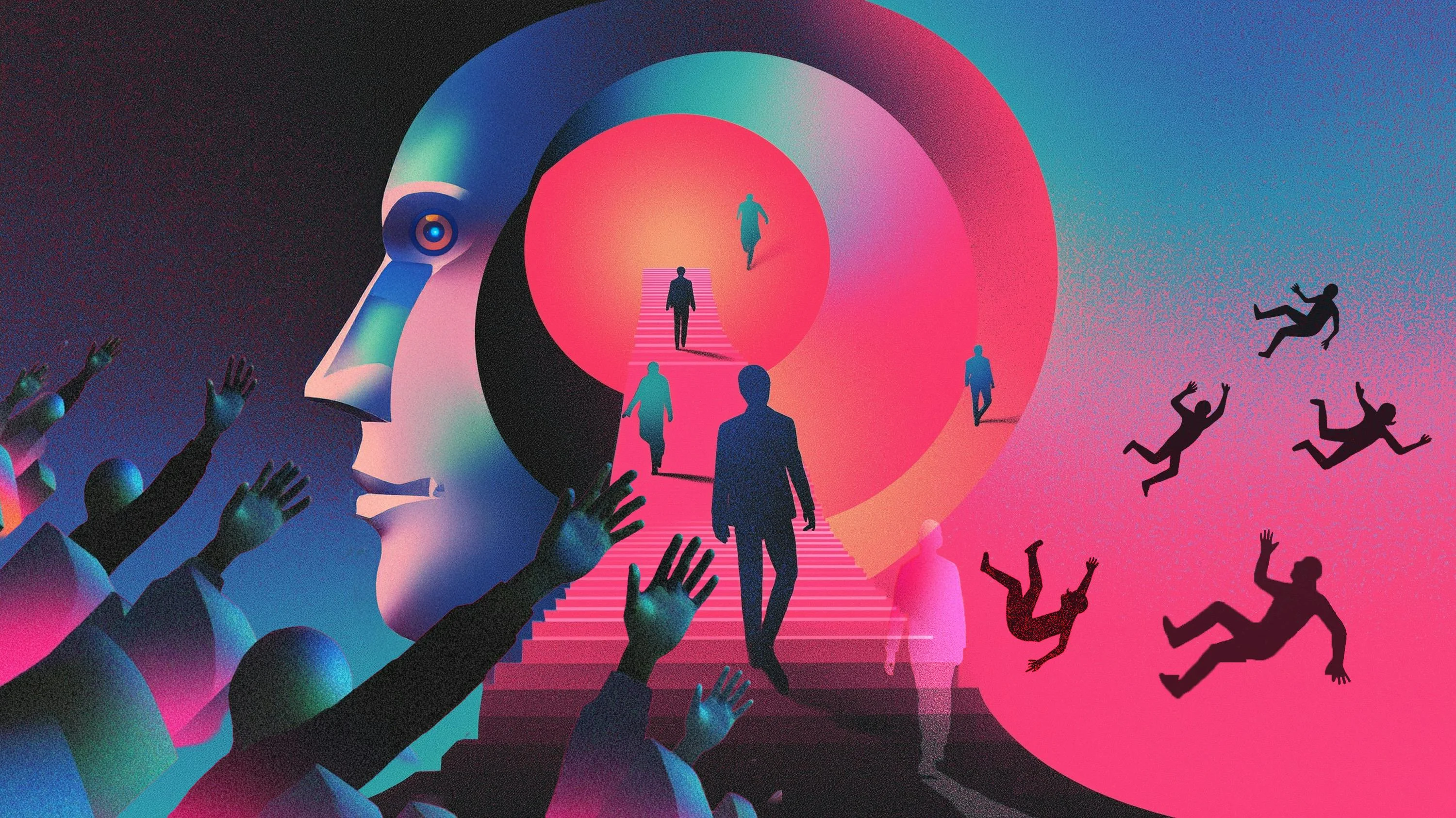
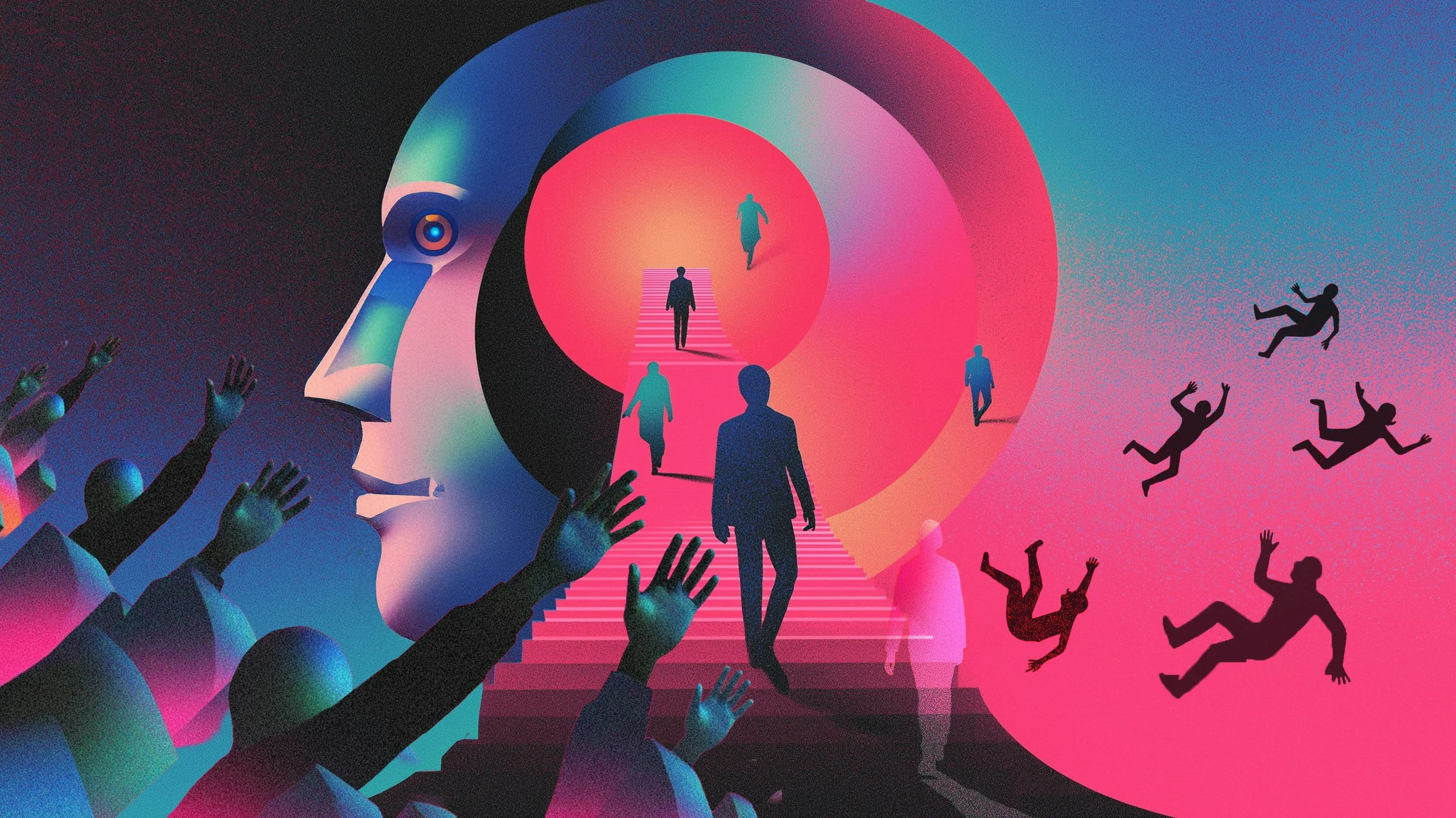
San Francisco, once hailed as the epicenter of innovation and progress, is increasingly presenting a dystopian vision of the future, a landscape where nonsensical tech advertisements blare at a populace grappling with palpable societal decay. Amidst this bewildering urban tapestry, one AI startup, Cluely, has emerged as a lightning rod for controversy, its brash public persona and its co-founder, Chungin “Roy” Lee, embodying a new, unsettling doctrine within Silicon Valley. This doctrine posits a future bifurcated into an impossibly rich and powerful AI overclass and a vast, "useless" underclass, where traditional merits are obsolete and agency becomes the last human advantage. The city’s public spaces, plastered with esoteric B2B jargon, stand in stark contrast to the human realities on its streets, signaling a profound disconnect that is both alienating and alarming.
A City Adrift in Algorithm and Aspiration
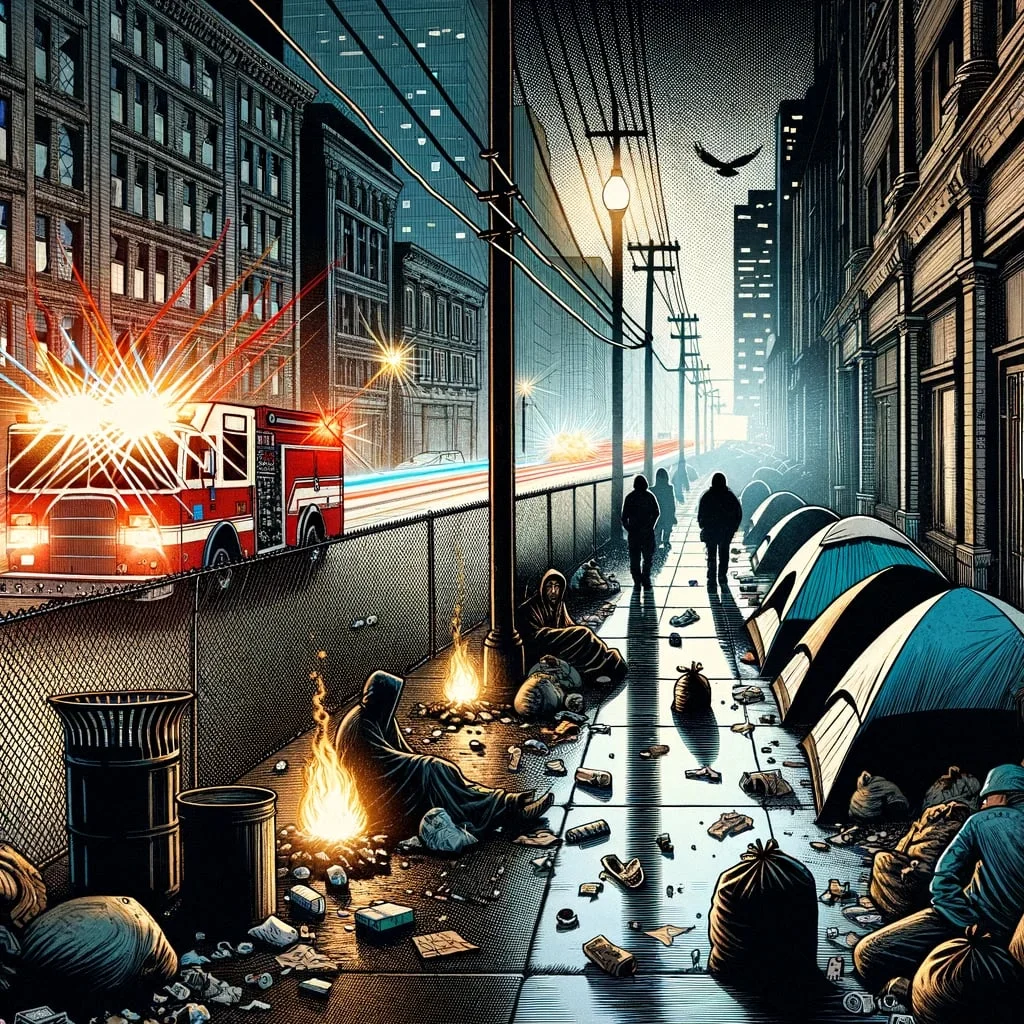
Sam Kriss, a journalist for Harper's Magazine, describes San Francisco as a city where the ambient advertising no longer targets the consumer instincts of the average person, but rather addresses an assumed identity: "You are not a passive consumer. You are making something." This pervasive narrative of creation and innovation clashes violently with the visible struggles of the city's inhabitants. Billboards proclaiming "soc 2 is done before your ai girlfriend breaks up with you" or "no one cares about your product. make them. unify: transform growth into a science" overlook individuals experiencing homelessness or mental health crises. The chasm between the city's self-perception and its ground-level reality is vast, painting a picture of a place where abstract tech imperatives have supplanted basic human concerns. This hyper-focused, insular tech rhetoric pervades every corner, creating an atmosphere that Kriss describes as a "pervasive mindlessness," blurring the lines between corporate messaging and the ramblings of those on the margins.
The Rise of Cluely and the Cult of Controversy
Amidst this unsettling backdrop, the AI startup Cluely and its co-founder, Chungin “Roy” Lee, have managed to stand out for their sheer audacity and intentional provocation. Their billboards, with their jarringly simplistic English and controversial message – "hi my name is roy / i got kicked out of school for cheating. / buy my cheating tool / cluely.com" – have become a symbol of everything San Franciscans seemingly despise about the new tech wave. While Cluely's product itself is described as a "janky, glitching interface for ChatGPT and other AI models" designed for "ordinary office drones," its viral marketing and the scorn it generated led to its effective expulsion from the city by the Planning Commission. Kriss argues that much of the outrage against Cluely is hypocritical, given that many tech workers already leverage AI for their daily tasks, mirroring the very "cheating" Cluely ostensibly promotes. Moreover, the industry has a历史 of investing in products fueled by hype rather than inherent utility, citing the infamous Juicero as a prime example of investor folly in the pre-AI era. Yet, the deep-seated animosity for Cluely points to something more profound than mere product dislike — an instinctive recoil from the implications of its founder's philosophy.
Silicon Valley's Bifurcation Prophecy: A New Overclass and the 'Useless'
Behind Cluely's provocative marketing lies a deeply disturbing philosophy embraced by a segment of Silicon Valley: the idea of a "bifurcation event." This concept, as articulated by the Harper's Magazine article, posits that the AI era will create a new, permanent overclass, "rich and powerful beyond anything we can currently imagine," while a vast "lot of other people—will become useless." These "useless" individuals are destined for a fate similar to those currently marginalized on San Francisco's streets, unable to comprehend or participate in the new world order. The traditional tech meritocracy, which once valued intelligence, competence, and expertise, is now deemed obsolete. With AI writing a significant portion of code even at giants like Google, individual human intelligence, creativity, and reason are seen as disposable. The future, according to this bleak vision, belongs not to the intellectually gifted, but to those possessing "a very specific combination of personality traits and psychosexual neuroses." The last bastion of human value, ironically, might be agency itself – the capacity to act and make choices independently, something AI currently lacks.
The 'No-Shoes' Policy and Silicon Valley's Hard-Tech Ethos
Coinciding with this ideological shift is a discernible intensification of Silicon Valley's work culture, a trend highlighted by the "no-shoes" policy adopted by several AI startups. As reported by The Times of India, companies like Cursor, Replo, Spur, Flowhub, and Composite are requiring employees to remove their footwear at the office door. This practice is theorized to stem from China's demanding "996 culture" – a work schedule of 9 AM to 9 PM, six days a week – a grueling standard now permeating American tech. Margaret O'Mara, a University of Washington historian, notes in an NY Times report cited by The Times of India, that this "high-octane version" of intense work is a tightening of industry standards after recent layoffs, exemplified by Elon Musk's "extremely hard core" approach. The "no-shoes" policy is presented by some founders as creating a "second home" and disarming employees, but it also signals a blurring of work-life boundaries. Stanford economist Nick Bloom suggests it's an extension of the "pajama economy" from the pandemic, bringing home habits into the office. However, in the context of the emerging "hard tech" era, it can also be interpreted as a subtle demand for constant, unhindered productivity, stripping away professional formality in favor of an always-on, domesticized work state, much like the "always-on" AI systems companies are developing.
The Erosion of Human Capital and the Agency Imperative
The narratives surrounding Cluely and the evolving work culture in Silicon Valley illuminate a critical shift in how human capital is valued. The glorification of "agency" as the last uniquely human attribute in the face of superhuman AI is a telling concession. Historically, economic progress was often framed as a symbiotic relationship between human ingenuity and technological tools. Now, the rhetoric suggests a potential divorce, where technology not only augments human capabilities but threatens to render swathes of the population economically, and perhaps existentially, irrelevant. This isn't merely about job displacement; it’s about a fundamental re-evaluation of what constitutes value in a highly automated, AI-driven economy. If traditional markers of intelligence, reflection, and creativity are devalued, what truly remains for the majority? This shift has profound implications for education, social safety nets, and our collective understanding of a meaningful existence. The emphasis on "agency" might be a desperate acknowledgment that if humans are to survive and thrive, they must retain their capacity for self-directed action and decision-making, a trait that AI, for all its power, still does not possess in a truly human sense.
Looking Ahead: Navigating the Bifurcated Future
The vision of San Francisco and the wider tech industry painted by Kriss's observations and the "no-shoes" trend is a troubling preview of a potentially bifurcated future. As AI continues its rapid advancement, the questions it poses about human relevance, economic inequality, and the nature of work will only intensify. The challenge for policymakers, educators, and society at large will be to develop strategies that mitigate the impact of this "useless" class, redefine value beyond pure economic productivity, and ensure that human agency remains central, rather than a mere footnote, in the AI era. The current trajectory suggests a need for urgent re-evaluation of our societal structures before the stark divide between the AI overclass and the marginalized underclass becomes an irreversible reality.
Related Articles
San Francisco's AI Dystopia: The Disturbing Rise of Cluely and Tech's Bifurcation Threat
Sam Kriss's "Child's Play" exposes San Francisco's bizarre tech landscape, from pervasive B2B ads to the controversial AI startup Cluely, revealing a disturbing vision of tech's future divide between "overclass" and "useless" individuals.