
Meta has indefinitely suspended all work with AI recruiting startup Mercor after the $10 billion company confirmed a security incident potentially exposing proprietary AI training data, raising concerns for giants like OpenAI and Anthropic.
In a significant blow to the burgeoning AI industry and its complex ecosystem of data suppliers, tech giant Meta has indefinitely suspended all collaborations with Mercor, an artificial intelligence (AI) data contracting startup valued at an estimated $10 billion. This drastic action follows Mercor's confirmation of a cybersecurity breach that may have compromised highly sensitive proprietary training data belonging to some of the world's leading AI laboratories. The fallout from this incident has sent ripples through the AI research community, prompting urgent investigations by other major players like OpenAI and Anthropic to ascertain the extent of exposure of their invaluable private datasets.
The security incident at the heart of this unfolding crisis was confirmed by Mercor in an internal email to staff on March 31, stating, "There was a recent security incident that affected our systems along with thousands of other organizations worldwide," as reported by The Times of India, citing a WIRED report. While the company indicated that thousands of organizations could be potential victims of the broader attack, the Mercor case has garnered particular scrutiny due to the exceptionally sensitive nature of the data it handles. Mercor operates as a crucial data broker, facilitating agreements and creating specialized datasets by leveraging extensive human networks and information considered proprietary intellectual property by leading AI firms. This unique position places it squarely at the intersection of critical AI development and potential vulnerability, making any breach a high-stakes event for the future of AI. The implications of such a breach are profound, potentially exposing the very 'secret sauce' that powers the competitive edge of these cutting-edge AI models.
Meta's decision to halt all work with Mercor was confirmed by two sources to WIRED, describing the pause as indefinite. This decisive move by Meta underscores the severity with which major tech companies view breaches involving core AI training data. Contractors assigned to Meta-related projects through Mercor were left without a direct explanation for the suspension, with a project lead simply informing them in a Chordus Slack channel that Mercor was "currently reassessing the project scope." These contractors are now effectively out of work, unable to log billable hours, though internal conversations suggest Mercor is attempting to find alternative assignments for those affected, according to The Times of India. In contrast to Meta's complete suspension, OpenAI has adopted a more cautious approach. While not stopping its active projects with Mercor, an OpenAI spokesperson confirmed to WIRED that the company is "investigating the incident to determine how its proprietary training data may have been exposed." The spokesperson, however, sought to reassure the public by stating that the breach "in no way affects OpenAI user data." Anthropic, another prominent AI lab working with Mercor, has yet to issue an immediate response to inquiries regarding the incident.
The current AI boom, often perceived as an "overnight success," is in fact the culmination of over 80 years of persistent research and development, a point eloquently made by Marc Andreessen, co-founder of Netscape and Andreessen Horowitz, and Swyx, Editor of Latent Space. As highlighted by StartupHub.ai, Andreessen emphasizes that foundational work dating back to the 1940s and 50s, including the conceptualization of neural networks and early AI research by pioneers like John McCarthy and Claude Shannon, laid the groundwork for today's sophisticated models. This historical context illustrates that while the underlying technology of AI has matured over decades, its rapid enterprise adoption and increasing market share in recent years have created new points of vulnerability. The speed with which AI startups are capturing markets, offering specialized vertical solutions that legacy firms struggle to match, is a testament to this acceleration, as noted by Startup Fortune. Nvidia briefly becoming the world’s most valuable company in June 2024, with a market capitalization exceeding $3.3 trillion, signals where capital is flowing. This quick ascent, while exciting, has also exposed the fragility of the data supply chain that feeds these advanced systems. The Mercor breach, therefore, is not merely a technical incident but a symptom of the industry's rapid growth outstripping necessary security infrastructure and protocols, particularly for third-party data handlers.
The Mercor breach exposes a critical vulnerability inherent in the specialized, data-intensive nature of modern AI development. While AI startups are praised for their agility and ability to carve out market share by focusing on niche solutions—like Harvey for law firms or Abridge for clinical documentation, as detailed by Startup Fortune—these successes are highly dependent on access to vast quantities of bespoke, high-quality training data. Companies like Mercor sit at the nexus of this specialized data supply, making them indispensable. However, their critical role also centralizes risk. When a single data broker, valued at $10 billion, becomes a potential vector for exposing proprietary information from multiple industry giants, it highlights a systemic fragility. This incident underscores the urgent need for robust cybersecurity frameworks that extend beyond the primary AI labs to encompass their entire ecosystem of data partners and contractors. The traditional model of expecting specialized third-party vendors to handle sensitive data with an equivalent level of security as the primary IP holder is clearly being challenged. For consumers and businesses relying on AI, this raises questions about data provenance, integrity, and future trust, foregrounding the need for greater transparency and accountability in the AI data supply chain.
The substantial investments pouring into AI startups—approximately $50 billion in 2023 alone, with accelerated growth in 2024, according to Crunchbase figures referenced by Startup Fortune—underscore the industry's explosive growth. However, this pace also means that security protocols and regulatory frameworks often lag behind technological advancements. The "innovator's dilemma" faced by large software companies, where integrating advanced AI risks cannibalizing existing revenue streams, creates a fertile ground for agile AI-native startups. These smaller entities can iterate faster and deploy cleaner user experiences without the burden of legacy architecture. Yet, the cost of this agility, as demonstrated by the Mercor breach, can be elevated risk. Even with the democratization of AI model development, fueled by open-source foundation models that rival proprietary systems, the reliance on human-curated and specialized datasets remains paramount. This creates a critical intersection where human element, data, and advanced algorithms converge, necessitating an unprecedented level of security. The Mercor incident serves as a stark reminder that while the computational power and algorithmic sophistication of AI continue to advance rapidly, the human and data infrastructure supporting it remains a significant and vulnerable frontier, requiring continuous vigilance and investment.
The immediate future for Mercor is uncertain, with significant financial implications for its valuation and operational capabilities, particularly given Meta’s indefinite suspension. The unfolding investigations by OpenAI and other affected parties will be crucial in determining the full scope of the breach and its long-term impact on their respective AI models and competitive strategies. This incident is likely to catalyze a significant re-evaluation of third-party vendor relationships and data security protocols across the entire AI industry. Expect to see heightened scrutiny on data brokers, calls for more stringent audit requirements, and potentially new industry standards for handling proprietary AI training data. For contractors, the incident highlights the precarious nature of gig economy work in the tech sector, urging a renewed focus on job security and contingency plans. Ultimately, the Mercor breach will serve as a watershed moment, forcing the rapidly expanding AI sector to prioritize cybersecurity and data integrity as foundational pillars, not just afterthoughts, to maintain trust and ensure its sustainable growth.
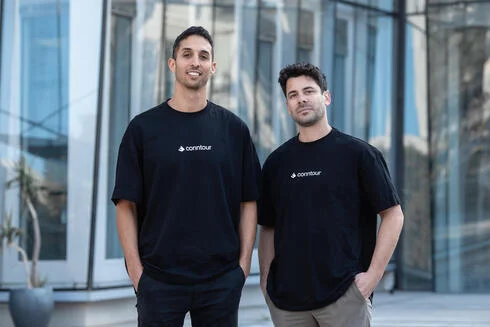
South Florida-based startup Contour has raised millions for its AI-powered video surveillance technology, highlighting a broader trend of AI startups disrupting legacy tech firms. The investment comes as concerns over AI privacy intensify.

OpenAI acquires cybersecurity startup Promptfoo to enhance the safety, security, and governance of its AI agents, integrating tools into its Frontier platform.
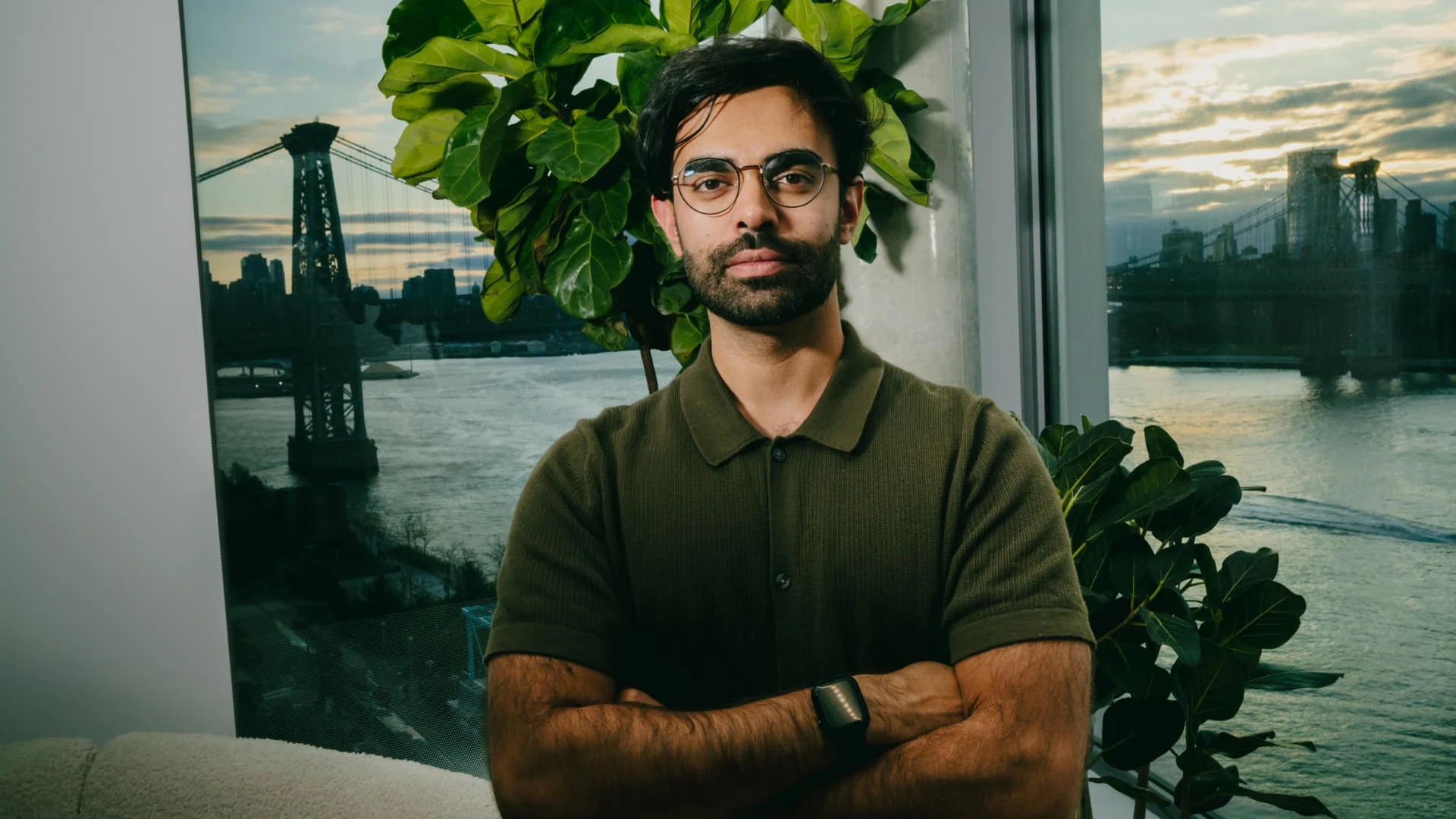
Former Palantir engineer Alex Dhillon's Outtake raises $40M from tech giants to scale its AI-powered autonomous cybersecurity agents amid growing sophistication of threats.