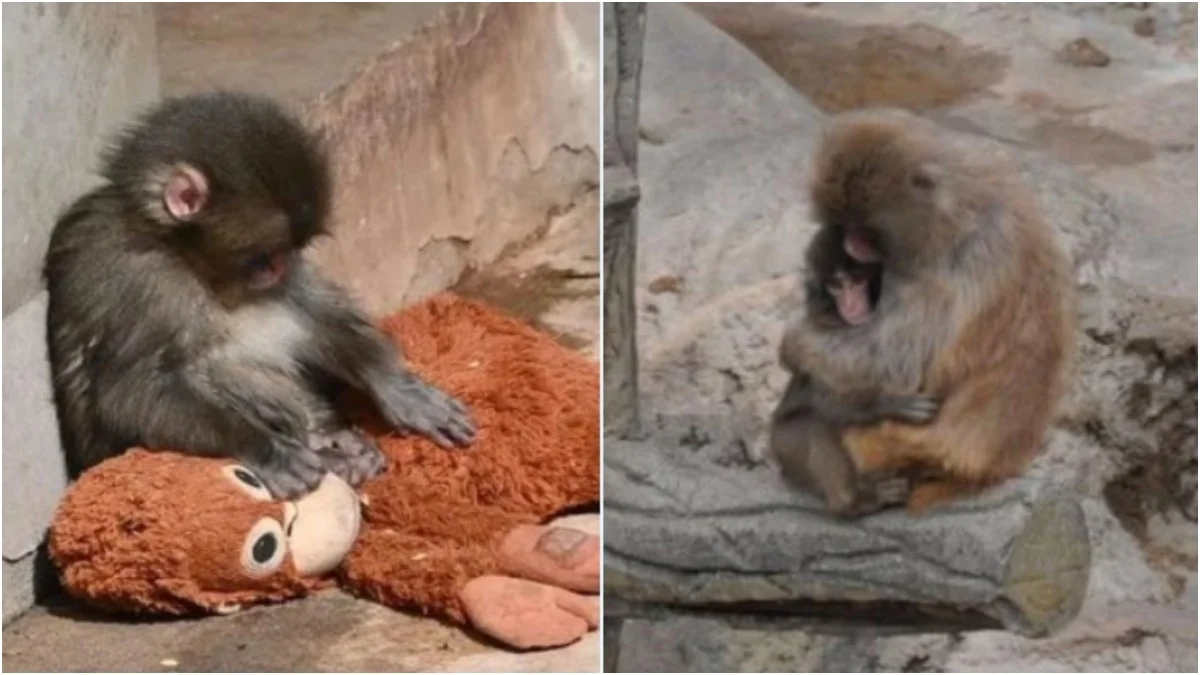
After capturing hearts worldwide clinging to a plush toy, baby Japanese macaque "Punch" has successfully integrated with his troop at Ichikawa City Zoo, marking a heartwarming triumph of careful reintroduction efforts and social bonding.
In a story that has captivated millions globally, the once-solitary Japanese macaque affectionately known as "Punch," who garnered widespread sympathy for clinging to a plush orangutan after being rejected by his birth mother, has successfully integrated into his troop at the Ichikawa City Zoo. This heartwarming development, confirmed by zoo officials and widely reported, marks a significant milestone in the young primate's life, transitioning him from a poignant symbol of loneliness to an encouraging example of resilience and successful reintroduction. The breakthrough came as unexpected displays of grooming signaled acceptance from his fellow macaques, culminating in playful interactions that suggest Punch has finally found a true family within his species, as detailed by India Today.
Punch's story began in July 2025, when the tiny Japanese macaque was born at the Ichikawa City Zoo. Shortly after his birth, tragedy struck as his own mother rejected him, leaving the infant vulnerable and alone. Recognizing his need for comfort and a surrogate maternal figure, zookeepers provided Punch with a plush orangutan toy, affectionately dubbed "Ora-mama." This seemingly simple act sparked a global outpouring of emotion. Videos and images of Punch clutching his soft companion, dragging it everywhere he went, and seeking solace in its static embrace quickly went viral across social media platforms, with the hashtag “#keepgoingPunch” becoming a rallying cry for his well-wishers. The sight of the tiny macaque finding comfort in an inanimate object resonated deeply with audiences, turning Punch into an internet sensation and a symbol of resilience in the face of adversity. This initial phase, characterized by his reliance on "Ora-mama," underscored the profound need for social connection and attachment in primate development, especially for infants.
While the world watched Punch and "Ora-mama," behind the scenes, dedicated zookeepers at Ichikawa City Zoo were diligently working towards a more profound goal: reintroducing Punch to his natural troop. This process is fraught with complexity, as macaque societies are highly structured with intricate social dynamics and hierarchies. Early attempts at integration were met with caution, both from Punch and the adult macaques, and the unfamiliarity of the new environment proved overwhelming for the young primate. However, through continuous, careful efforts, a turning point emerged. According to India Today, the breakthrough came in the form of grooming. In primate communities, grooming is far more than just hygiene; it is a fundamental act of social bonding, trust, and acceptance. To be groomed by another monkey signifies inclusion and a form of social glue that reinforces community ties. The observation of another monkey grooming Punch signaled a pivotal moment, marking his acceptance into the troop's complex social fabric. Soon after, videos captured Punch engaging in playful antics with other young macaques, initially with hesitation, but progressively with growing confidence, illustrating his successful transition from solitary comfort to vibrant social interaction within his species.
Punch's story offers valuable insights into animal behavior, developmental psychology, and the critical role of social structures in primate life. The initial rejection by his biological mother, while heartbreaking, is not uncommon in the animal kingdom and can stem from various factors, including stress, inexperience, or perceived weakness in the infant. The zookeepers' intervention with the plush toy, far from being a mere novelty, served as a crucial temporary attachment figure, providing tactile comfort and a sense of security that is vital for an infant primate's psychological development. This mimics the findings of Harry Harlow's famous experiments on maternal deprivation in rhesus monkeys, which demonstrated the profound impact of touch and comfort on psychological well-being. The subsequent reintroduction strategy, executed with patience and an understanding of macaque ethology, highlights the importance of gradual exposure and facilitating natural social cues like grooming. For humans, this story transcends mere cuteness; it underscores our deep-seated empathy for vulnerable creatures and our fascination with stories of overcoming adversity. It also subtly emphasizes the ethical responsibilities of zoos not just as exhibits, but as centers for animal welfare, conservation, and behavioral research, constantly striving to replicate natural environments and social dynamics as much as possible, as seen in the careful approach taken by the Ichikawa City Zoo. While other news from today, such as the WKTV report on Ronda Rousey and Gina Carano coming out of retirement for a fight or Bruce Springsteen's new tour, captures headlines, Punch's narrative offers a more profound reflection on connection and belonging.
The success of Punch's integration is not just a triumph for the Ichikawa City Zoo but is perceived as a collective win by the vast online community that passionately followed his journey. From the initial viral clips of him cuddling "Ora-mama" to the recent updates showing him grooming and playing with other young macaques, the internet has been actively rooting for Punch’s well-being. This widespread engagement speaks to a shared human desire for positive outcomes, and an innate connection to stories of innocence overcoming hardship. The evolution of Punch from a solitary figure clinging to a plush stand-in mother to an active participant in his primate society offers a powerful narrative of adaptation and the fundamental importance of social bonds. It highlights how, even in challenging circumstances like early maternal rejection, thoughtful intervention and persistent efforts can lead to successful integration and a thriving life within a natural social structure. As India Today notes, for the internet, watching Punch transition from "Ora-mama" to the warmth of his own troop has been an immensely gratifying experience, underscoring the universal appeal of his unique and touching story. This heartwarming tale stands in contrast to the day's more transient news items, such as predictions for gold prices or celebrity legal issues, by offering a narrative of enduring emotional resonance.
Now that Punch has successfully integrated into his troop, the focus for the Ichikawa City Zoo will shift towards monitoring his long-term developmental progress and ensuring his continued well-being within the group. While initial integration is a significant hurdle overcome, the complexities of macaque social dynamics mean that ongoing observation is crucial. Zookeepers will closely watch his social interactions, feeding behaviors, and overall health to confirm sustained adaptation. The troop's acceptance of Punch, demonstrated through grooming and play, indicates a positive trajectory, but changes in group dynamics or individual personalities could still affect his position. This continued vigilance underscores the meticulous care required in modern zoological practice, where animal welfare extends beyond immediate needs to encompass psychological and social enrichment. Punch’s story also provides valuable data for researchers studying primate development and social reintroduction strategies, potentially influencing future protocols for orphaned or rejected animals in captivity. His journey stands as a testament to the dedication of animal caretakers and the inherent drive within animals to seek connection and belonging within their species, proving that even after profound early life challenges, a full and integrated life is possible with the right support.
Punch's heartwarming saga serves as a poignant reminder of the enduring power of empathy, careful stewardship, and the fundamental importance of social connection, not only in the animal kingdom but also in our human understanding of well-being. What began as a tragic story of rejection has transformed into a narrative of triumph, culminating in the young macaque finding his place within his own kind. For the Ichikawa City Zoo, Punch will undoubtedly remain a symbol of their commitment to animal welfare and potentially an ambassador for primatological education. For the millions who followed his journey online, Punch represents the universal appeal of resilience and the heartwarming spectacle of a vulnerable creature finding its family. His story is a testament to the belief that with patience and understanding, even the most challenging beginnings can lead to a future filled with companionship and belonging.
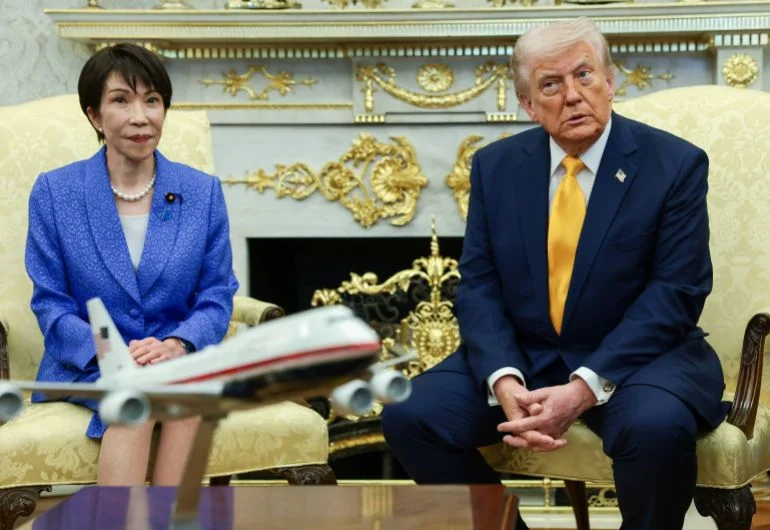
President Trump's controversial Pearl Harbor reference to defend the Iran war leaves Japan uneasy, prompting mixed reactions to PM Takaichi's silence.

A new Japanese study indicates that boys with hemophilia who play sports frequently, particularly in junior high, face a higher risk of bleeding episodes, highlighting the need for tailored prophylaxis adjustments.
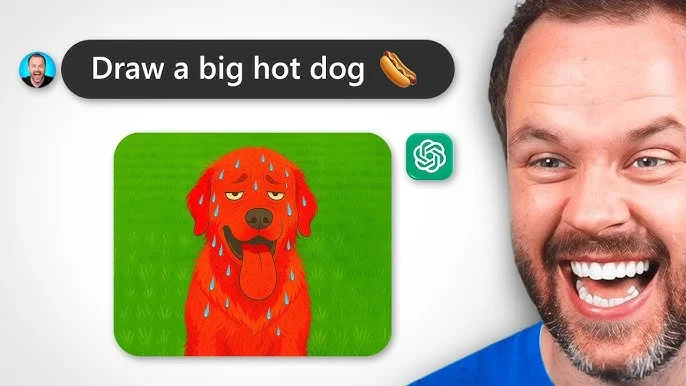
Short-form comedy, from adorable pet antics to AI-generated skits, is driving massive engagement on TikTok, fostering communal experiences as creators crush numbers.