'2026 is the New 2016': Why Everyone is Posting Throwback Photos
The viral "2026 is the new 2016" trend has taken over TikTok and Instagram with 200M+ videos using the 2016 filter. Celebrities like Kylie Jenner and John Legend join Gen Z in nostalgic throwbacks to the pre-pandemic era.
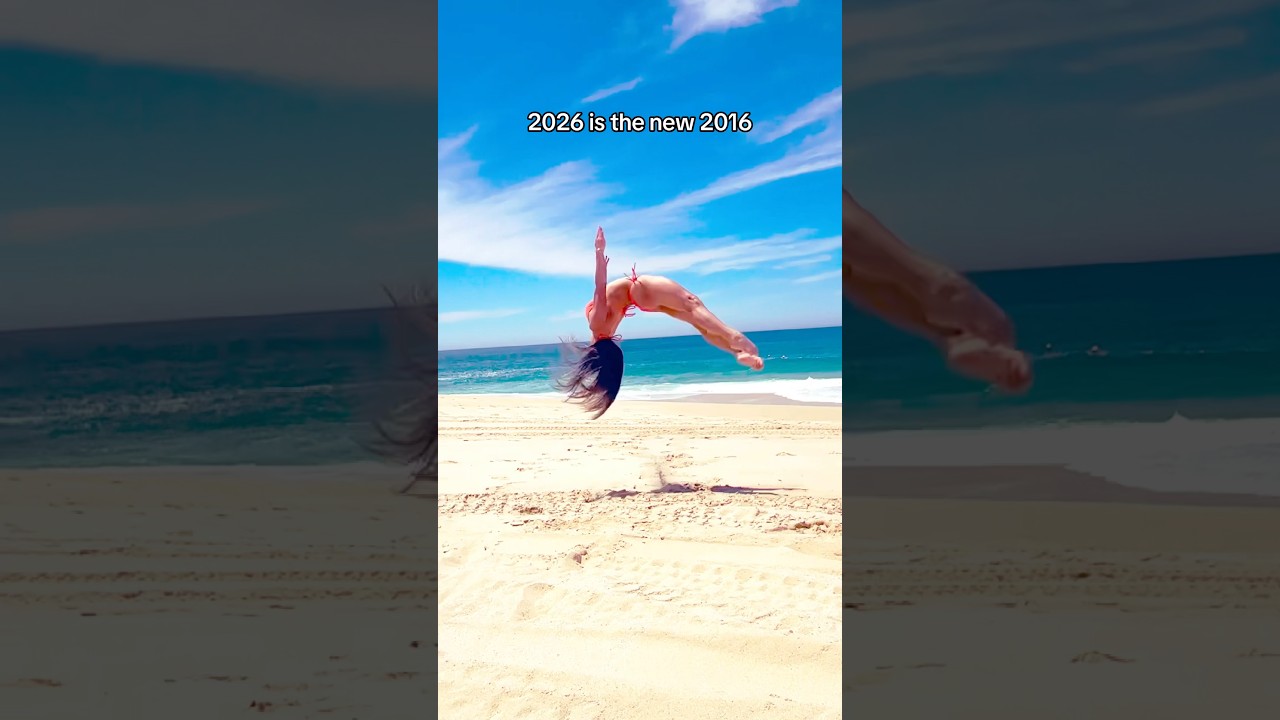
2026 is the new 2016 #2016 #2026 #throwback
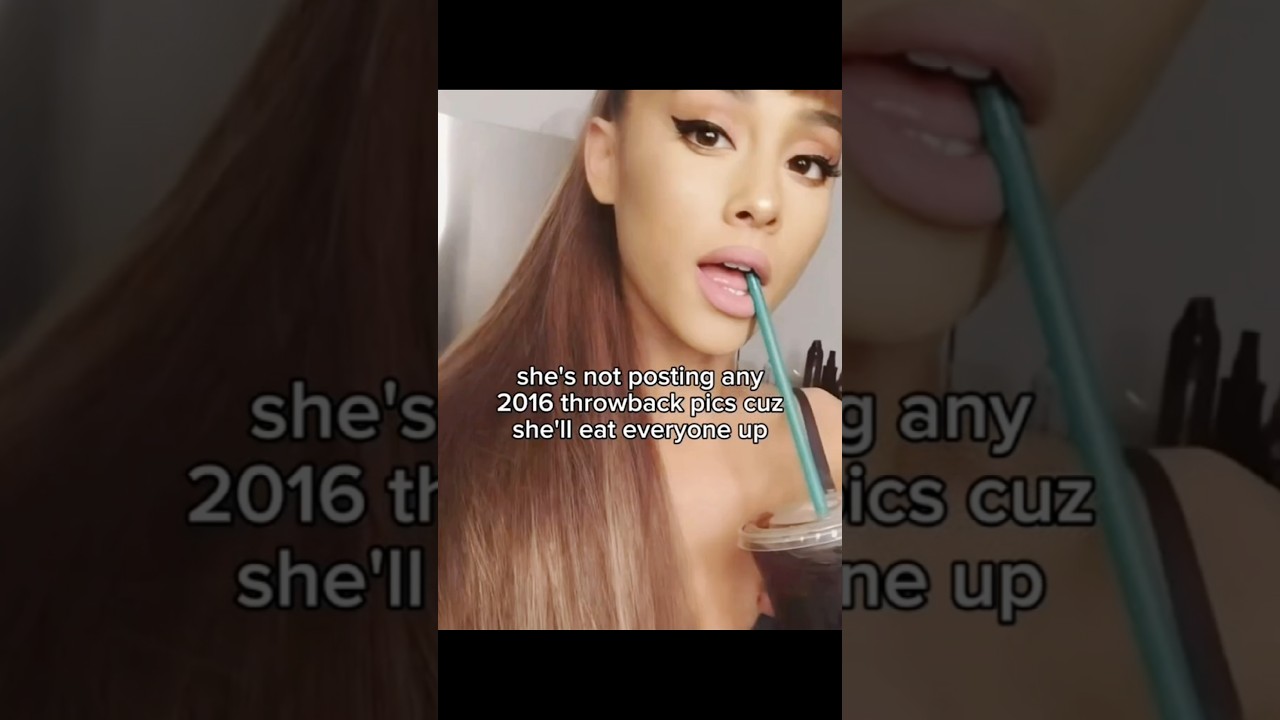
Ariana Grande can easily eat everyone up if she starts posting 2016 throwback pictures 😭
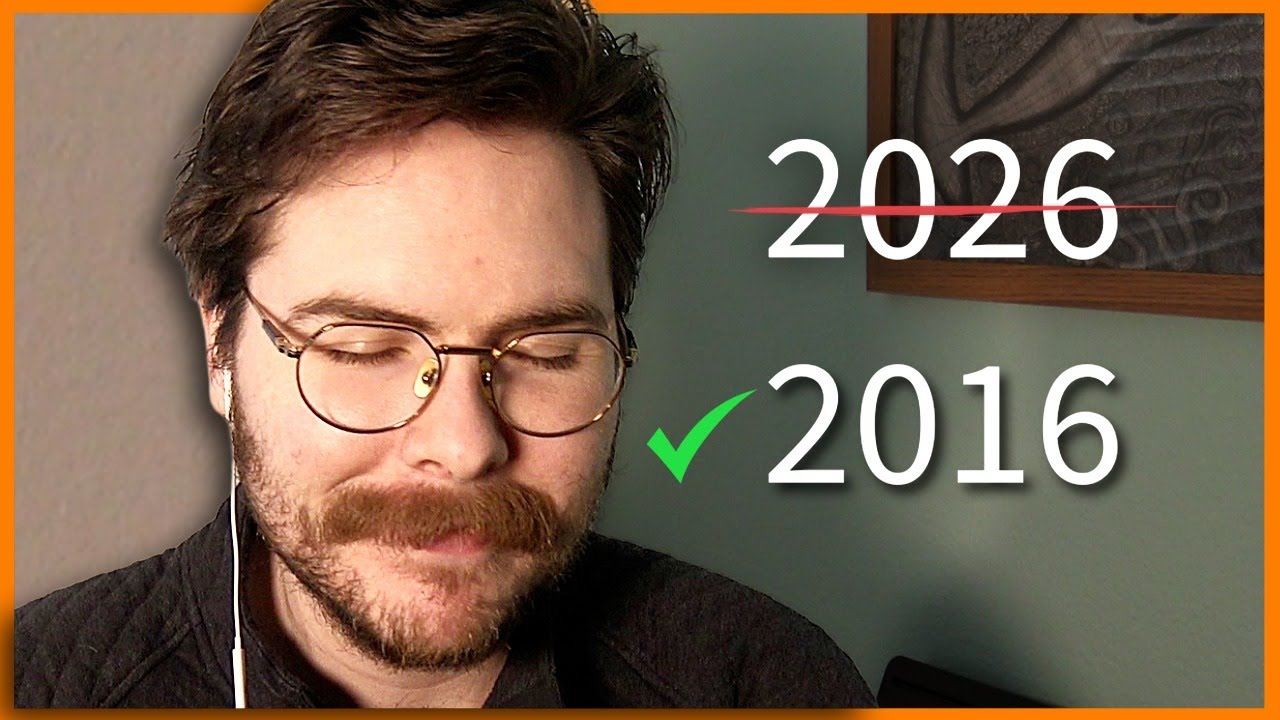
people saying 2026 will be the new 2016
Ten years ago, 2016 gave us Brexit, a Trump presidency, creepy clown sightings, and the deaths of beloved icons from David Bowie to Muhammad Ali. "F**k 2016" trended for a reason. Yet somehow, in the opening weeks of 2026, millions of social media users have decided that 2016 was actually... good? Welcome to the "2026 is the new 2016" trend, a viral phenomenon that has taken over TikTok and Instagram with rose-tinted nostalgia.
The Trend Explained
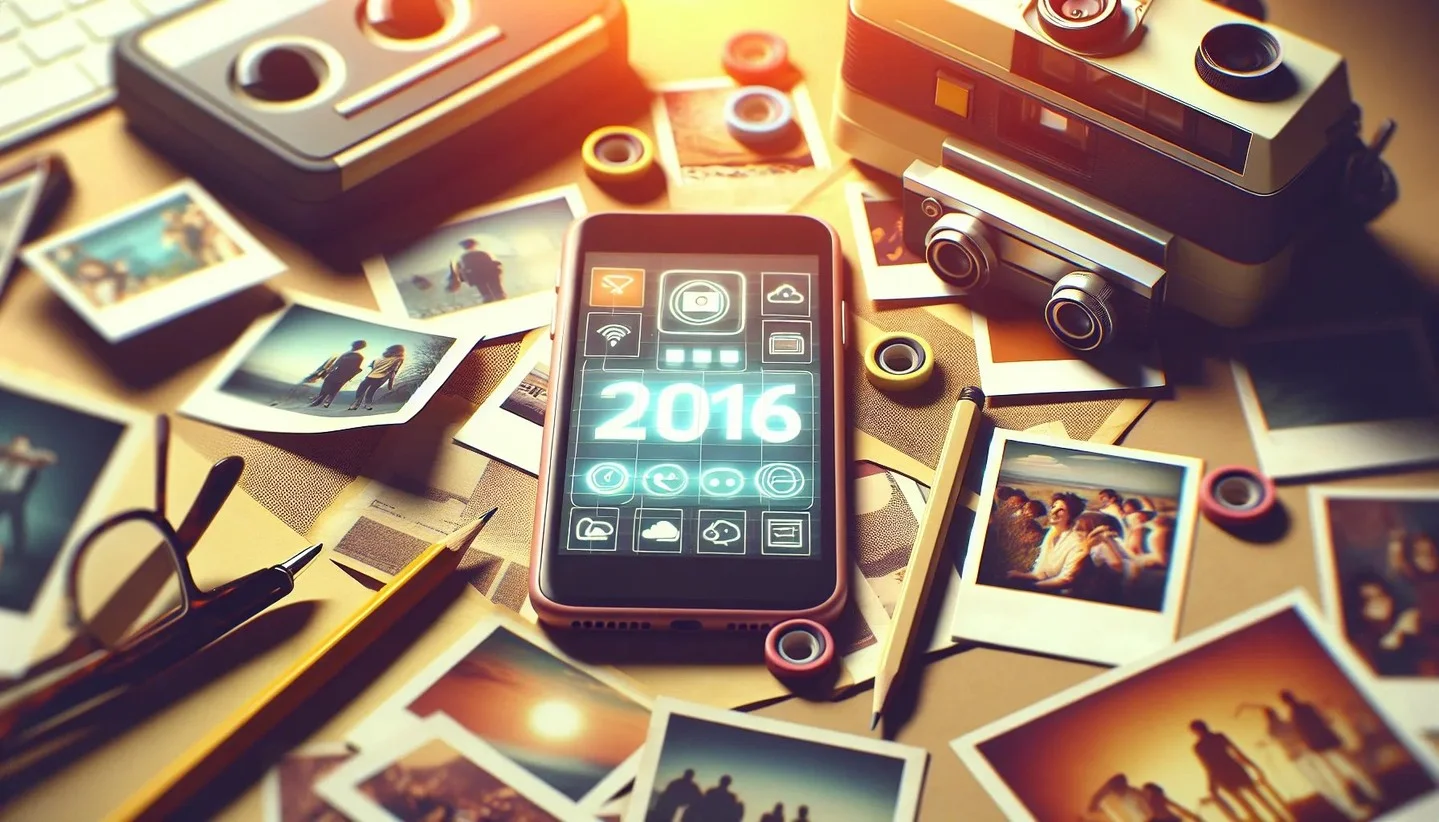
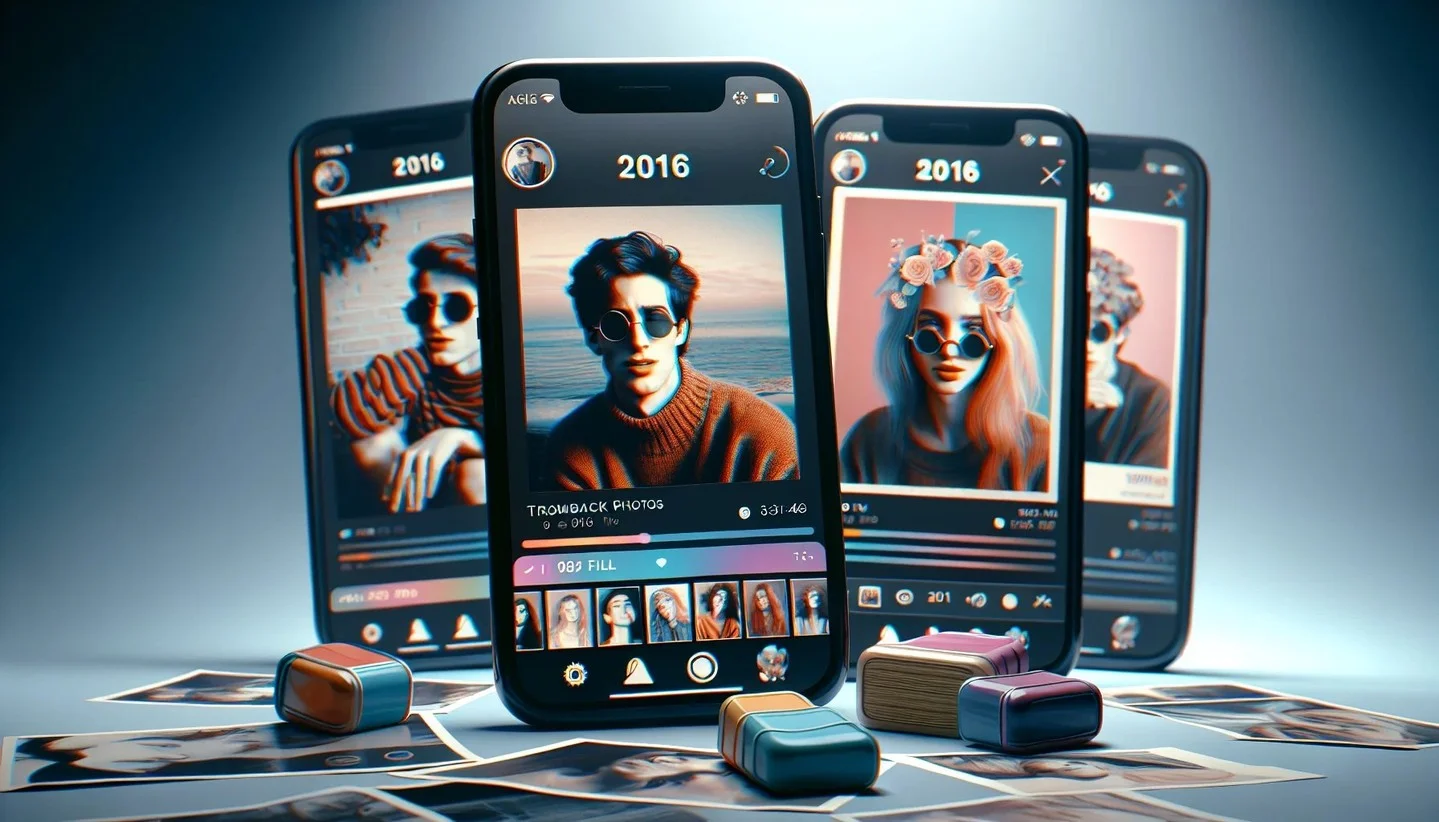
According to Fast Company, "2026 is the new 2016" is a social media phenomenon that emerged in late 2025 and exploded in early January 2026. Users are declaring the new year a spiritual successor to 2016, pairing the phrase with oversaturated filters and photo dumps pulled straight from the mid-2010s.
The trend has reached staggering scale. As ABC News reports, the #2016 hashtag has been used in over 1 million posts on TikTok and over 37 million posts on Instagram. More than 200 million TikTok videos have used the "2016 filter" to give footage that characteristic rose-colored warmth.
TikTok data shows searches for "2016 songs" and "2016 makeup" surged 290% and 600%, respectively, between January 1-11, 2026.
What People Are Posting
The trend has users recreating the viral moments of 2016: bottle flip challenges, the dab, Mannequin Challenges, peace signs, and playful selfies with Snapchat's iconic dog filter. Photo dumps feature oversaturated palm tree shots and the casual, less-curated aesthetic of pre-pandemic social media.
As The Washington Post notes, the music choices are equally nostalgic—songs from Drake, Rihanna, Twenty One Pilots, and The Chainsmokers that dominated 2016's airwaves are soundtracking millions of throwback videos.
Celebrities Join In
The trend has attracted A-list participation. According to Yahoo Entertainment, celebrities including John Legend and Reese Witherspoon have shared photos from 10 years ago on their social media accounts.
Perhaps most notably, Kylie Jenner shared several photos from her "King Kylie era," a period when she was at the peak of her social media influence and her signature blue hair became a cultural moment. The posts garnered millions of likes and helped propel the trend further into mainstream consciousness.
Why 2016? The Psychology of Selective Nostalgia
"People are really longing for a time that felt simpler, a time that felt really optimistic," explains Leah Faye Cooper, journalist and former Vogue editor, in an interview with Good Morning America.
The nostalgia reflects yearning for a time before the COVID-19 pandemic fundamentally altered daily life, before widespread online misinformation became a constant concern, and before artificial intelligence content became ubiquitous. According to Marie Claire, Gen Z particularly yearns for an internet that felt more authentic.
Brand strategist Joel Marlinarson told reporters that Gen Z wants to return to a time "before overly curated photo dumps." He explained that "2016 meant being carefree with less performative social content and not being so chronically online."
The Irony of 2016 Nostalgia
Of course, this collective memory is highly selective. 2016 was also the year of Brexit, the Pulse nightclub shooting, the Zika virus outbreak, and the beginning of political polarization that would only intensify in subsequent years. Cultural icons from Prince to Gene Wilder passed away, prompting widespread mourning.
The phrase "2026 is the new 2016" now has its own Wikipedia page, documenting this peculiar moment when a generation decided to remember 2016 not as it was, but as they wish it had been.
What This Says About Us
The trend reveals something profound about how we process time and trauma. After years of pandemic uncertainty, economic anxiety, and technological disruption, there's a collective desire to return to what feels like a more innocent digital age—even if that innocence is largely invented.
Whether you're dusting off your fidget spinner or recreating the bottle flip challenge, one thing is clear: in 2026, looking backward has become the newest way to move forward. At least until the next nostalgic cycle begins.
Related Articles
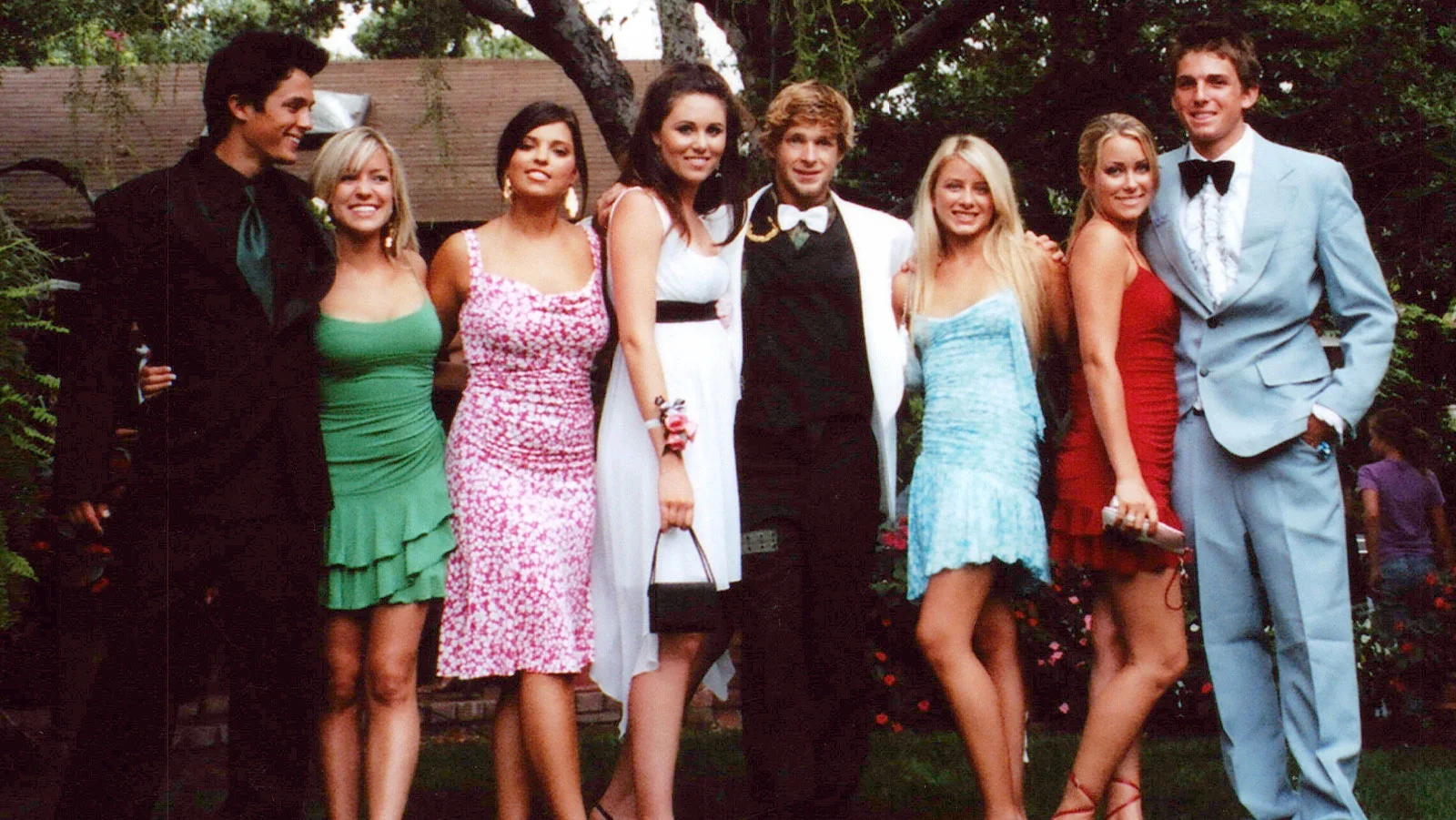
‘Laguna Beach’ Icons Reunite for Viral JENNIE TikTok, Sparking Millennial Nostalgia and Chart Surge
Lauren Conrad, Stephen Colletti, and Talan Torriero of 'Laguna Beach' fame embraced the JENNIE 'Dracula' TikTok trend ahead of their 20th-anniversary reunion special, igniting social media and propelling the song up the charts.