Chinamaxxing Explodes: Western Influencers Redefine Urban Living by Embracing Chinese Habits
The "Chinamaxxing" trend is captivating Western audiences on TikTok, as creators adopt and share aspects of organized, efficient Chinese urban life amid rising living costs and global uncertainty.

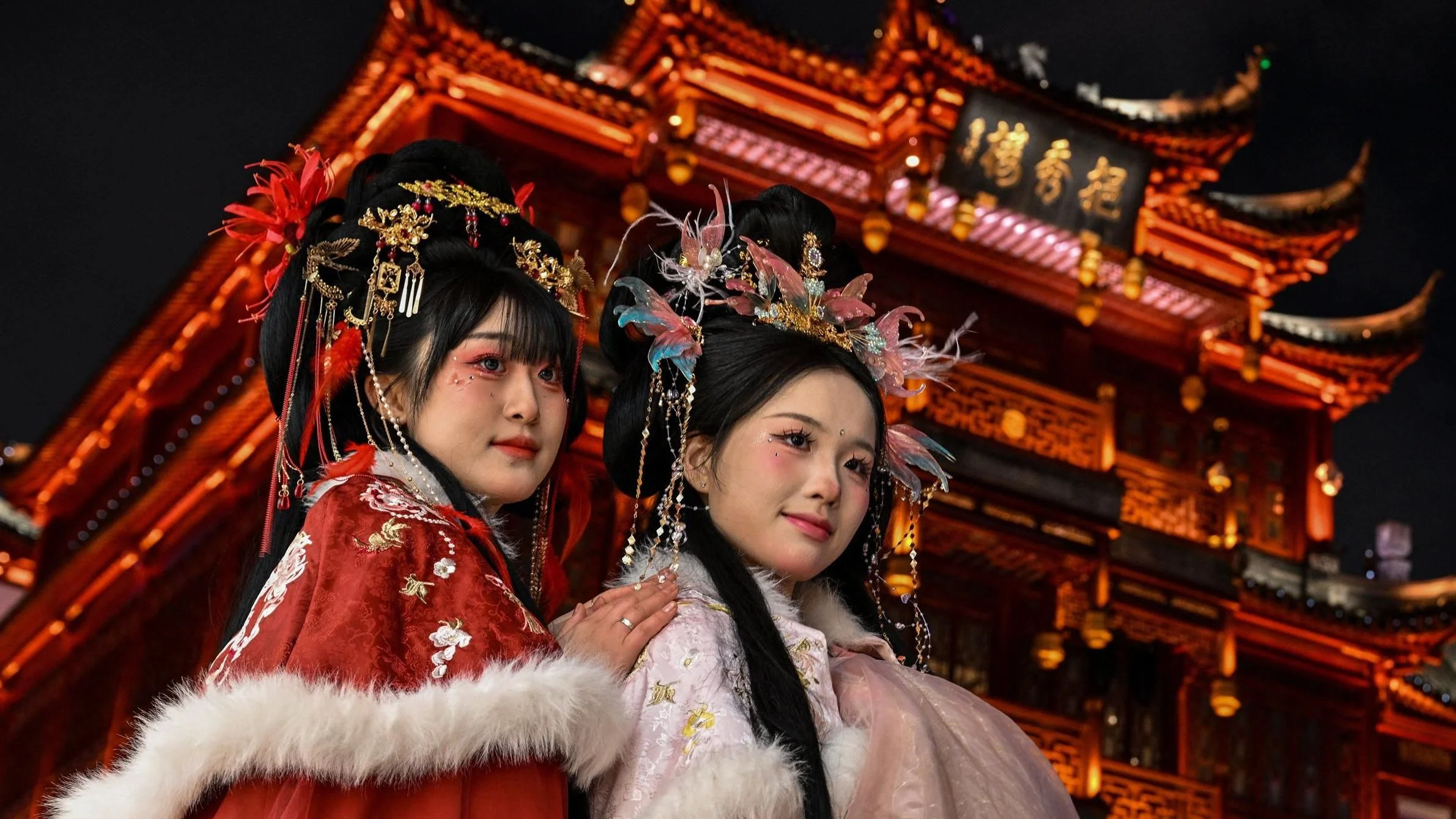
A burgeoning social media phenomenon dubbed "Chinamaxxing" is rapidly transforming online discourse, particularly across Western short-video platforms like TikTok. This trend sees Western creators actively adopting and showcasing daily habits and lifestyle elements commonly observed in Chinese cities, presenting them as a novel and efficient way of living. From partaking in warm apple-infused water as a morning ritual to embracing indoor slippers, fixed routines, and the seamless integration of high-speed delivery services, these creators are painting a picture of an ordered and streamlined urban existence that resonates deeply with a global audience. The virality of Chinamaxxing, as reported by NDTV Profit, signals a significant shift in cultural perception, moving beyond previous narratives dominated by geopolitical and economic tensions to spotlight aspects of daily life that suggest stability and development.
Background and Context of a Shifting Narrative
For numerous years, global conversations surrounding China were frequently anchored in discussions about stringent lockdowns, geopolitical intricacies, and economic shifts. This often led to a perception in the West primarily focused on these macro-level issues. However, the emergence of Chinamaxxing marks a distinct departure from this established narrative. The trend is not merely about celebrating Chinese culture in a broad sense; it zeroes in on the practical, day-to-day elements of modern Chinese urbanism that appear to offer solutions or at least an appealing alternative to challenges faced by young Westerners. As noted by NDTV Profit, the timing of this online shift is crucial, coinciding with a period where many young viewers in the West grapple with escalating living costs, a volatile job market, and a general sense of uncertainty. Against this backdrop, the visuals presented by Chinamaxxing — modern skylines, efficient public transport, contactless services, and rapid delivery systems — convey an attractive image of speed, stability, and progress, inviting a re-evaluation of preconceptions. This phenomenon isn't just about sharing habits; it's about projecting an alternative model of contemporary urban living that speaks to a yearning for order and efficiency.
Key Developments and the Face of Chinamaxxing
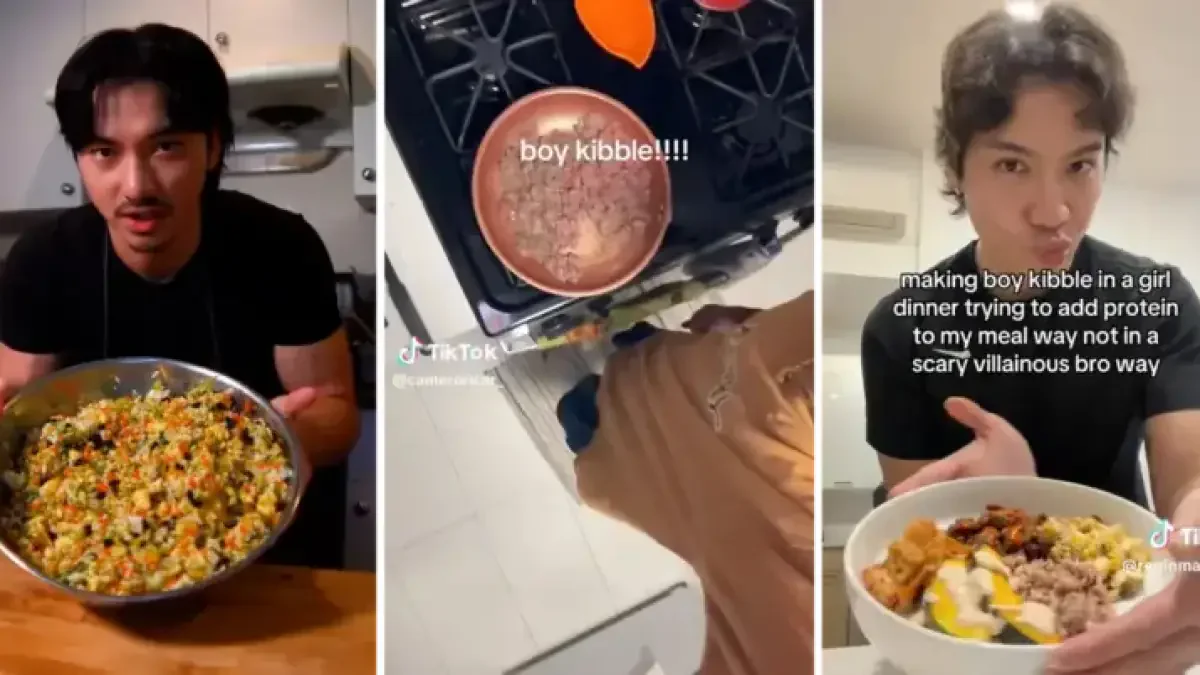
The core of the Chinamaxxing trend lies in its digital accessibility and the relatable content creators produce. Videos that capture simple, everyday moments – from the morning ritual of warm apple water to the convenience of app-based food and parcel deliveries – are proving immensely popular. These clips, though seemingly mundane, collectively construct an image of a highly organized and efficient urban existence that captivates viewers globally. The trend's widespread appeal is significantly bolstered by influencers who adeptly translate these habits into engaging and easy-to-understand content. A prominent figure within this movement is Chinese-American creator Sherry Zhu, whose videos blend humor with traditional wellness advice, contributing significantly to the trend's visibility. Her memorable phrase, “tomorrow you're turning Chinese,” has become an unofficial slogan, deeply embedded in the Chinamaxxing lexicon and widely shared across platforms, as highlighted by NDTV Profit. This direct, almost playful invitation to adopt elements of Chinese lifestyle distinguishes Chinamaxxing from broader cultural exchange movements. It presents a tangible, actionable pathway for viewers to integrate specific habits into their own lives, promising a taste of the perceived organizational benefits. The rapid proliferation of these personalized narratives underscores the power of short-form video in shaping international perceptions and cultural dialogues, proving that individual creators can exert significant influence in global trend-setting, much like how a brand like Hiya vitamins can gain millions of views from relatable parenting humor, as seen in Panama City News Herald. Both phenomena illustrate how highly targeted and relatable content, whether on lifestyle or product, can achieve viral success by tapping into specific needs and aspirations of an audience.
Analysis: The Allure of Efficiency in an Uncertain World
The burgeoning popularity of Chinamaxxing transcends mere curiosity; it reflects a deeper societal yearning for order, efficiency, and perhaps a sense of control in an increasingly unpredictable world. For many young Westerners, particularly those navigating stagnant wage growth, escalating inflation, and a precarious housing market, the visuals of rapidly expanding infrastructure and seamless essential services showcased by Chinamaxxing creators offer a compelling contrast to their own experiences. As technology writer Afra Wang points out, when individuals witness videos depicting entire cities being constructed at speed and sophisticated transport networks flourishing, it naturally invites comparisons with their own environments, which may appear slow to adapt or improve. This sentiment is key to understanding the trend's resonance; it's not just about aesthetics, but about perceived functionality and responsiveness of urban systems. The trend thus becomes a digital mirror reflecting desires for stability and societal progress that might feel absent in their immediate surroundings. Furthermore, the focus on 'daily habits' and 'fixed routines' within Chinamaxxing hints at a longing for grounding and wellness, reminiscent of the widespread appeal of brands like Hiya vitamins which position themselves as a "steady, daily ritual" amidst the chaos of rapidly changing childhood, as reported by Panama City News Herald. Both Chinamaxxing and Hiya’s marketing pivot on the idea of establishing consistent, beneficial practices in the face of external instability. While Chinamaxxing offers a window into a seemingly more organized urban life, Hiya provides a micro-level solution for personal health and routine. This shared emphasis on routine and order suggests a broader psychological need for predictability and efficiency, whether on a macro-urban scale or a micro-personal wellness level, in contemporary society.
Additional Details and Nuances of Perception
While Chinamaxxing is rapidly gaining traction in the West, its reception back in China offers an interesting contrast. Despite its global virality, the trend has not generated commensurate buzz or widespread discussion on Chinese social media platforms, as noted by NDTV Profit. This discrepancy highlights the different ways in which cultural trends are perceived and internalized across various geographies. For those within the Chinese diaspora, the trend has largely been welcomed as a more positive and nuanced representation of China online, moving beyond often-negative Western media portrayals. This shift is seen as a refreshing change that focuses on the practicalities and conveniences of daily life rather than purely political or economic narratives. However, experts caution that the viral clips, by their very nature, present a curated and partial reality. They tend to highlight the aspirational aspects of Chinese urban living – the high-tech infrastructure, the efficient services – while often omitting other significant societal challenges. These include issues like youth unemployment, the intense "996" work culture, and pressures within the property sector. Moreover, many of the showcased convenient services, such as rapid delivery, rely heavily on gig economy workers, a fact often overlooked in the idealized portrayal. This selective representation is a common feature of social media trends, where the emphasis is often on generating engaging content rather than offering a fully comprehensive societal overview. The phenomenon echoes the instant virality of various online content, from a simple beehive removal on the 31st floor in Mumbai drawing millions of views and sparking debate on ethical pest control, as reported by the Hindustan Times, to the curated product campaigns that strike a chord with specific demographics. In all these cases, virality thrives on compelling, often simplified, narratives that resonate powerfully with a niche or broad audience, even if they don't capture the full complexity of the situation.
Looking Ahead: Cultural Exchange, Influence, and the Digital Frontier
The continued expansion of Chinamaxxing underscores the escalating importance of short-form video as a potent tool for shaping cultural influence and international perceptions. This trend is not merely a fleeting viral moment but could signify a more profound shift in how Western audiences engage with and understand different cultures, moving beyond traditional news media narratives. As influencers continue to bridge cultural gaps through personal storytelling, the potential for greater cross-cultural understanding, albeit through a curated lens, increases. However, the selective nature of social media content also necessitates critical engagement from viewers, encouraging them to seek out broader perspectives beyond the idealized snapshots. The rise of Chinamaxxing could pave the way for similar "culture-maximizing" trends focusing on other nations, as creators continually seek novel and engaging content that resonates with the desire for improved lifestyles. Ultimately, this trend highlights the dynamic and ever-evolving landscape of digital diplomacy and cultural exchange, where individual creators, armed with smartphones and appealing narratives, wield significant power in defining national images on a global scale. The conversation around Chinamaxxing is still developing, but its current trajectory suggests a lasting impact on how cultural elements are adopted, adapted, and celebrated in the digital age, further blurring the lines between information, entertainment, and lifestyle aspiration.
Related Articles

Kriti Sanon Ditches Traffic Jams for Bike Ride Home, Sparking Online Buzz
Bollywood star Kriti Sanon offers fans a relatable glimpse into her urban commute, opting for a bike ride post-shoot to beat city traffic, a move hailed as practical and refreshing.