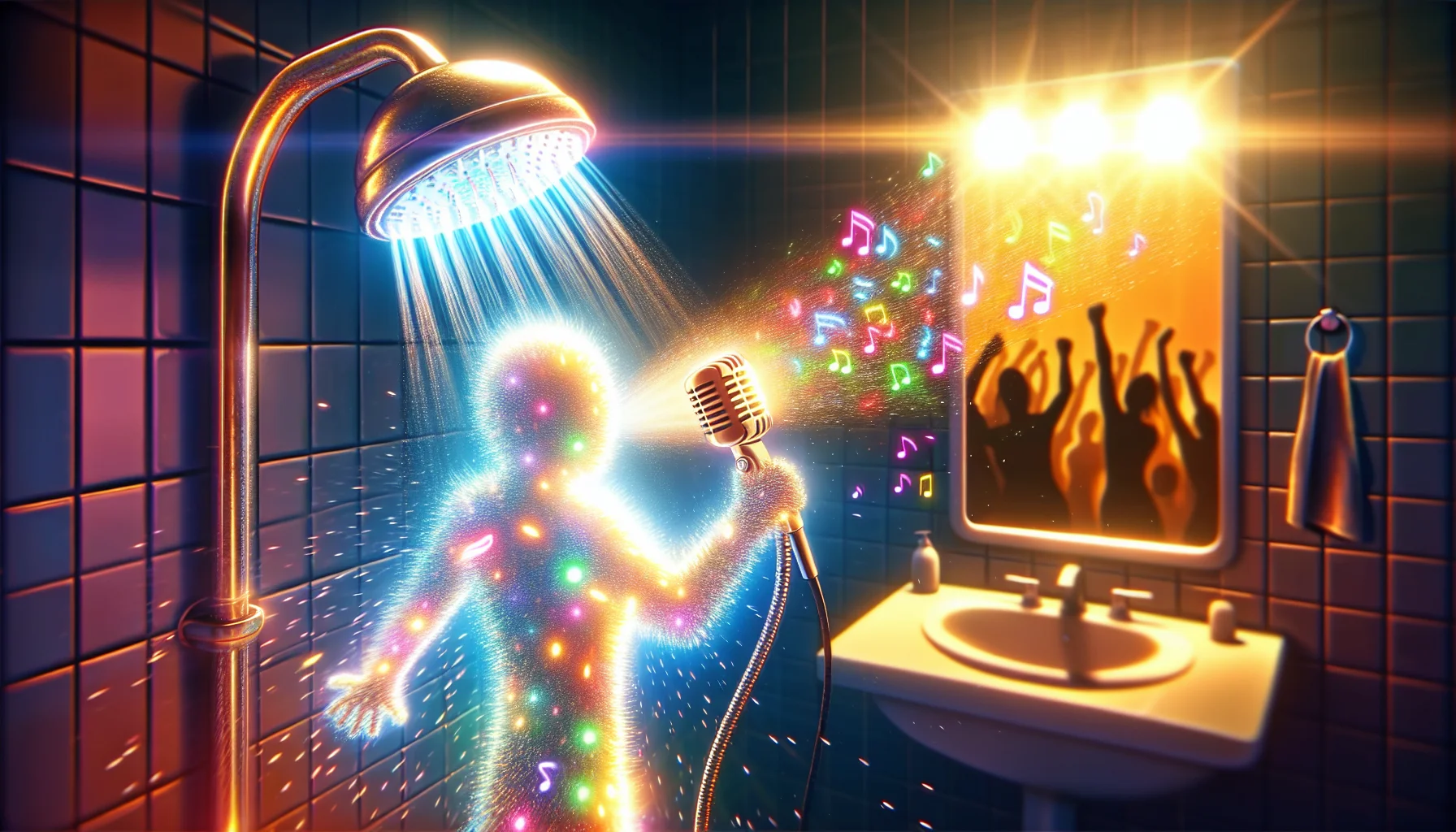
‘Dark Showering’ for Enhanced Sleep: Unpacking the Viral Trend
The viral trend of 'dark showering' promises better sleep by leveraging light's impact on circadian rhythms. Experts weigh in on its effectiveness and safety.

Man refuses to open door for ICE agent
In an era where personal wellness hacks frequently go viral, a new trend promising improved sleep is capturing widespread attention online: 'dark showering.' This practice involves showering in a low-light environment before bed, with proponents suggesting it can significantly enhance sleep quality. The concept isn't entirely novel, building on well-established scientific principles regarding how light exposure impacts our body's internal clock, known as the circadian rhythm. As people increasingly search for natural and effective ways to combat pervasive sleep issues, dark showering has emerged as a simple, accessible method, currently making waves across social media platforms. However, while the allure is clear, experts caution about the nuances of this trend, particularly regarding safety and actual scientific backing.
The Science of Sleep and Light Exposure
The human body operates on a natural 24-hour cycle, the circadian rhythm, which dictates critical bodily functions, including wakefulness and sleep. Light is the most powerful external cue influencing this rhythm. Bright light, especially in the blue spectrum, signals to our brains that it's daytime, suppressing melatonin production and promoting alertness. Conversely, darkness or dim, warm light encourages the release of melatonin, the hormone crucial for initiating and maintaining sleep. NBC 5 Dallas-Fort Worth reports that nearly half of Americans neglect morning light exposure and are overexposed to bright lights and screens before bed, contributing to widespread sleep deprivation. This disconnect between our modern lifestyles and our biological needs has fueled the search for solutions like dark showering.
Experts highlight that this imbalance significantly contributes to the statistic that one-third of Americans don't get the recommended amount of sleep, often feeling sleepy during the day. The core idea behind dark showering – reducing stimulation and sensory input through manipulating light – aligns with established sleep hygiene practices. By creating a dark environment, even in the bathroom, individuals aim to send stronger signals to their bodies that it's time to wind down and prepare for rest. The trend leverages this fundamental understanding of light's impact on our internal clocks, suggesting a simple environmental modification could yield substantial benefits.
Understanding the 'Dark Showering' Phenomenon
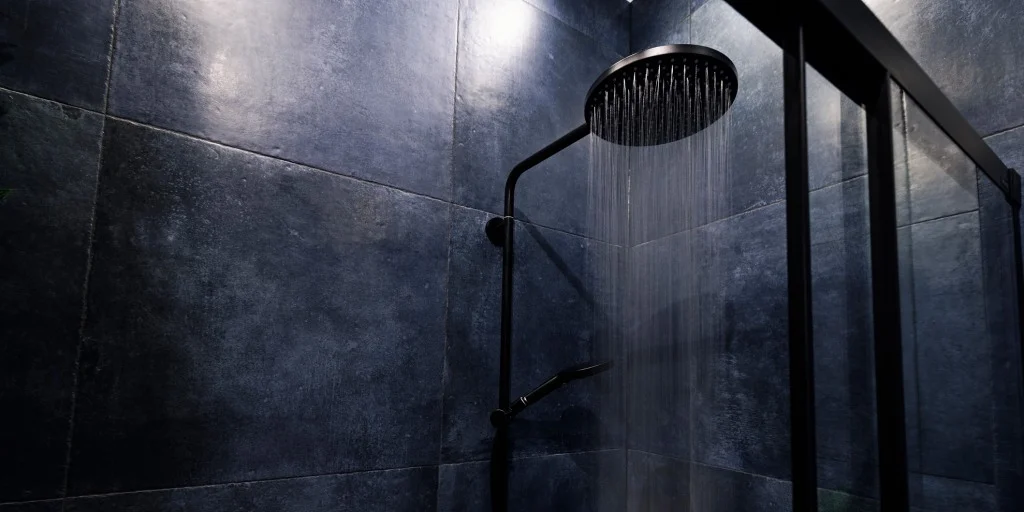
‘Dark showering’ is defined as "showering in a very low light environment to help reduce stimulation and sensory input" before bedtime, according to Dr. W. Christopher Winter, a neurologist, sleep specialist, and host of the Sleep Unplugged podcast, as reported by NBC 5 Dallas-Fort Worth. This practice is particularly relevant for anyone preparing for rest, whether at a conventional evening hour or, for shift workers, at unusual times of day. The goal is to proactively eliminate bright light exposure, which often occurs during otherwise routine activities like showering, in environments that are unnecessarily bright.
While the trend is gaining considerable traction on social media, scientific research directly examining its efficacy as a sleep aid remains limited. However, sleep experts note the potential benefits. Dr. Rebecca Robbins, an assistant professor at Harvard and associate scientist at Brigham and Women’s Hospital, suggests that showering in low light can indeed be a "soothing" and relaxing component of a wind-down routine. She further explains that this environment can help prompt the release of melatonin, a key sleep hormone. Warm showers themselves are already recognized as a recommended part of a bedtime ritual due to their body-relaxing effects, and combining this with dim lighting could amplify these benefits. The color of light also plays a role; while blue light from screens can suppress melatonin, warm orange or red hues are known to facilitate its release, further aiding relaxation and sleep preparation. Some brands are even manufacturing specific light bulbs designed to support circadian rhythm with varying hues and wavelengths, highlighting a growing market for sleep-enhancing lighting solutions.
Analysis: What This Means for Sleep Hygiene
The emergence of 'dark showering' as a viral trend reflects a broader societal recognition of the profound impact of sleep on overall health and well-being, coupled with a pervasive struggle to achieve adequate rest. In an always-on, high-stimulation world, individuals are actively seeking accessible bio-hacks and lifestyle adjustments to improve their sleep hygiene. This trend, while seemingly simple, underscores a sophisticated understanding of human physiology – specifically, the delicate balance of the circadian rhythm and the powerful influence of light cues. The fact that an uncomplicated change like dimming bathroom lights is gaining such popularity suggests a genuine yearning for strategies that don't rely on pharmaceuticals or complex routines, offering a sense of control over one's sleep environment.
However, it's crucial to approach such trends with a critical eye. While the theoretical basis for dark showering is sound – reducing light exposure to facilitate melatonin production – the actual physiological impact might be modest for individuals whose sleep issues stem from deeper causes. Its primary value likely lies in its ability to serve as a tangible and relaxing component of a broader wind-down routine, signaling to the body and mind that it's time to transition from activity to rest. It effectively gamifies sleep preparation, making an abstract concept like "sleep hygiene" into a concrete, actionable step. This makes it a powerful psychological tool, even if the direct scientific data on 'dark showering' itself is still nascent. Moreover, the emphasis on safety, such as avoiding total darkness to prevent accidents, highlights the need for a balanced and practical application of such wellness trends, ensuring that the pursuit of health doesn't inadvertently lead to harm.
Practical Guidelines and Additional Benefits
For those interested in exploring dark showering, experts offer practical advice to maximize its benefits and ensure safety. Dr. Winter suggests dimming existing bathroom lights; if dimmers aren't installed, switching out light switches for dimmer-compatible ones is a relatively easy hardware store upgrade. Alternatively, opting for light bulbs with lower blue light emissions can also help signal to the body that it's time for sleep. Adjusting blinds is another simple step, especially for those who need to sleep during daylight hours or in regions where daylight extends late into the evening. These small environmental controls can make a significant difference in minimizing unwanted light exposure.
Crucially, showering in total darkness is strongly advised against due to safety concerns. "Pitch black is not a great idea," Winter warns, citing the risk of injury. Instead, he recommends cordless lighting solutions or a reliable night light to maintain sufficient visibility without resorting to bright overhead lights or hazardous setups involving electrical cords near water. Beyond lighting, water temperature also plays a role. Research indicates that a shower between 104-108.5 degrees Fahrenheit is optimal for sleep. Winter suggests leaning toward hotter temperatures for an evening shower, as the subsequent cooling of the body after stepping out can have a sleep-promoting effect. These combined strategies create a comprehensive sensory experience designed to ease the body into a state conducive to restful sleep, making dark showering a multifaceted approach to evening wind-down rituals, as detailed by NBC 5 Dallas-Fort Worth.
Beyond Dark Showering: The Broader Context of Viral Trends
The "dark showering" trend exists within a broader landscape of viral wellness and lifestyle hacks, which often gain rapid traction on social media. Much like the recent explosion of AI-powered caricature generators, as reported by India Today, or the widespread discussion generated by a manager denying an employee's leave request during a power outage, highlighted by India Today, these phenomena demonstrate how quickly specific ideas, experiences, or practices can disseminate and influence public behavior or discourse. These trends often tap into relatable human experiences—the desire for better health, self-expression, commentary on workplace power dynamics, or even the frustration of bureaucratic hurdles like visa denials, as shared by a Gurgaon CEO in a viral post reported by India Today. In the case of dark showering, it fulfills a widespread need for accessible sleep solutions. While some viral content might be fleeting entertainment, trends like dark showering showcase how social media can accelerate the adoption and discussion of practices with potential, albeit often unproven, real-world benefits. They democratize access to lifestyle experiments, inviting individuals to try and adapt techniques that resonate with their personal wellness goals. This rapid spread, while good for awareness, also necessitates careful scrutiny and expert validation as seen in the cautious endorsements provided by sleep specialists for dark showering.
Looking Ahead: The Future of Sleep and Viral Wellness
As our understanding of sleep science continues to evolve, and as technology provides new avenues for both disruption and enhancement of our sleep, trends like dark showering are likely to become more common. The emphasis will remain on practical, accessible, and ideally, scientifically-informed methods to improve sleep hygiene. We can expect to see further innovation in ambient lighting solutions designed for sleep, smart home systems that automate light and temperature adjustments for bedtime, and continued discussion around the impact of screens and schedules on our circadian rhythms. While the 'research here is thin' on dark showering specifically, as mentioned by Dr. Winter, the foundational principles it operates on are robust. The future of sleep enhancement will likely blend ancient wisdom about natural rhythms with modern technology and a greater personal commitment to creating optimal sleep environments, all amplified and disseminated through the powerful channels of viral social media.
Related Articles

Ananya Panday Hails Father Chunky's 90s Revival as Viral Trend Captures Bollywood Nostalgia
Ananya Panday expresses immense pride as father Chunky Panday flawlessly revives his 90s heartthrob image in a viral social media trend, sparking widespread nostalgia and celebrity reactions.