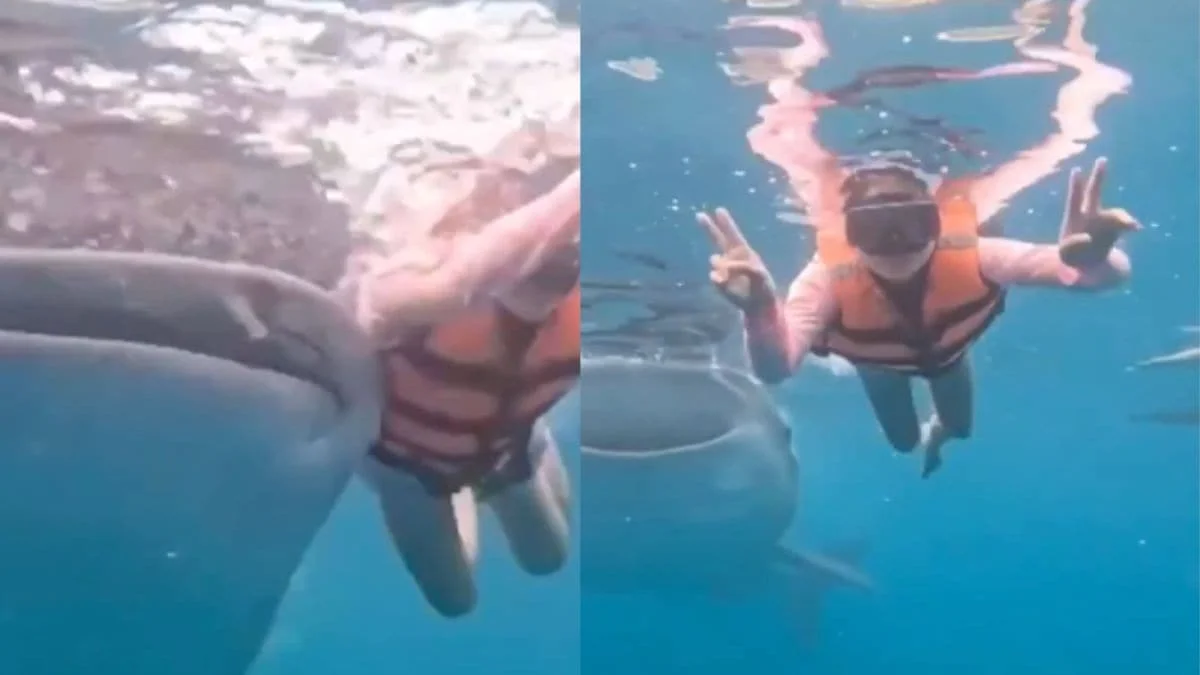
Whale Shark Gently Nudges Swimmer in Philippines, Viral Video Captures Rare Encounter
A whale shark gently nudged a swimmer posing underwater in the Philippines, creating a viral video that highlights the species' gentle nature and conservation needs.

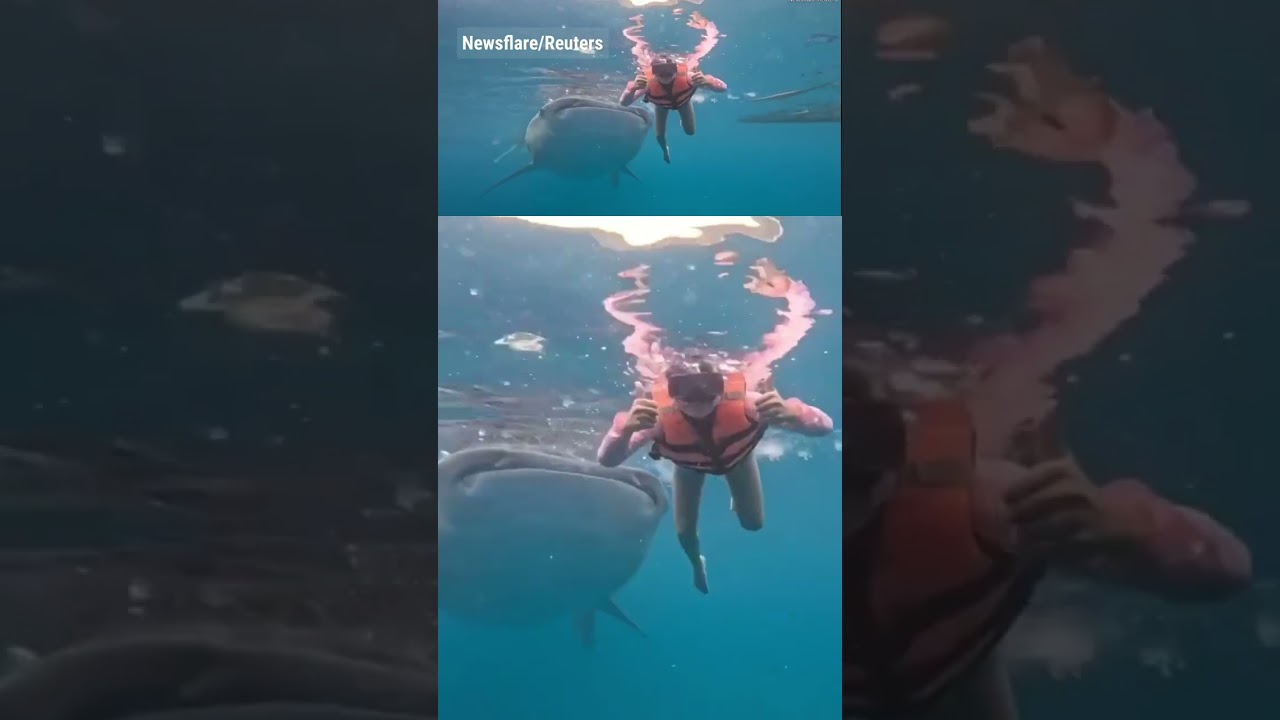
WATCH: Massive whale shark nudges swimmer in underwater footage #shorts #viral #foxnews
In an extraordinary underwater encounter that has captivated millions globally, a swimmer in the Philippines found herself momentarily interacting with one of the ocean's most magnificent creatures – a whale shark. The moment, captured on video, shows the colossal yet gentle marine animal subtly nudging the swimmer's arm as she posed for photographs, creating a viral sensation that has simultaneously enchanted and educated viewers about these endangered giants. The incident unfolded as Maurene Calago was enjoying a dive, culminating in a surprising, close-up interaction with the world's largest fish, a testament to their remarkably calm demeanor.
Background: The Gentle Giants of the Ocean
Whale sharks, scientifically known as Rhincodon typus, hold the distinction of being the largest fish species on Earth, a fact underscored by their impressive size that can reach up to 60 feet. Despite their shark classification and formidable dimensions, these creatures are filter feeders, subsisting primarily on plankton, small fish, and crustaceans. They are not predators of larger marine animals or humans, a characteristic that often surprises those unfamiliar with marine biology. Their migratory patterns span vast ocean distances, driven by the search for abundant food sources and suitable breeding grounds. This constant movement is crucial for sustaining their immense size and reproductive cycles, as highlighted by the Indian Express, which cites the World Wildlife Fund (WWF) on their status. Unfortunately, the WWF also categorizes whale sharks as an endangered species, facing significant threats from habitat degradation, vessel strikes, and unsustainable tourism practices, making every interaction like the one in the Philippines a poignant reminder of their vulnerability.
Key Developments: A Viral Nudge from the Deep
The viral video, which has amassed over three million views on platforms like X (formerly Twitter), showcases the moment Maurene Calago, posing underwater, experienced an unannounced interaction with a whale shark. As she struck a 'victory' hand gesture, the massive creature gracefully approached from behind, gently nudging her arm. Despite the initial surprise of such a close encounter with a 20,000-pound animal, Calago maintained her composure before surfacing. The incident quickly became a trending topic, with Fox News sharing the clip and remarking on the whale shark's "unnoticed" approach and "nudge" while Calago posed for photos, as reported by The Indian Express. Social media users reacted with a mixture of awe and humor, with one user on X quipping, "She came for a cute photo op and left with the world’s gentlest photobomb from a 20,000-pound co-star." Another commenter playfully suggested, "Imagine posing for a cute underwater selfie and a whale shark taps you like 'excuse me, I’m also trying to get in the shot.' Nature’s photobomber!" These reactions collectively highlight the public's fascination with these majestic, yet often misunderstood, marine creatures, reinforcing their image as 'gentle giants.' The tranquil nature of the interaction stands in stark contrast to other viral social media content, such as a recent "reverse gear ego" battle between two SUVs on a narrow Indian road, an entirely different kind of dramatic interaction that trended according to The Economic Times. While both captured public attention, the whale shark video offers a narrative of peaceful coexistence and natural wonder.
Analysis: The Delicate Balance of Ecotourism and Conservation
The viral video of the swimmer and the whale shark serves as a powerful, albeit subtle, case study in the complex relationship between humans and endangered marine life, particularly in the context of ecotourism. On one hand, such footage generates immense public interest and raises awareness about whale sharks, potentially fostering empathy and support for their conservation. The comments sections overflow with admiration for the whale shark's gentle nature, dispelling common misconceptions about sharks being inherently dangerous. This increased exposure can be a boon for conservation efforts, bringing these animals into the public consciousness and highlighting their endangered status. However, the incident also implicitly raises questions about human proximity to delicate wildlife. While the encounter seemed harmless, uncontrolled or excessive interaction can lead to unintended consequences for the animals, potentially altering their natural behaviors, increasing stress levels, or even causing physical harm if guidelines are not strictly adhered to. Many ecotourism operators in regions frequented by whale sharks, such as the Philippines, have established codes of conduct to ensure minimal disturbance, but adherence varies. The viral nature of such clips might inadvertently encourage more people to seek similar close encounters, intensifying pressure on these fragile ecosystems. This delicate balance between fostering appreciation through interaction and ensuring the long-term well-being of the species is a continuous challenge for conservationists and local authorities, requiring robust educational programs for tourists and strict enforcement of sustainable practices.
Additional Details: Understanding Whale Shark Behavior and Responsible Tourism
The behavior exhibited by the whale shark in the viral video—a gentle, almost curious nudge—is consistent with documented observations of the species. Unlike predatory sharks, whale sharks possess small teeth and are not equipped to bite or attack large prey. Their interactions with humans are typically passive, often stemming from curiosity or simply their natural movement through the water. They are known to be quite docile, frequently allowing divers and snorkelers to swim near them, provided no aggressive or disruptive actions are taken by humans. This inherent gentleness is a key factor in the popularity of whale shark ecotourism destinations worldwide. Many locales, including parts of the Philippines, offer regulated opportunities for swimming with these giants, operating under guidelines designed to protect both the animal and the human. These guidelines typically include directives such as maintaining a safe distance, not touching the whale sharks, avoiding flash photography, and limiting the number of boats and swimmers in an area at any given time. The Indian Express article's disclaimer about adventure sports involving inherent risks serves as a good reminder of general caution, though the whale shark interaction itself was benign. These regulations are vital for ensuring that interactions, while thrilling for tourists, do not disturb the whale sharks' natural feeding, resting, or migratory patterns. The popularity of such footage also underscores a broader trend of viral content, where moments like the "reverse gear ego" battle of two vehicles, as detailed by The Economic Times, capture attention for vastly different reasons, yet both highlight human responses to unique situations. In the whale shark’s case, the response is largely admiration and calls for preservation rather than frustration.
Looking Ahead: The Future of Whale Sharks and Human Interaction
The viral video of the whale shark nudging the swimmer acts as a powerful, unplanned advertisement for the beauty and vulnerability of marine life. As global awareness continues to grow through such captivating content, the onus falls on both tourists and conservationists to ensure these interactions remain beneficial for the whale sharks. Future efforts will likely focus on strengthening marine protected areas, implementing stricter ecotourism regulations, and increasing scientific research into whale shark populations and migratory routes. Education will play a crucial role, informing the public about responsible viewing practices and the critical importance of avoiding harassment of wildlife. The global reaction to this video, largely positive and appreciative of the whale shark's gentle nature, offers a glimmer of hope that increased public engagement can translate into stronger support for conservation initiatives. The goal is to move towards a model where encounters like Maurene Calago's are not just viral sensations, but also catalysts for a deeper, more committed global effort to protect these magnificent, endangered creatures for generations to come. Such moments, even if fleeting, underscore the profound connection humans can feel with the natural world, a stark contrast to tales of human resilience in the face of loss, like the man who lost millions during COVID-19 but adopted a calm philosophy, as reported by India Today – both showcasing different facets of life's unpredictable journey.
Related Articles

Delhi Dust Storm Swallows India Gate, Viral Video Captures Joggers in 'Nearly Invisible' Haze
A severe dust storm in Delhi-NCR drastically reduced visibility, rendering the iconic India Gate 'nearly invisible' in a viral video, sparking concerns about air quality and urban resilience.