Trump Imposes 10% Tariffs on 8 EU Countries Over Greenland Opposition
President Trump announces 10% tariffs on eight European nations including Denmark, France, and Germany until a deal is reached for Greenland. European leaders call it "blackmail" and warn of coordinated response.

President Trump says 8 European countries will face 10% tariff for opposing US control of Greenland

President Trump says 8 European countries will face 10% tariff for opposing US control of Greenland
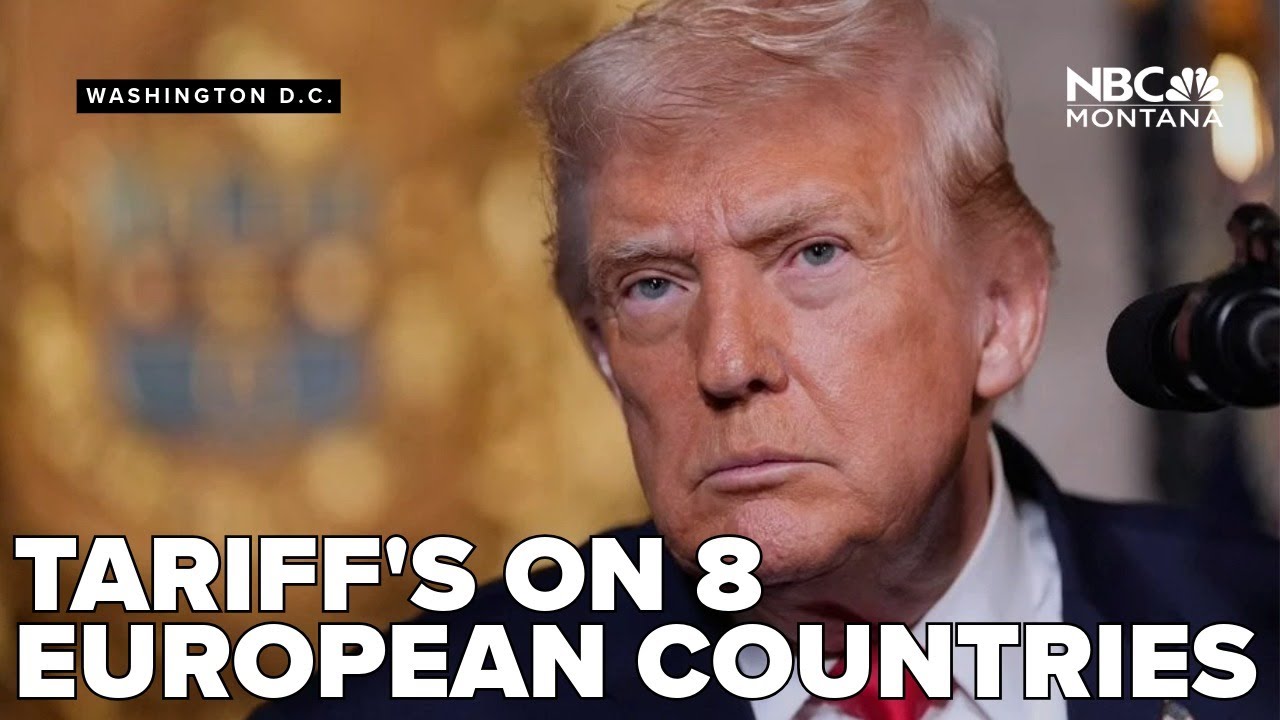
Trump slaps 10% tariff threat on 8 European nations over Greenland dispute
In a dramatic escalation of his bid to acquire Greenland, President Donald Trump announced on Saturday, January 17, 2026, that he would impose sweeping tariffs on eight European countries until "a Deal is reached for the Complete and Total purchase of Greenland." The announcement has sent shockwaves through transatlantic relations and raised concerns about the future of NATO.
The Tariff Announcement
According to reports from NBC News and CNBC, the tariffs will initially be set at 10% and are scheduled to take effect on February 1, 2026. President Trump has threatened to increase these duties to 25% if no deal is reached by June 1.
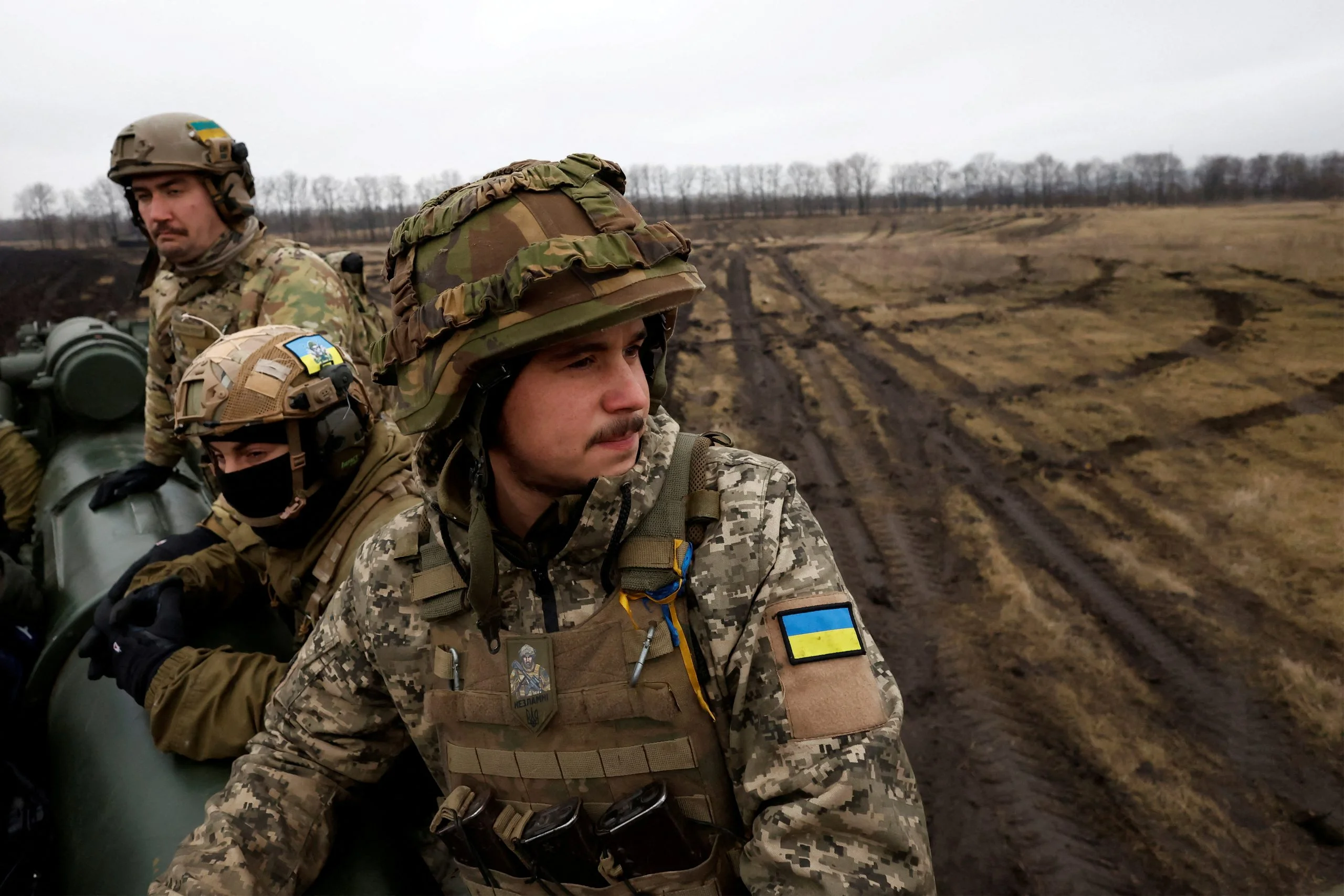
The eight nations targeted by the tariffs include Denmark, Norway, Sweden, France, Germany, the United Kingdom, the Netherlands, and Finland. Notably, these are all countries that have recently sent troops to Greenland in response to Trump's earlier comments about acquiring the Danish territory.
European Leaders Unite in Response
The response from European leaders has been swift and unified. In a joint statement issued Sunday, leaders from all eight affected nations warned that the tariff threats "undermine transatlantic relations and risk a dangerous downward spiral," adding: "We will continue to stand united and coordinated in our response."
French President Emmanuel Macron labeled Trump's threats "unacceptable" and pledged that Europe would respond in a coordinated manner. Dutch Foreign Minister David van Weel went further, calling the move "blackmail" and stating, "It's not necessary. It doesn't help the alliance [NATO], and it also doesn't help Greenland."
The European Union has called an emergency meeting of ambassadors to coordinate their response, with Cyprus convening the session. Manfred Weber, a senior member of the European Parliament, announced that the proposed EU-US trade deal is now "not possible at this stage," writing: "The 0% tariffs on U.S. products must be put on hold."
Greenland's Position Remains Clear
Despite Trump's aggressive tactics, both Greenland and Denmark have consistently maintained that the Arctic island is not for sale. According to polling data, 85 percent of Greenlanders oppose joining the United States, while only 6 percent are in favor.
Greenland, while an autonomous territory of Denmark, maintains control over most of its domestic affairs but relies on Copenhagen for defense and foreign policy. The island holds significant strategic value due to its location and natural resources, including rare earth minerals critical for modern technology.
Implications for NATO and Global Trade
European leaders have issued stark warnings about the potential consequences of any forceful acquisition attempt. According to Al Jazeera, some officials have suggested that any military action against Greenland "could spell the end of NATO."
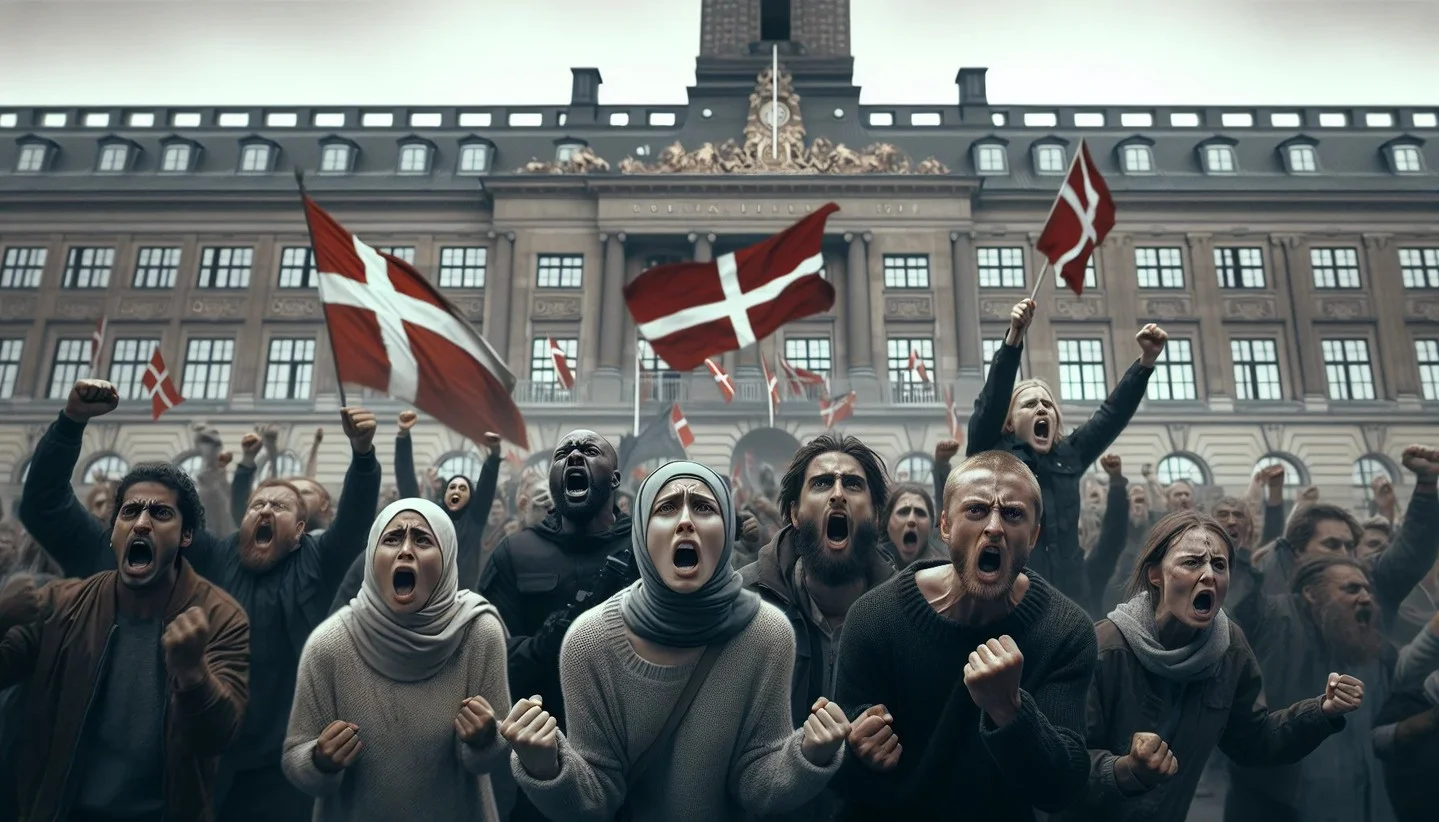
Thousands of protesters have taken to the streets in Denmark in response to Trump's demands, as reported by CNN. The demonstrations reflect widespread public opposition to any territorial transfer.
What Happens Next
The coming weeks will be critical as the February 1 tariff deadline approaches. European nations are expected to coordinate a response that could include retaliatory tariffs on American goods. Trade experts warn that a prolonged dispute could disrupt billions of dollars in transatlantic commerce and fundamentally alter the Western alliance that has been a cornerstone of global stability since World War II.
As the situation develops, all eyes will be on whether diplomatic channels can prevent what many analysts fear could become the most significant rift in US-European relations in decades.
Related Articles
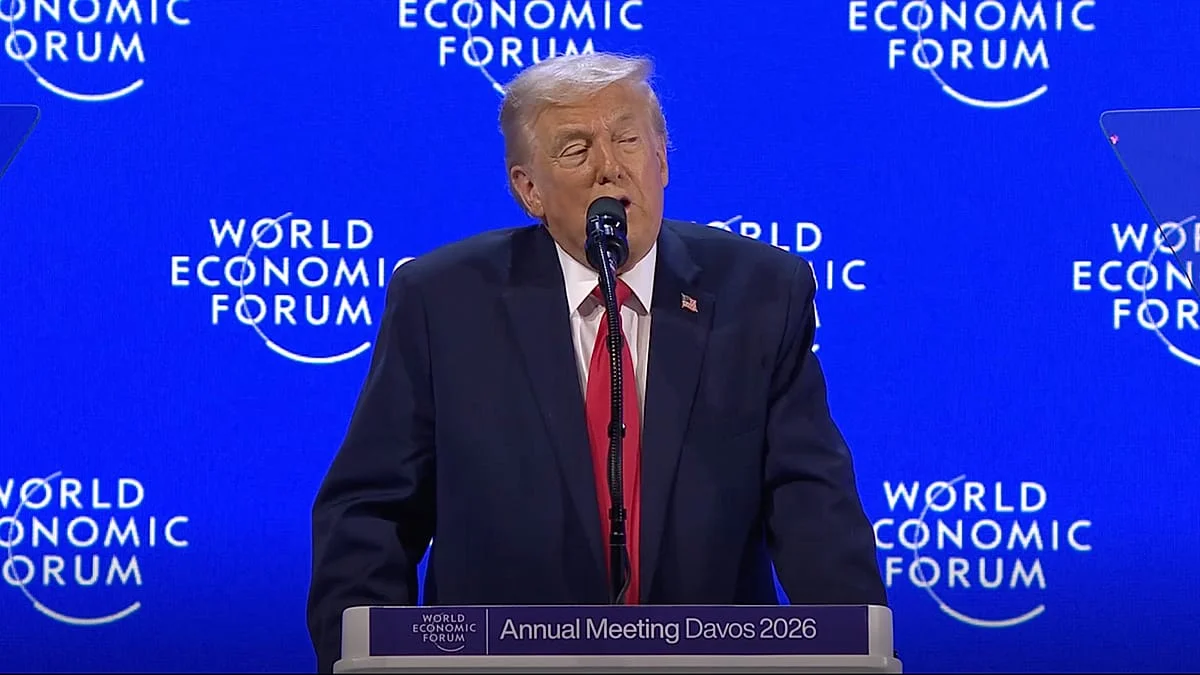
Trump Claims "Framework" Deal on Greenland Amid NATO Tensions at Davos
Trump announces vague Greenland "framework" deal at Davos, suspends tariffs on European allies while maintaining acquisition demands amid deep NATO tensions.