"2026 is the New 2016" Nostalgia Wave Explodes: 37M Instagram Posts Fleeing to Simpler Times
A viral trend sees millions embracing 2016 nostalgia. Why are Gen Z and millennials flooding social media with throwback posts seeking simpler, pre-algorithm internet.

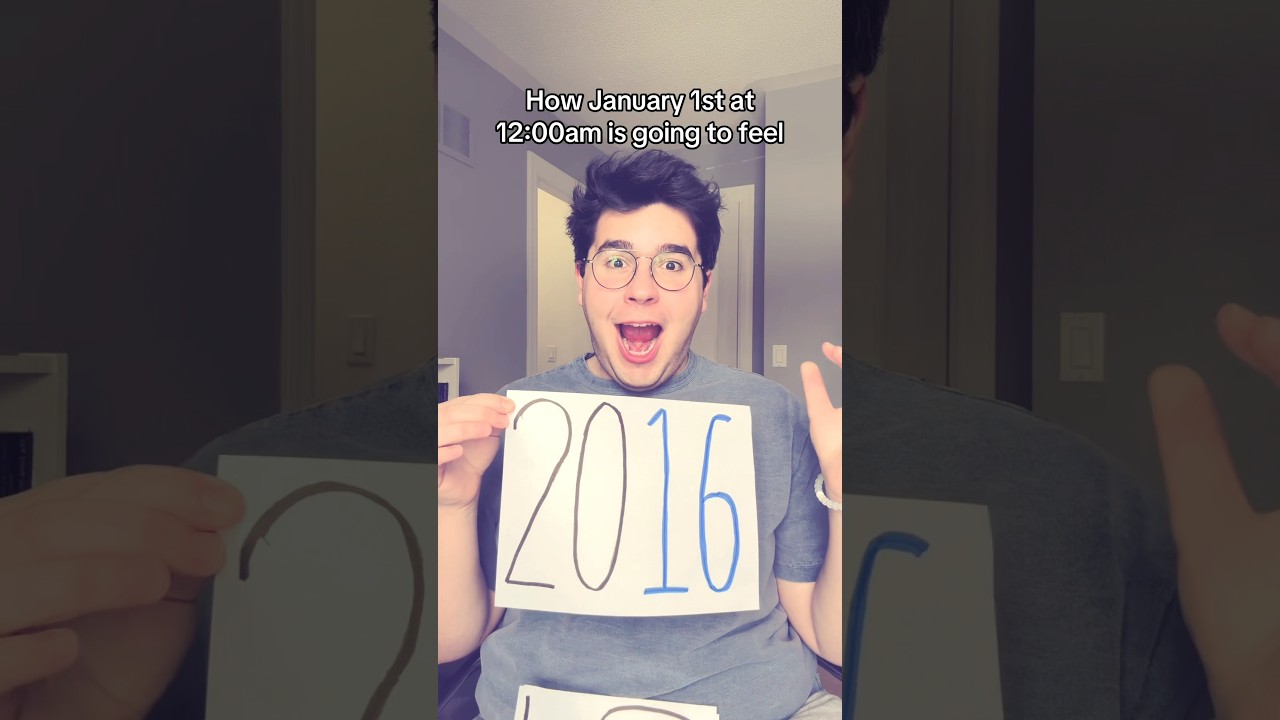
2026 IS THE NEW 2016 🎉🎉 #shorts #comedy #nostalgia
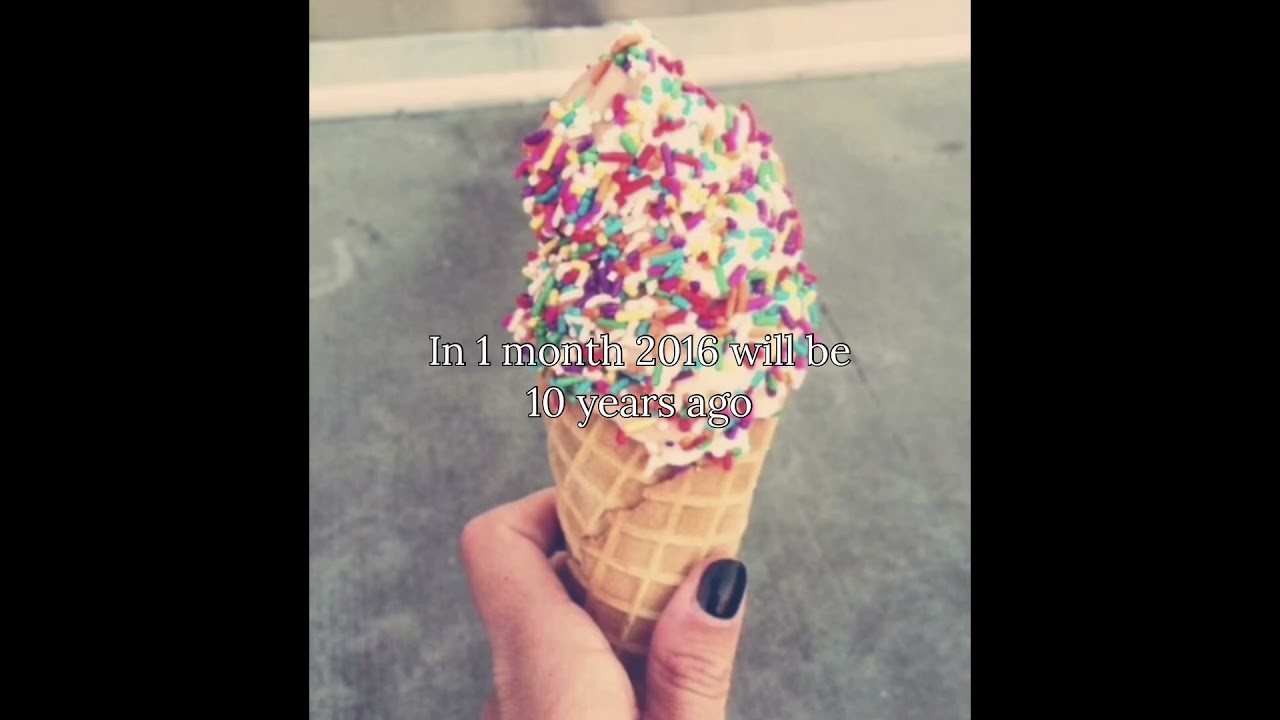
2026 or 2016?…. #2016 #2026 #nostalgia #notjustaashu231 #edit #fypppppppp @notjustaashu231
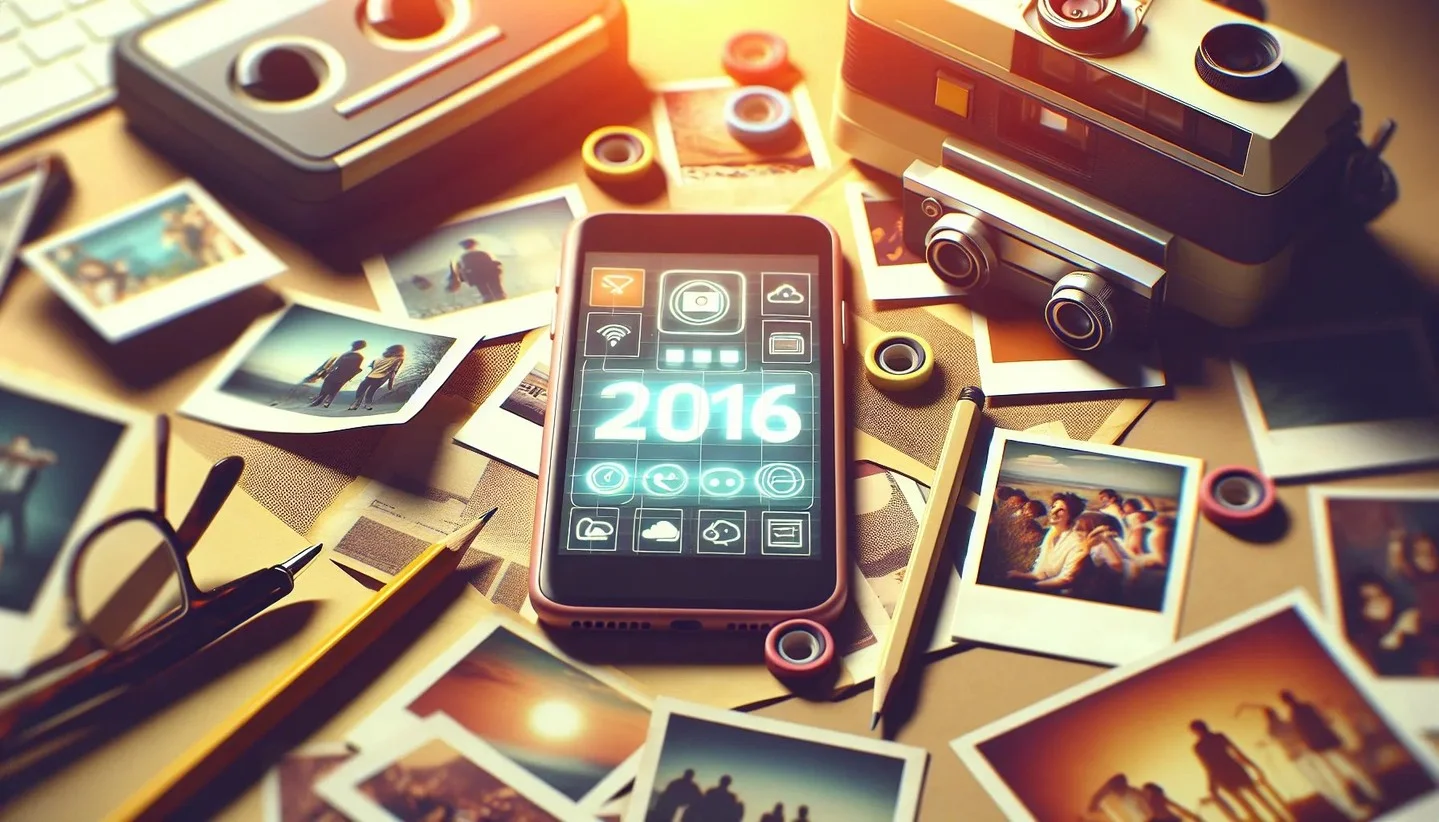
In just the first weeks of January 2026, social media has collectively decided to hit the rewind button on a full decade. The #2016 hashtag has already been used in over 1 million posts on TikTok and over 37 million posts on Instagram. The phenomenon isn't a glitch—it's a full-blown cultural moment that reveals something profound about how millions of users feel about the present moment and their longing for the past.
The year 2016 is making a comeback in 2026 as people flood Instagram with throwback posts reminiscing about what they viewed as an iconic year for popular culture and the internet. The new year marked exactly 10 years since 2016; therefore, many online began posting the phrase "2026 is the new 2016," according to the database Know Your Meme.
A Decade-Long Time Capsule Opens
The trend didn't emerge spontaneously. One of the earliest viral sparks came on December 31, 2025, when TikTok user @taybrafang posted a video anxiously welcoming 2026 with a carefully curated montage of peak-2016 moments. The clips included screenshots of Musical.ly, the lip-sync app that would later evolve into TikTok, girls wearing flower crowns, visuals from rapper Desiigner's breakout hit "Panda," and other internet relics that instantly triggered collective memory.
What followed was a social media avalanche. The 2016 nostalgia trend includes renewed interest in fashion, music, and social media features, with Snapchat reporting a 613% increase in searches for 2016-themed lenses. Users began dusting off their digital archives, posting the iconic imagery of that era: many online who voiced their nostalgia described the overall energy of 2016 as "colorful" and "carefree." People often went out in crop tops and jeans with a flannel tied around their waist. They'd snap pictures of an outfit laid out carefully on their bed or of a giant acai bowl. Then, they'd pore over VSCO (a popular photo editing app) filters with their friends, debating which preset to choose.
Seeking a Simpler Internet
The scale of participation is staggering, but what drives it is even more telling. Experts attribute the nostalgia for 2016 to millennials and older Gen Z seeking comfort amid future anxieties, recalling the year's cultural highlights and simpler internet experiences.
Clay Routledge, an existential psychologist and executive vice president at the Archbridge Institute, explained to NBC News that this wave is especially strong among millennials and older Gen Z—those who were teenagers or young adults a decade ago. "People tend to be nostalgic when they're anxious about the future or they're not sure what direction in life to take," Routledge said. "So I think this generation is dealing with those anxieties, and they're using nostalgia as a way to respond to them."
Content creators articulate what makes 2016 feel fundamentally different from today's internet landscape. YouTuber and baker Rosanna Pansino said, "I think that people are romanticizing (2016) because it feels like a simpler and a more carefree time on the internet. 2016 was just a really fun and special time because content creators really had more fun... because a lot of people weren't concerned about algorithms." She added, "The heavier the algorithms get on all the social media platforms, the more robotic our content becomes."
The Aesthetic of Yesterday's Internet
The visual vocabulary of the trend is instantly recognizable to anyone who was online a decade ago. Common visuals included Snapchat puppy-dog and flower-crown filters, overly bright selfies, and low-resolution images typical of early smartphone cameras like iPhone. More than 200 million videos on TikTok have now used the so-called 2016 filter to make everything rosy, the way we did back in the day for pretty much every photo and video we shared on social media.
Fashion has made a triumphant return alongside the digital aesthetic. Paige Lorentzen, who shared throwback photos featuring some of the trendiest brands of the time, such as Boxed Water Is Better and Triangl Swimwear, noted: "Now, we've gone very neutral-toned, like quiet luxury aesthetic, very minimal. Whereas back then, it was the brighter the saturation on your photos, the better. Everything felt like summer."
Charlie Puth shared a rosy-hued Instagram video, set to his 2016 song with Selena Gomez "We Don't Talk Anymore," writing in the caption, "Heard it was 2016 again?" Similarly, Shay Mitchell also posted a series of throwback photos, including some with her Pretty Little Liars castmates — and of course, a video with Snapchat's iconic puppy dog filter.
Celebrity Validation and Mass Cultural Nostalgia
The trend appeared among public figures, including John Legend and Reese Witherspoon, who shared images from a decade earlier that reflected the social media styles, fashion, and pop culture of 2016. American socialite Kylie Jenner shared several photos from her "King Kylie era", which was at its peak in 2016.
The cultural significance of 2016 cannot be overstated for those who lived through it. That year, Beyoncé released her second visual album, Lemonade, with the unforgettable track "Sorry" and its now-iconic "Becky with the good hair" lyric. Kylie Jenner was making waves with her lip kits, Snapchat filters like dog ears and flower crowns were all the rage, and viral memes like "Damn Daniel" had everyone cracking up.
A Response to Modern Digital Anxiety
2016 felt like the last gasp of American monoculture, the last time that people were talking about the same movies or music or TV. This collective cultural experience contrasts sharply with today's fragmented, algorithm-driven digital landscape.
As the world barrels forward into an era of rapid technological change and uncertainty, it seems that looking back—especially to a time when the internet felt more genuine and less algorithm-driven—offers comfort and even inspiration.
The trend reflects a broader psychological truth: people tend to have more time to curate the memories and the experiences that they found happy, energizing or inspirational. As time goes by, they have more time to put aside the negatives, or if we are thinking about the negatives, we've had more time to integrate that negative into a more redemptive or useful story.
The Complication: Selective Memory
Of course, 2016 was not without its shadows. The year had a multitude of lows, including, but not limited, to: Brexit (referring to the United Kingdom's leaving the European Union); the mass shooting at Pulse nightclub in Orlando, Florida, in which 49 people were killed and 53 were wounded); the police shootings of Alton Sterling and Philando Castile; and a Zika outbreak.
As the trend carried on, some social media users began posting videos denouncing the idea of making 2026 the new 2016, citing problems with living in the past and pointing out bad things that happened in 2016. The world lost David Bowie, Prince, Carrie Fisher and other icons that year, and the 2016 election in November divided a nation.
Yet this critical awareness hasn't deterred participation. The "2026 is the new 2016" trend is more than a flash-in-the-pan meme; it's a collective reflection on the past, a longing for simplicity, and perhaps a gentle reminder that, sometimes, the good old days really do look better in hindsight.
As 2026 continues into its early months, one thing is clear: millions of people are seeking something in 2016 that feels missing from today. Whether that's genuine or selective memory remains an open question—but the 37 million Instagram posts suggest that the conversation is far from over.
Related Articles
Train Lights Incident Ignites Fiery Debate on Public Conduct and Parental Responsibility
A viral video of children playing with train reading lights has sparked a widespread online discussion concerning civic sense, parenting standards, and public behavior.