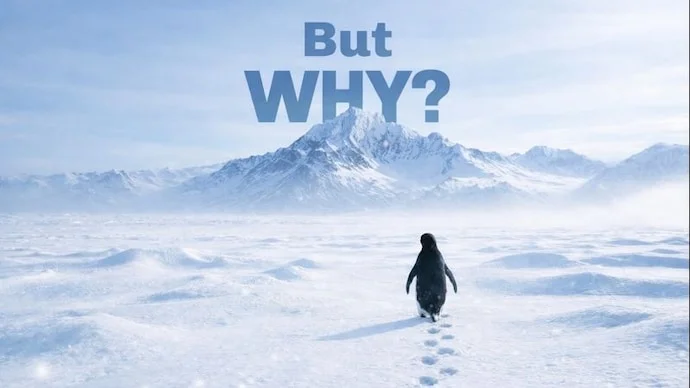
The 'Nihilist Penguin': Unpacking the Viral Sensation of the Internet's Most Relatable March
A tiny penguin's solitary journey from a 2007 documentary has unexpectedly become a viral sensation, resonating with themes of burnout and detachment.


Why is this Penguin’s Video Going Viral? SAD REALITY EXPLAINED

Where Is This Penguin Going? | Viral Penguin Video Explained
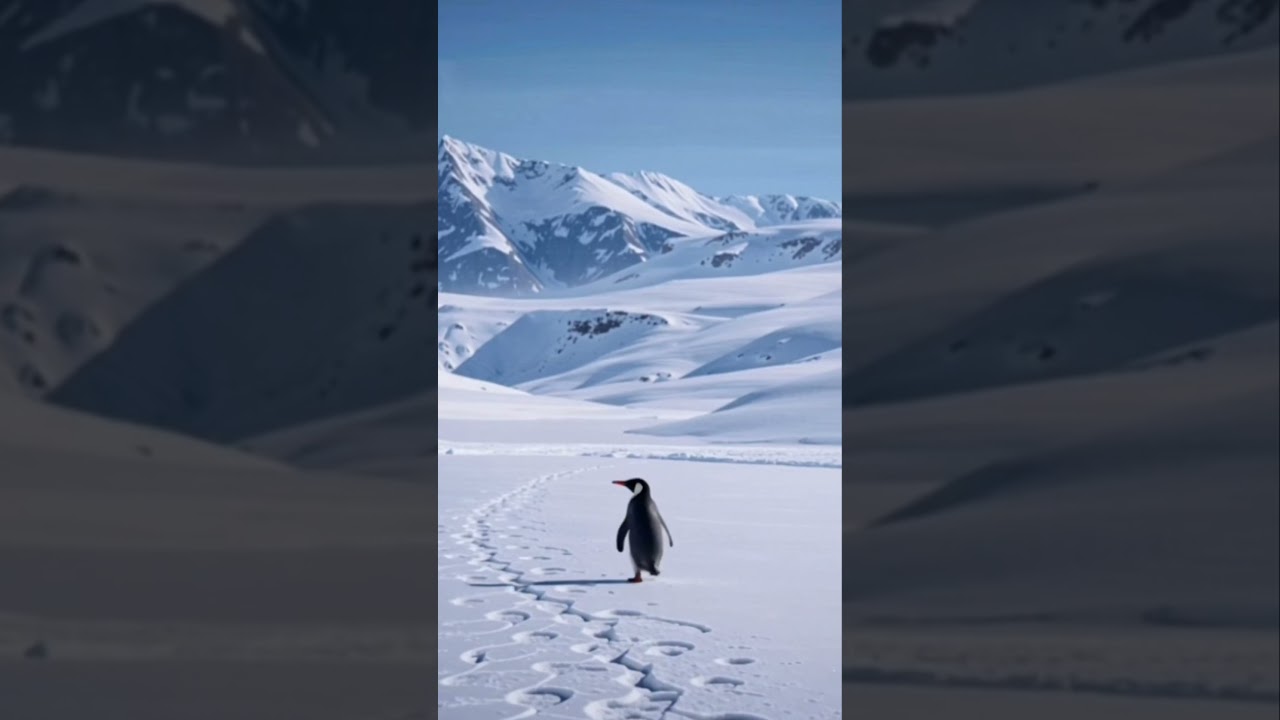
the truth behind Viral penguin. 🔥
The internet has a peculiar way of unearthing forgotten moments and transforming them into widespread cultural phenomena. Such is the case with the 'Nihilist Penguin,' a solitary bird whose determined waddle away from its colony has captured the collective imagination of millions. Originally filmed over a decade ago, this clip has resurfaced across social media platforms like TikTok, X, and Instagram in 2026, becoming a poignant symbol of burnout, emotional detachment, and the universal urge to simply walk away from it all. But beneath the layers of human projection, what is the real story behind this haunting 'death march'?
The Origins of a Haunting Visual
The now-iconic footage is not new, tracing its roots back to Werner Herzog's 2007 documentary, "Encounters at the End of the World." This critically acclaimed film features an unforgettable scene where an Adélie penguin in Antarctica unexpectedly separates from its group. Instead of heading towards the ocean, it begins a solitary march inland, towards a distant mountain range estimated to be nearly 70 kilometers away. The scene is stark: no water, no food, no colony – just an expansive stretch of snow, silence, and an undeniably hopeless path. For a penguin, such a trek inland is, in essence, a one-way journey, making the original clip powerfully unsettling even before its viral resurgence. Times of India notes that Herzog himself later referred to such journeys as a "death march," clarifying that penguins embarking inland almost certainly do not return.
Why a Penguin's Walk Resonates So Deeply
The sudden and widespread virality of this particular penguin's journey can be attributed to its unexpected relatability. Social media users have flocked to the clip, overlaying captions that speak to modern anxieties: "When you're done with everything," "Me leaving my responsibilities," or "He knows the truth." The moniker "Nihilist Penguin" quickly took hold, reflecting the perceived calm, deliberate, and almost thoughtful nature of the bird's march. In an era marked by pervasive burnout, mounting anxiety, and relentless digital noise, this slow, lonely progression struck a profound chord. The internet, often seeking motivation, sometimes yearns for a different kind of affirmation – permission to acknowledge fatigue and the desire for quiet detachment.
The Scientific Reality vs. Human Interpretation
While the internet has imbued the ‘Nihilist Penguin’ with existential depth, a scientific perspective offers a more pragmatic explanation. Wildlife experts confirm that such behavior, though rare, does occur. Penguins rely heavily on environmental cues for navigation, and disruptions to these signals can lead to disorientation. Possible explanations for the penguin's inland journey include disorientation caused by adverse weather or challenging terrain, underlying illness or neurological issues, or simply a navigational error. Animals, unlike humans, do not always make perfect survival decisions. Ultimately, as the Times of India article highlights, it is "not a philosophical choice. Just a tragic mistake."
Projecting Human Emotions onto a Confused Bird
Despite the scientific consensus, the emotional resonance of the 'Nihilist Penguin' persists because humans are inherently adept at projecting their feelings onto external subjects. The penguin has thus become a powerful symbol for a range of profound human experiences: walking away from societal expectations, feeling lost and directionless in life, quiet acts of personal rebellion, and the overwhelming weight of emotional exhaustion. It’s less about the actual penguin and more about the collective human experience of feeling overwhelmed and yearning for an escape. When life feels heavy, routines appear pointless, and the mere thought of disappearing into the distance offers a strange comfort, this single bird's journey becomes deeply meaningful.
The Unspoken Appeal of the 'Nihilist Penguin'
The true genius of the meme lies in its quiet defiance of modern societal norms. In a world relentlessly pushing for productivity, purpose, and constant forward momentum, this penguin does the exact opposite. It moves slowly, alone, in what is demonstrably the wrong direction, and without any discernible explanation. The penguin is not brave, nor is it wise; it simply appears… done. This unhurried, solitary movement in the face of an implied rush resonates deeply. It taps into the understanding that sometimes, life lacks a clear path, and individuals can feel like that lone penguin on the ice, heading towards mountains with no clear understanding of why. Scientifically, it's a confused bird. Emotionally, as the Times of India piece concludes, "It’s a mood. Isn't it?"
Related Articles

Train Lights Incident Ignites Fiery Debate on Public Conduct and Parental Responsibility
A viral video of children playing with train reading lights has sparked a widespread online discussion concerning civic sense, parenting standards, and public behavior.