The "Nihilist Penguin": How a Lone Bird Became an Internet Symbol of Burnout and Existential Humor
A 2007 documentary clip of a solitary penguin has gone viral in 2026, becoming a powerful metaphor for modern exhaustion, rebellion, and existential reflection. Explore the psychology and science behind this unexpected internet phenomenon.

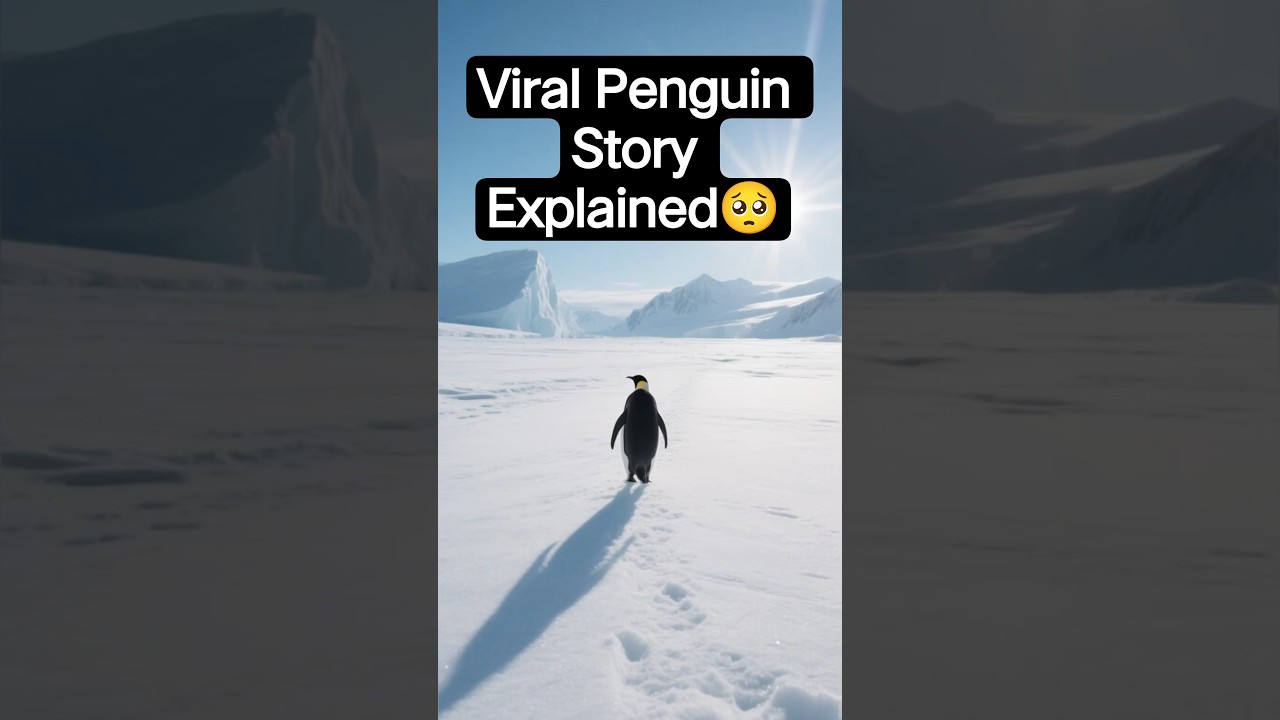
The Truth Behind the Viral Penguin 😱🐧 Nihilist Penguin #trending #viral #shorts
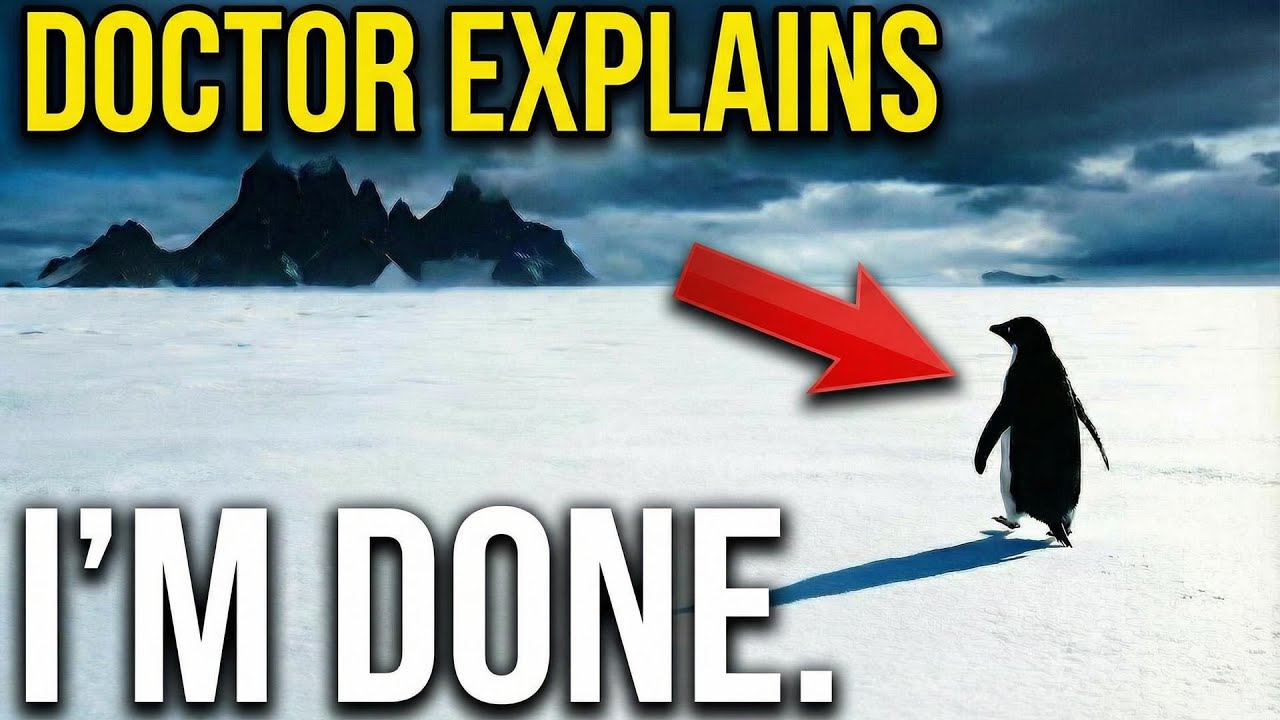
Why The Nihilist Penguin Headed For The Mountains | Penguin Viral Video
But WHY?🐧 Viral Penguin | Madan Gowri | MG Squad 🖖🏻
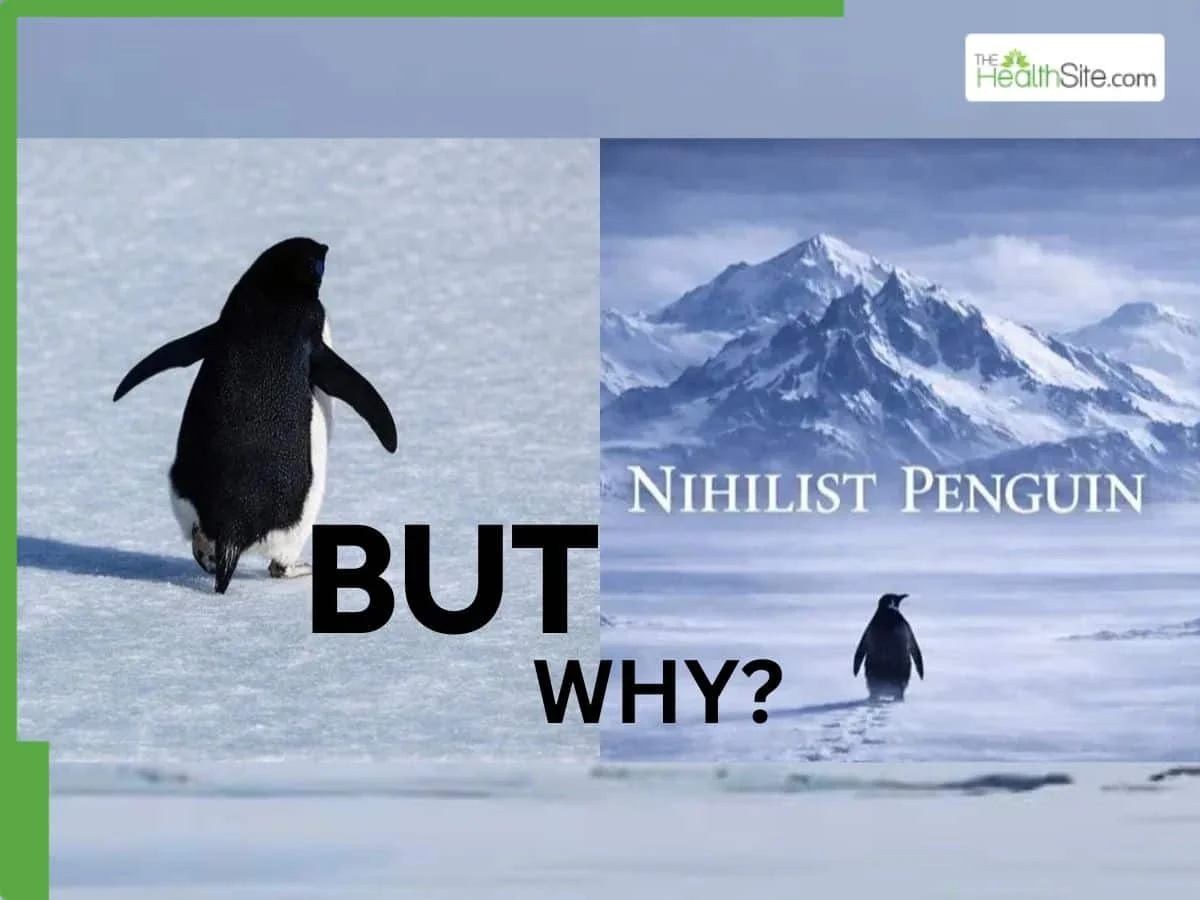
In what might be one of the internet's most unexpected viral phenomena of early 2026, a clip from a nearly two-decade-old documentary has captivated millions, transforming a lone avian wanderer into a poignant symbol of contemporary human woes. Dubbed the "Nihilist Penguin," this footage, originating from Werner Herzog’s 2007 film Encounters at the End of the World, depicts an Adélie penguin disengaging from its colony and marching inland, seemingly towards oblivion. Its recent resurgence across platforms like TikTok, Instagram, Reddit, and X has sparked a global conversation, projecting deeply human themes of burnout, rebellion, and existential humor onto the bird's solitary Antarctic journey.
The Unexpected Resurgence of a Cinematic Moment
The original scene, captured by German filmmaker Werner Herzog, portrays an Adélie penguin making the fateful decision to walk away from its group. Herzog himself described this behavior in the documentary as a form of “death march,” indicating that such penguins rarely survive, moving away from vital resources like the sea and food, towards barren, icy mountains. This brief, albeit memorable, segment has been extracted from its original context, morphing into a full-blown internet meme. The renewed interest in the clip began earlier this month when short, edited versions started appearing on TikTok. These edits were often accompanied by dramatic music, notably a pipe organ rendition of "L’Amour Toujours," alongside snippets of Herzog’s distinctive voiceover. A widely shared edit in mid-January served as the catalyst, triggering an avalanche of reposts, remixes, and diverse interpretations, propelling the "Nihilist Penguin" into mainstream online discourse Mint.
A Symbol of Modern Alienation and Rebellion
Following its viral explosion, internet users quickly bestowed various labels upon the wandering penguin: "nihilist," "rebel," and even a representation of "quiet resistance." Many saw the penguin as someone who opted for "the road not taken" instead of adhering to the conventional path. The calm, determined gait of the penguin resonated profoundly with widespread feelings of burnout, emotional fatigue, and a growing desire to disengage from "hustle culture." This interpretation suggests a deep human need to escape the relentless pressures of modern life. The trend gained further traction and an additional layer of absurdity when the White House shared an AI-generated image of Donald Trump walking alongside the penguin towards Greenland, captioned “Embrace The Penguin.” This post, despite being trolled for its geographical inaccuracy (penguins do not inhabit Greenland), paradoxically amplified the meme's virality Mint.
The Philosophical Overlay: Nihilism and Existential Crisis
Millions of internet users have since shared the viral clip, accompanying it with captions that link the penguin's solitary trek to existential crises, "quiet quitting," and general modern alienation. The penguin's lonely journey has been widely interpreted as a metaphor for choosing oblivion over routine, or an act of rebellion against conformity. The term "nihilism," which fundamentally rejects the notion of inherent meaning in life, has become strongly associated with the meme. Many perceive the penguin’s walk as purposeless yet strangely resolute, a silent testament to a deep-seated human anxiety. The humor embedded in the meme often stems from this juxtaposition: a seemingly simple animal behavior being imbued with complex, deeply human philosophical and emotional anxieties.
The Scientific Reality Versus Human Projection
Despite the rich philosophical and emotional interpretations, scientific explanations offer a starkly different perspective on the penguin’s actions. Experts featured in Herzog’s documentary, including renowned penguin researcher David Ainley, clarify that such behavior is typically not symbolic. Instead, it is usually a result of disorientation, illness, or other physiological issues. When penguins venture inland, they are moving towards almost certain death, succumbing to starvation, exhaustion, or extreme cold. Researchers further note that even if such a penguin were turned back towards its colony, it would highly likely repeat the same self-destructive journey. In this crucial sense, the viral phenomenon of the "Nihilist Penguin" reveals far more about the human condition and our collective emotional landscape than it does about the actual behavior of animals. The internet has not, in fact, discovered a philosopher penguin; rather, it has found a compelling mirror reflecting its own anxieties and struggles in the early 21st century Mint.
Related Articles

Train Lights Incident Ignites Fiery Debate on Public Conduct and Parental Responsibility
A viral video of children playing with train reading lights has sparked a widespread online discussion concerning civic sense, parenting standards, and public behavior.