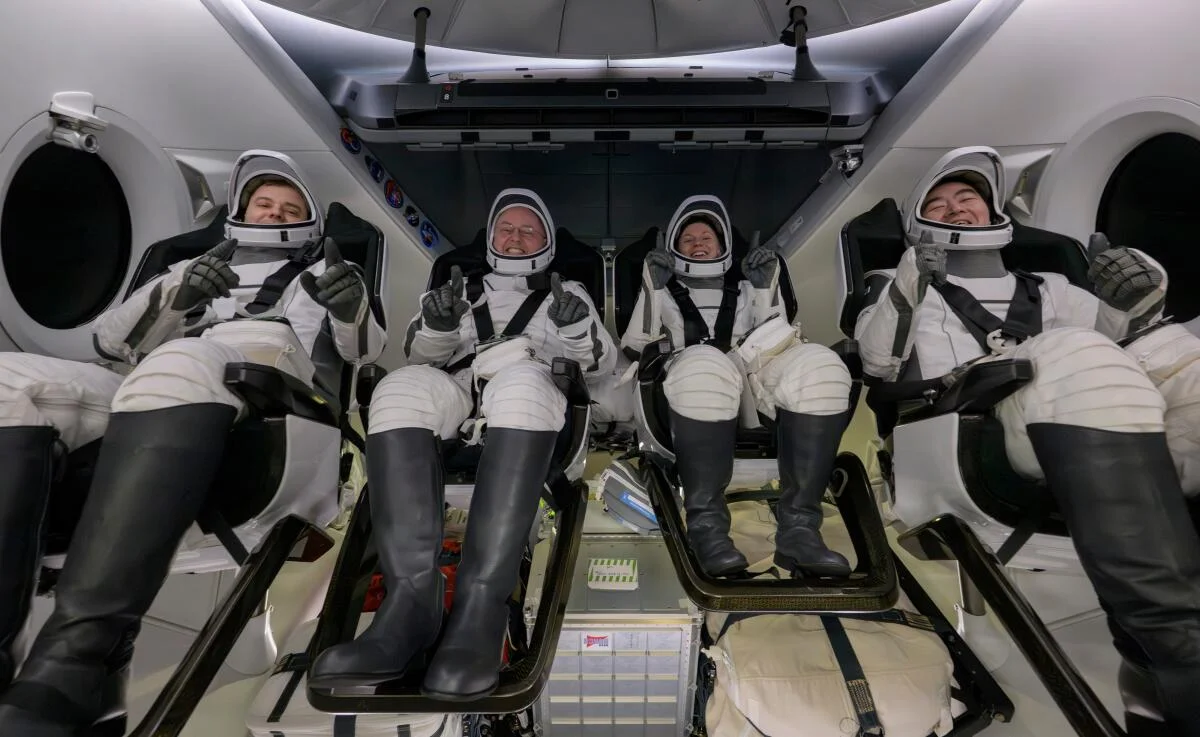
Ailing Astronaut Returns Early in NASA's First Medical Evacuation
NASA executes its first medical evacuation from the International Space Station, bringing an ailing astronaut and crew back to Earth a month early.

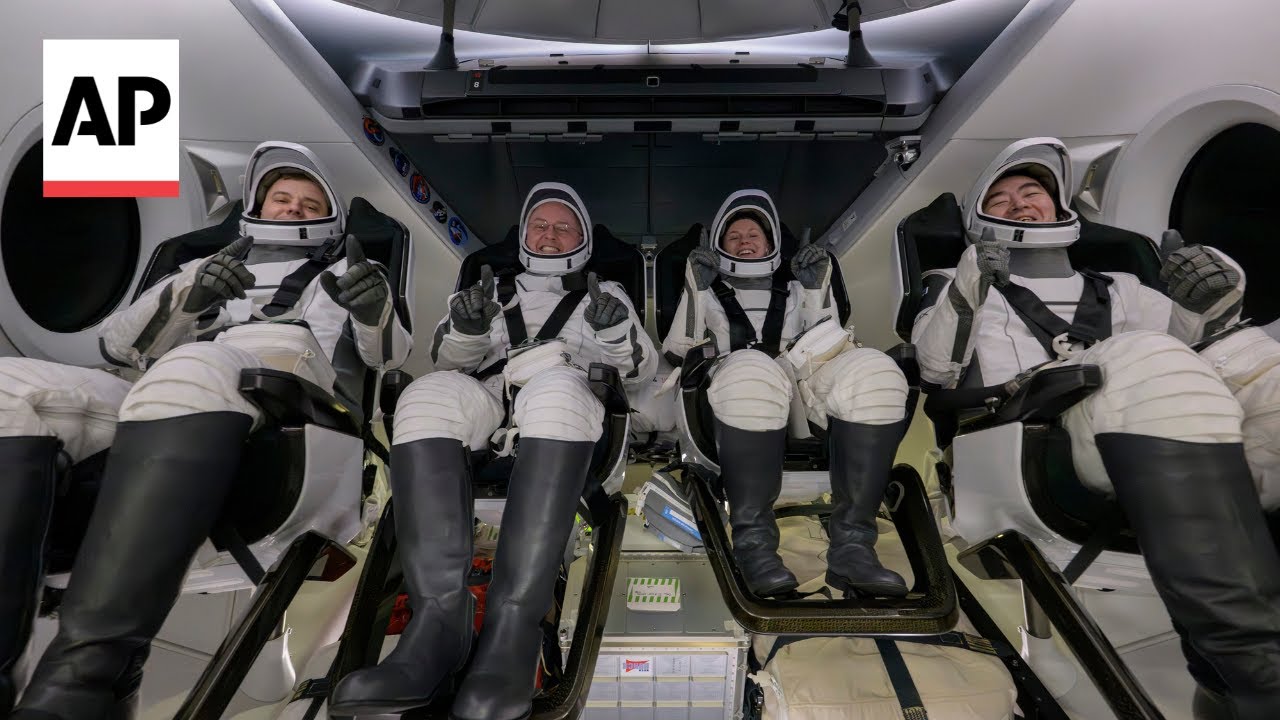
Ailing astronaut returns to Earth early in NASA's first medical evacuation

Ailing astronaut returns to Earth early in NASA's first medical evacuation

Ailing astronaut returns to Earth early in NASA’s first medical evacuation
CAPE CANAVERAL, Fla. – In an unprecedented move, NASA successfully completed its first-ever medical evacuation from the International Space Station (ISS) on Thursday, January 15, 2026. An ailing astronaut, whose identity remains protected due to medical privacy, returned to Earth along with three crewmates aboard a SpaceX Dragon capsule, cutting their mission short by more than a month. The unplanned return highlights the challenges and inherent risks of long-duration spaceflight, even as space agencies prioritize astronaut health and safety.
An Urgent Return from Orbit
The mission, designated Crew-11, was initially slated to last until late February. However, a developing medical condition in one of the astronauts prompted NASA to accelerate their return. The decision was made public on January 7, when NASA abruptly canceled a planned spacewalk, signaling the gravity of the situation. While officials stressed that the condition was not life-threatening and the astronaut was stable in orbit, the need for comprehensive diagnostic testing and specialized care on Earth became paramount. AP News reported that the agency confirmed the astronaut was "stable, safe and well cared for" while still in space.
The returning crew included NASA astronauts Zena Cardman (mission commander) and Mike Fincke, Japan Aerospace Exploration Agency (JAXA) astronaut Kimiya Yui, and Roscosmos cosmonaut Oleg Platonov. All four had launched in August and had been on the ISS for approximately five months. The specific astronaut requiring medical attention has not been identified, and NASA has declined to disclose the nature of the health issue, citing privacy concerns. U.S. News & World Report underscored that the health problem was unrelated to spacewalk preparations or other station operations, but rather necessitated expert evaluation on the ground.
A Textbook Splashdown
The SpaceX Dragon capsule, carrying the four crew members, undocked from the ISS on Wednesday, January 14, at 5:20 p.m. EST. After a nearly 10-hour journey, it executed a precise, middle-of-the-night splashdown in the Pacific Ocean near San Diego at 3:41 a.m. EST on Thursday. This marks yet another successful recovery operation for SpaceX, demonstrating its reliable capabilities for crew transport to and from the orbiting laboratory. PBS NewsHour detailed that the entry and splashdown required no special changes, and the recovery ship had its usual complement of medical personnel aboard.
Following the splashdown, the astronauts were quickly extracted from the capsule and transported to a hospital for an overnight stay and thorough medical checks. NASA's new administrator, Jared Isaacman, confirmed that the astronaut in question was "fine right now, in good spirits and going through the proper medical checks," according to NPR.
Maintaining the ISS Presence
The early return of the Crew-11 mission leaves the International Space Station with a diminished American presence, now down to only one American and two Russian cosmonauts. This situation necessitates a swift response to ensure continuous human presence and proper functioning of the U.S. segment of the ISS. NASA and SpaceX are already working to expedite the launch of the next crew, comprised of four new astronauts, with liftoff currently targeted for mid-February.
The incident highlights NASA's commitment to astronaut well-being and its capability to adapt to unforeseen circumstances in space. While medical emergencies in orbit are rare, space agencies maintain rigorous protocols and dedicated teams to handle such critical events, ensuring the safest possible return for their astronauts.
Implications for Future Space Missions
This medical evacuation, the first in NASA's history for an ISS crew, will undoubtedly provide valuable lessons for future long-duration space missions, including lunar and Martian expeditions. As humanity ventures further into space, the ability to manage and address medical issues efficiently will become even more critical. The experience gained from this early return will likely contribute to refining medical support protocols, developing advanced diagnostic capabilities for space, and enhancing the flexibility of crew transport systems.
The successful and rapid response to this medical situation reinforces confidence in the procedures and partnerships that underpin international space exploration. It also serves as a reminder of the inherent human element in space travel and the continuous need for robust medical support beyond Earth's atmosphere.
A Testament to Preparedness
The smooth execution of the medical evacuation is a testament to the extensive planning, training, and technological prowess of NASA and its international partners, particularly SpaceX. Despite the unexpected nature of the event, the unified efforts of mission control teams, recovery personnel, and medical experts ensured that the ailing astronaut received the attention and care needed without compromising the safety of the entire crew. The swift and professional handling of this situation sets a new precedent for medical exigencies in the era of commercial crew transportation to the ISS.
Related Articles

Hundreds Honor Alex Pretti in Minneapolis, Fueling National Debate on Federal Force
Hundreds gathered in Minneapolis to honor Alex Pretti, an intensive care nurse shot by federal agents, sparking widespread protests and debate on immigration enforcement practices across the U.S.