Australia Shark Crisis: Four Attacks in 48 Hours Force Massive Beach Closures
Four shark attacks in 48 hours trigger unprecedented beach closures across New South Wales as murky waters draw bull sharks to coastal areas.

Australia Shark Crisis: Four Attacks in 48 Hours Force Massive Beach Closures
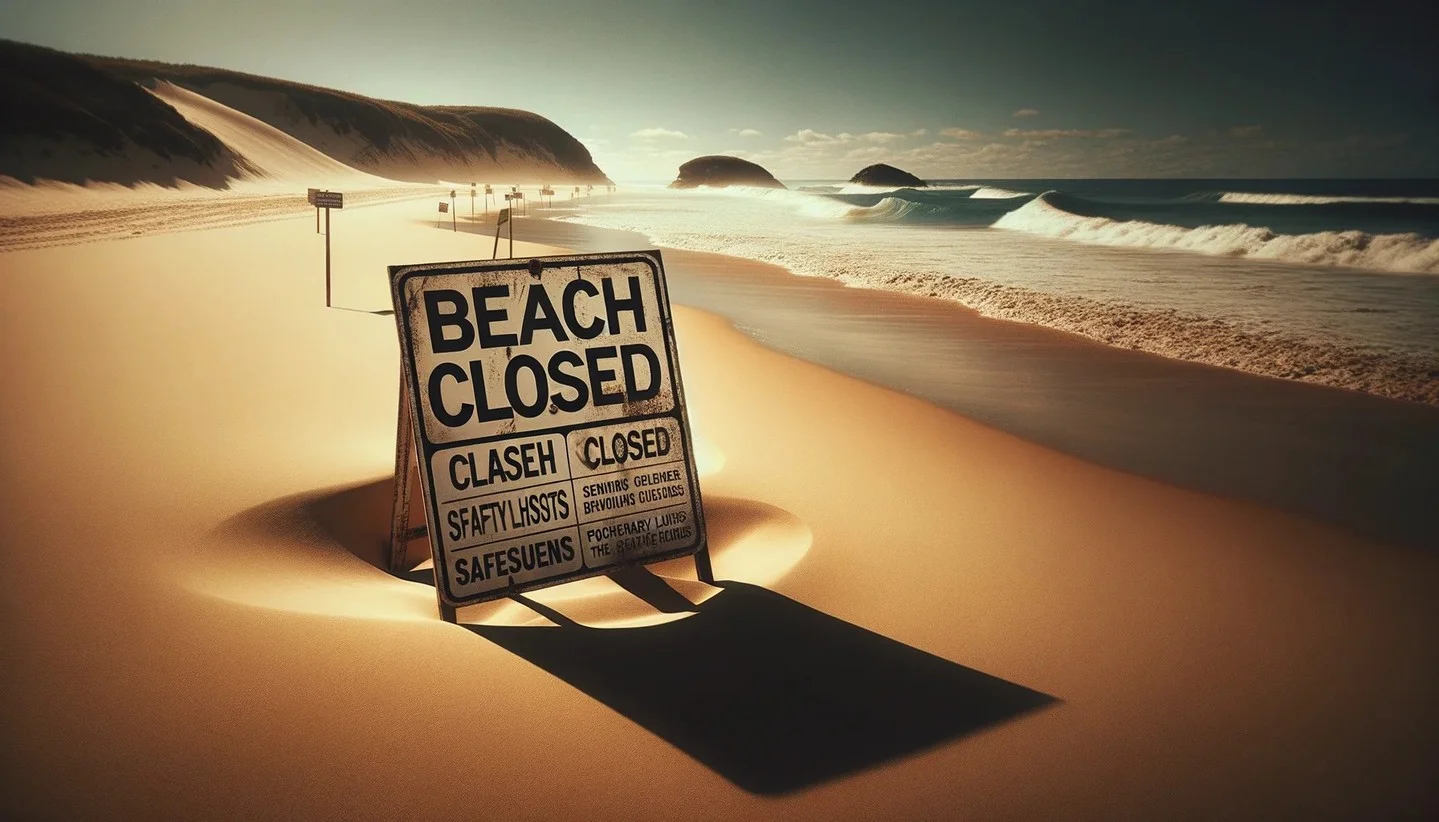
A rare and alarming cluster of shark attacks has forced Australian authorities to shut down dozens of beaches along the New South Wales coast, marking an unprecedented response to marine predator activity during peak summer season.
Dozens of beaches along Australia's east coast, including in Sydney, closed on Tuesday after four shark attacks in two days, as heavy rains left waters murky and more likely to attract the animals. Around 40 beaches along the coast of New South Wales (NSW) remain closed after four shark attacks in 48 hours, with all attributed to bull sharks – a stocky species with powerful jaws that lurk in murky waters near the mouths of rivers after heavy rain.
The series of attacks has left at least two victims in critical condition and prompted unprecedented warnings urging beachgoers to avoid the water entirely during the height of Australia's summer holiday season.
## The Sequence of AttacksOn Sunday, a 12-year-old boy was attacked by a shark while he was jumping off rocks with friends near what is known as Shark Beach in the eastern Sydney suburb of Vaucluse, leaving him with severe injuries to both legs. Police said the boy survived only because friends leapt into the water and pulled him to shore.
The attack marked the beginning of a harrowing 48-hour period. Around noon on Monday, an 11-year-old boy was on a surfboard that was attacked by a shark at Dee Why Beach, an ocean beach north of Manly. The shark bit off a chunk of the board, but the boy escaped uninjured.
A surfer in his 20s was bitten on a leg by a shark off North Steyne Beach on the Pacific Ocean coast in the northern suburb of Manly at 6:20 p.m. Monday, police said. Bystanders pulled him from the water before an ambulance took him to a hospital in a critical condition.
In Port Macquarie, about 250 miles north of Sydney, beaches are shut after a shark attack at Point Plomer on Tuesday left a 39-year-old surfer with minor injuries, local media reported.
## Beach Closures and Public SafetyAuthorities closed beaches along New South Wales' northern coast and in northern Sydney, saying the closures would remain in place for at least 48 hours. Electronic drumlines designed to alert officials to the presence of large sharks were deployed offshore.
The closure represents a dramatic measure during peak tourism season. The closures come in the middle of the Southern Hemisphere summer, when beaches across Australia are normally packed with locals and tourists.
Officials have issued stark warnings to the public. "If you're thinking about going for a swim, think of going to a local pool because at this stage, we're advising that beaches are unsafe," Steven Pearce, the chief executive of Surf Life Saving New South Wales, told reporters following the beach closures.
## Murky Water Creates Perfect Conditions for AttacksExperts point to an unusual combination of environmental factors that have made the waters particularly dangerous. Last weekend saw some of the heaviest rainfall in Sydney over 24 hours for at least a decade, creating the perfect mix of conditions for potentially lethal encounters, experts say.
Brackish water makes it difficult to see, while sewage run-off from rainwater has drawn in baitfish and sharks to coastal areas, according to Chris Pepin-Neff, an academic and expert on shark behaviour. Sharks do not normally attack humans, but the turbid water reduces their visibility and raises the risk of them bumping into something, at which point "they defensively or curiously bite and then bite again", Chris Pepin-Neff, an academic and expert on shark behaviour, wrote in a column in the Sydney Morning Herald newspaper.
Bull sharks typically inhabit warmer waters up the coast but move further down the coastline towards Sydney's most popular beaches during the summer months.
## Heightened Monitoring and ResponseWith northern beaches closed, council and volunteer surf life savers have been deployed to monitor the waters off the coast. Drones have been launched to scan waves, and a rescue helicopter has been conducting sweeps along the coastline.
Experts note the rarity of such concentrated attack activity. "We do get a lot of shark sightings, or people being bumped by sharks, but to have four incidents where all the victims have been actually attacked by sharks is really uncommon," explained Steve Pearce, the head of NSW Surf Life Saving, per CNN.
Recovery times remain uncertain as officials assess water conditions. Vincent Raoult, a senior lecturer in marine ecology at Griffith University, said it can take up to a week after heavy rain for the water to clear and for the threat of bull sharks to ease.
## Growing Concerns Ahead of Australia DayThe crisis has forced the cancellation of major public events. The organizers of next week's Sydney Harbour Splash, an annual ocean swimming event on Australia Day, said Monday that they were canceling the event "out of deep respect for the young boy who was tragically attacked yesterday, and for his family and friends."
Officials are concerned about potential overcrowding as summer temperatures soar. "Temperatures are expected to surge over the weekend just ahead of the Australia Day public holiday when many people will head to parks and beaches. "We know this weekend is forecast for a really extreme hot temperature. So, we know we're going to have tens of thousands of people flocking down to the coastline," said Pearce.
## Context and Long-Term PerspectiveWhile the attacks are alarming, they remain statistically uncommon. Sharks rarely attack humans unprovoked, with Australia recording an average of 20 injury-causing shark incidents a year and fewer than three annual deaths, according to the Australian Shark Attack File, far fewer than the number of people who die from drowning and road accidents.
However, recent fatalities have cast a shadow over Sydney's beaches. Dee Why Beach is near the site where a 57-year-old surfer was killed by a suspected great white shark last September.
As officials work to ensure public safety and water conditions improve, authorities continue urging residents and visitors to heed warnings and avoid the water. The unprecedented cluster of attacks serves as a stark reminder of the unpredictable nature of marine environments and the importance of respecting nature's predators.
Related Articles
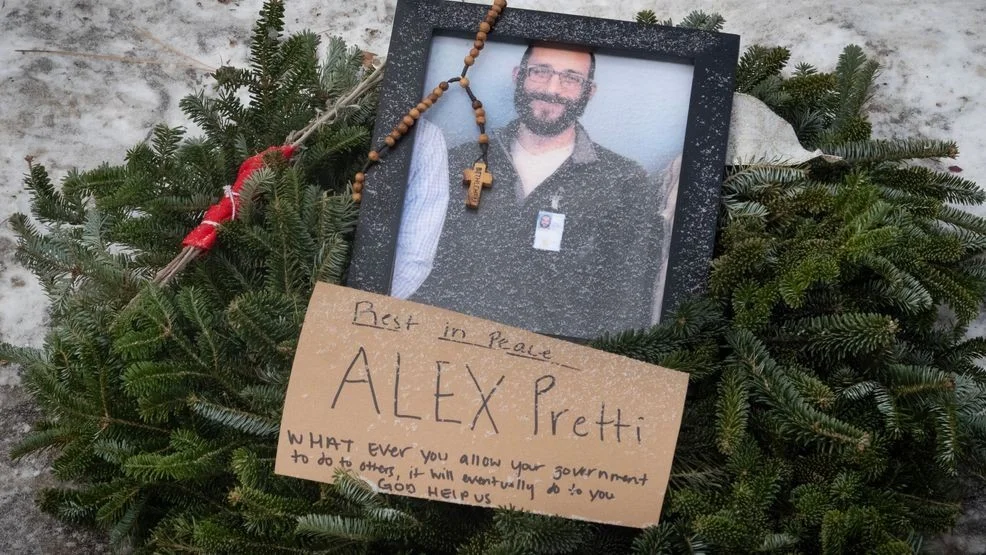
Hundreds Honor Alex Pretti in Minneapolis, Fueling National Debate on Federal Force
Hundreds gathered in Minneapolis to honor Alex Pretti, an intensive care nurse shot by federal agents, sparking widespread protests and debate on immigration enforcement practices across the U.S.