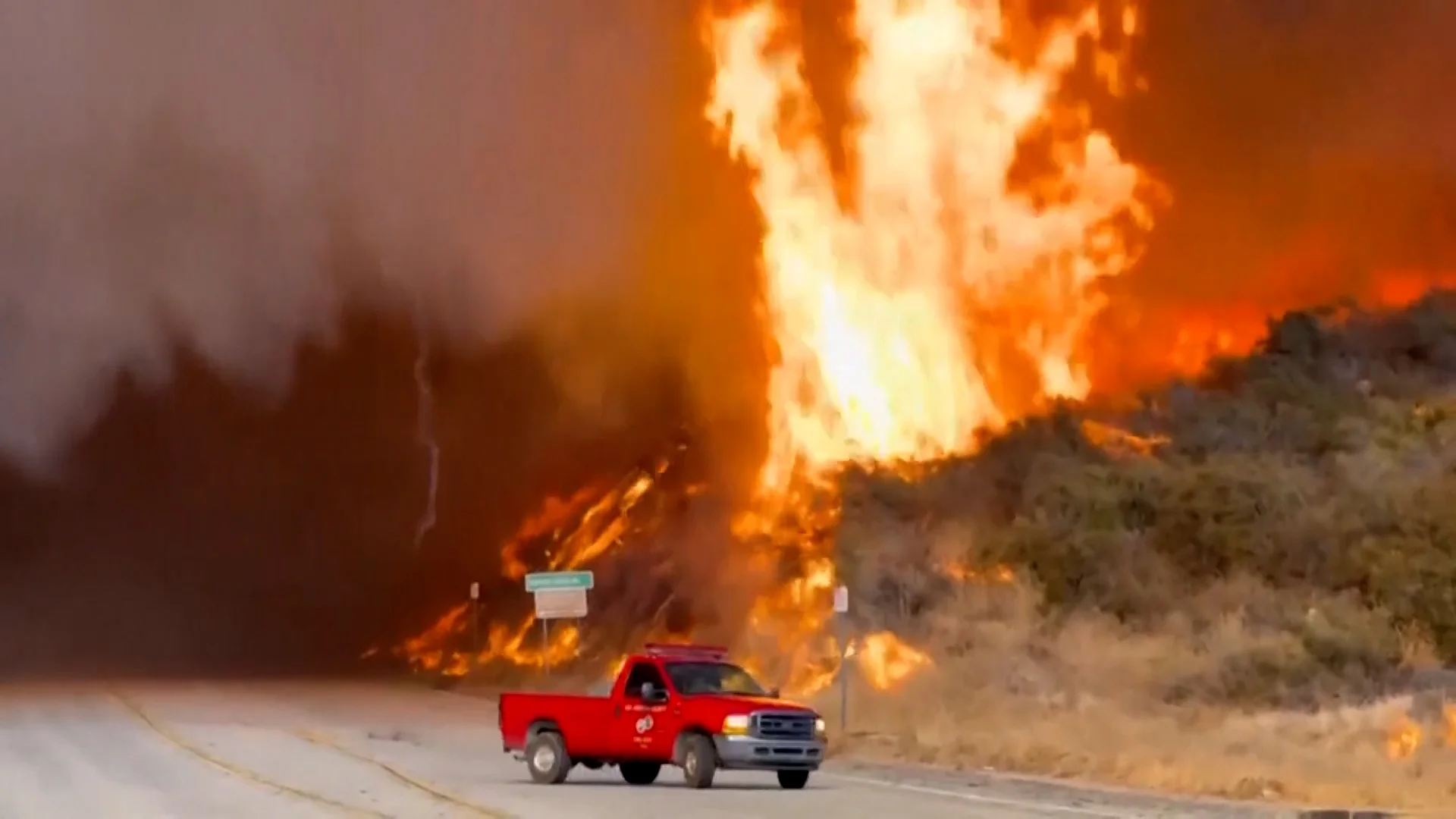
California Wildfires Rage as "Hughes Fire" Forces Thousands to Evacuate
The Hughes Fire has forced thousands to evacuate in Los Angeles County, while red flag warnings and high winds persist across Southern California.


Some 8,000 evacuate as California wildfires spread east of Los Angeles
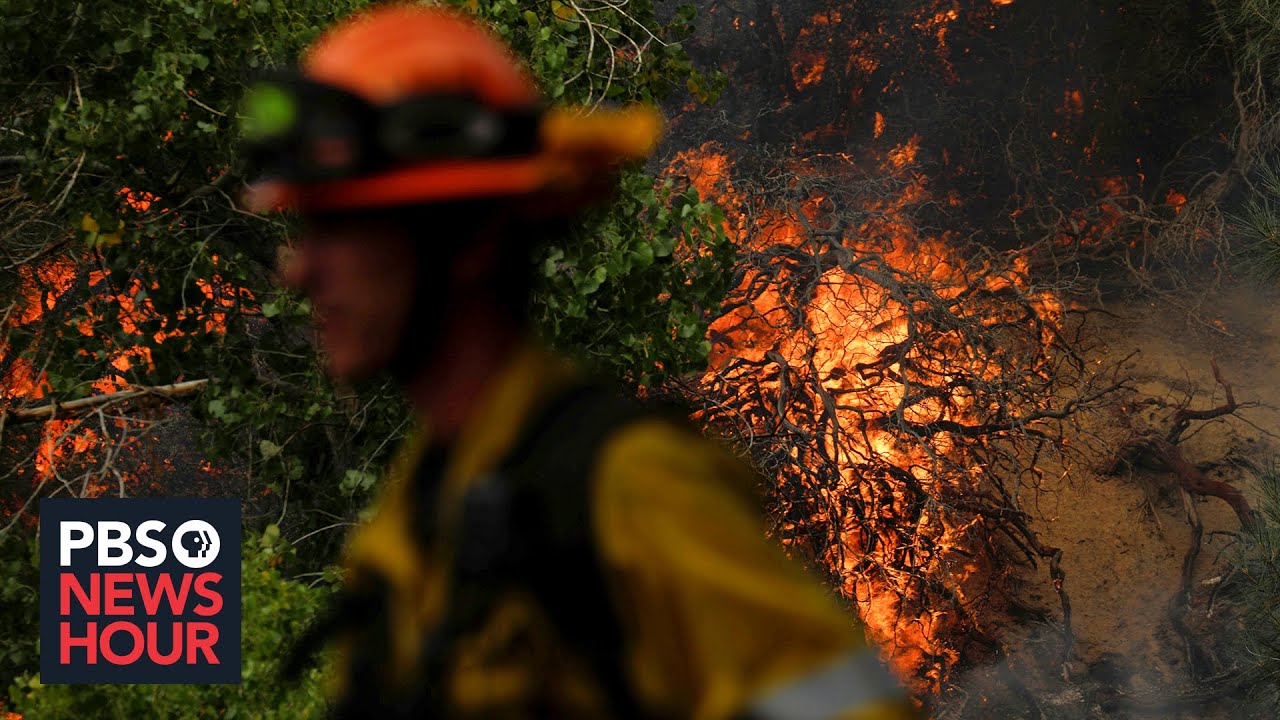
News Wrap: 3 wildfires rage out of control in Southern California

Huge Wildfire Erupts Across Southern California Prompting 500 Homes to be Evacuated
LOS ANGELES – A series of dangerous wildfires continued to plague Southern California this week, with the rapidly spreading "Hughes Fire" forcing mandatory evacuations for tens of thousands and prompting emergency alerts across Los Angeles County. The blaze, which ignited on Wednesday, January 22, has already consumed over 10,000 acres, threatening communities and challenging firefighting efforts amidst persistent red flag warnings and high winds.
Hughes Fire: A Rapidly Evolving Threat
The Hughes Fire was first reported at approximately 10:24 AM on Wednesday, near Lake Hughes Road and Castaic Lake in northern Los Angeles County. Fueled by dry brush and fanned by strong Santa Ana winds, the fire quickly escalated, growing to over 10,000 acres within hours. By Thursday evening, Cal Fire reported the blaze was 36% contained, indicating significant progress by firefighters despite the challenging conditions. Officials noted that the dry, dead, and dying brush in the area provided ample fuel for the fast-moving flames. The cause of the fire remains under investigation. fire.ca.gov
Mass Evacuations and Community Impact
The immediate threat posed by the Hughes Fire led to mandatory evacuation orders for more than 31,000 residents on Wednesday. While these orders were lifted by Thursday afternoon, approximately 54,900 people remained under an evacuation warning, advised to be prepared to leave at a moment's notice. The Los Angeles County Sheriff’s Department urged residents to sign up for LA County Emergency Alerts to stay informed. fire.ca.gov
Numerous public services and structures faced potential danger. Overnight, firefighters, supported by aircraft and dozers, aggressively battled the blaze to prevent its spread to Elderberry Canyon, the Castaic Hydroelectric Power Plant, and surrounding communities. Crews also focused on protecting the Wayside Honor Rancho and structures along Charlie Canyon drainage. Additional fire engines were staged within the community of Castaic to prevent any fire spread, underscoring the severity of the threat. Fortunately, no structures have been destroyed and no civilian or firefighter injuries have been reported. Evacuation centers were established, with Castaic Middle School and Castaic Elementary students evacuated to a Ralph's parking lot, and North Lake Elementary students moved to the Castaic Sports Complex. nbcnews.com
Challenging Conditions and Firefighting Efforts
Firefighters faced extreme fire behavior, rugged terrain, and adverse weather conditions. A red flag warning remained in effect for the area until 10:00 a.m. Friday, alongside a high wind warning until 6:00 p.m. Thursday. These conditions were reminiscent of the "tough, fast-moving Santa Ana wind-driven fires" that have plagued the region. However, unlike the hurricane-force winds that grounded firefighting aircraft during the earlier Palisades and Eaton fires, the winds fueling the Hughes Fire were less severe, allowing for crucial aerial support. nbcnews.com
The coordinated ground and air attack proved instrumental in containing the blaze. Eight Modular Airborne Firefighting Systems (MAFFS) launched from Channel Islands, flying a combined 11.1 hours and dropping an impressive 30,678 gallons of retardant. Additionally, three CAL FIRE HAWK helicopters delivered nearly 80,000 gallons of water, with one operating overnight for 5 hours and dropping over 33,000 gallons. Jeremy Ruiz, a fire spokesperson, affirmed that "We had helicopters dropping water until around 3 a.m. That kept it in check." These efforts were critical in preventing the fire from expanding further. bostonglobe.com
A Broader Wildfire Season
The Hughes Fire is not an isolated incident in what has become an intense wildfire season for California. It erupted little more than two weeks after the devastating Palisades and Eaton fires in the Los Angeles area, which claimed at least 28 lives and destroyed thousands of homes. Experts have repeatedly pointed to the link between climate change and the increasingly severe and frequent wildfires in the region. cnn.com
Further complicating the situation, new blazes erupted in other parts of Southern California on Thursday. In San Diego County, a brush fire in La Jolla briefly triggered evacuations near the University of California, San Diego, School of Medicine, while another rapidly spreading fire in the Otay Mountain Wilderness threatened endangered species. In Ventura County, the Laguna Fire prompted a brief evacuation of California State University Channel Islands. While rain is forecast for the weekend, potentially offering some relief, officials remain vigilant, emphasizing that "we are not out of the woods yet."
As crews continue to establish and hold control lines, the focus remains on fully containing the Hughes Fire and mitigating the risks posed by ongoing windy conditions. The resilience of firefighters and the cooperation of evacuated communities are paramount in navigating this challenging wildfire season.
Related Articles

Hundreds Honor Alex Pretti in Minneapolis, Fueling National Debate on Federal Force
Hundreds gathered in Minneapolis to honor Alex Pretti, an intensive care nurse shot by federal agents, sparking widespread protests and debate on immigration enforcement practices across the U.S.