EU Leaders Convene Emergency Greenland Summit as Trump Deal Framework Emerges
European Union leaders meet in Brussels to address transatlantic tensions following Trump's controversial Greenland framework deal with NATO.

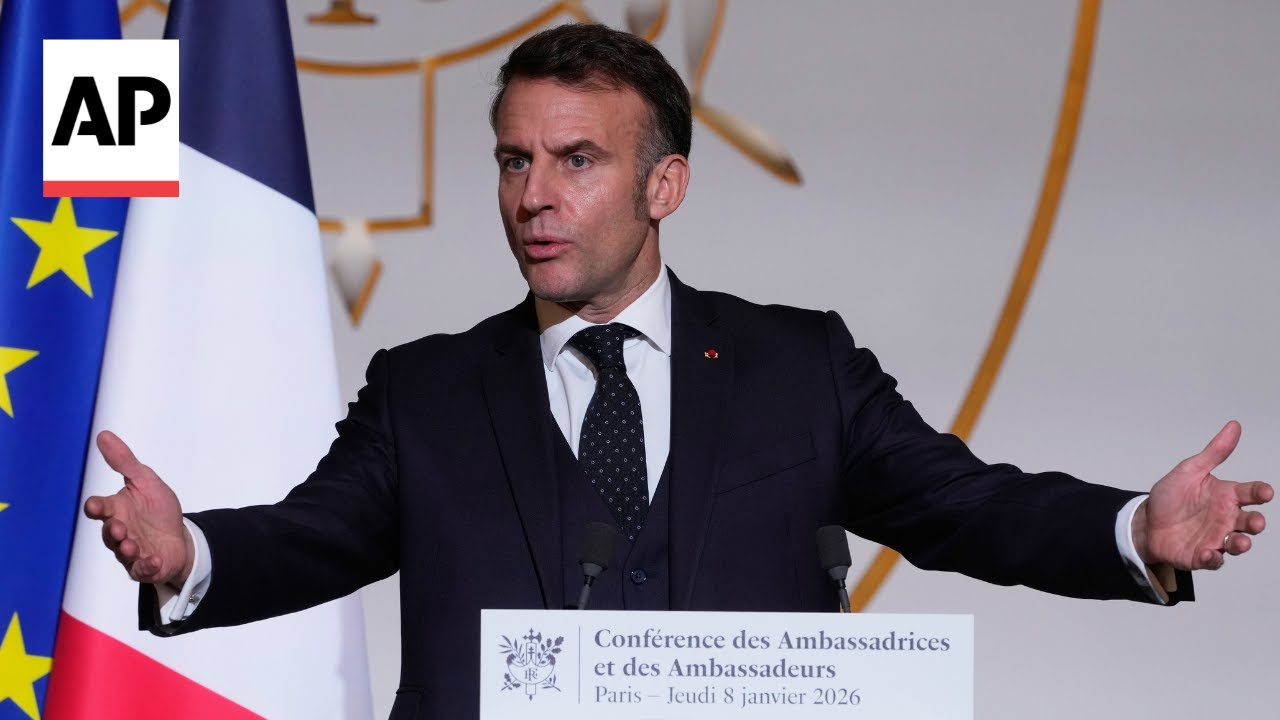
Macron and European officials respond to Trump's threats against Greenland

European leaders push back on Trump remarks about Greenland
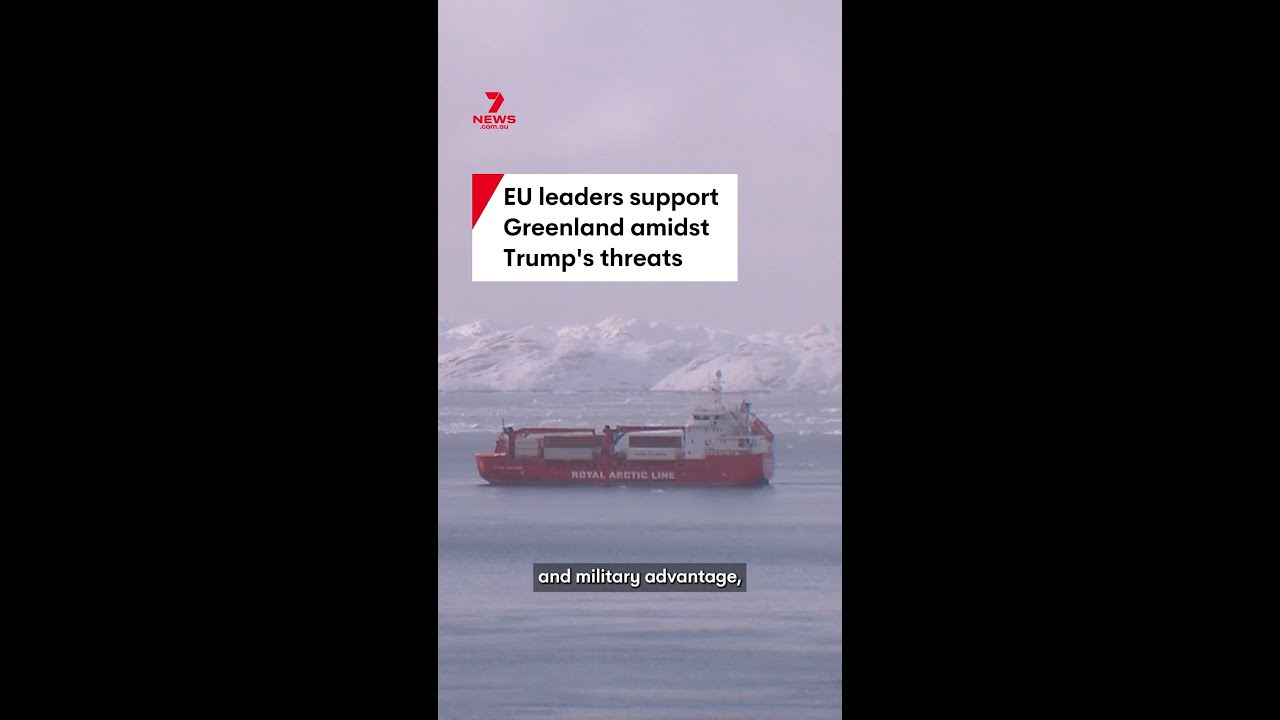
EU leaders support Greenland amidst Trump's threats
BRUSSELS — The heads of all 27 European Union member states gathered in Brussels on Thursday for an extraordinary summit regarding the recent crisis in transatlantic relations prompted by U.S. President Donald Trump's efforts to acquire Greenland.
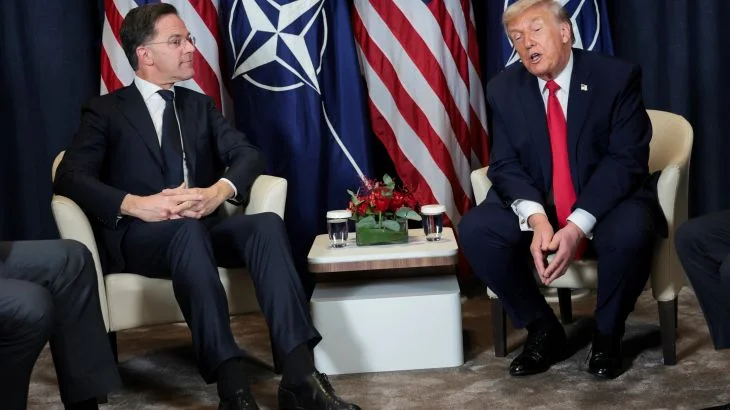
The emergency convening comes in the wake of Trump's announcement that he and NATO Secretary General Mark Rutte agreed on what he called a "framework of a future deal" involving Greenland, prompting him to pull back threatened tariffs on European countries that were set to take effect Feb. 1. The unexpected diplomatic development marks a dramatic reversal in one of the most contentious international disputes of recent months.
The Framework Agreement Unveiled
Trump described the framework as more of a "concept" in an interview with CNBC's Joe Kernen, saying it would involve U.S.-European collaboration on a proposed Golden Dome missile defense system and access to mineral resources in Greenland. However, details for now remain elusive.
President Donald Trump told CNBC that the framework on Greenland involves mineral rights and the Golden Dome. When asked about direct U.S. acquisition of the territory, Trump said he "didn't want to say yet" and it was "complex." Yet he assured observers of the arrangement's significance, stating "It's the ultimate long-term deal, and I think it puts everybody in a really good position, especially as it pertains to security and minerals and everything else."
NATO officials have sought to clarify the framework's parameters. NATO spokeswoman Allison Hart told Al Jazeera that Rutte "did not propose any compromise to sovereignty" during his meeting with Trump. Hart said the meeting was "productive" and said the framework would focus on allies' "collective efforts" to uphold Arctic security.
Historic Tensions Precede Agreement
The summit was hastily arranged amid unprecedented friction between Washington and its European allies over Trump's aggressive push to acquire Greenland. US President Donald Trump announced late Wednesday he would not impose tariffs on eight European nations scheduled to take effect on 1 February, citing progress in talks with NATO Secretary-General Mark Rutte on Greenland in Davos.
Just days prior, Trump had demanded the levies remain until European nations supported US acquisition of Greenland from Denmark. The tariffs, announced days before the World Economic Forum, were set to start at 10% on goods from France, Germany, the United Kingdom, Denmark, Sweden, Norway, the Netherlands and an eighth country, with rates climbing to 25% by June.
Trump's Greenland campaign has opened the deepest rift between Washington and its European allies in decades. The escalation prompted emergency EU meetings scheduled for Thursday and discussions of retaliatory measures. French President Emmanuel Macron had advocated activating the EU's anti-coercion instrument, while European Commission President Ursula von der Leyen warned the bloc's response would be "unflinching, united and proportional."
EU's Push for Clarity and Sovereignty Respect
Despite Trump's apparent climbdown on tariffs, European officials remain cautious. Bernd Lange, a member of the European Parliament and chair of EU-US trade relations on its committee on International trade, said the bloc still needs "greater clarity" on Trump's intentions after he declared on Truth Social he had a "framework" of a deal between the White House and NATO.
In a statement on the Council's website, the body's President Antonio Costa said that the key topics for discussions on Thursday will include "unity around the principles of international law, territorial integrity and national sovereignty" and "unity in full support and solidarity with Denmark and Greenland."
On the eve of their summit, European Council President António Costa said that the Trump administration poses a challenge to Europe's security, principles and prosperity. "All these three dimensions are being tested in the current moment of transatlantic relations," Costa said.
Arctic Security Takes Center Stage
The emerging framework appears to focus heavily on Arctic security, a region of strategic importance to both the United States and NATO. Trump told reporters the framework "puts everybody in a really good position, especially as it pertains to security and to minerals."
On Thursday, Rutte told Reuters that will demand NATO countries ramp up Arctic security swiftly, as part of the security element of the agreement. "We will come together in NATO with our senior commanders to work out what is necessary," Rutte said. "I have no doubt we can do this quite fast. Certainly, I would hope for 2026; I hope even early in 2026."
Transatlantic Relations Under Strain
The broader implications of Trump's Greenland campaign extend far beyond the Arctic territory itself. EU leaders have been galvanized by Trump's bullying over Greenland, and are rethinking their relations with an unpredictable America, their long-time ally and the most powerful member of NATO.
Also to be discussed, Costa said, are a "shared transatlantic interest in peace and security in the Arctic, notably through NATO" and "concern that further tariffs would undermine relations and are incompatible with the EU-U.S. trade agreement." "The EU wants to continue engaging constructively with the United States on all issues of common interest," the statement said.
As the EU's extraordinary summit proceeds, questions remain about the full implications of the framework agreement and whether it represents a genuine diplomatic breakthrough or merely a temporary pause in transatlantic tensions. The path forward will likely depend on the detailed negotiations that are expected to follow in the coming months, with Arctic security and mineral rights emerging as central to any long-term arrangement.
Related Articles
Hundreds Honor Alex Pretti in Minneapolis, Fueling National Debate on Federal Force
Hundreds gathered in Minneapolis to honor Alex Pretti, an intensive care nurse shot by federal agents, sparking widespread protests and debate on immigration enforcement practices across the U.S.