Germany Boosts Defenses Amid Warnings of Russian NATO Attack Within Two Years
Germany's military is preparing for a potential Russian attack on NATO within two to three years, as the Ukraine war intensifies and Europe ramps up military readiness.

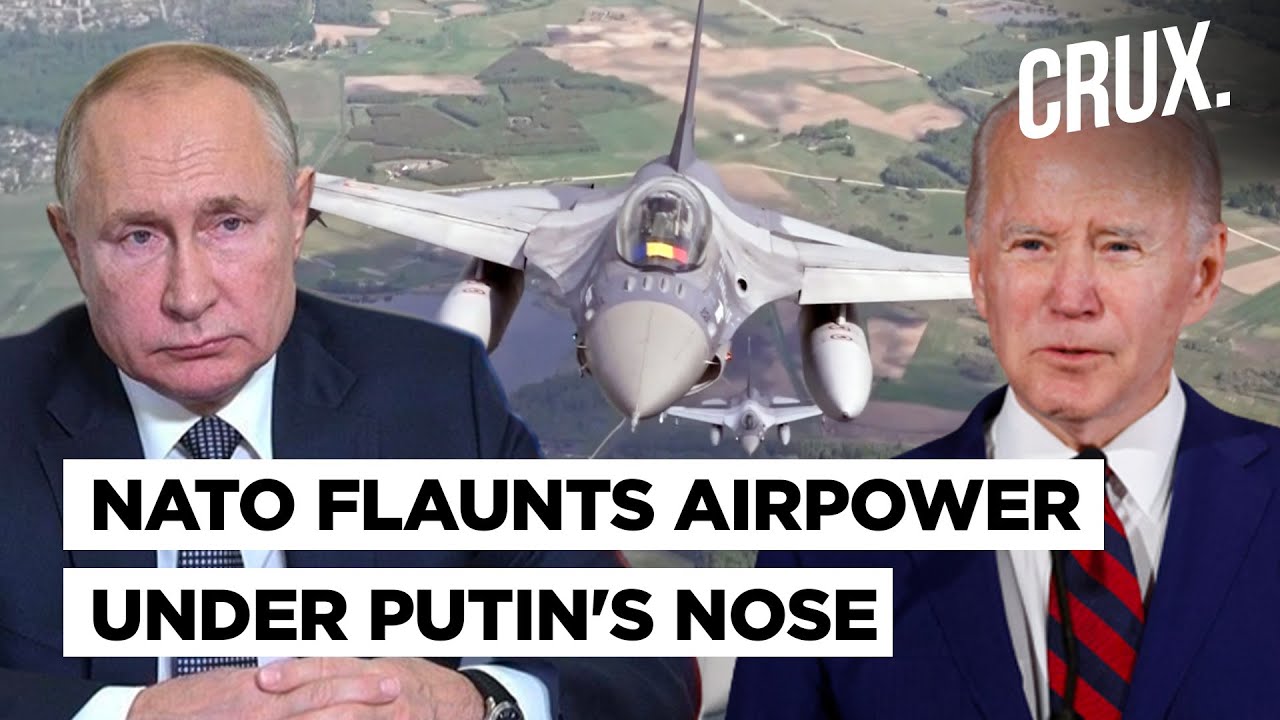
NATO Prepares For Attack On Its Soil | Biggest Air Drill Is Aimed At Putin Amid Russia-Ukraine War
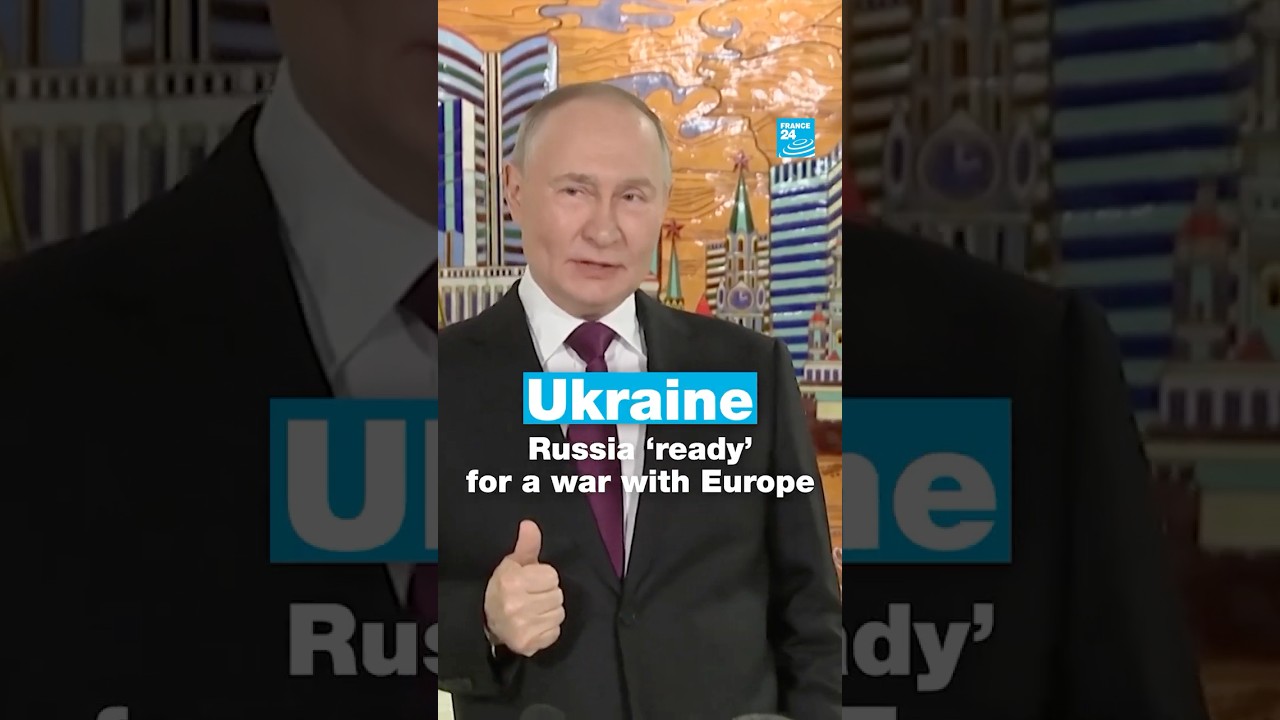
🇷🇺#Ukraine: Vladimir #Putin says #Russia ‘ready’ for a #war with Europe • FRANCE 24 English
Putin: Russia Will Be 'At War' With US, NATO If Ukraine Given Missiles
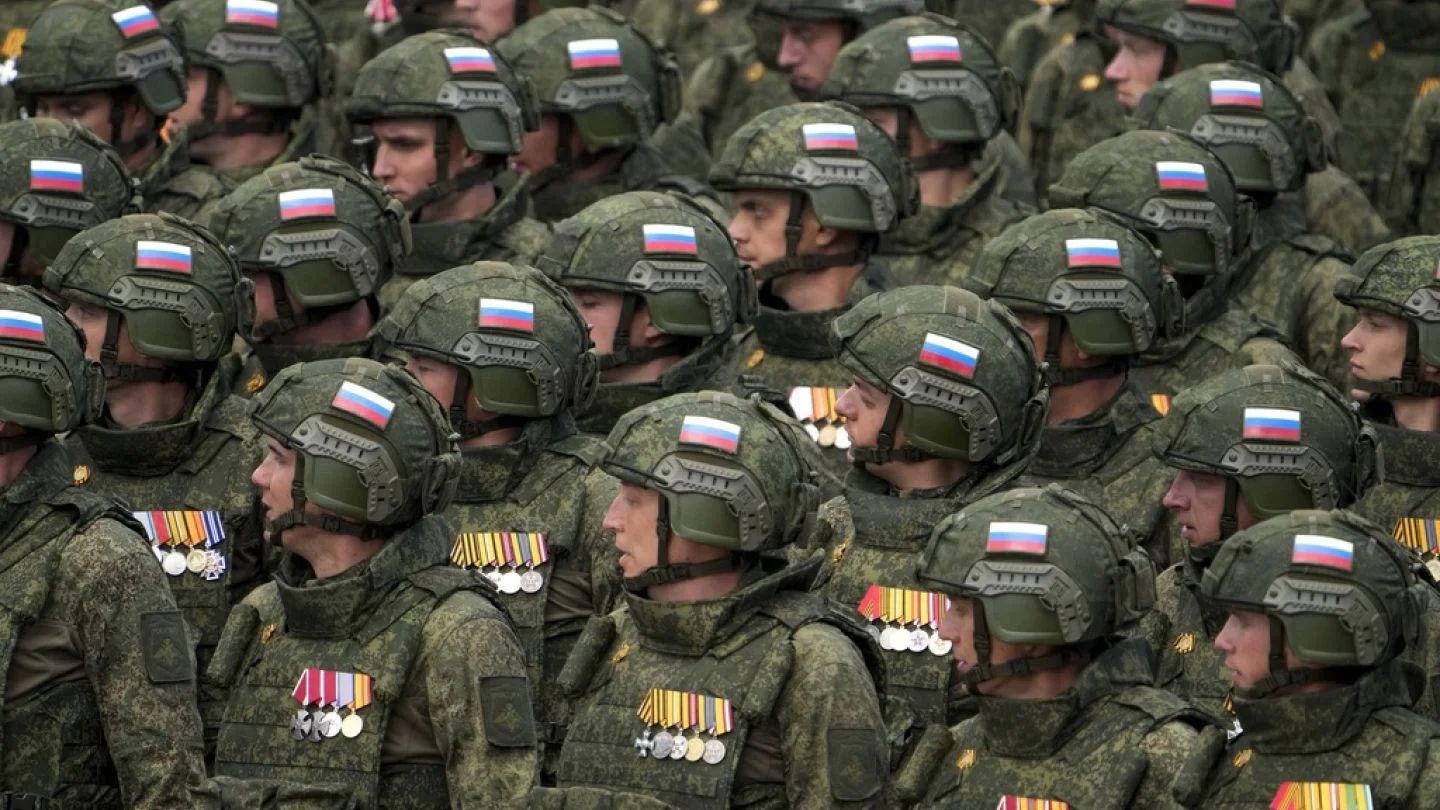
Germany is bracing for a potential Russian attack on NATO within the next two to three years, a stark revelation from one of the country's senior military figures that underscores the escalating anxieties across Europe. Lieutenant General Gerald Funke, head of the German armed forces support command, disclosed that preparations are underway for a full-scale war of aggression by Russia, with thousands of troops being rallied for a worst-case scenario potentially unfolding within the next 24 to 36 months, according to reports from The Independent.
Europe Ramps Up Military Readiness Amid Mounting Concerns
This heightened state of alert in Germany mirrors a broader trend across the European continent, where countries are significantly ramping up their military preparations. A series of political and economic instabilities in recent years, compounded by the ongoing conflict in Ukraine, has led experts to warn that nations like the UK and others in Europe could be critically unprepared for future threats. General Funke specifically highlighted the immediate concern of hybrid warfare tactics, stating, "What worries me … at the moment is the hybrid side, the covert side: sabotage, sleeper cells, some kind of targeted attacks." He further added, "I can’t rule out the use of long-range missiles. But I think the hybrid threat is very high." Amid these developments, NATO Secretary General Mark Rutte indicated that US-led peace talks are continuing, with the ultimate objective of achieving a peace deal or a long-term ceasefire.
Ukraine Leverages Drone Technology as Russia Faces Recruitment Challenges
On the front lines of the conflict, Ukraine is increasingly relying on drone technology to counter Russian forces. President Volodymyr Zelensky’s office confirmed that over 80 percent of all successful battlefield strikes against Russia were carried out by drones. In 2025 alone, Ukrainian troops reportedly struck nearly 820,000 targets with drones, with the "overwhelming majority" manufactured domestically. This sophisticated use of unmanned aerial vehicles is not only effective for hit verification but also supports a bonus-based system for assessing military performance, according to The Independent. Meanwhile, Russia is reportedly engaged in a desperate recruitment drive to bolster its forces. This strategy includes freeing prisoners in exchange for military service and luring foreign nationals with incentives like simplified citizenship paths and better wages. Following a mutual defense treaty in 2024, North Korea reportedly sent thousands of soldiers to assist Russia in defending its Kursk region against Ukrainian incursions, underscoring the Kremlin's efforts to avoid an unpopular nationwide mobilization.
Russian Strikes Cripple Ukrainian Infrastructure as Winter Deepens
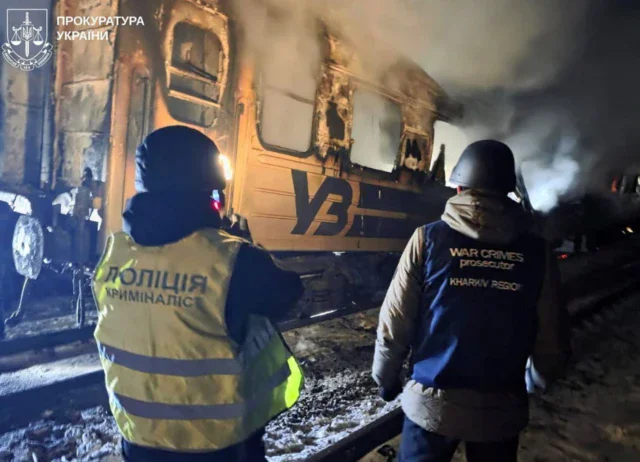
The conflict continues to exact a heavy toll on Ukraine's civilian infrastructure, particularly its energy grid. Russian strikes have left hundreds of thousands of Ukrainians without power in Kharkiv, the country’s second-largest city, after serious damage to the region’s energy system. Two individuals were injured in the attacks, which also hit a school, nursery, and apartment buildings. Kharkiv's regional governor, Oleh Syniehubov, reported that approximately 80 percent of the city and region were without electricity, coinciding with temperatures plummeting to -14°C in one of the coldest winters on record. Last week, more than 800,000 people in Kyiv, the capital, were also plunged into darkness. An energy facility in the southern city of Odesa, a major Black Sea port, also sustained "extensive damage" from a Russian attack, with repair work expected to be prolonged. The persistence of these attacks prompted President Zelensky to declare a state of emergency in the energy sector earlier this month. In response to these persistent energy challenges, Ukraine is set to receive 85 million euros (£73m) for additional gas volumes from the European Bank for Reconstruction and Development (EBRD).
Geopolitical Alliances Shift and Internal Divisions Emerge
Amidst the ongoing conflict, diplomatic maneuverings and internal European divisions highlight the complex geopolitical landscape. China’s defence minister, Dong Jung, expressed a willingness to enhance strategic coordination with Moscow during a video call with Russian defence minister Andrei Belousov. According to Chinese state news agency Xinhua, Dong stated, "China is willing to work with Russia to earnestly implement the important consensus reached by the two heads of state, strengthen strategic coordination, enrich the substance of cooperation, and improve exchange mechanisms." This signals a deepening alliance between the two global powers. Conversely, within the European Union, dissent is emerging over sanctions targeting Russia. Slovakia has announced its intention to file a lawsuit challenging the EU’s ban on Russian gas imports, a policy that received final approval on Monday. Both Slovakia and Hungary voted against the ban, with Russian gas imports accounting for 90 percent of Hungary's energy sector imports. Slovakian Prime Minister Robert Fico reportedly confirmed the news of the lawsuit, as reported by The Independent.
Related Articles
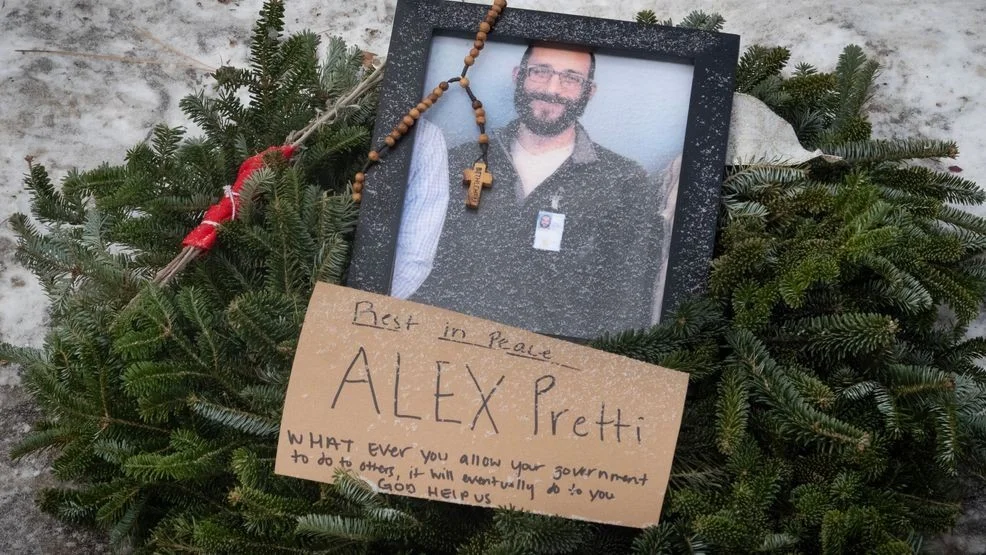
Hundreds Honor Alex Pretti in Minneapolis, Fueling National Debate on Federal Force
Hundreds gathered in Minneapolis to honor Alex Pretti, an intensive care nurse shot by federal agents, sparking widespread protests and debate on immigration enforcement practices across the U.S.