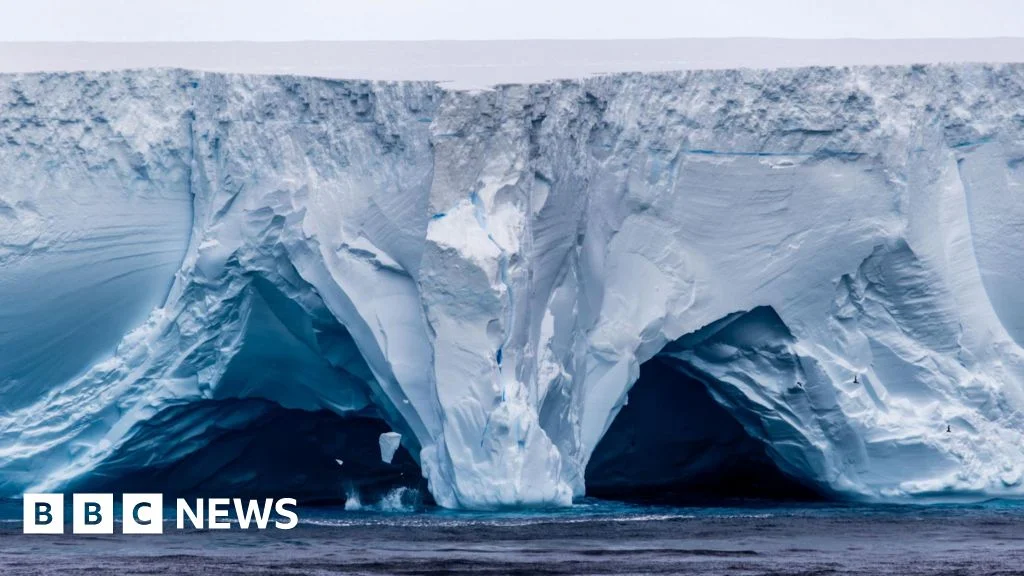
Giant Iceberg A23a on Collision Course with Penguin-Packed South Georgia Island
The world's largest iceberg, A23a, is on a collision course with South Georgia island, threatening vital penguin and seal populations.

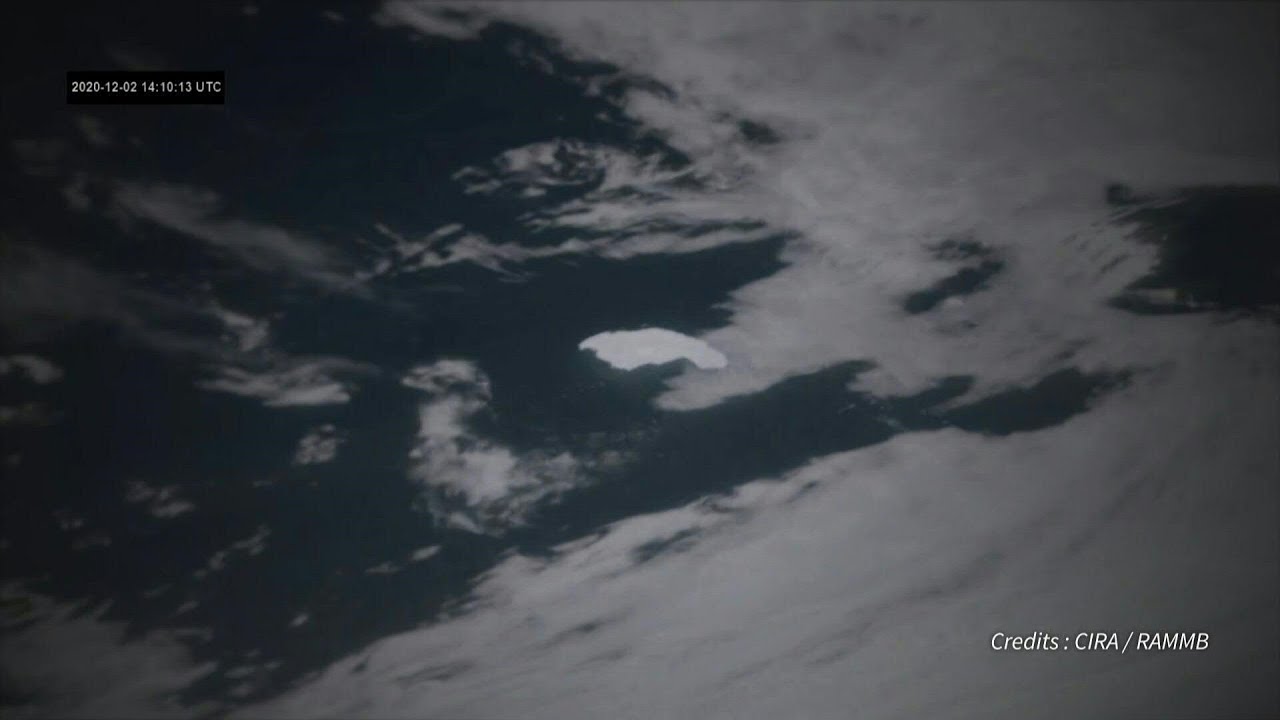
Satellite images of world's largest iceberg on collision course with South Georgia island | AFP
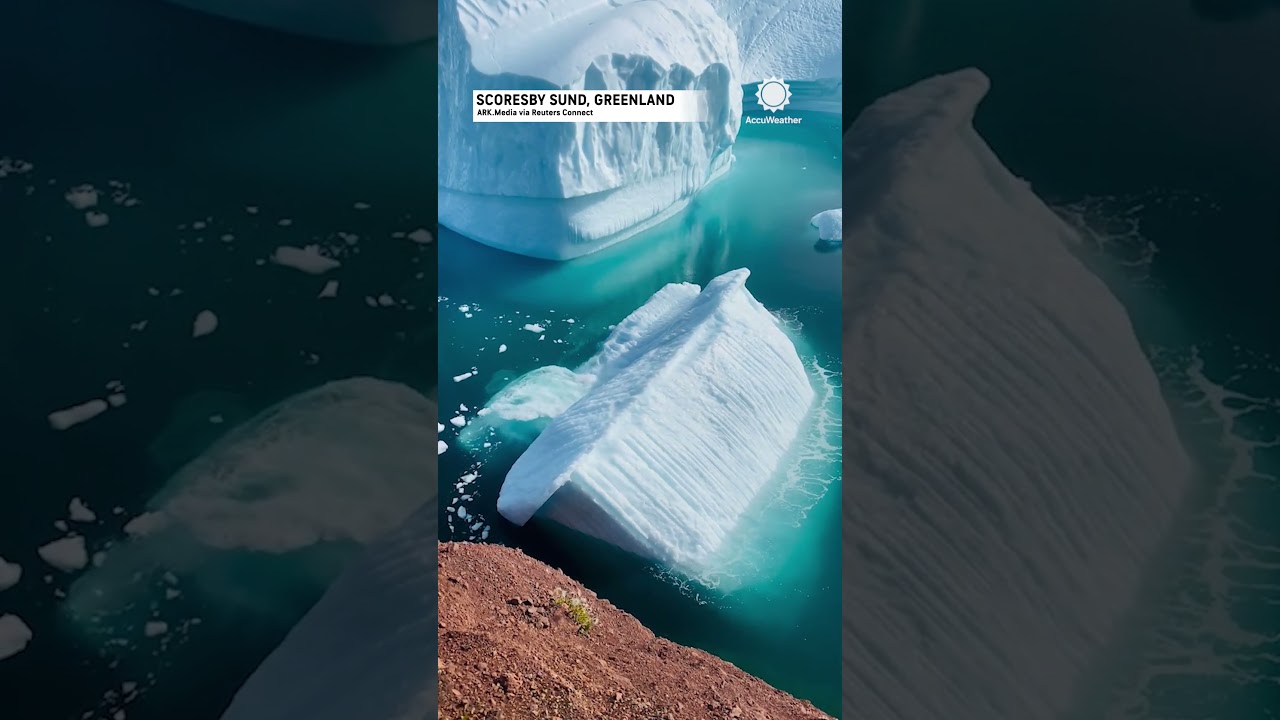
Iceberg Flips Over In Greenland

Why Is The Worlds Largest Iceberg Breaking Away Right Now?
In a dramatic development echoing past ecological crises, the world's largest iceberg, known as A23a, is currently on a collision course with South Georgia, a remote British territory in the South Atlantic Ocean renowned for its abundant wildlife. Scientists, sailors, and environmental agencies are meticulously tracking the colossal ice mass, which poses a significant threat to the island's vast colonies of penguins and seals.
A Floating Leviathan on the Move
Iceberg A23a, a true titan among its kind, measures approximately 3,500 square kilometers, roughly the size of the English county of Cornwall, or the state of Rhode Island if you consider its original 3,900 sq km according to some estimates from early 2025. It broke off from Antarctica's Filchner Ice Shelf in 1986 but spent decades grounded on the seafloor, trapped in an ocean vortex. However, in December 2024, it finally broke free and began its inexorable journey northward. Its immense scale, with sides extending up to 1,312 feet (400 meters) – taller than the Shard in London – makes it a formidable natural force. Warmer waters north of Antarctica are gradually melting and weakening A23a, leading to large slabs of ice breaking off its edges, which could segment the berg into multiple, still massive, floating ice cities.
"Icebergs are inherently dangerous. I would be extraordinarily happy if it just completely missed us," stated sea captain Simon Wallace, speaking from the South Georgia government vessel Pharos, as reported by BBC.com.
South Georgia's Fragile Ecosystem at Risk
South Georgia is often referred to as a wildlife haven, home to precious colonies of King, Gentoo, and Macaroni penguins, as well as millions of elephant and fur seals. These species rely heavily on the island's coastal waters and beaches for breeding, resting, and most critically, for accessing feeding grounds. The impending arrival of A23a threatens to disrupt this delicate balance.
Past incidents provide a stark warning. In 2004, another giant iceberg, A38, grounded on South Georgia's continental shelf. The consequences were dire, with countless penguin chicks and seal pups found dead on the beaches because massive ice chunks blocked their access to vital food sources. The thought of a repeat, potentially on an even larger scale with A23a, raises serious concerns among conservationists.
Newsweek.com highlights that South Georgia's beaches and coves are critical feeding grounds, and such blockages can lead to catastrophic starvation events for the local wildlife. Marine ecologist Mark Belchier, who advises the South Georgia government, acknowledged that "South Georgia sits in iceberg alley so impacts are to be expected for both fisheries and wildlife, and both have a great capacity to adapt." However, the sheer size and potential grounding of A23a present an unprecedented challenge.
A History of Being Stuck
A23a’s journey is notable not just for its current speed, but for its decades of stasis. After calving from the Filchner Ice Shelf in 1986, it almost immediately became stuck on the seabed, which was too shallow for its deep keel. It remained there for nearly 40 years, with a section of the TheTimes.com article describing how gradual melting until 2020 eventually led to the berg refloating and moving again. This long period of inactivity makes its current acceleration and trajectory all the more significant.
The name A23a follows a sequential system based on the Antarctic quadrant where an iceberg is first sighted. While calving is a natural process, A23a's sheer dimensions make it unusual. As polar scientist Martin Siegert noted, "It's not uncommon, it's not unnatural, but it is unusual because it's just so big; very, very big," as described in an article by NationalGeographic.com.
Monitoring and Mitigation Efforts
Around the globe, scientists are employing satellite imagery, aerial surveys by the RAF, and other sophisticated tracking methods to monitor A23a’s daily movements. The hope is that the iceberg might break into smaller, more manageable segments or simply drift past the island without grounding. However, the exact trajectory and fate of such a massive ice structure remain unpredictable.
The potential for A23a to break apart before reaching South Georgia offers a glimmer of hope. Smaller ice chunks, while still a hazard, would likely pose less of a catastrophic threat than a single, gargantuan iceberg grounding itself and completely blocking access to crucial marine resources. Nevertheless, even broken segments could linger around South Georgia for years, presenting a continuous challenge to both wildlife and human activities like fishing and shipping.
Climate Change and Future Iceberg Threats
While A23a's initial calving in 1986 is considered a natural process not directly attributable to recent climate change, its freeing and movement occur against a backdrop of warming global temperatures. The increasing prevalence of large icebergs and their unpredictable movements are concerns that many scientists link to a changing Antarctic environment. As the Southern Ocean warms, the frequency of such behemoths is expected to increase, making encounters between icebergs and vulnerable ecosystems more common.
The case of A23a serves as a powerful reminder of the dynamic and often perilous nature of the polar regions and the potential impacts on their unique biodiversity. The coming weeks will be critical as the world watches to see if South Georgia and its cherished inhabitants can avoid a natural disaster on an immense scale.
Related Articles
Hundreds Honor Alex Pretti in Minneapolis, Fueling National Debate on Federal Force
Hundreds gathered in Minneapolis to honor Alex Pretti, an intensive care nurse shot by federal agents, sparking widespread protests and debate on immigration enforcement practices across the U.S.