Trump's NATO Reversal, EU-India Ties Strengthen, and Vande Mataram Debate Intensifies
Explore the top headlines from January 24, 2026, including Donald Trump's shift on UK NATO troops, the deepening India-EU strategic partnership, and India's Vande Mataram protocol discussions.

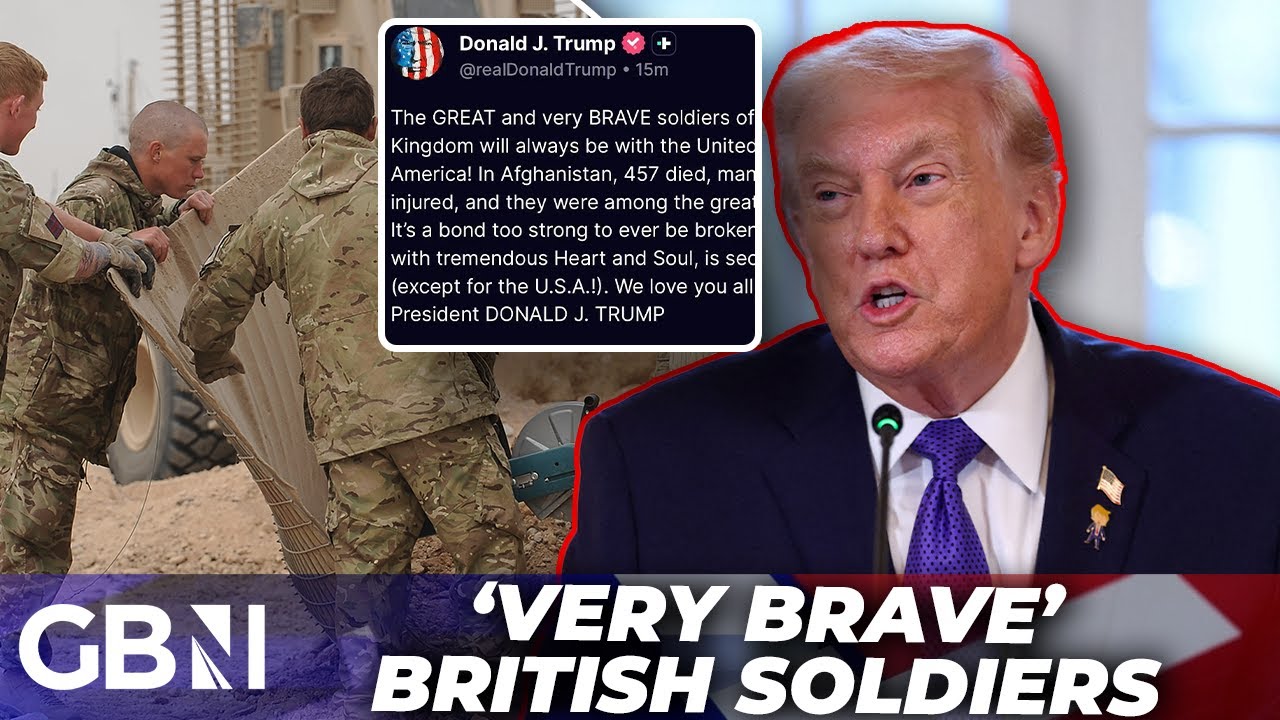
Donald Trump praises ‘VERY BRAVE’ British soldiers after SPARKING outrage over Afghanistan remarks

“So Outrageous” | Trump Claims Nato Troops Avoided Afghanistan Front Lines
January 24, 2026, has brought forth a series of significant developments across the global political landscape and within India, ranging from a notable U-turn by former US President Donald Trump regarding NATO troops, to advancing strategic partnerships between India and the European Union, and intensified discussions within India concerning national symbols. These events underscore a dynamic period marked by shifting rhetoric, crucial diplomatic engagements, and ongoing domestic policy debates.
Trump's Shifting Stance on UK NATO Troops
Former US President Donald Trump has made a significant statement, describing UK soldiers as "great and very brave soldiers of UK" in what appears to be a notable reversal of his earlier comments. This comes after Trump had previously asserted earlier in the week that NATO allies had largely avoided conflict zones during the war in Afghanistan. The shift in language from the former President is particularly noteworthy given his past critiques of NATO and its member states' contributions. His latest remarks, distinguishing UK troops with such commendation, signal a potentially evolving narrative or a clarification of a specific sentiment towards a key ally. This development will undoubtedly be scrutinized for its implications on international alliances and future foreign policy discussions, especially as the political landscape continues to shift globally, particularly regarding engagement with military pacts like NATO, as reported by The Indian Express.
India-EU Forge Deeper Strategic Alliance
In a major diplomatic advance, the European Union and India are poised to enhance their strategic partnership, with particular emphasis on trade and security. Ahead of a state visit by EU leaders scheduled from January 25 to 27, High Representative for Foreign Affairs and Security Policy and Vice President of the European Commission, Kaja Kallas, emphasized the critical importance of the India-EU Free Trade Agreement (FTA). Kallas described the FTA as a "strategic choice" that offers both blocs an opportunity to mitigate their reliance on China, Russia, and the United States. This declaration highlights a deliberate effort by both sides to diversify international partnerships and build resilience in their respective economies and supply chains. Further solidifying this growing bond, Kallas confirmed that a new Security and Defence Partnership will be formally signed on January 27 at the India-EU leaders’ summit, marking a significant step towards collaborative defense strategies and security cooperation between the two global powers, as learned from The Indian Express.
The Vande Mataram Protocol Debate
Within India, a high-level government meeting was convened earlier this month to explore and deliberate on potential protocols for the recitation of the national song, Vande Mataram. The discussions reportedly aim to establish guidelines that would parallel those currently in place for the national anthem, Jana Gana Mana. This initiative aligns with a year-long celebration of Vande Mataram launched by the Centre, signaling a concerted effort to elevate the song's stature. The ruling Bharatiya Janata Party (BJP) has been a vocal proponent of this move, accusing the opposition Congress party of having historically diminished the song's importance through what it terms "appeasement politics" and the removal of "important stanzas" during the 1937 Congress session. The push for standardized protocols and increased prominence for Vande Mataram reflects a broader cultural and political agenda to reinforce national identity and heritage.
Political Dynamics Unfold in Bangladesh
Campaigning for the parliamentary elections in Bangladesh, scheduled for February 12, has officially commenced, leading to immediate political maneuvering. The day after the campaign officially began, ousted Prime Minister Sheikh Hasina released a recorded address to the citizens of Bangladesh. In her address, Hasina presented a five-point demand. These demands are articulated as essential steps to restore the country's "proud traditions of democracy and pluralism." Her intervention underscores the contentious political environment in Bangladesh and highlights the ongoing struggle for power and democratic ideals in the lead-up to the crucial parliamentary vote, as reported by The Indian Express. The demands are likely to shape the political discourse and campaigning efforts in the weeks leading to the election.
Global and Domestic Implications
The events of January 24, 2026, highlight a complex interplay of global diplomacy and domestic politics. Trump's refined stance on NATO allies, especially UK troops, could be interpreted as an attempt to recalibrate international relations or to appeal to specific political bases ahead of potential future electoral campaigns. Simultaneously, the expanding strategic partnership between India and the EU signifies a significant geopolitical shift, aiming to foster economic stability and security independence in a multipolar world. Domestically, India’s push for Vande Mataram protocols illustrates the ongoing cultural and political discourse surrounding national identity, while Bangladesh’s political landscape reflects the enduring challenges of democratic consolidation. These interwoven narratives paint a picture of a world in constant flux, where both established and emerging powers navigate a path through complex diplomatic, economic, and ideological terrain.
Related Articles
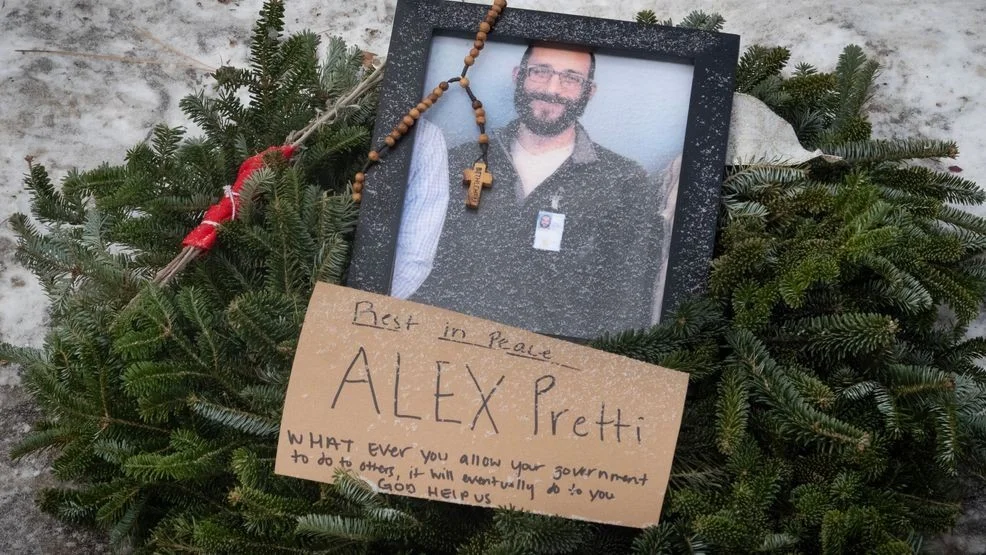
Hundreds Honor Alex Pretti in Minneapolis, Fueling National Debate on Federal Force
Hundreds gathered in Minneapolis to honor Alex Pretti, an intensive care nurse shot by federal agents, sparking widespread protests and debate on immigration enforcement practices across the U.S.