Hughes Fire Forces 50,000 Evacuations, Rain Raises Flood and Ashflow Concerns
The Hughes Fire in Los Angeles County prompted 50,000 evacuations. Containment grew, but incoming rain brings flood and debris flow risks.

California wildfire forces evacuations and storms trigger mudslides concerns
Fast-moving Canyon Fire forces evacuations in Southern California

Parts of Southern California evacuating, bracing for flooding rain
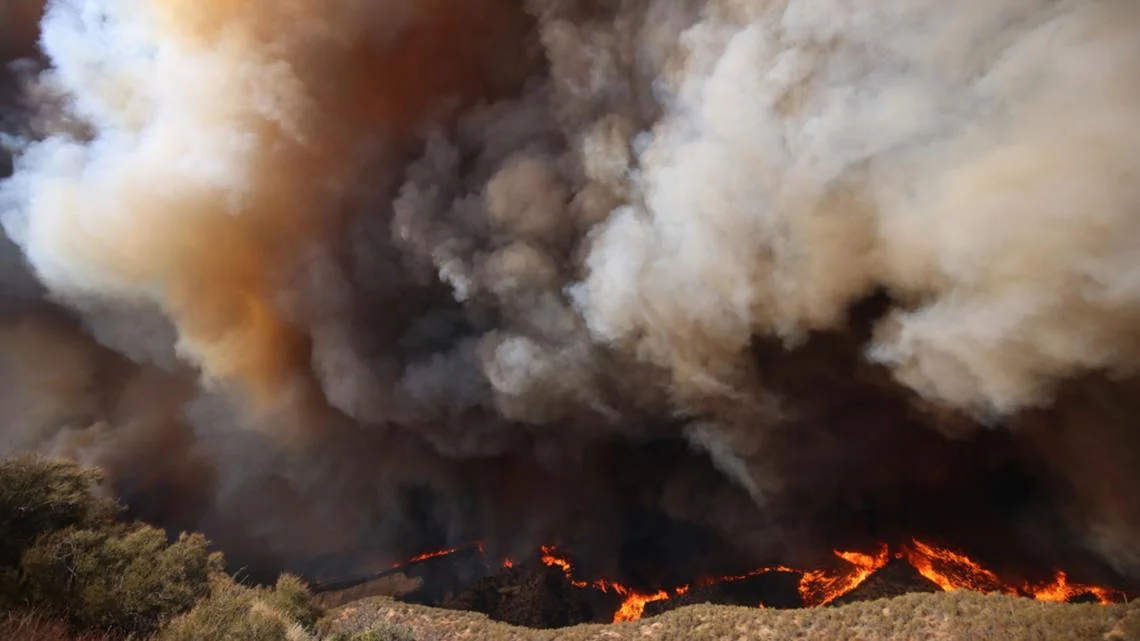
CASTAIC, CA – What began as a fierce, wind-driven wildfire north of Los Angeles has transitioned into a complex post-fire scenario, with residents now bracing for the aftermath of rain and the potential for devastating flood and ashflow. The Hughes Fire, which erupted on January 22, 2025, near Castaic Lake, quickly forced tens of thousands to evacuate, burning over 10,000 acres in its initial stages. While firefighters have made significant progress in containment, the latest weather patterns introduce new hazards for the affected communities.
Initial Blaze and Rapid Spread
The Hughes Fire started on the morning of Wednesday, January 22, 2025, near Lake Hughes Road, close to Castaic Lake in northern Los Angeles County. Fueled by dry, dead, and dying brush, and propelled by strong Santa Ana winds, the blaze exploded rapidly, growing to over 10,000 acres within its first day. NBC News reported that the fire had prompted mandatory evacuation orders for more than 31,000 people. Overnight, firefighters, supported by air attack and dozers, battled "extreme fire behavior, terrain, and weather" to prevent the fire from spreading to critical infrastructure like the Castaic Hydroelectric Power Plant and surrounding communities, according to an incident update from CAL FIRE. Aircraft played a crucial role, with Modular Airborne Firefighting Systems (MAFFS) dropping over 30,000 gallons of retardant and CAL FIRE HAWKS delivering nearly 80,000 gallons of water.
Mass Evacuations and Shifting Directives
The initial rapid growth of the Hughes Fire led to widespread evacuations across communities in the Castaic area. On January 23, 2025, over 31,000 individuals were under mandatory evacuation orders, with school evacuations also taking place for students at Castaic Middle School, Castaic Elementary School, and North Lake Elementary. The students from the Castaic schools were directed to Ralph's parking lot at Hasley Canyon, while North Lake Elementary students were evacuated to the Castaic Sports Complex, as detailed in the CAL FIRE update. By Thursday afternoon, January 23, 2025, many of the mandatory evacuation orders had been lifted, but approximately 54,900 people remained under an evacuation warning, advising them to be prepared to leave if conditions deteriorated. Road closures, including portions of Lake Hughes Road, San Francisquito Canyon Road, and Templin Highway, were also implemented to ensure public safety and facilitate firefighting operations.
Containment Grows Amidst Persistent Challenges
Fire crews worked tirelessly to gain control of the Hughes Fire. By January 23, 2025, the fire was 24% contained, and by January 24, 2025, containment had increased to 36% across more than 10,000 acres, with no structures destroyed. Firefighters continued to focus on establishing and holding control lines on all flanks of the fire, protecting key areas like the Wayside Honor Rancho and structures along Charlie Canyon drainage. The aggressive efforts from ground crews and constant air support were instrumental in limiting the fire's spread. Despite initial concerns about the red flag warning and high wind warning remaining in effect until Friday, January 24, conditions allowed for continued air support, proving crucial in slowing the blaze, as reported by PBS NewsHour.
Rainfall Brings New Flood and Ashflow Concerns
As of January 27, 2025, the Hughes Fire had reached 92% containment and covered 10,396 acres. However, the region has transitioned from fire suppression to dealing with the impact of significant rainfall. Rain throughout the day on January 26 aided in mop-up activities, clearing roads, creating water bars, and backhauling equipment. CAL FIRE reported that rainy conditions were expected to continue, with a flood watch in effect until 4 p.m. on January 27. This rainfall, while assisting containment efforts, also brings serious concerns about potential debris flows and flash floods in areas affected by the fire. Burned landscapes lose their ability to absorb water, making them highly susceptible to erosion and rapid runoff, which can carry ash, soil, and debris downstream, endangering homes and infrastructure. Residents in affected areas have been advised to obtain sandbags for protection, with information available on the Los Angeles County Department of Public Works website.
Ongoing Monitoring and Forest Closures
As the immediate threat from the Hughes Fire subsides, authorities continue to monitor post-fire conditions and implement safety measures. The Angeles National Forest remains temporarily closed for public safety and the protection of natural resources through Friday, January 31, 2025, at 12:00 midnight, under Forest Order 05-01-25-03. Emergency alerts and information on road closures continue to be disseminated through official channels, including LA County Emergency Alerts and the California Highway Patrol. While warmer and drier air is projected for Tuesday through Friday, the immediate focus remains on mitigating the risks associated with the recent heavy rainfall and ensuring the safety of communities as they begin the difficult process of recovery.
Related Articles

Hundreds Honor Alex Pretti in Minneapolis, Fueling National Debate on Federal Force
Hundreds gathered in Minneapolis to honor Alex Pretti, an intensive care nurse shot by federal agents, sparking widespread protests and debate on immigration enforcement practices across the U.S.