Iran's Deadly Crackdown Leaves Thousands Dead as Regime Faces Breaking Point
The Iranian government's brutal suppression of nationwide protests has killed at least 16,500 people, with experts warning the regime may be nearing collapse after the largest uprising since 1979.

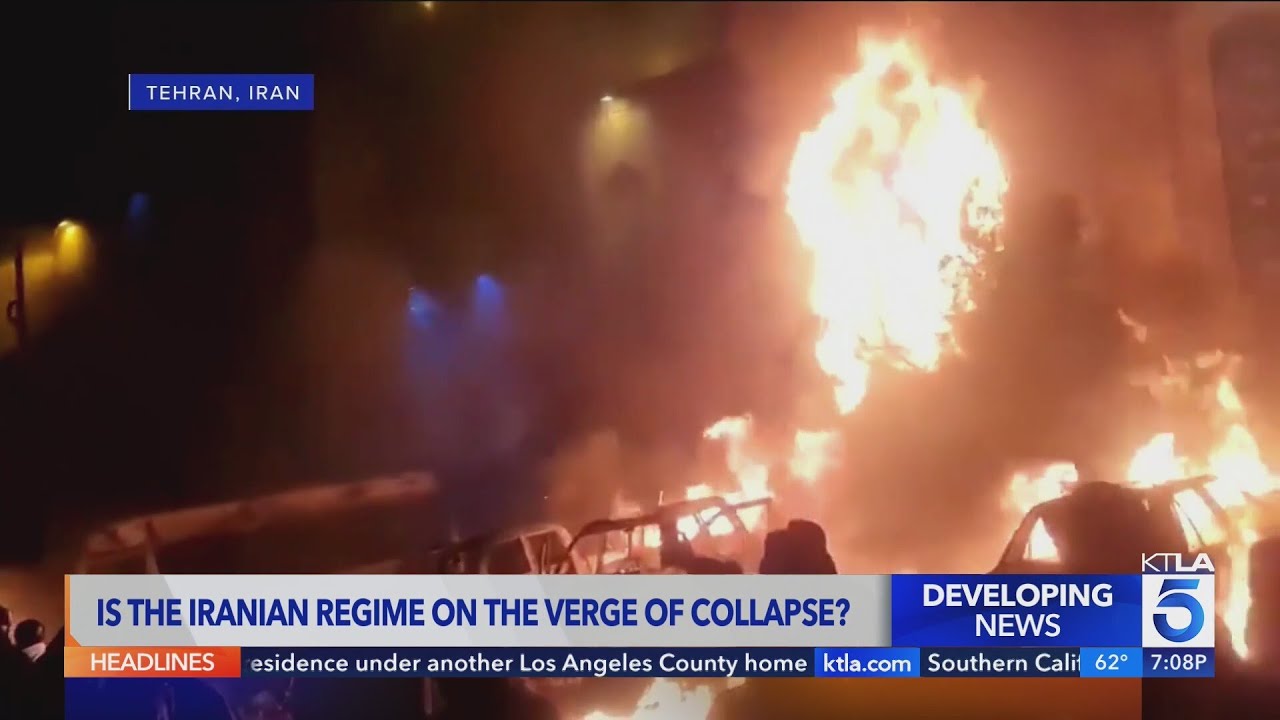
Amid deadly protests, is the Iranian Regime on the brink of total collapse?
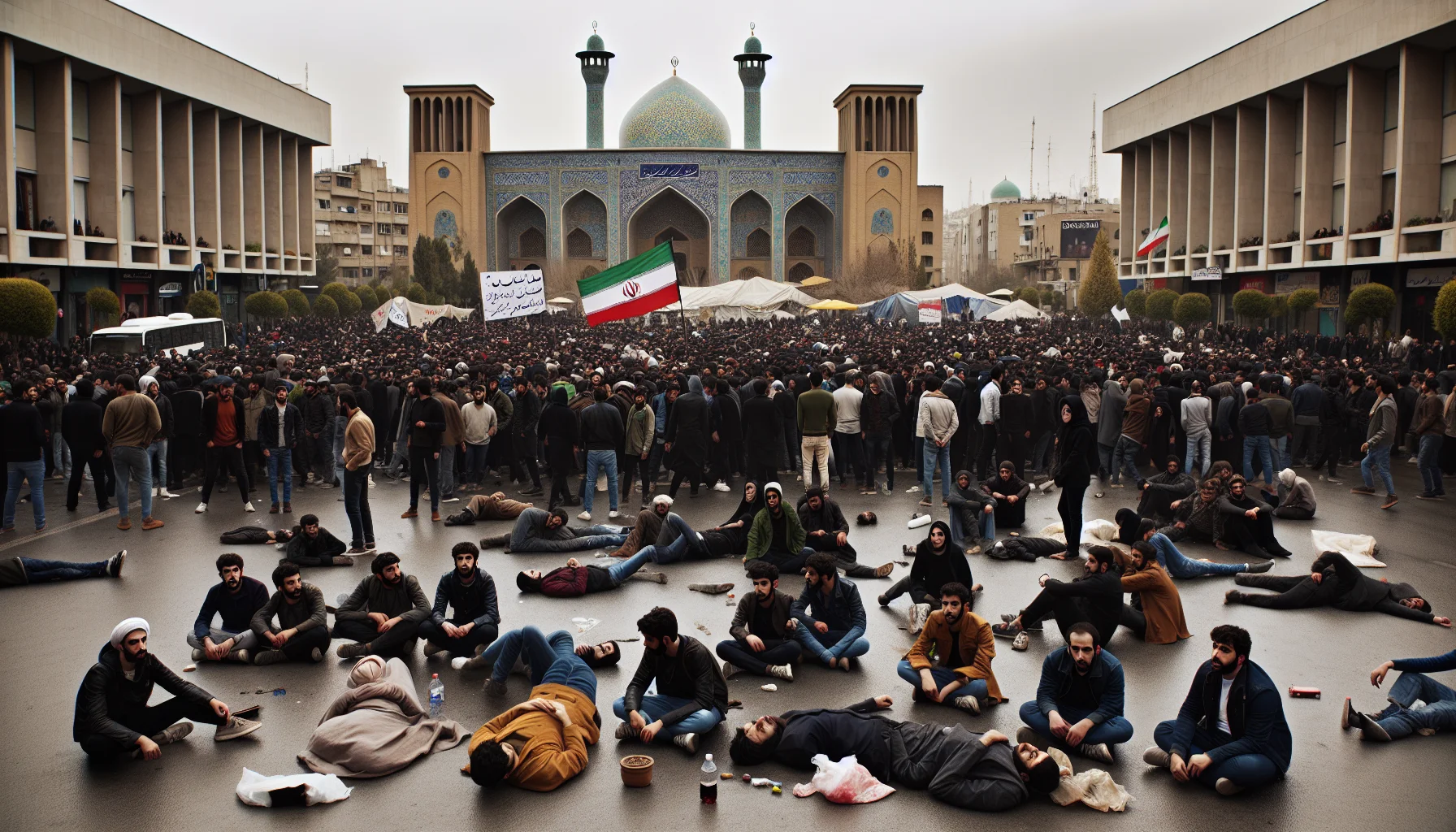
Iran is reeling from the deadliest government crackdown in its 47-year history as the Islamic Republic scrambles to suppress nationwide protests that experts say may have brought the regime to its breaking point. According to a devastating report by Iran International, at least 16,500 protesters have been killed and approximately 330,000 injured during the violent suppression of demonstrations that erupted in late December 2025.
Death Toll Estimates Vary Wildly
The true scale of the carnage remains difficult to verify due to an ongoing internet blackout, now entering its second week. While NPR reports that the U.S.-based Human Rights Activists News Agency (HRANA) has documented at least 2,637 deaths, activist groups working with medical officials inside the country believe the toll could be as high as 20,000. Supreme Leader Ali Khamenei himself acknowledged that "several thousands" had been killed, blaming protesters and foreign enemies for the violence.
The Deadliest Days in January
The doctors' report cited by The Sunday Times indicates most deaths occurred over just two days during what it described as the most violent phase of the crackdown on January 8 and 9, 2026. Harrowing video from Tehran's Behesht Zahra Cemetery shows families desperately searching for loved ones among rows of body bags. Most victims are believed to be under 30 years old, reflecting the youth-driven nature of the uprising.
Origins of the Uprising
According to CNN's live coverage, the demonstrations erupted on December 28, 2025, initially sparked by frustration over record-high inflation, soaring food prices, and currency depreciation. What began as shopkeeper strikes in Tehran's Grand Bazaar quickly evolved into the largest anti-government movement since the 1979 Islamic Revolution, with protesters demanding an end to the current regime.
International Response and Pressure
The Group of Seven foreign ministers have warned of "additional restrictive measures" if Iran does not cease its brutal crackdown, condemning authorities' use of violence against peaceful protesters. As ABC News reports, White House press secretary Karoline Leavitt stated that President Trump's team has communicated "grave consequences" to Iranian officials if more protesters are killed, with "all options" remaining on the table.
A Regime at the Crossroads
Middle East expert Dr. Sanam Vakil warns that despite this latest show of force, the regime may be close to a breaking point. The extraordinarily violent crackdown appears to have succeeded in driving protesters from the streets for now, but injured citizens remain afraid to seek medical treatment as security officers wait at hospitals to arrest them. With the internet still shut down and mass arrests reportedly just beginning, the crisis in Iran is far from over.
Related Articles
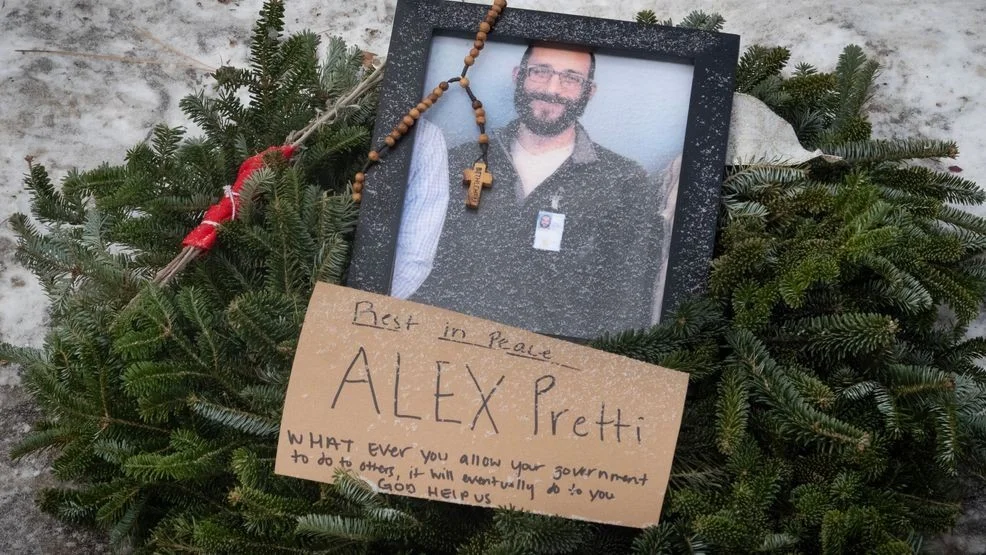
Hundreds Honor Alex Pretti in Minneapolis, Fueling National Debate on Federal Force
Hundreds gathered in Minneapolis to honor Alex Pretti, an intensive care nurse shot by federal agents, sparking widespread protests and debate on immigration enforcement practices across the U.S.