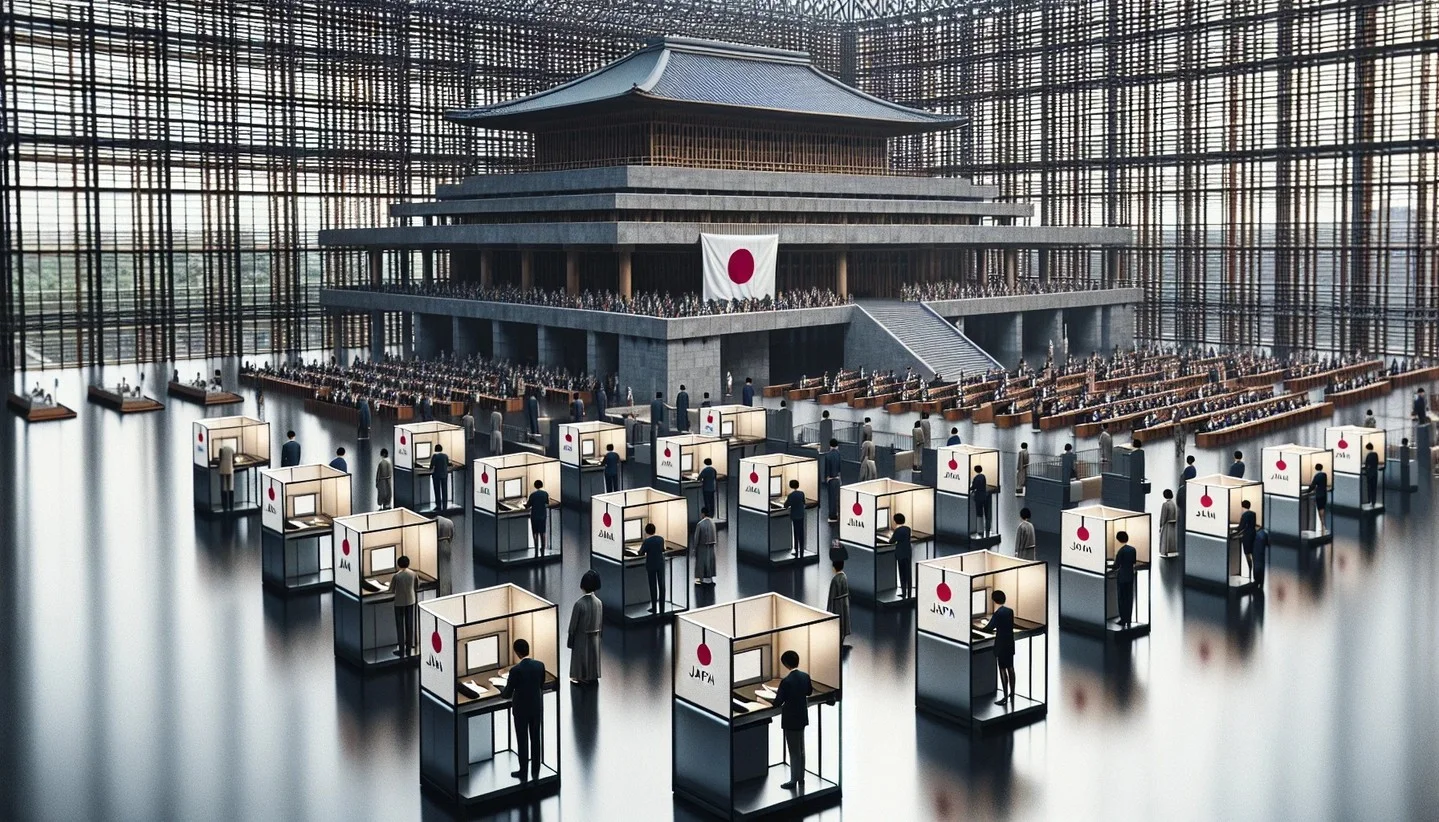
Japan's First Female PM Calls Snap Election in Bold Political Gamble
Sanae Takaichi, Japan's first female PM, calls snap election to capitalize on 70% approval ratings and strengthen her coalition majority in February 2026.

Historic Leadership Faces Early Test
Sanae Takaichi made history just a few months ago by becoming Japan's first female Prime Minister, after her predecessor, Shigeru Ishiba, resigned as head of the ruling Liberal Democratic Party and she was voted by the party to take his place. Now, mere months into her tenure, Takaichi is pursuing a high-stakes political strategy that could either solidify her mandate or backfire spectacularly: Japan's Prime Minister Sanae Takaichi plans to dissolve parliament next week and call a snap general election, the secretary general of her ruling party said on Wednesday.
Strategic Timing and Polling Advantages
The political calculus behind Takaichi's decision is straightforward, if risky. Japan's first female Prime Minister, Sanae Takaichi, plans a snap election to capitalize on 70% approval ratings and strengthen her coalition majority, seeking voter backing while approval ratings remain at 70%. Political observers note the window of opportunity is narrow. Her approval ratings are sky high, and they're only going to decline. It's not going to get any better than this for her.
Takaichi is considering an election date of February 8, a source with knowledge of the matter said. This timeline gives her party just weeks to campaign while public sentiment remains favorable, a critical advantage in parliamentary democracies where timing can determine political fortunes.
Coalition Challenges and Minority Government Concerns
Despite her elevated approval ratings, Takaichi faces significant structural obstacles. Her government is still two seats short of a majority, suggesting a risk of instability. Takaichi's scandal-tainted LDP and its coalition hold only a narrow majority in the lower house, Parliament's more powerful chamber, after losses in the 2024 election.
The ballot would allow voters to cast their verdict on the LDP's new coalition with the right-wing Japan Innovation Party, known as Ishin, after Takaichi cut ties last year with a longstanding liberal partner, Komeito. The decision represents a significant rightward shift in Japanese politics and requires public validation to govern effectively.
Domestic and International Pressures
Takaichi's economic agenda has generated both enthusiasm and concern among investors and policy experts. Like Abe, Takaichi is expected to favour government spending to jumpstart the weakened economy. That has prompted a so-called "Takaichi trade" in the stock market, sending the Nikkei share average to record highs.
However, her spending plans come with fiscal complications. Takaichi said that a two-year exemption of the 8% food levy will cushion the blow to households from rising living costs. This tax relief promise has triggered concerns about government finances. The growing prospect of a sales tax cut and expectations that Takaichi will use an election victory to solidify her expansionary fiscal policies sent the yield on the 10-year Japanese government bond to a 27-year high of 2.275% on Monday.
Internal Party Skepticism and Opposition Criticism
The snap election announcement has not been universally welcomed, even within Takaichi's own party. Japanese news outlet Nikkei reported that the leader had not informed even high-ranking LDP members about her decision to call an election early and that cautious voices believed the new government needed to put in more work first and later campaign on that.
Opposition parties have launched their own counterattack. The opposition has argued that Takaichi's snap election plan risks delaying the passage of Japan's fiscal 2026 budget as well as the implementation of new price relief measures, when she promised to address rising prices. Opposition lawmakers criticized the plan as self-serving, saying it would delay urgent parliamentary debate over the national budget, which must be approved quickly.
Geopolitical Context and Future Challenges
Beyond domestic politics, Takaichi's election gamble occurs against a complex international backdrop. The vote will also offer a chance to test public appetite for plans to boost government spending to revive growth and increase defence outlays under a revised national security strategy. This defense spending component reflects Japan's concerns about regional security in an era of renewed great power competition.
The February election will ultimately determine whether Takaichi's bold political move strengthens her government or squanders her current political capital. If successful, she could secure a stronger mandate and expanded parliamentary seats. If unsuccessful, she risks losing the approval ratings that made the election call possible in the first place—a consequence that could reshape Japanese politics for years to come.
Sources:
TIME - Why Japan's New PM Is Calling a Snap Election
CNBC - Japan's snap election and tax pledge keep the nation's finances in the spotlight
Fox News - Japan Prime Minister Sanae Takaichi to dissolve Parliament for snap election
Al Jazeera - Japan's parliament confirms hardliner Takaichi as country's first female PM
Related Articles

Hundreds Honor Alex Pretti in Minneapolis, Fueling National Debate on Federal Force
Hundreds gathered in Minneapolis to honor Alex Pretti, an intensive care nurse shot by federal agents, sparking widespread protests and debate on immigration enforcement practices across the U.S.