Kamchatka Buried Under Record Snowfall, State of Emergency Declared
Russia's Kamchatka Peninsula declares state of emergency after unprecedented snowfall, with some areas buried under over 7 feet of snow.

Record Snowfall Paralyzes Russia’s Kamchatka Peninsula | State of Emergency Declared
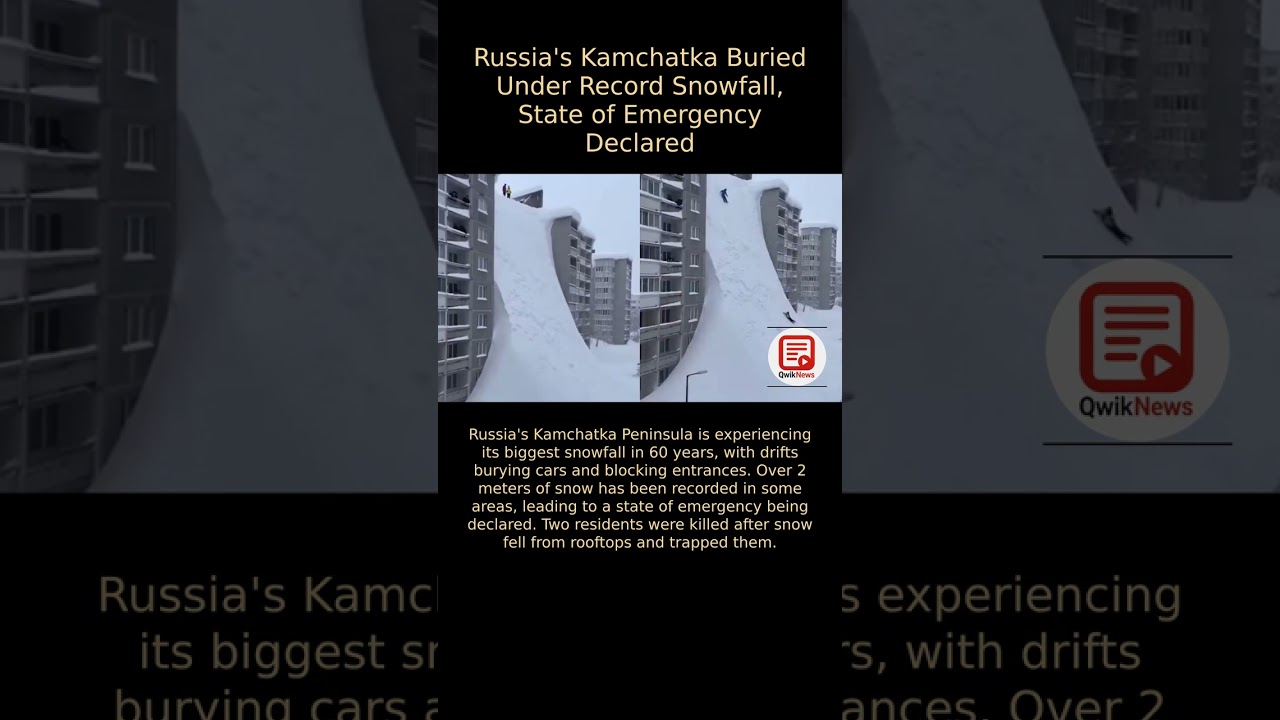
Two Killed As Record Snowfall Buries Russia's Kamchatka City, State Of Emergency Declared | Video
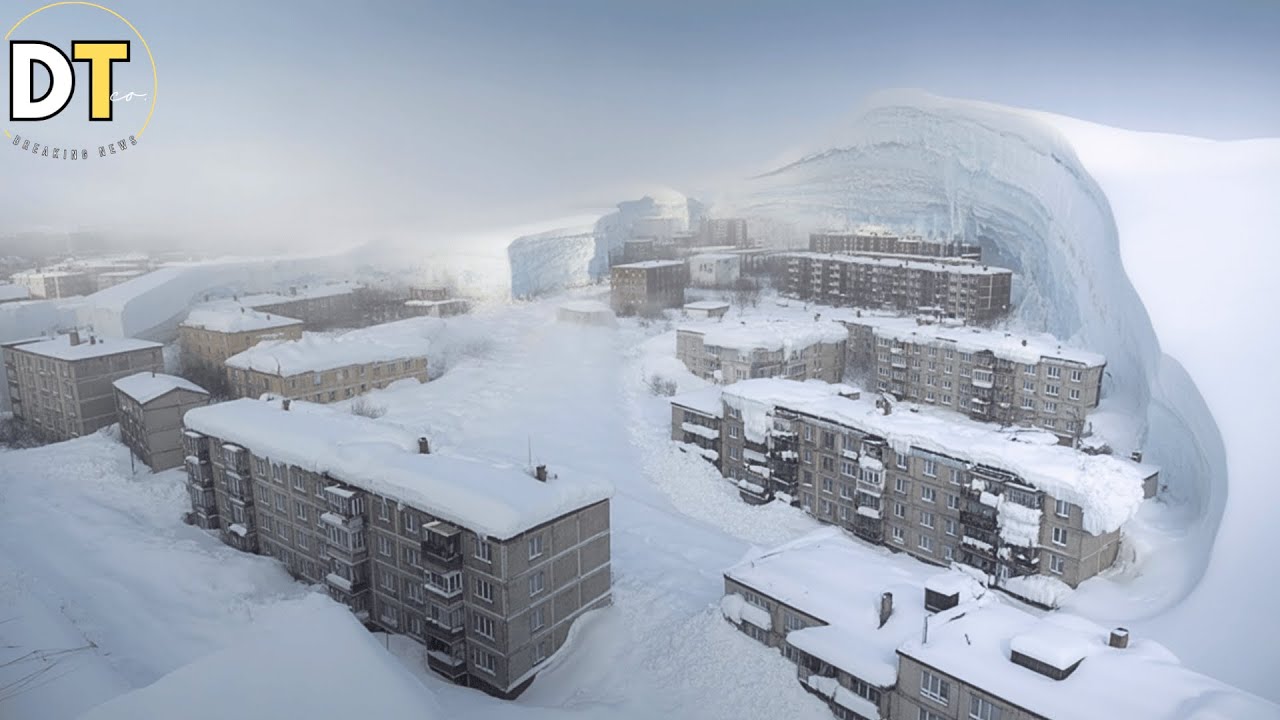
Snowstorm Paralyzes Kamchatka! Heavy Snowfall Buries Homes, State of Emergency Declared
VLADIVOSTOK – The remote Kamchatka Peninsula in Russia's Far East is grappling with a "snow apocalypse" after a series of powerful cyclones unleashed record-breaking snowfall in January 2026, burying towns under meters of snow and prompting authorities to declare a state of emergency. The extreme weather event has paralyzed daily life, disrupted essential services, and tragically resulted in at least two fatalities, according to local officials.
Historic Snowfall Engulfs the Peninsula
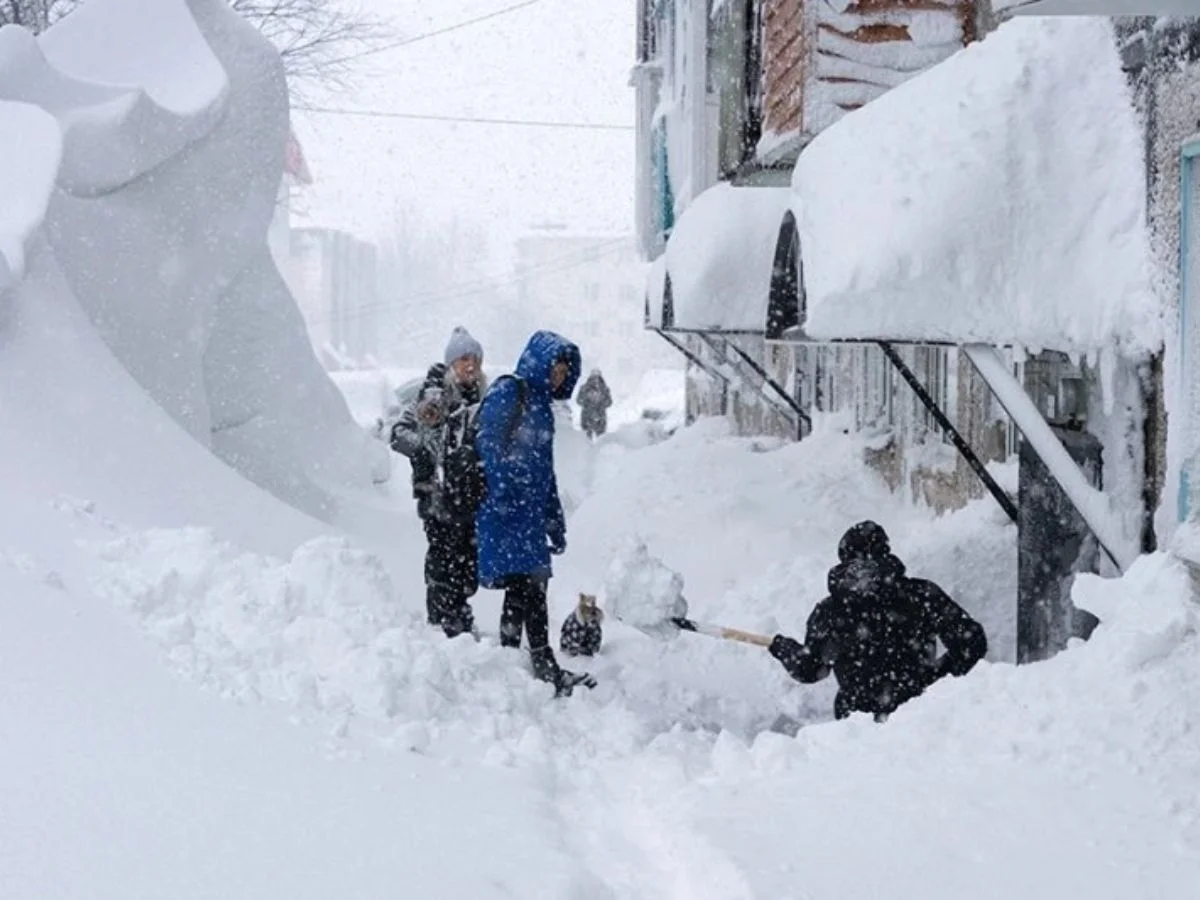
Residents of Kamchatka are experiencing what has been described as the most severe winter in decades, with meteorologists confirming that the current snowstorm is one of the heaviest on record. Over seven feet of snow has accumulated in some areas, shattering a 146-year-old record for the region. The capital, Petropavlovsk-Kamchatsky, has been transformed into an almost unrecognizable landscape, with snowdrifts reaching the heights of multi-story buildings and, in some cases, reportedly accumulating up to four meters (13 feet) high. December 2025 alone saw Petropavlovsk-Kamchatsky receive 370 millimeters of snow, more than three times its monthly average. From January 1 to 16, 2026, the city recorded an additional 163 millimeters, with snow depths reaching 170 centimeters and exceeding 250 centimeters in certain locations, according to the Kamchatka Krai's hydro-meteorological and environmental monitoring department, which noted that a similar event had not occurred since the early 1970s. Xinhua
Impact on Daily Life and Infrastructure
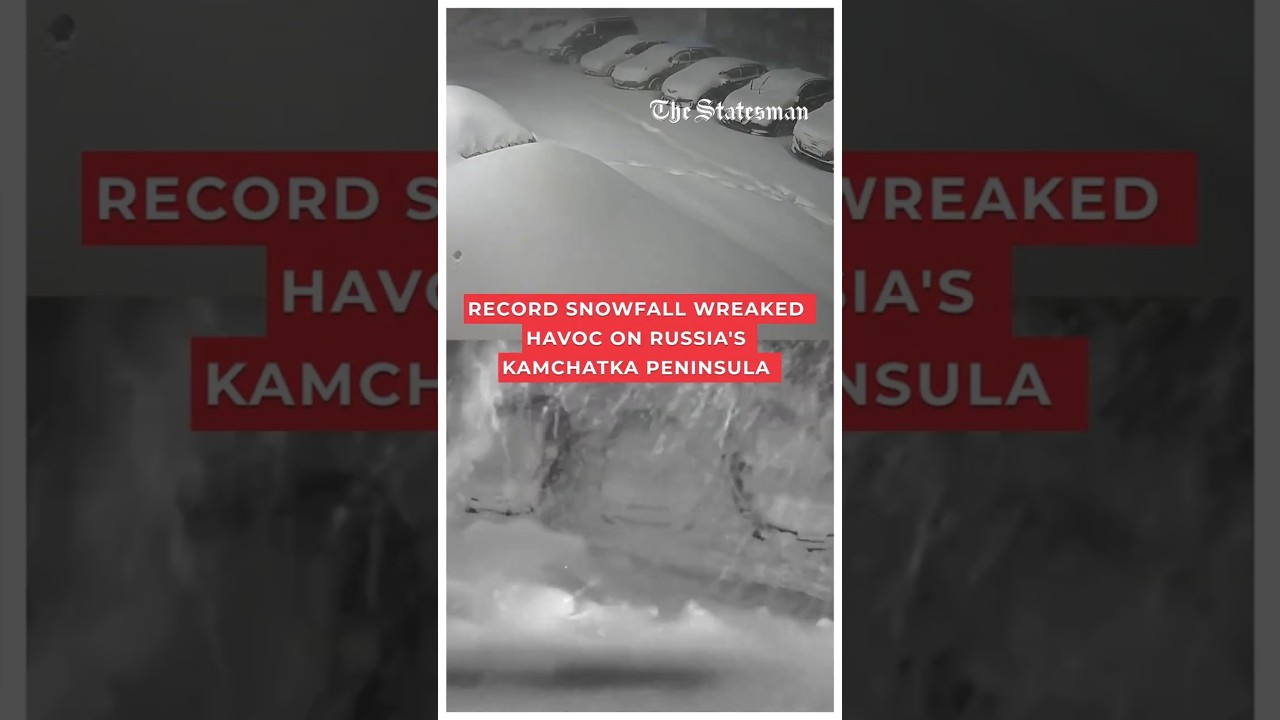
The unprecedented snowfall has had a devastating impact on the region's infrastructure and the lives of its inhabitants. Transportation links have been severely severed, with air traffic disrupted, roads closed, and public transportation suspended. Footage from the region shows vehicles completely submerged in snow, residential buildings entirely blocked, and residents resorting to digging elaborate snow tunnels just to exit their homes. Some have even been filmed jumping into deep snowbanks directly from their windows, highlighting the sheer scale of the drifts.
The extreme conditions have also led to widespread closures. Schools and universities have either cancelled classes or moved them online, while local businesses have shuttered their doors and offices are operating remotely. The supply chain for essential commodities such as food and medicine has been severely disrupted, with local stores reporting shortages of basic necessities like bread, milk, and eggs.
State of Emergency Declared and Rescue Efforts Underway
In response to the escalating crisis, local authorities have declared a state of emergency across the Kamchatka Peninsula. This declaration enables a more coordinated and robust response to the disaster, allowing for the deployment of additional resources and personnel to aid in snow removal and humanitarian efforts. The city's mayor, Yevgeny Belyayev, has reportedly criticized building managers for their slow response to clearing snow, underscoring the challenges faced in managing the immense volume of fallen snow. sundayguardianlive.com
Rescue teams are working tirelessly to clear roads and restore essential services. However, the sheer volume of snow presents a significant logistical challenge. The ongoing efforts are focused on ensuring access for emergency vehicles, delivering supplies to isolated communities, and ensuring the safety of residents.
Tragic Consequences and Lingering Concerns
The severe weather has tragically claimed at least two lives. Reports indicate that the fatalities occurred after snow collapsed from rooftops, highlighting the dangers posed by the accumulated weight. This grim reality underscores the immediate risks faced by residents and the critical need for continued vigilance as the region grapples with the aftermath of the storms. geo.tv
Beyond the immediate crisis, there are lingering concerns about the long-term impact on the region. The disruption to the economy, the strain on local resources, and the psychological toll on residents who have been snowed in for extended periods are all factors that will require ongoing attention and support. Local meteorologists continue to monitor the weather patterns, as the risk of further snowfall or extreme temperatures remains a significant concern for the foreseeable future.
A Look Ahead
As Kamchatka slowly begins the arduous process of digging out, the images and stories emerging from the region serve as a stark reminder of the power of nature. The "snow apocalypse" has not only shattered records but has also tested the resilience of a population accustomed to harsh winters. The coordinated efforts of local authorities and the enduring spirit of the community will be crucial in overcoming this historic challenge and rebuilding in the weeks and months to come. The region, known for its volcanic landscape and harsh climate, is now grappling with one of its most challenging winter events in recorded history. news9live.com
Related Articles
Hundreds Honor Alex Pretti in Minneapolis, Fueling National Debate on Federal Force
Hundreds gathered in Minneapolis to honor Alex Pretti, an intensive care nurse shot by federal agents, sparking widespread protests and debate on immigration enforcement practices across the U.S.