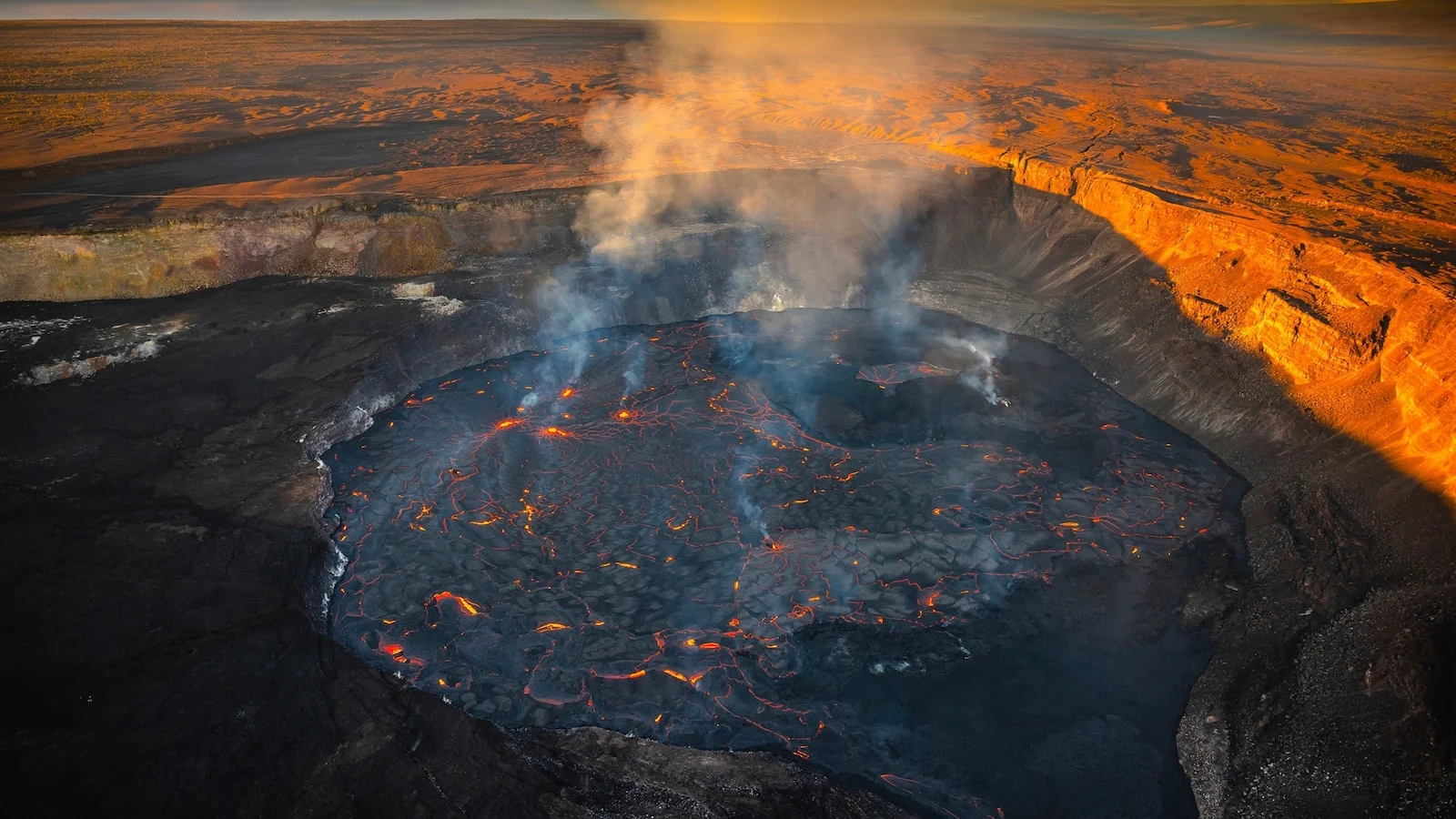
Kilauea Volcano Begins Fifth Eruptive Episode in Hawaii
Kilauea volcano on Hawaii's Big Island has begun its fifth eruptive episode, showcasing spectacular lava fountaining.

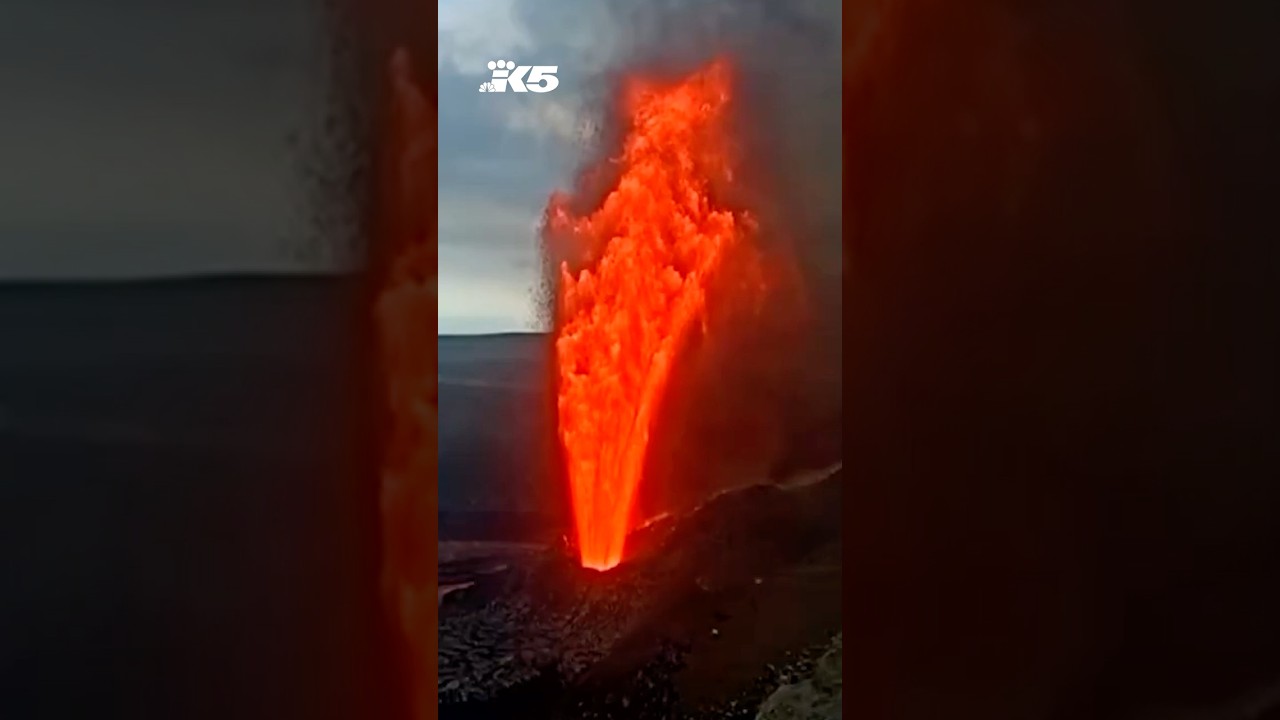
New video shows eruption of Hawaii's Mount Kilauea volcano
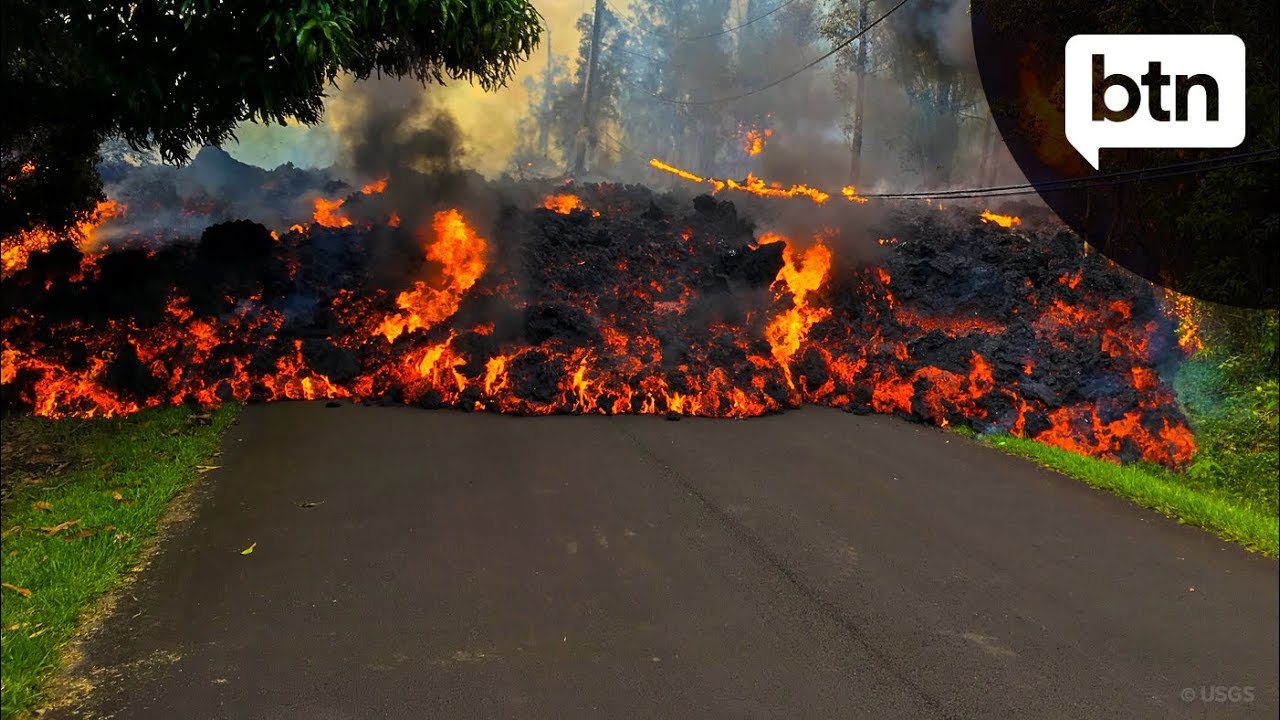
Hawaii's Kilauea Volcano - Behind the News
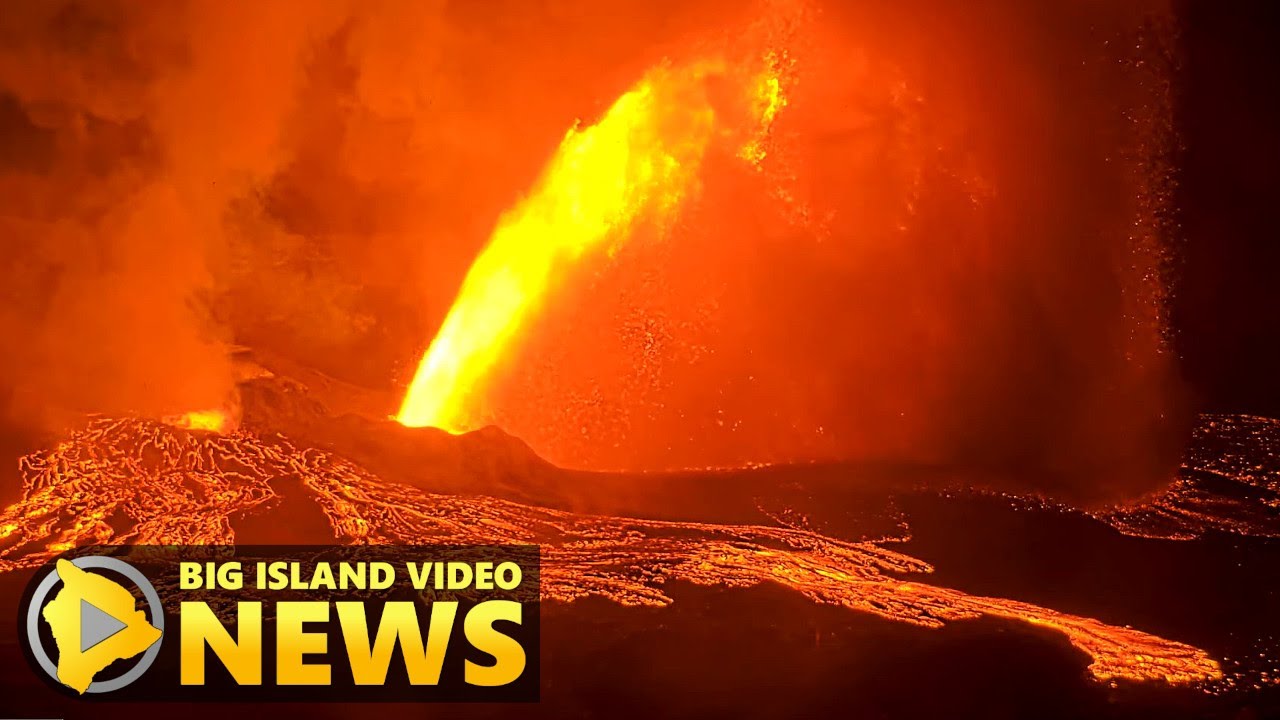
Lava Fountains Erupt At Kīlauea Volcano, Episode 33 Begins (Sept. 19, 2025)
HONOLULU, HAWAII – Kilauea, one of the world's most active volcanoes, has commenced its fifth eruptive episode since December, with the Hawaiian Volcano Observatory (HVO) monitoring ongoing activity. The latest display, characterized by spectacular lava fountaining within Halemaʻumaʻu Crater, marks another significant event in the volcano's recent period of heightened activity.
The eruption, contained within the summit caldera of Hawaii Volcanoes National Park, poses no immediate threat to homes or infrastructure. However, the dramatic resurgence of molten rock continues to captivate residents and visitors, drawing considerable attention to the natural spectacle.
Current Activity and Observations
The current eruptive pause in Halemaʻumaʻu at the summit of Kīlauea is expected to conclude with a new fountaining episode between January 21 and 25, 2026, according to current inflation models. As of January 19, 2026, the volcano is at a "WATCH" alert level and an Aviation Color Code of "ORANGE."
Overnight webcam views reveal consistent glow emanating from the south vent and intermittent, weaker glow from the north vent. Low-level tremor persists, indicating ongoing subsurface magmatic activity. Recent earthquake swarm activity, observed on January 18 and 19, 2026, beneath the southeast part of Halemaʻumaʻu, is attributed to migrating magmatic pressure. While these swarms signify dynamic processes within the summit region, their precise impact on the forthcoming fountaining episode remains under evaluation by HVO scientists. USGS Volcano Notice
Inflationary tilt, measured by the UWD tiltmeter, has shown a significant rebound since the conclusion of episode 40, recording 13.3 microradians of inflationary tilt, with a 1.6 microradian increase in the past 24 hours. The rapid rebound of inflationary tilt, combined with the visible vent glow and low-level volcanic tremor, strongly suggests that another lava fountaining episode is imminent. Rates of sulfur dioxide (SO2) emission were last measured at 1550 tonnes per day on January 15, falling within the typical range observed during previous eruptive pauses. Conversely, both seismicity and ground deformation in Kīlauea’s East and Southwest Rift Zones remain exceptionally low, with SO2 emissions below detection limits. USGS Volcano Notice
A History of Frequent Eruptions
Kilauea’s recent activity is part of a pattern of frequent eruptions that began in December. The volcano's current eruptive phase has seen molten rock displays occur with remarkable regularity. For instance, in August 2025, Kilauea resumed erupting with lava fountains reaching 100 feet into the air, marking its 31st display of molten rock since December. The north vent at the summit crater initiated continuous spattering, followed by lava overflow and subsequent fountaining. CNN
These eruptions, though frequent, have typically been contained within the summit crater, causing no threat to nearby communities. The visual spectacle has been a boon for tourism, with lucky residents and visitors enjoying front-row views at Hawaii Volcanoes National Park. Furthermore, the U.S. Geological Survey (USGS) has provided popular livestreams through multiple camera angles, allowing a global audience to witness the natural phenomenon. NPR
The Mechanics Behind the Spectacle
According to Ken Hon, scientist-in-charge at the Hawaiian Volcano Observatory, the frequent eruptions are driven by a lower magma chamber beneath Halemaʻumaʻu Crater. This chamber receives magma directly from the Earth's interior at approximately 5 cubic yards per second, causing it to inflate. The pressure then forces magma into an upper chamber, from which it is pushed to the surface through existing cracks. Associated Press
The magma’s consistent pathway to the surface since December suggests that each eruptive episode, including the initial release and subsequent events, is part of a singular, ongoing eruption sequence. The towering lava fountains, sometimes exceeding 1,000 feet, are partially attributed to this process, where magma enriched with gases is propelled through narrow, pipe-like vents. This mechanism allows for the explosive release of molten rock, creating the dramatic visual and auditory experience described by observers. Park Service volunteer Janice Wei notes that the sound of high-shooting molten rock can resemble a roaring jet engine or crashing ocean waves, with its heat being palpable from over a mile away. San Gabriel Valley Tribune
Cultural Significance and Future Outlook
Kilauea, situated on Hawaii Island, holds profound cultural significance for Native Hawaiians, with Halemaʻumaʻu Crater traditionally considered the home of Pele, the volcano goddess. The continuous activity of Kilauea, one of six active volcanoes in Hawaii, serves as a powerful reminder of the dynamic geological forces shaping the archipelago.
As scientists anticipate the onset of the next fountaining episode between January 21 and 25, 2026, vigilant monitoring by the HVO will continue. The data collected from ground deformation, seismicity, and gas emissions provides crucial insights into Kilauea's behavior, helping to forecast future activity and ensure public safety. While the eruptions are currently confined, the long-term trends and short-term fluctuations of Kilauea remain a subject of intense scientific study and public fascination.
Related Articles

Hundreds Honor Alex Pretti in Minneapolis, Fueling National Debate on Federal Force
Hundreds gathered in Minneapolis to honor Alex Pretti, an intensive care nurse shot by federal agents, sparking widespread protests and debate on immigration enforcement practices across the U.S.