Landmark Peace Talks Begin in Abu Dhabi: Kremlin Demands Donbas Concession Amidst Truilateral Diplomacy
Three-way peace talks between Ukraine, Russia, and the US have commenced in Abu Dhabi, with the Kremlin re-emphasizing its demand for Kyiv to cede the Donbas region as a condition for peace.

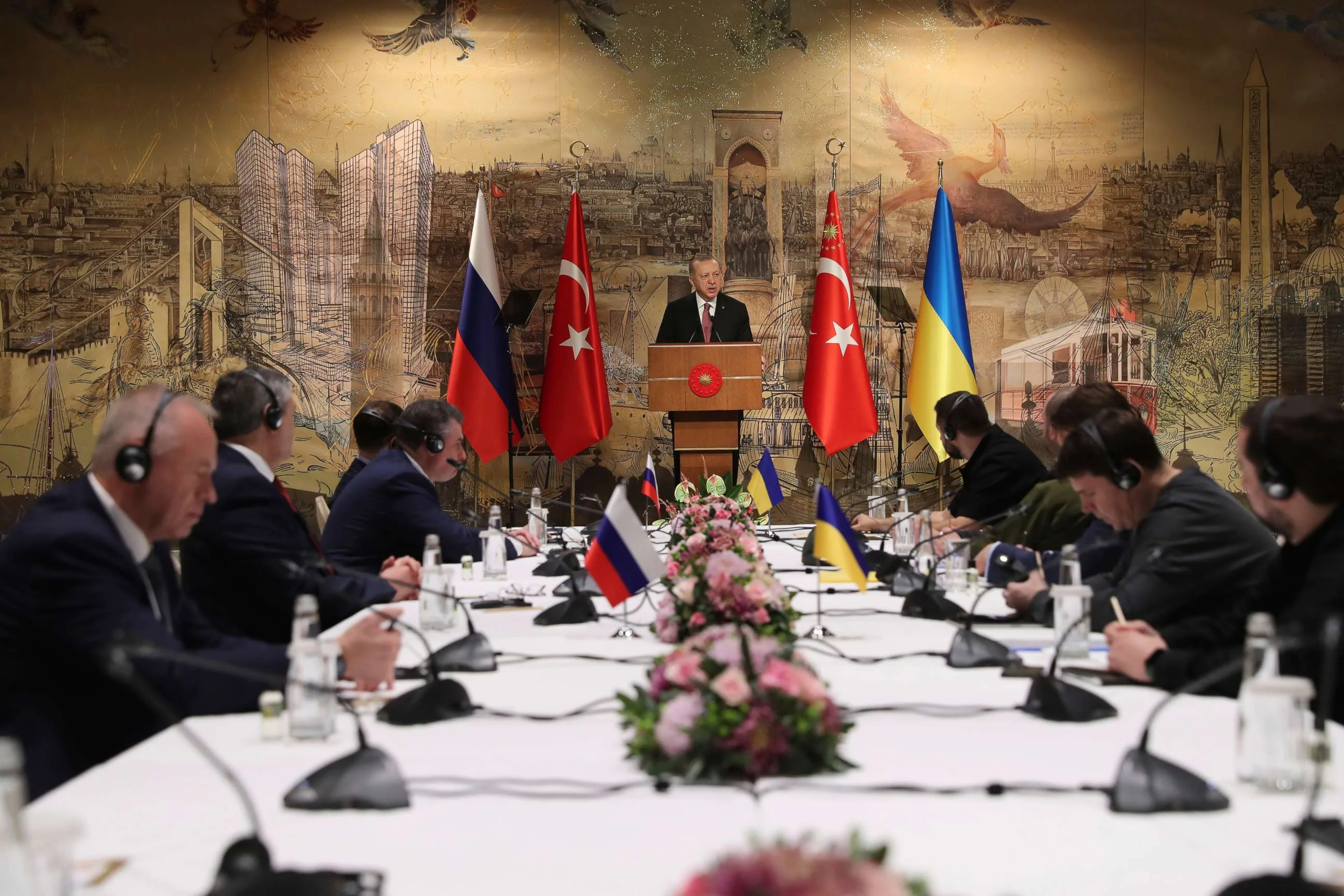
In a significant development in the ongoing conflict, landmark three-way peace talks involving Ukraine, Russia, and the United States have commenced in Abu Dhabi. These discussions, representing the first such trilateral engagement since Russia's full-scale invasion of Ukraine in February 2022, are aimed at identifying political solutions to the protracted crisis. The Kremlin, however, has set a clear prerequisite for any lasting settlement, reiterating its "very important condition" that Kyiv relinquish control of the eastern Donbas region.
Donbas at the Heart of Negotiations
Ukrainian President Volodymyr Zelensky confirmed that the status of the eastern Donbas region, encompassing Donetsk and Luhansk, will be a central focus of the talks. While largely occupied by Russian forces, these regions are not entirely under Moscow's control. Zelensky expressed hope that the two-day discussions, hosted by the UAE, would be a "step towards ending the war," despite his recent fiery address at Davos suggesting skepticism about an imminent resolution. Russia's position, as articulated by Kremlin spokesman Dmitry Peskov, is unequivocal: a peace deal necessitates the withdrawal of Ukrainian forces from the entire Donbas region. Kremlin aide Yuri Ushakov further underscored that a “long-term settlement can't be expected without solving the territorial issue,” referring to Russia's 2022 annexation of parts of the east it has yet to fully occupy. Ukraine, in turn, is pushing for security guarantees from Western allies to prevent future incursions.
A New Diplomatic Configuration
What sets these current discussions apart is the direct involvement of US envoys. While Ukrainian and Russian representatives have met separately on numerous occasions, this marks the first time US officials are confirmed to be at the negotiating table alongside both parties. US envoys Steve Witkoff and Jared Kushner are expected to mediate the talks, reflecting a heightened American engagement in finding a diplomatic path forward. This comes after former President Donald Trump, who recently met with President Zelensky in Davos, has been actively advocating for an end to the conflict. Zelensky described his separate meeting with Trump as "productive and meaningful," with Trump later suggesting both Russia and Ukraine were "making concessions." Similarly, Russian President Vladimir Putin held overnight talks with Witkoff and Kushner at the Kremlin, underscoring the multi-faceted diplomatic efforts underway. The composition of the talks is flexible, with options for separate discussions, combined sessions, and topic-specific breakout groups, according to a spokesperson for Zelensky (The Independent).
US Representation and Previous Efforts
The US delegation includes Army Secretary Dan Driscoll, who was tapped by Special Envoy Steve Witkoff for his experience in military leadership. Driscoll's participation highlights the complex technical and security dimensions of the negotiations. He had previously been involved in similar discussions in November, traveling to Ukraine to address drone warfare and participating in talks in Geneva alongside Secretary of State Marco Rubio, Witkoff, and other negotiators before heading to Abu Dhabi to engage with Russian officials. The inclusion of such experienced personnel underscores the seriousness with which these talks are being approached, even as key details about the specific issues to be discussed remain somewhat opaque. Beyond territorial disputes, separate economic discussions are also anticipated between US envoys and Vladimir Putin's envoy, Kirill Dmitriev (The Independent).
Ongoing Conflicts and Humanitarian Crisis
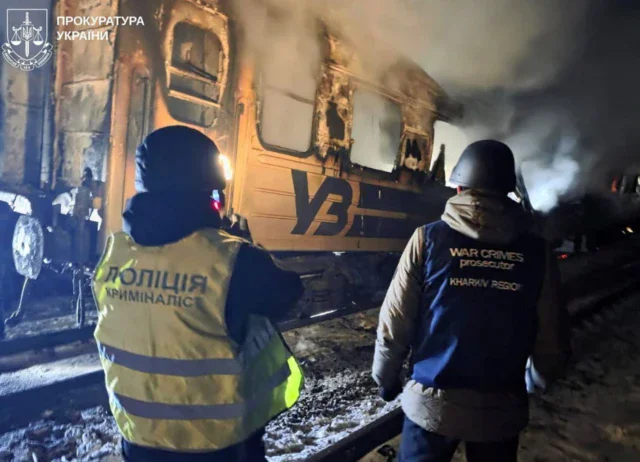
These diplomatic overtures are unfolding against a backdrop of continued aggression. Russia has maintained its attacks on Ukraine, significantly targeting its energy infrastructure during a brutally cold winter. Recent strikes on January 20 left approximately 5,600 apartment buildings in Kyiv without heating, affecting around one million people. The dire situation has forced the establishment of "heating tents" in the capital to provide warmth. Other Ukrainian cities have also endured similar assaults on their power grids, heating systems, and water pumps, exacerbating the humanitarian crisis. In a retaliatory measure, the Ukrainian military claimed to have struck an oil depot in Russia's Penza region on Friday, with a fire reportedly erupting as a result of the attack, the extent of the damage still being assessed.
Shadow Fleet and International Scrutiny
Adding another layer to the complex geopolitical landscape, a suspected Russian "shadow fleet" tanker, the "GRINCH," was diverted by the French navy towards Marseille-Fos port for investigation. The tanker, which had departed Murmansk and was en route into the Mediterranean Sea, was detained on suspicion of operating under a false flag to circumvent sanctions and export Russian oil. This incident underscores the broader international efforts to enforce sanctions against Russia and disrupt its ability to fund the war effort. The case is currently under investigation by the Marseille prosecutor, who specializes in maritime law (The Independent).
As the Abu Dhabi talks continue, the international community watches closely to see if these unprecedented trilateral discussions can unlock a path toward a lasting peace, or if the deeply entrenched positions on territorial integrity will remain an insurmountable hurdle.
Related Articles
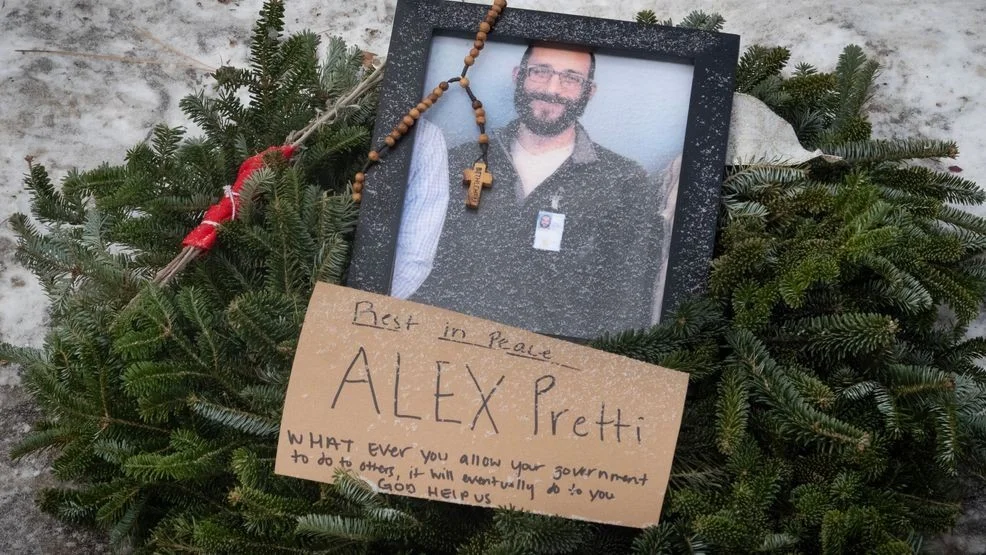
Hundreds Honor Alex Pretti in Minneapolis, Fueling National Debate on Federal Force
Hundreds gathered in Minneapolis to honor Alex Pretti, an intensive care nurse shot by federal agents, sparking widespread protests and debate on immigration enforcement practices across the U.S.