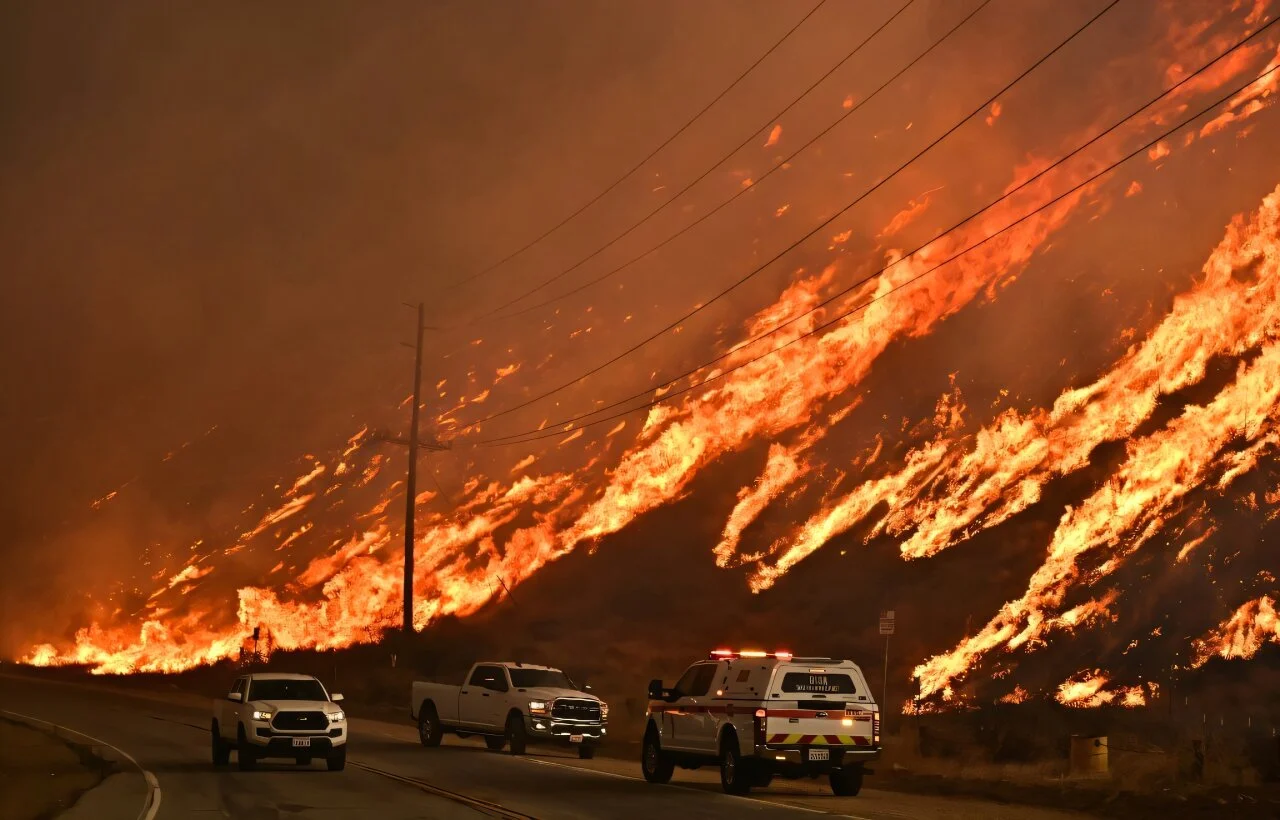
Hughes Fire Explodes to Over 9,400 Acres, Forcing Thousands of Evacuations North of Los Angeles
A new wildfire, dubbed the Hughes Fire, broke out north of Los Angeles, rapidly expanding to over 9,400 acres and prompting mandatory evacuations for 31,000 residents amidst critical fire conditions.


New Wildfire Near Los Angeles Explodes to 9,400 Acres, Forces Evacuations
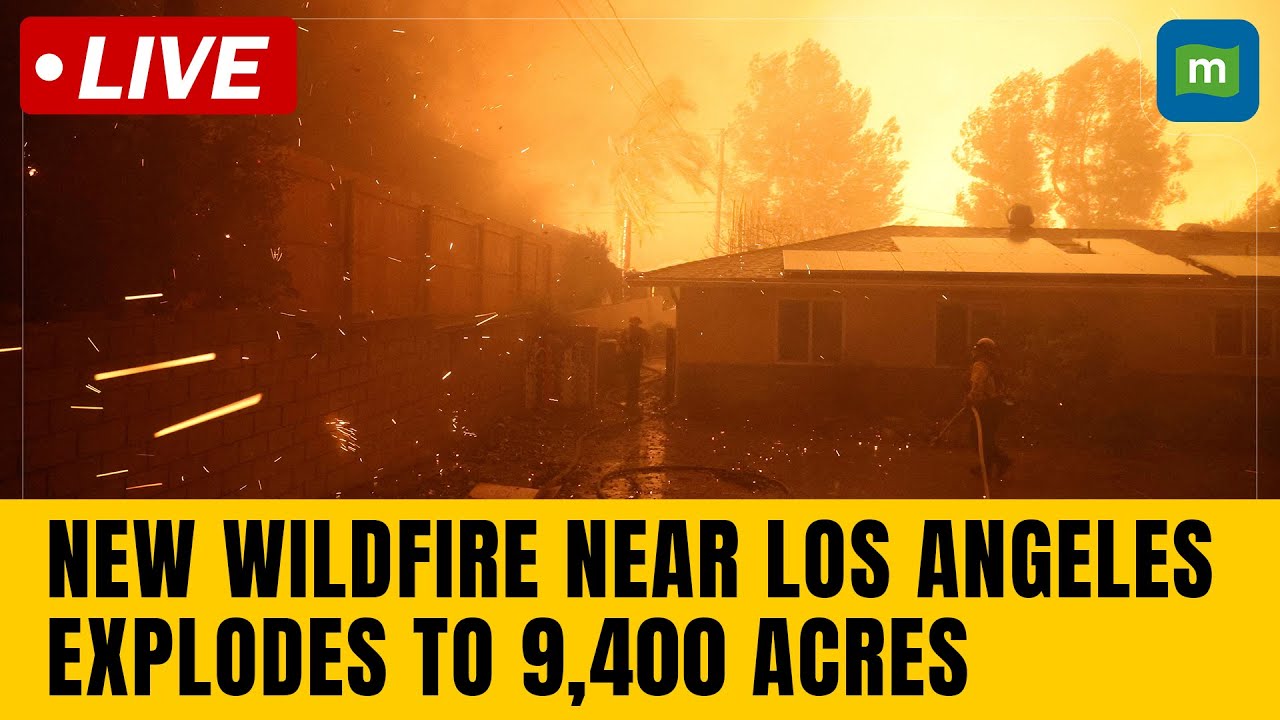
LA wildfire | New wildfire near Los Angeles explodes to 9,400 acres, forces evacuations | N18G
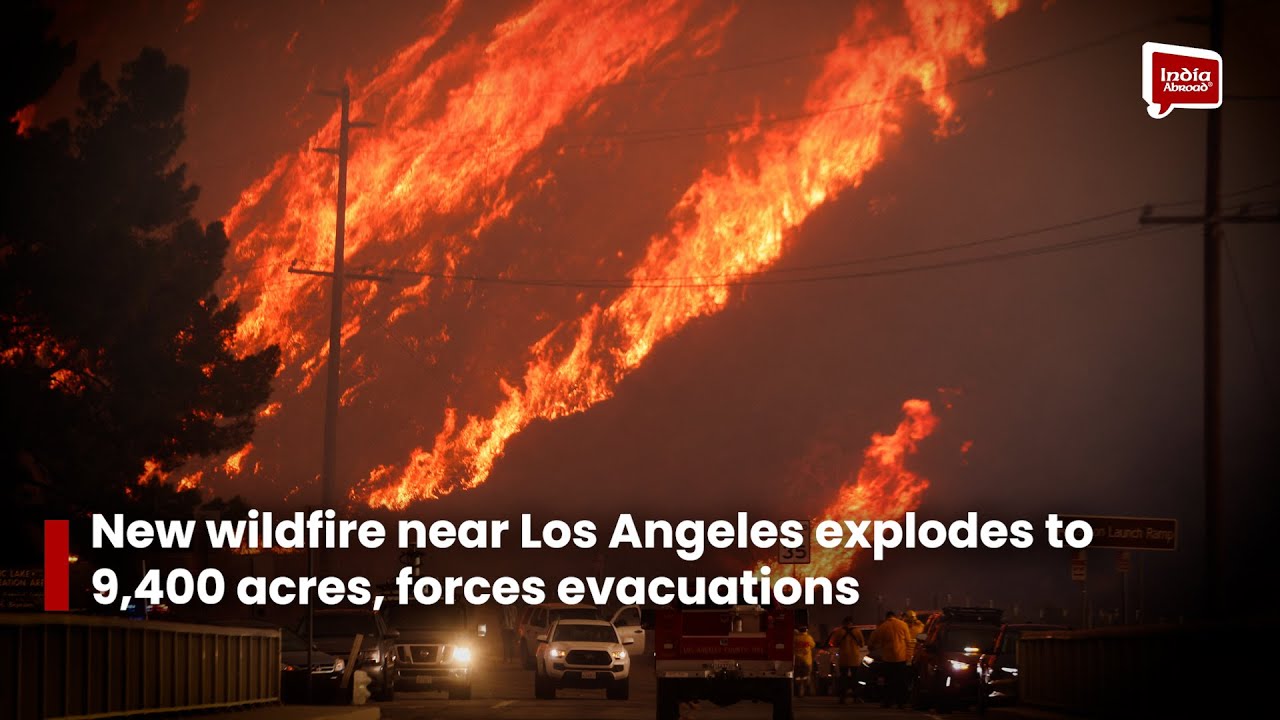
New wildfire near Los Angeles explodes to 9,400 acres, forces evacuations
CASTIAC, California – A fierce new wildfire, named the Hughes Fire, erupted on Wednesday in a sparsely populated area north of Los Angeles, rapidly consuming more than 9,400 acres (38 square km) and forcing the mandatory evacuation of approximately 31,000 residents. The blaze, fueled by powerful Santa Ana winds and parched vegetation, adds a new, daunting challenge to firefighting efforts already stretched thin after two weeks of battling two other major infernos in the greater Los Angeles metropolitan area.
The Hughes Fire, approximately 50 miles (80 km) north of Los Angeles near Castaic, quickly sent towering flames and colossal plumes of smoke into the sky, visible for miles. By Wednesday night, it had grown to two-thirds the size of the Eaton Fire, one of the significant blazes that had previously ravaged the region. Authorities have warned residents in the Castaic Lake area of Los Angeles County of an "immediate threat to life" as much of Southern California remains under a red-flag warning due to extreme fire risk.
Rapid Spread and Evacuation Orders
The speed at which the Hughes Fire escalated caught fire officials by surprise. In just a few hours, the inferno tore through dry brush and steep terrain, prompting Los Angeles County Sheriff Robert Luna to issue immediate evacuation orders for 31,000 people. An additional 23,000 residents were placed under evacuation warnings, urging them to be prepared to leave at a moment's notice should conditions worsen CNBC.
Images and videos from the scene depicted chaotic evacuations, with residents fleeing their homes as ominous orange skies loomed overhead. Police patrolled the Castaic area, using sirens and loudspeakers to urge people to leave promptly, a stark reminder of the devastating consequences for those who hesitated during previous fires Al Jazeera. Robert Jensen of the Los Angeles County Sheriff’s Department pleaded with residents, stating, “We’ve seen the devastation caused by people failing to follow those orders in the Palisades and Eaton fires. I don’t want to see that here in our community as well. If you’ve been issued an evacuation order, please get out.”
Challenging Conditions for Firefighters
Firefighters are facing an uphill battle against the Hughes Fire, contending with a confluence of challenging environmental factors. Strong, dry Santa Ana winds, a hallmark of Southern California's fire season, are fanning the flames and pushing embers far ahead of the main fire front, contributing to its rapid and unpredictable spread. The "very receptive fuel bed" of dry brush and the "steep topography" of the area further complicate containment efforts, according to Matthew Van Hagen, a spokesperson for the firefighters CNBC.
More than 4,000 firefighters have been deployed to combat the Hughes Fire, with an additional 1,100 firefighters positioned throughout Southern California in anticipation of further fast-moving blazes, a testament to the severity of the red-flag warning conditions. Ground crews are working tirelessly alongside water-dropping aircraft and helicopters to limit the fire's southward progression towards more densely populated communities. The Angeles National Forest has taken the precautionary measure of closing its entire 700,000-acre (2,800-sq-km) park in the San Gabriel Mountains to visitors .
A Region on Edge
The emergence of the Hughes Fire comes as the greater Los Angeles area was already reeling from the impact of two massive fires that had been burning for more than two weeks. These earlier conflagrations, which broke out on January 7, had collectively burned an area nearly the size of Washington D.C., claimed 28 lives, and damaged or destroyed close to 16,000 structures, according to the California Department of Forestry and Fire Protection (Cal Fire). Private forecaster AccuWeather has estimated the damage and economic losses from these previous fires to exceed $250 billion. While those two major fires were finally coming under greater control, the Hughes Fire served as a grim reminder of the persistent and evolving threat posed by wildfires in the region.
Although the affected area of the Hughes Fire is "more sparsely populated" than regions impacted by the earlier blazes, the ferocity of the new fire and the immediate threat to life and property remain significant. The cause of the Hughes Fire is currently under investigation, with authorities noting that it erupted during critical red-flag conditions characterized by strong winds and low humidity – a recipe for rapid fire spread.
Looking Ahead: Vigilance Remains Key
As the battle against the Hughes Fire continues into the night, residents and emergency services alike are urged to remain highly vigilant. The unpredictable nature of wind-driven fires means conditions can change rapidly, necessitating swift action and adherence to all evacuation orders. With Southern California grappling with successive major wildfires, the focus remains on protecting lives and property, even as the long-term impacts of these devastating events continue to unfold.
Related Articles

Hundreds Honor Alex Pretti in Minneapolis, Fueling National Debate on Federal Force
Hundreds gathered in Minneapolis to honor Alex Pretti, an intensive care nurse shot by federal agents, sparking widespread protests and debate on immigration enforcement practices across the U.S.