Russia Suffers Unprecedented War Losses Since WWII Amid Ukraine Conflict, Study Claims
A new study by the Center for Strategic and International Studies claims Russia has incurred 1.2 million casualties in Ukraine, marking its heaviest losses since World War II. The Kremlin disputes these figures amidst ongoing intense conflict and civilian attacks.

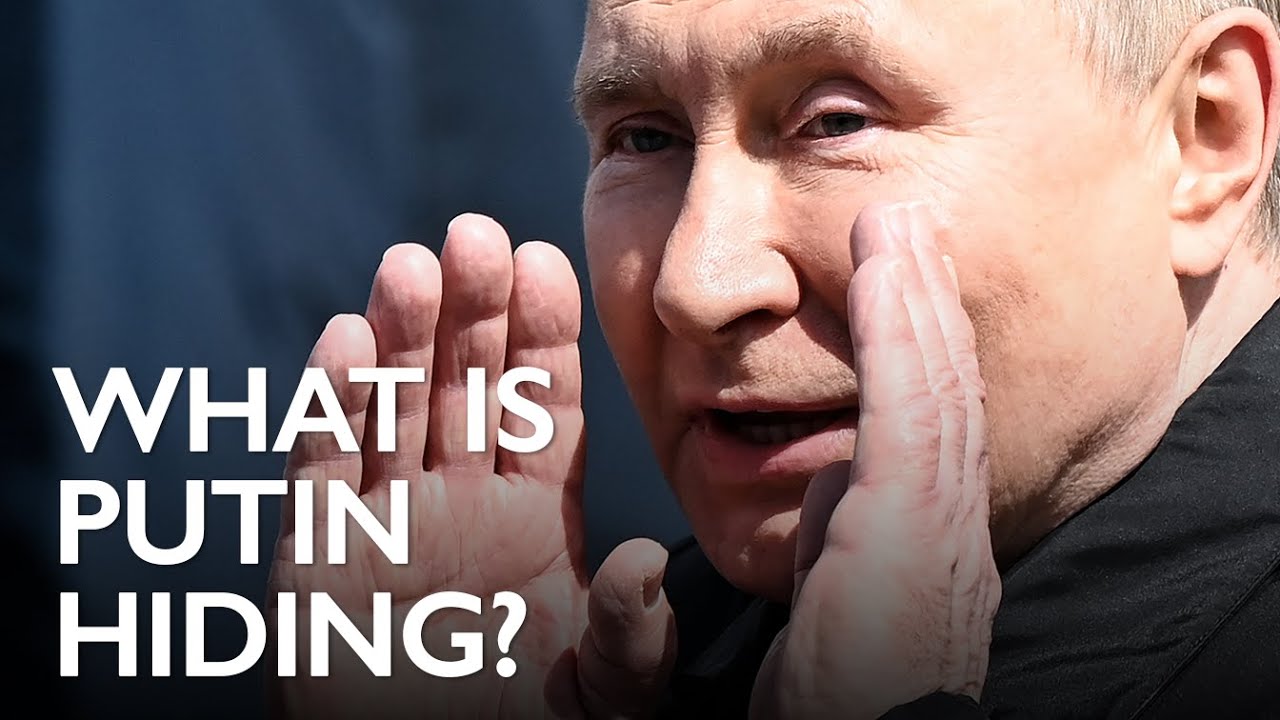
Russia in a ‘battle of survival’ as Putin hides the scale of war losses in Ukraine
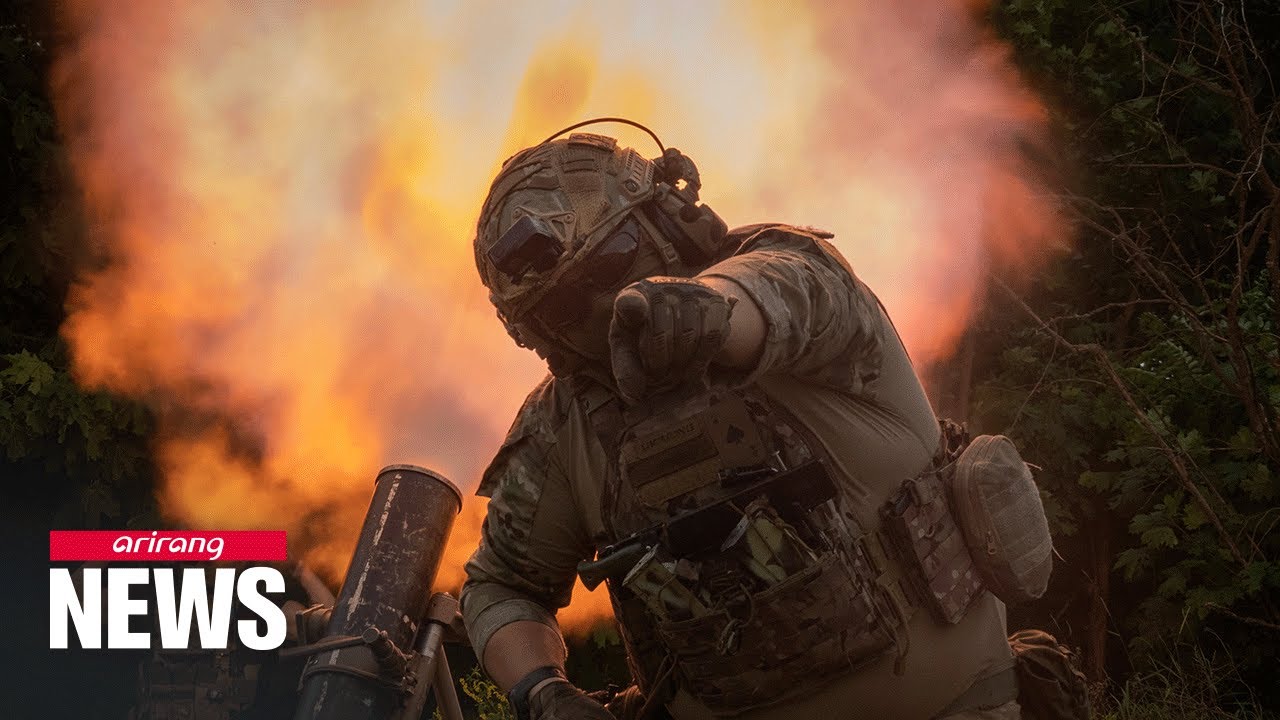
Russia suffers huge troop losses in just under two months amid Ukraine's counteroffensive
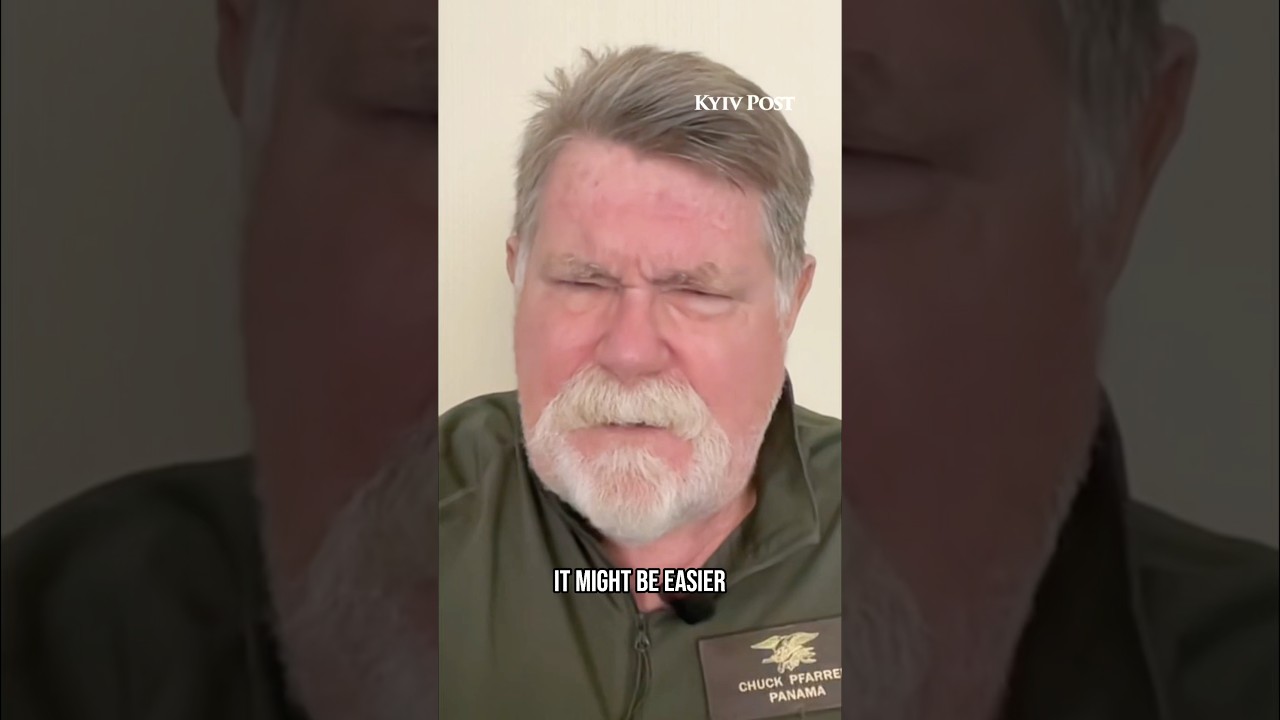
You can’t even imagine the losses Russia is suffering in Ukraine
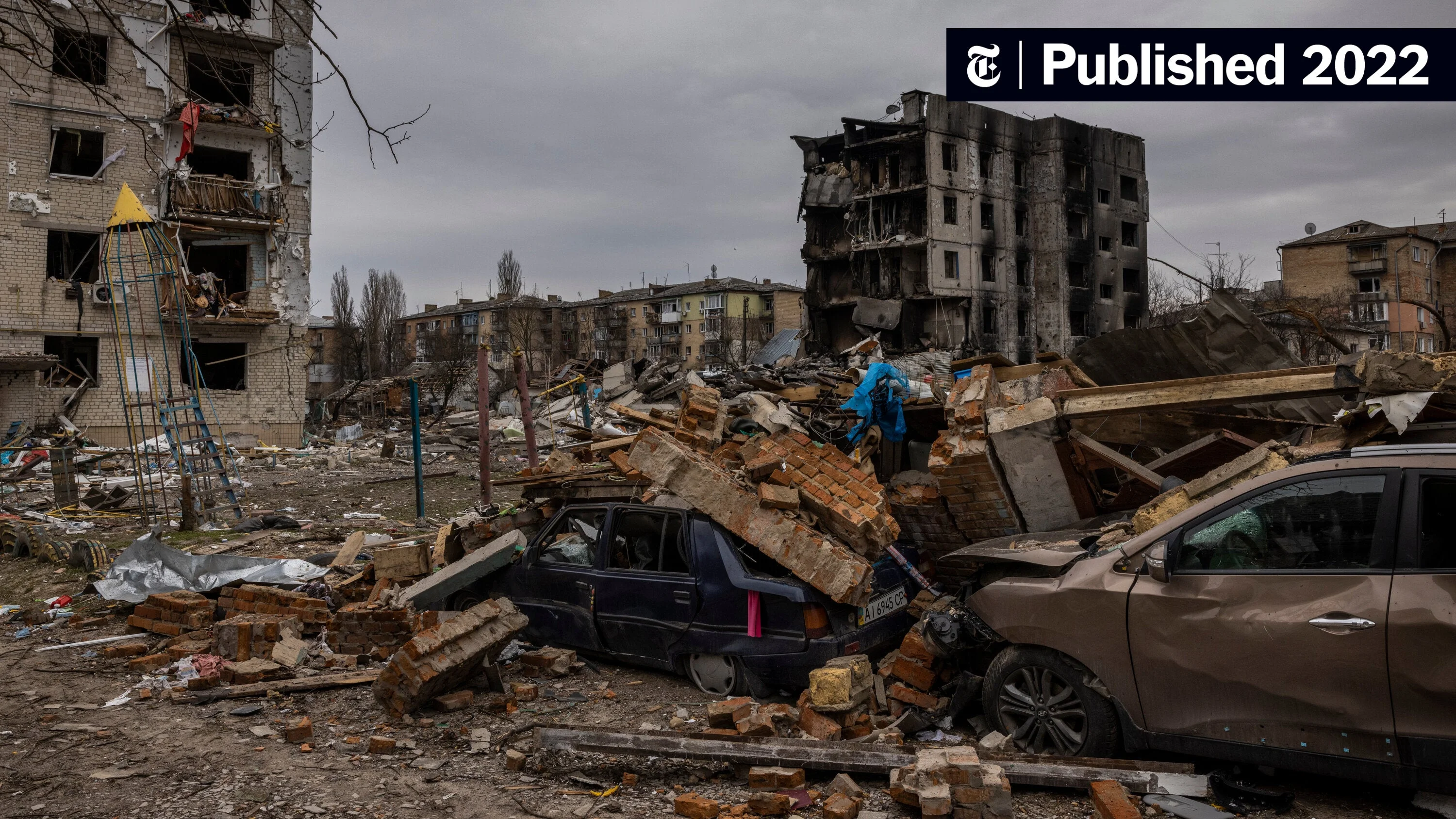
Russia has reportedly sustained its most significant battlefield losses since the conclusion of the Second World War during its nearly four-year-long invasion of Ukraine. A comprehensive study by the Center for Strategic and International Studies (CSIS) indicates that Russian forces have incurred approximately 1.2 million casualties, a figure that includes both wounded and killed troops. This assessment, however, has been swiftly rejected by the Kremlin, which dismisses the reliability of the CSIS figures.
Staggering Casualty Figures Highlight Conflict's Brutality
The report from the CSIS paints a stark picture of the human cost of the conflict, estimating that around 325,000 Russian soldiers have been killed since the war began. This tragic toll accounts for the majority of fatalities on the Russian side. The think tank emphasized the unprecedented scale of these losses, stating, “No major power has suffered anywhere near these numbers of casualties or fatalities in any war since World War II,” despite Russia’s comparatively slow progress on the battlefield. Combined, Russian and Ukrainian casualties are projected to reach between 1.8 and 2 million by spring 2026, with Ukrainian casualties estimated between 500,000 and 600,000, including 100,000 to 140,000 killed, according to The Independent.
The Kremlin, on Wednesday, publicly dismissed these findings, asserting that the figures presented by the CSIS should not be considered reliable. This dismissal comes as the conflict continues to rage, marked by persistent strikes and intensified fighting across various fronts.
Zelensky Condemns 'Act of Terrorism' After Civilian Train Strike
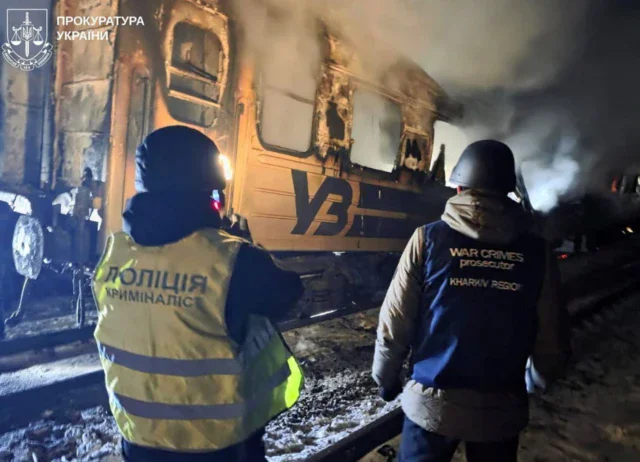
Amidst the escalating military casualties, Ukraine continues to face direct attacks on its civilian infrastructure. President Volodymyr Zelensky accused Russian President Vladimir Putin of an "act of terrorism" following a drone strike on a Ukrainian passenger train in the Kharkiv region, which killed at least five people and injured three others. "In any country, a drone strike on a civilian train would be regarded in the same way – purely as an act of terrorism," Zelensky stated, emphasizing the lack of military justification for targeting a carriage carrying over 200 people. He further highlighted that Russia has significantly increased its capacity to inflict terror, demanding accountability for such actions, as reported by The Independent. This incident follows similar attacks, including Russian drones damaging port infrastructure in the Odesa region, injuring three and affecting residential areas and a monastery.
Europe Urged to Build Independent Defence Capabilities
As the conflict wears on, European leaders are increasingly calling for greater defence independence. Andrius Kubilius, the European Union’s defence commissioner, stressed the urgent need for Europe to develop its own defence capabilities. Speaking at the European Defence Agency, Mr. Kubilius asserted, "We need to develop pan-European capabilities, not only national ones, assigned to each member state by NATO capability targets." He clarified that "independence does not mean: alone. Independence means together," emphasizing the goal of building a robust European Pillar within NATO, in cooperation with Ukraine. Kubilius also urged the European defence industry to prioritize production potential over profits, acknowledging the critical need for capabilities in the coming years. This push for European independence comes as France opposes EU funding for British Storm Shadow cruise missiles for Ukraine, insisting that such funds should exclusively support European and Ukrainian defence manufacturers.
Peace Talks and Post-War Recovery Efforts Progress Amidst Skepticism
Diplomatic efforts to de-escalate the conflict and plan for Ukraine's future are ongoing, albeit with significant challenges. British Prime Minister Sir Keir Starmer and Ukrainian President Volodymyr Zelensky recently discussed progress made during peace talks held in Abu Dhabi, agreeing on the necessity of a just and lasting peace. Concurrently, Ukraine is actively working with the United States on agreements for post-war recovery, though identified areas require further detailed discussion to ensure maximum efficiency and swift results, according to Zelensky. However, a top Ukrainian official indicated that Ukraine would not accept "meaningless" security guarantees. Alyona Getmanchuk, Ukraine's ambassador to NATO, stated that Ukrainians are wary of such offers, viewing meaningful security guarantees as an integral component of any peace settlement, rather than a consequence of it. This stance reflects a deep-seated caution, learning from past experiences where ceasefires did not ultimately lead to lasting peace, as cited by The Independent.
NATO Warns of 'Harshest Winter' as Russia Targets Energy Grid
Adding to the grim outlook, NATO has issued a warning that Ukraine faces its "harshest winter" yet, as Russia continues to deliberately target the country's energy grid. This strategy aims to cripple essential services and exert immense pressure on the Ukrainian population during the colder months. The relentless targeting of civilian infrastructure, combined with the colossal human cost of the ground war, underscores the brutal reality of the ongoing conflict and the enduring challenges faced by Ukraine and its allies.
Related Articles
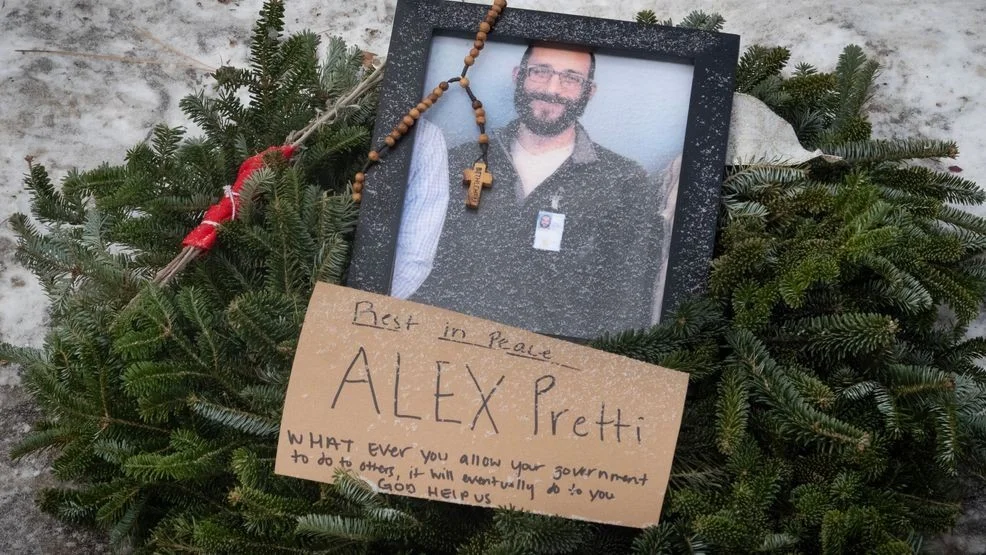
Hundreds Honor Alex Pretti in Minneapolis, Fueling National Debate on Federal Force
Hundreds gathered in Minneapolis to honor Alex Pretti, an intensive care nurse shot by federal agents, sparking widespread protests and debate on immigration enforcement practices across the U.S.