Russia-US-Ukraine Talks Conclude First Day Amidst Cautious Optimism and Persistent Sticking Points
Diplomatic efforts to end the Ukraine war continue as US, Ukrainian, and Russian delegations meet in Abu Dhabi. Zelenskyy remains cautious.

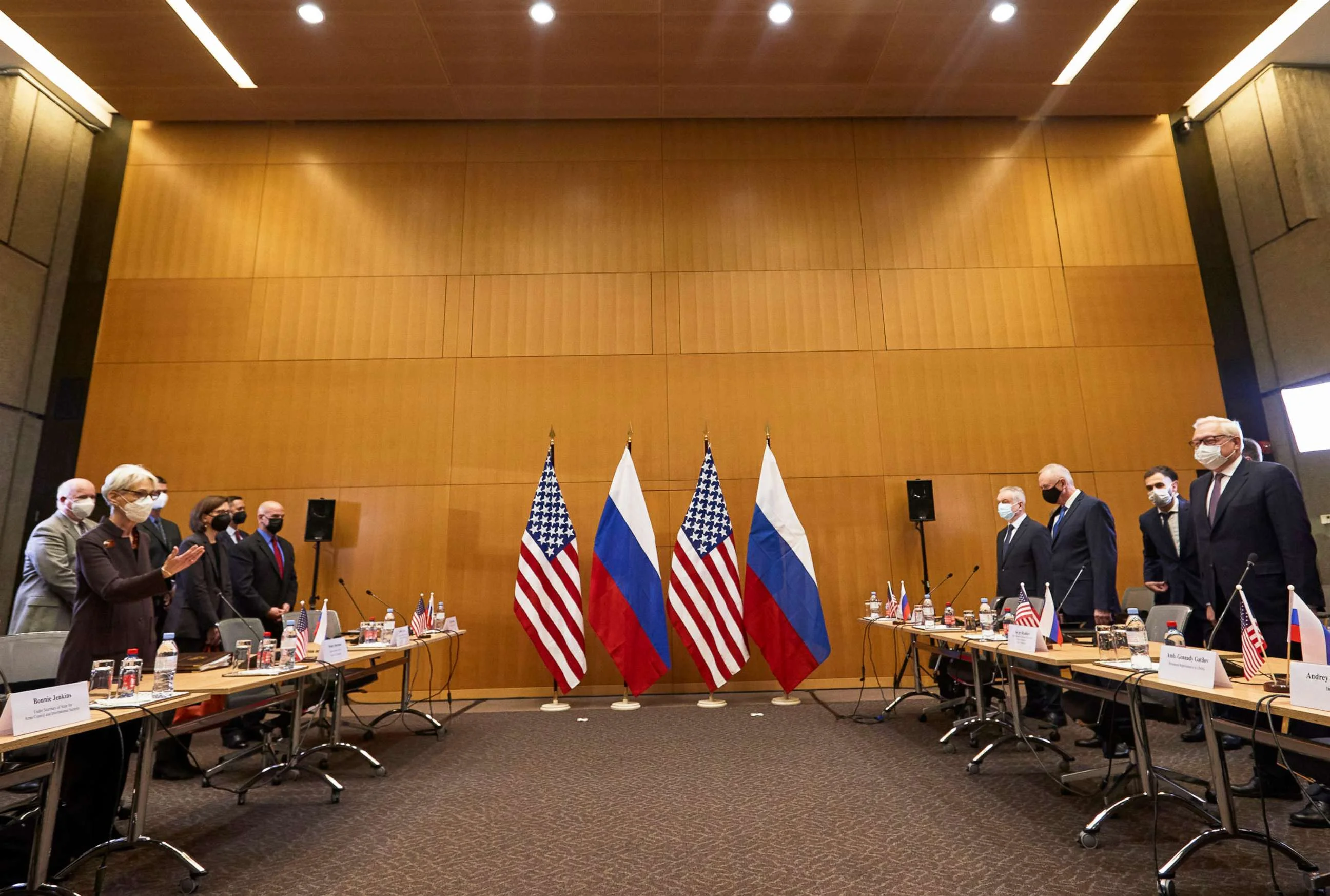
Diplomatic efforts to de-escalate the ongoing conflict in Ukraine saw a significant development today as delegations from the United States, Ukraine, and Russia concluded their first day of closed-door discussions in Abu Dhabi, United Arab Emirates. While official statements remain guarded, all parties confirm the talks were "productive" and are scheduled to resume tomorrow. However, underlying the cautious optimism are clear concerns regarding Russia's commitment to a genuine resolution and logistical disparities in the composition of the negotiating teams.
Trilateral Talks Conclude First Day, Ukrainian President Remains Cautious
Following the conclusion of today's trilateral meeting, Ukrainian President Volodymyr Zelenskyy issued a brief statement on social media, emphasizing a cautious approach. He indicated that while his delegation expects answers from Russia, it is "still too early to draw conclusions." Zelenskyy reiterated that a key prerequisite for any meaningful progress is that "Russia must be ready to end the war it started." Tomorrow’s continuation of the talks will be crucial in determining the conversation's trajectory and potential outcomes, as stated by the President himself, according to Sky News. Rustem Umerov, a prominent Ukrainian negotiator and Secretary of the National Security and Defence Council, confirmed via social media that the discussions primarily focused on establishing "parameters for ending Russia's war and the further logic of the negotiation process aimed at advancing toward a dignified and lasting peace." Additional Ukrainian delegates, including General Andrii Hnatov (Head of the General Staff) and Lieutenant General Vadym Skibitskyi (Deputy Head of Defence Intelligence), are expected to join the discussions tomorrow, signaling growing engagement from Kyiv's side.
Behind Closed Doors: A Diplomatic "Big Moment"
The secretive nature of the Abu Dhabi talks, held behind closed doors without media access, underscores the sensitivity and importance placed on these negotiations by all sides. This marks the first visual confirmation of all three parties—the US, Ukraine, and Russia—being present in the same room for discussions. A White House official informed NBC News that today's meeting was "productive," with conversations set to continue tomorrow. Russian state news agency TASS corroborated this, confirming the agreement to resume talks. Despite the high stakes, Sky News correspondent Sally Lockwood, reporting from nearby Dubai, described the talks as having the "essence of feeling like a 'big moment'." However, the disparity in the seniority of the delegations remains a notable point of discussion among observers, with Ukraine sending a more senior team compared to Russia's seemingly more junior delegation. While Moscow correspondent Ivor Bennett acknowledged this difference, he still viewed the mere occurrence of these talks as "a step in the right direction."
Seniority Gap Raises Questions on Russian Intentions
Professor Michael Clarke, a prominent expert, expressed skepticism regarding the immediate outcome of the trilateral talks. His doubts largely stem from the composition of the Russian delegation, which he noted primarily comprises military officials lacking "political authority" to make substantial decisions. Clarke suggested that Moscow is currently "in no mood for a ceasefire," positing that this structural difference in delegation seniority could impede significant progress. He highlighted that while Ukraine and the US sent their most senior negotiators, Russia's choice of representatives suggests a potential lack of readiness for comprehensive political agreements at this juncture. This assessment was part of a broader Q&A session, as reported by Sky News. The expert's analysis implies that while the talks are a positive development in terms of communication, breakthrough political decisions may prove elusive in the short term due to the nature of Russian engagement.
Ongoing Hostilities: Ukraine Targets Russian Infrastructure Amidst Talks
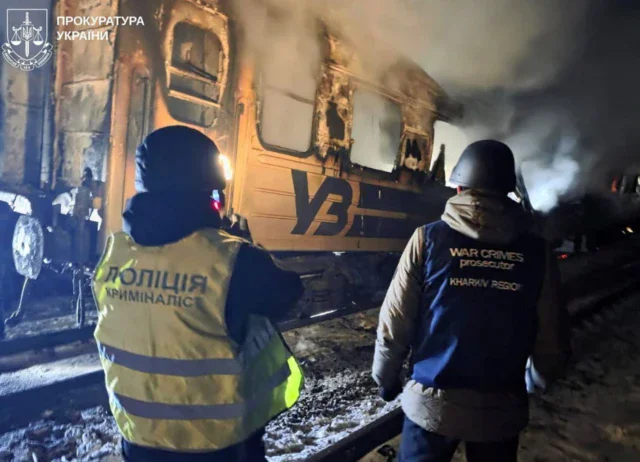
Despite the diplomatic overtures, military actions continue simultaneously. Ukraine's military claims to have successfully struck another Russian oil depot overnight, specifically the Penzanefteprodukt depot in the western Russian region of Penza. The General Staff of Armed Forces reported that a fire erupted, though the full extent of the damage is yet unknown. This assault represents the latest in Ukraine's strategy to disrupt Russia's oil infrastructure, which Kyiv alleges supports Moscow's military efforts. Furthermore, Ukrainian forces reportedly hit a radar station in occupied Crimea and Russian soldiers in the occupied Donetsk and Belgorod regions. These attacks underscore the ongoing intensity of the conflict even as peace discussions are underway. Meanwhile, residents in Kyiv continue to face challenges, with the city's mayor, Vitalii Klitschko, stating that approximately 1,200 multi-storey buildings remain without heat as authorities work to mitigate the energy crisis caused by Russian attacks. This situation highlights the humanitarian impact of the war, even as diplomatic avenues are explored Sky News.
Wider Diplomatic Tensions and NATO Concerns
Beyond the immediate peace talks, broader diplomatic tensions continue to ripple, with former US President Donald Trump’s recent remarks about NATO drawing significant condemnation. Trump's comments, suggesting that NATO troops were "a little off the front lines" in Afghanistan, sparked outrage, particularly in the UK, where 457 service personnel lost their lives during the campaign. Prince Harry issued a strong statement in response, highlighting NATO's invocation of Article 5 after 9/11 and the profound sacrifices made by allied nations. He stressed the importance of speaking "truthfully and with respect" about these sacrifices, advocating for unity in defense of diplomacy and peace. This incident adds a further layer of complexity to the international dynamics surrounding the Ukraine conflict and Western alliances. Separately, the French Navy has diverted a Russian oil tanker, suspected of operating under a "false flag" and being part of Moscow's "shadow fleet," to the port of Marseille-Fos for investigation. This action, following the tanker's interception for allegedly violating European sanctions, signals a hardening stance by European nations against Russian maritime activities.
Related Articles
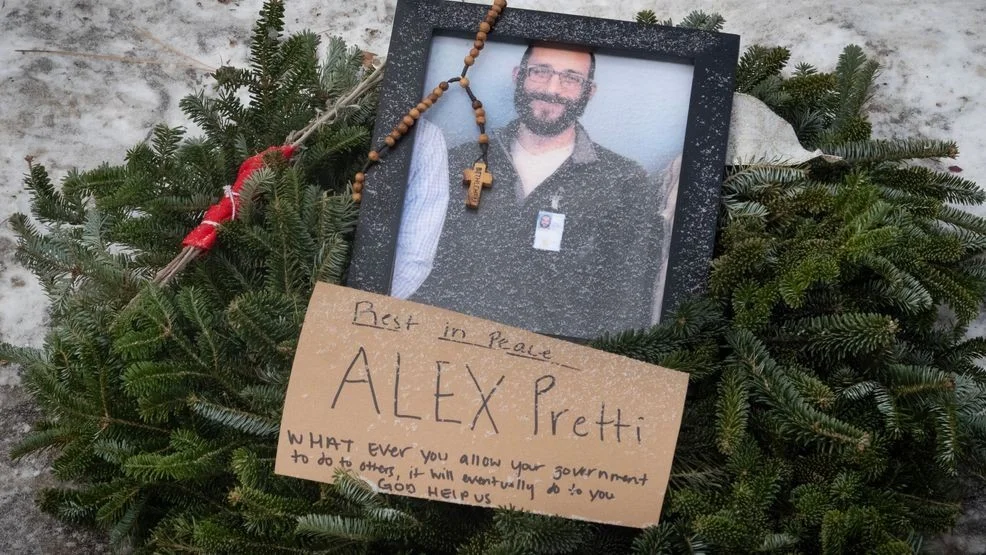
Hundreds Honor Alex Pretti in Minneapolis, Fueling National Debate on Federal Force
Hundreds gathered in Minneapolis to honor Alex Pretti, an intensive care nurse shot by federal agents, sparking widespread protests and debate on immigration enforcement practices across the U.S.